Can You Use Granular Chlorine to Shock a Pool?
Published on: February 19, 2026 | Last Updated: November 17, 2025
Written By: Rachael Weatherbottom
Yes, granular chlorine can shock a pool when dissolved and measured properly. This dry form of chlorine—often calcium hypochlorite (65-75% strength) or sodium dichlor (55-60% chlorine with cyanuric acid stabilizer)—delivers a rapid chlorine boost to kill algae, bacteria, and organic waste. Unlike liquid chlorine, granules must be pre-mixed in water to avoid bleaching pool liners, but they act faster than tablets. Success depends on testing water first: pH should be 7.2–7.6, and free chlorine must reach 5–10 ppm during shocking.
We’ll break down how granular chlorine stacks up against liquid shock and tablets, including cost differences (granular averages $2.50 per pound vs. $4 for liquid per gallon). Learn step-by-step methods for shocking a 15,000-gallon pool with 1.5 pounds of calcium hypochlorite, why skipping pre-dissolving risks plaster damage, and when granules outperform other options—like tackling moderate algae without raising stabilizer levels excessively.
Find out how to adjust doses for small pools or spas (0.5 pounds per 5,000 gallons), avoid over-chlorination risks above 10 ppm, and ensure swim safety after 8–12 hours of pump runtime. From summer algae outbreaks to pre-winter treatments, granular chlorine offers versatility—if you apply it right.
What is Granular Chlorine?
Granular chlorine is a dry, concentrated form of chlorine designed for sanitizing and oxidizing pool water. Unlike liquid chlorine or tablets, it comes in coarse particles that dissolve in water, making it versatile for routine maintenance and emergency treatments.
Crucial Winterizing Products
"The all-in-one solution for a guaranteed clear spring opening."
All-in-One Closing Chemical Kit
Winter demand is high - check stock

"The 'set & forget' option. This is the easiest winterizing I've ever done."
Simple 3-in-1 Winterizing Balls
Winter demand is high - check stock
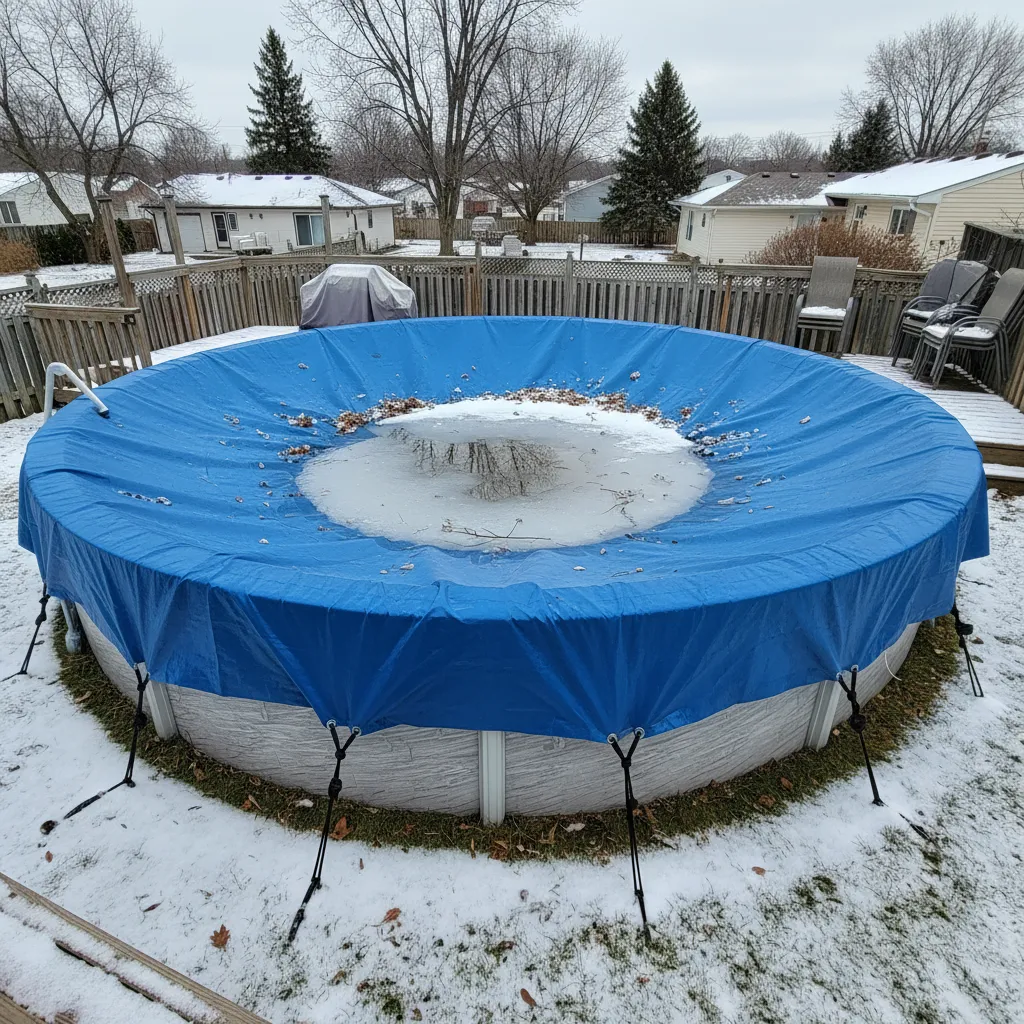
"Invest once to protect your liner and prevent a swamp in the spring."
Heavy-Duty Winter Pool Cover
Winter demand is high - check stock
Definition and Composition
Most granular chlorine products contain calcium hypochlorite (cal-hypo) or sodium dichlor, compounds that release free chlorine when mixed with water. Cal-hypo typically contains 65-75% available chlorine, while dichlor provides 56-62% along with cyanuric acid (CYA), a stabilizer that protects chlorine from UV degradation. Lithium hypochlorite (35% chlorine) is less common due to higher costs but dissolves faster than cal-hypo.
Common Forms in Pool Care
Pool owners encounter three primary granular chlorine types:
- Calcium Hypochlorite: Popular for shock treatments due to high chlorine content. Adds 1.4 ppm calcium per 1 ppm chlorine, which may harden water over time.
- Sodium Dichlor: Stabilized with 50-55% CYA, ideal for outdoor pools exposed to sunlight. Raises CYA by 9 ppm per 10,000 gallons when shocking.
- Multi-Purpose Granules: Blended formulas with algaecides (e.g., 60% copper sulfate) or clarifiers for combined shock and stain prevention.
Cal-hypo remains the go-to for rapid oxidation, while dichlor suits pools needing stabilizer boosts. Lithium-based products work best for soft water pools avoiding calcium buildup.
With granular chlorine’s composition clarified, let’s examine how it compares to liquid chlorine and tablets for shock treatments.
Granular Chlorine Vs. Other Shock Methods
Pool owners face multiple options for shock treatments. Granular chlorine stands out due to its unique properties, but how does it stack up against alternatives?
Comparison With Liquid Chlorine
Liquid chlorine (sodium hypochlorite) works rapidly but lacks stabilizers. While liquid forms raise chlorine levels within minutes, they require larger volumes—up to 1 gallon per 10,000 gallons for standard shocking. Granular variants, often calcium hypochlorite or dichlor-based, deliver concentrated doses with stabilizers like cyanuric acid (CYA) to shield chlorine from UV degradation. Storage favors granules: liquid chlorine degrades 50% faster under heat. For pool owners considering alternatives, a liquid chlorine salt pool can offer a more stabilized, efficient chlorine solution. This method minimizes the need for frequent dosing and provides a smoother swimming experience.
Granular Vs. Chlorine Tablets
Tablets (trichlor) dissolve slowly, designed for routine maintenance—not shock treatments. Their 90% available chlorine content trails behind granular shock’s 65-75% concentration. For urgent algae blooms or post-storm contamination, granules provide immediate impact. Tablets risk over-stabilizing pools with CYA buildup beyond 100 ppm, leading to chlorine lock. Granular products avoid this when used correctly.
Cost and Effectiveness Analysis
Granular chlorine costs $4-$8 per pound, slightly pricier than liquid ($3-$5 per gallon) but requires less product. Treating a 20,000-gallon pool demands 2 pounds of cal-hypo granules versus 4 gallons of liquid. Though tablets seem cheaper upfront ($2-$4 per pound), their slow release makes them inefficient for shock-level rises. Granules balance speed with budget, cutting treatment time by 30-50% compared to tablets. Keeping your pool clean and clear is essential for enjoyment and maintenance. Using phosphate removers can help reduce algae growth and improve water quality.
Can Granular Chlorine Be Used for Pool Shocking?
Shocking requires elevating free chlorine to 10x the combined chlorine level. Granular chlorine meets this need under specific conditions.
Understanding Pool Shocking Requirements
Effective shock treatments demand precise ppm increases. For example, raising free chlorine by 5 ppm in 10,000 gallons requires 1.25 pounds of 65% cal-hypo granules. Testing prior to treatment is non-negotiable: pH must sit between 7.2-7.6 for optimal efficacy. High cyanuric acid (above 80 ppm) or total dissolved solids (over 2,500 ppm) reduces granular chlorine’s potency.
Suitability Of Granular Chlorine for Shock Treatment
Calcium hypochlorite granules (68-73% strength) work best for weekly shocks. Dichlor-based products (55-62% chlorine) suit monthly treatments but contribute 0.9 ppm CYA per pound—problematic for already stabilized pools. For vinyl liners or fiberglass surfaces, pre-dissolving granules prevents bleaching. Unlike non-chlorine shocks (potassium monopersulfate), granular chlorine oxidizes contaminants while sanitizing, making it ideal for green pools or post-contamination recovery.
Next, let’s break down the step-by-step process for shocking pools with granular chlorine safely.
Also See: Can You Swim With Phosphate Remover in Pool? Guidelines
How to Shock a Pool With Granular Chlorine
Shocking a pool with granular chlorine requires precise execution to eliminate contaminants without damaging surfaces or equipment. Follow these steps to achieve optimal results while maintaining water safety. After using a sand filter, it’s essential to consider additional sanitation methods. Chlorine helps keep the water clean and safe by killing harmful bacteria and keeping the pool sparkling clear.
Step 1: Test and Balance Pool Water
Begin with a full water test using test strips or a digital analyzer. Free chlorine levels should be below 3 ppm, pH between 7.2–7.6, and alkalinity 80–120 ppm. Imbalanced pH reduces chlorine efficacy by up to 50%. Adjust calcium hardness to 200–400 ppm if using calcium hypochlorite-based granular chlorine to prevent scaling. Keeping these levels balanced is crucial for overall pool health. Regularly testing and adjusting cyanuric acid helps protect chlorine from breaking down too quickly in sunlight.
Step 2: Calculate Required Dosage
Most granular shocks require 1 pound per 10,000 gallons to raise chlorine by 10 ppm. For severe algae blooms or ammonia buildup, double the dose. Use the formula: (Pool volume ÷ 10,000) × Target ppm increase = Pounds needed. Example: A 20,000-gallon pool needing 12 ppm requires 2.4 pounds.
Step 3: Pre-dissolve Granules in Water
Mix granules in a 5-gallon bucket of warm water (1:3 ratio) until fully dissolved. This prevents undissolved particles from sinking and bleaching liner seams or etching plaster. Never add water to chlorine – always add chlorine to water to avoid violent chemical reactions.
Step 4: Apply Evenly Around the Pool
Pour the dissolved solution along the pool perimeter during sunset or twilight. UV rays degrade chlorine up to 90% faster in direct sunlight. Walk steadily while distributing to ensure uniform coverage, focusing on corners and steps where debris accumulates.
Step 5: Circulate and Retest
Run the pump for 6–8 hours. Test chlorine after 24 hours – levels should drop to 3–5 ppm. If above 5 ppm, delay swimming until sunlight reduces concentration. Brush walls and vacuum floor to remove dead algae or organic matter stirred up by the shock.
Pros and Cons Of Using Granular Chlorine
Granular chlorine offers unique benefits for shock treatments but requires careful handling compared to liquid or tablet alternatives.
Advantages for Pool Maintenance
Calcium hypochlorite granules (68% available chlorine) provide 30% faster oxidation than liquid chlorine. Stabilized dichlor variants contain cyanuric acid (50–55%), protecting chlorine from UV loss in outdoor pools. Granules have indefinite shelf life when stored in airtight containers below 85°F. For those managing a swimming pool, calcium hypochlorite is a popular choice. It helps keep the water clear and safe for swimmers.
Limitations and Safety Considerations
Calcium-based products raise water hardness by 2–3 ppm per pound. Dichlor shocks add 0.9 ppm cyanuric acid per ppm chlorine, risking over-stabilization above 100 ppm. Always wear nitrile gloves and ANSI-approved goggles during handling – undissolved granules can cause third-degree chemical burns on skin.
Avoiding Common Granular Chlorine Mistakes
Proper technique prevents equipment damage, swimmer irritation, and wasted chemicals.
Risks Of Adding Granules Directly to Water
Undissolved granules create hot spots exceeding 200 ppm chlorine locally, bleaching vinyl liners within minutes. They corrode metal ladders, light rings, and heater cores. Always pre-dissolve – exceptions exist only for SLAM (Shock Level And Maintain) treatments in green pools. Proper chlorine management is also crucial for hot tub maintenance. Keeping chlorine levels balanced helps ensure a safe and enjoyable hot tub experience.
Over-shocking Prevention
Weekly shock doses should not exceed 5 ppm for standard maintenance. Reserve 10+ ppm shocks for post-storm recovery or visible algae. High chlorine oxidizes cyanuric acid, releasing nitrogen trichloride – a lung irritant detectable at 0.3 ppm (OSHA limit: 0.5 ppm). It’s important to find safe alternatives for pool cleaning. Natural pool cleaners can effectively reduce algae and other contaminants while being gentle on the environment.
Seasonal Application Tips
In summer, shock weekly with 0.5 pounds per 10,000 gallons due to higher bather loads. Winterize with a 15 ppm granular shock, brushing thoroughly to distribute in cold water (below 60°F) where circulation slows. Never shock before rain – overflow removes expensive chemicals.
Mastering granular chlorine shocks sets the stage for optimizing dosage across varying pool conditions.
Dosage Guidelines for Different Scenarios
Proper dosing of granular chlorine for pool shocking depends on water volume, temperature, and current sanitizer levels. These variables ensure effective treatment without damaging surfaces or equipment. Maintaining the right chemical balance is crucial for a safe swimming environment. This balance also helps control saltwater pool bacteria, ensuring the water remains clean and healthy for swimmers.
Standard Pool Shocking Quantities
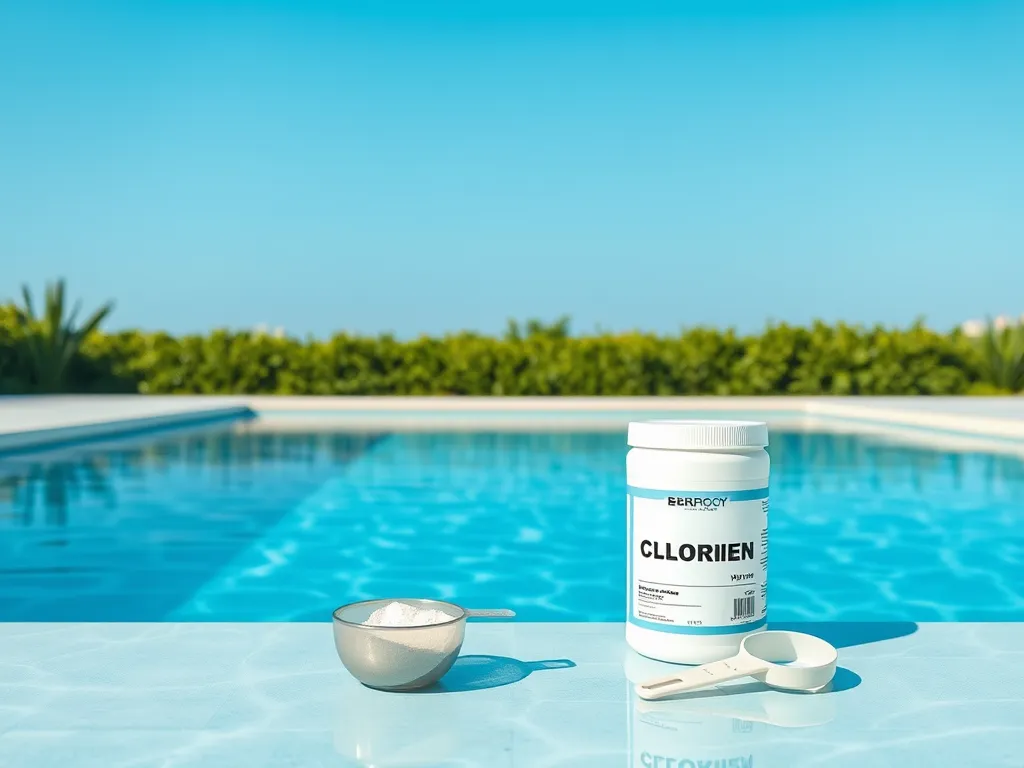
For a typical 10,000-gallon pool, use 1-2 pounds of granular chlorine (calcium hypochlorite or dichlor) to reach 5-10 ppm free chlorine. Measure current chlorine levels first: subtract existing ppm from target ppm, then multiply by 0.00013 ounces per gallon. For example, raising a 15,000-gallon pool from 1 ppm to 8 ppm requires (8-1) x 15,000 x 0.00013 = 13.65 ounces of pure chlorine. Check product labels—granular shock often contains 65-73% available chlorine. Maintaining proper chemical balance is essential for pool health. A muriatic acid pool calculator can help you determine the right amount of acid to add for pH adjustments.
Adjustments for Spas and Small Pools
Small bodies like spas (300-500 gallons) need precise dosing: 0.25-0.5 pounds per 1,000 gallons. Pre-dissolve granules in a bucket before adding to avoid concentrated pockets that bleach vinyl liners or corrode jets. Test after 4 hours—spa water reaches equilibrium faster due to higher circulation rates. For inflatable pools under 2,000 gallons, cut standard doses by 50% and brush surfaces post-application.
Summer Vs. Winter Shock Requirements
Summer demands more frequent shocking (every 1-2 weeks) with 10-30% higher doses due to UV degradation, heavy swimmer loads, and algae growth at 80-90°F. Winterization requires shocking before closing but at 25% lower quantities since cold water (below 60°F) slows chlorine dissipation. Maintain 3-5 ppm during off-season months if the pool remains uncovered.
Mastering these dosage rules ensures granular chlorine works effectively across seasons and pool types. Next, let’s explore critical safety measures to avoid equipment damage or swimmer irritation. One important aspect to consider is the relationship between chlorine and cyanuric acid. Maintaining the right balance between these two can help protect your chlorine from degradation by sunlight.
FAQs About Shocking Pools With Granular Chlorine
How Does Granular Chlorine Affect Pool Ph During Shocking?
Most granular chlorine products, especially calcium hypochlorite, temporarily raise pH by 0.2–0.4 units upon application. Always rebalance pH to 7.2–7.6 after shocking using muriatic acid or sodium bisulfate if needed.
Is Granular Chlorine Safe for Saltwater Pools?
Yes, but use calcium hypochlorite cautiously—saltwater generators already produce chlorine, so test levels first. Avoid sodium dichlor in saltwater pools, as its cyanuric acid content can reduce generator efficiency at stabilizer levels above 80 ppm. After adding any chemicals, it’s important to wait before swimming. This helps ensure that the pool water is safe and the chemicals are properly mixed.
What’s the Proper Storage Method for Granular Chlorine?
Store in original airtight containers away from sunlight, moisture, and heat (below 85°F/29°C). Keep separate from acids, fertilizers, or organic materials to prevent dangerous reactions. Never transfer granules to unlabeled containers.
How to Fix Accidental Granular Chlorine Overdose?
If chlorine exceeds 10 ppm: 1) Run pumps continuously, 2) Expose pool to sunlight (UV breaks down chlorine), 3) Add sodium thiosulfate neutralizer (follow label ratios). Retest every 4 hours until safe levels (1–3 ppm) return. Keeping the right chemicals in balance is important for a safe swimming experience. Regularly measure pool chemicals to ensure they are within the recommended ranges.
Can Granular Chlorine Be Mixed With Other Chemicals?
Never combine granules with other chemicals—pre-dissolve separately. Allow 2–4 hours between granular chlorine and algaecide applications. Avoid using with non-chlorine shock (potassium peroxymonosulfate), as they neutralize each other’s effectiveness.
Closing Thoughts
Granular chlorine works effectively for shocking pools when used correctly. It offers a convenient, cost-efficient solution—especially for spot treatments or seasonal maintenance. Pre-dissolving granules and following dosage guidelines ensures safety and prevents liner damage.
For precise chlorine calculations tailored to your pool size and conditions, try My Pool Calculator. Our tools simplify water balancing, helping you maintain crystal-clear water with minimal guesswork.
Whether tackling algae blooms or preparing for swim season, granular chlorine delivers reliable results. Just remember: test first, dissolve properly, and circulate thoroughly. Your pool will thank you.
Useful References for You:
- ASTM International – Pool & Spa Standards
- Best way to add granular shock | Trouble Free Pool
- How To Shock The Pool (Chlorinate To Breakpoint)
- Granular vs. Liquid Shock – Water Chemistry – Inyo Pool People
- Is there a way to put granular pool shock (instead of 3 inch chlorine tablets which is more expensive by the pound) into a floating chlorine dispenser to help maintain chlorine levels in a pool? – Quora
A pool care geek who’s been testing water chemistry since she was tall enough to reach the skimmer.
Chlorine, Pool Chemistry, Sanitizers