
Dry Acid Pool Calculator: Balance Your Water Easily
Published on: May 13, 2026 | Last Updated: April 13, 2025
Written By: Marcus Thornfield
A dry acid pool calculator helps you fix high pH and alkalinity levels. Dry acid (sodium bisulfate) is safer to handle than liquid acid. This tool tells you exactly how much to add based on your pool size and current water chemistry. Proper balancing prevents skin irritation and keeps your pool equipment working well.
Dry Acid Calculator
- Test your pool water with test strips
- Enter current and target pH values
- Input your pool’s total volume
- Click calculate for dosage amount
- Add acid gradually to deep end
Dry Acid Pool Maintenance: Key Factors Influencing Ph Adjustment
Managing pH levels with dry acid (sodium bisulfate) requires precision. Five variables dictate dosage requirements and treatment effectiveness. Ignoring these factors risks chemical imbalances, equipment corrosion, or swimmer discomfort. Keeping pH in the ideal range is crucial for overall water quality. Ideal pH levels help maintain a safe and comfortable environment for swimmers.
Crucial Winterizing Products
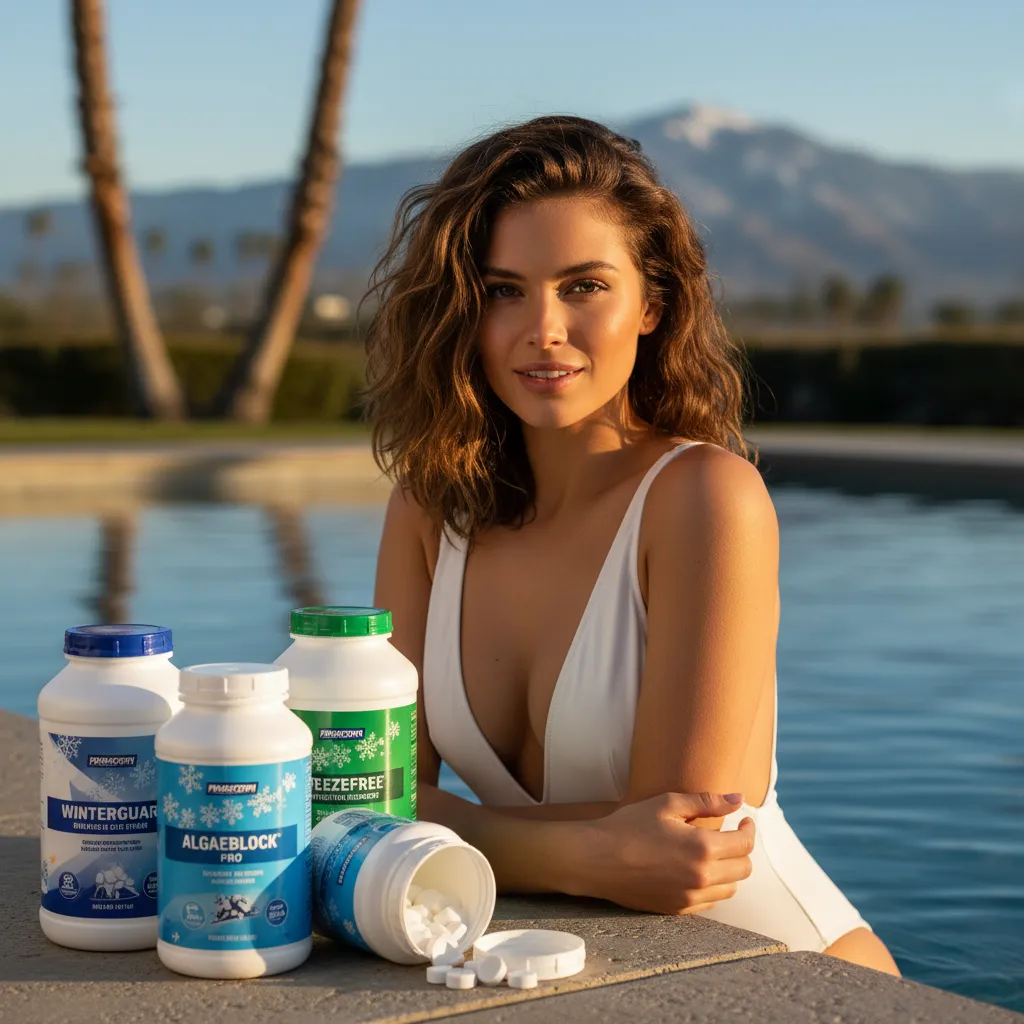
"The all-in-one solution for a guaranteed clear spring opening."
All-in-One Closing Chemical Kit
Winter demand is high - check stock

"The 'set & forget' option. This is the easiest winterizing I've ever done."
Simple 3-in-1 Winterizing Balls
Winter demand is high - check stock
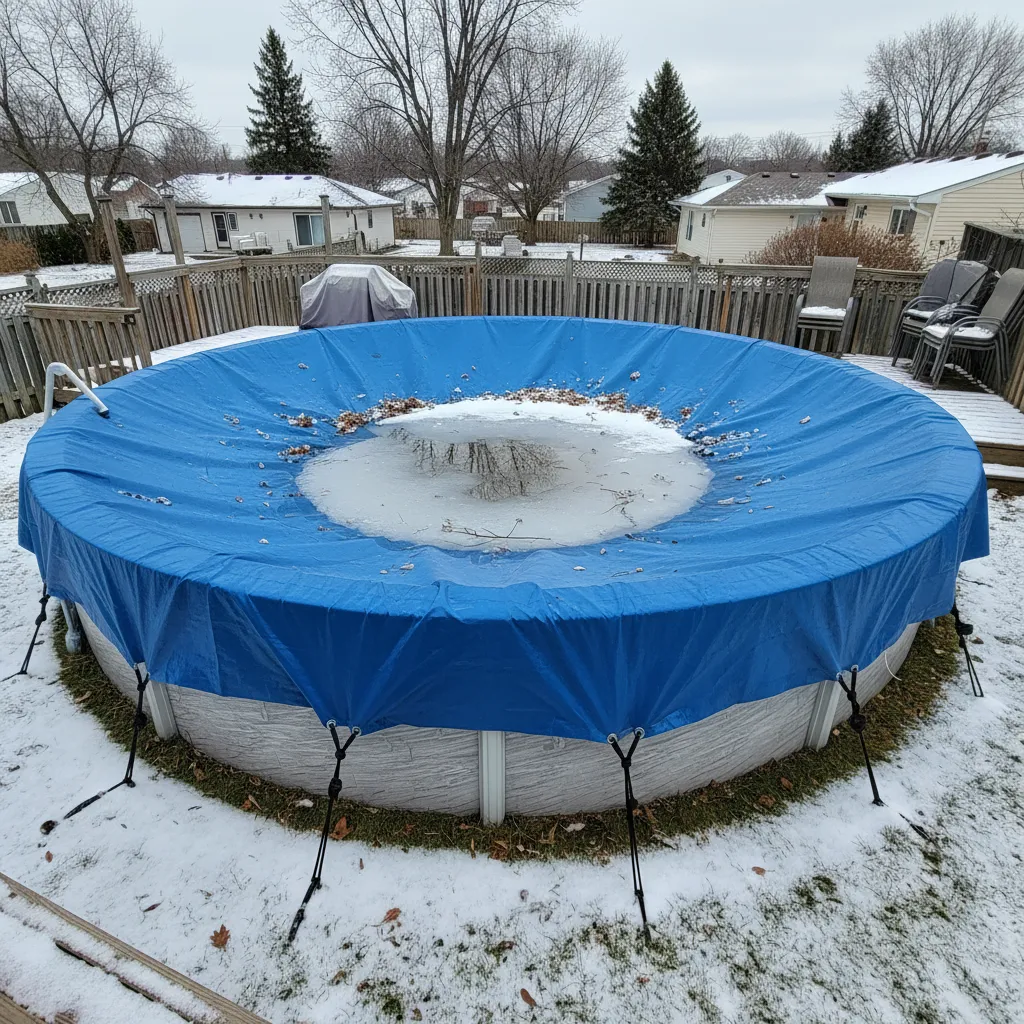
"Invest once to protect your liner and prevent a swamp in the spring."
Heavy-Duty Winter Pool Cover
Winter demand is high - check stock
Pool Volume and Water Capacity
Gallons determine dry acid quantities. Standard rectangular pools use Length × Width × Average Depth × 7.5. Freeform designs require segment measurements. Common capacities: To maintain proper chemical balance, knowing your pool’s gallon capacity is essential. You can calculate pool gallons easily with a few simple measurements.
| Pool Type | Average Gallons |
|---|---|
| Small plunge pools | 5,000-8,000 |
| Residential lap pools | 10,000-15,000 |
| Olympic-sized | 660,000 |
Underground springs or splash-out losses alter actual volume. Conduct bucket tests for irregular shapes.
Current Ph and Alkalinity Levels
pH operates on a logarithmic scale. A reading of 8.0 is ten times more alkaline than 7.0. Target range: 7.2-7.6. Total Alkalinity (TA) acts as pH’s buffer. Ideal TA: 80-120 ppm. High TA (>150 ppm) requires acid doses 20% larger than standard calculations.
Calcium Hardness and Stabilizer Impact
Calcium hardness (200-400 ppm) affects water aggressiveness. Low calcium increases corrosive potential. Cyanuric acid (CYA) above 50 ppm slows pH reduction. At 100 ppm CYA, double standard dry acid doses for equivalent pH shifts.
Temperature and Bather Load Variables
Water above 85°F accelerates pH climb. Commercial pools need 15% more frequent acid treatments. Heavy swimmer loads introduce organic acids, complicating pH predictability. Test every 4 hours during peak usage.
Dry Acid Dosage Calculations: Formulas and Field Adjustments
Standard dosage: 1.25 lbs of sodium bisulfate per 10,000 gallons lowers pH by 0.1. Real-world adjustments require multiplier tables:
| Desired pH Drop | Multiplier |
|---|---|
| 0.2 | 2.3× |
| 0.4 | 4.7× |
| 0.6 | 7.2× |
Example: Lowering pH from 8.0 to 7.4 in a 15,000-gallon pool: 7.2 × (15,000/10,000) = 10.8 oz dry acid. Always verify with titration testing post-treatment.
Chemical Interactions and Neutralization Effects
Chlorine generators elevate pH through electrolysis. Saltwater pools often need weekly 12-16 oz treatments. Combined chlorine (chloramines) create false high pH readings. Breakpoint chlorination precedes acid adjustments in these cases. It’s important to monitor pH levels regularly. A low pH pool can lead to issues like equipment corrosion and skin irritation.
Also See: How to Choose the Perfect Saltwater Generator Size

Dry Acid Safety Protocols and Handling Best Practices
- Wear ANSI-approved goggles and nitrile gloves during handling
- Store in cool, dry areas away from chlorine tablets (minimum 10 ft separation)
- Never mix with trichlor – creates toxic chlorine gas
- First aid: Flush skin contact for 15 minutes with lukewarm water
Spill management: Contain with inert absorbents like vermiculite. Neutralize residues with baking soda solution (1 cup per gallon).
Application Techniques for Optimal Ph Reduction
Pre-dissolving Dry Acid
Create slurry using 5:1 water-to-acid ratio. Use dedicated plastic buckets. Add acid to water – never reverse. Stir with wooden or polypropylene tools.
Broadcast Distribution Method
Walk perimeter while sprinkling slurry. Keep returns running. Brush entire surface post-application. Wait 4 hours before retesting.
Point Treatment for Localized Adjustments
Spot-treat areas near pH probes or chemical feeders. Use diluted solutions (10:1) for controlled micro-adjustments. Effective for spas connected to pools.
Dry Acid Vs. Muriatic Acid: Performance Comparison
| Parameter | Dry Acid | Muriatic Acid (31.45%) |
|---|---|---|
| pH Reduction Speed | 45-60 minutes | 15-20 minutes |
| TA Impact | Lowers 1.2 ppm per oz | Lowers 1.8 ppm per oz |
| Vapor Risks | None | High fumes |
| Shelf Life | 3 years sealed | 6 months opened |
Dry acid suits vinyl liners and indoor pools. Muriatic preferred for plaster surfaces needing rapid corrections.

Long-term Ph Management Strategies
Preventative Maintenance Schedule
- Daily: Skim debris, check pump pressure
- Weekly: Test pH/TA, backwash filters
- Monthly: Inspect seals, verify CYA levels
Aeration Techniques for Ph Stability
Waterfalls and deck jets raise pH naturally. Use during treatment to offset over-acidification. One hour of aeration lifts pH 0.2 without chemicals.
Troubleshooting Common Dry Acid Issues
Ph Bounce-back Phenomenon
Rapid pH rebounds indicate low TA (<50 ppm). Add 10 ppm baking soda per 0.1 pH bounce within 24 hours. Retest after 6 hours circulation.
Cloudy Water Post-treatment
Calcium precipitation from over-acidification. Check LSI index. Add 2 oz sequestering agent per 10,000 gallons. Brush walls thoroughly.
FAQs: Dry Acid Application Specifics
Can I Use Dry Acid in Saltwater Pools?
Yes, but monitor chloride levels. Salt cells generate sodium hydroxide, requiring 25% more frequent acid treatments compared to traditional pools.
Dry Acid Shelf Life and Degradation Signs
Unopened containers last 36 months. Clumping or ammonia-like odors indicate moisture contamination. Dispose via hazardous waste facilities.
Alternative Ph Reducers for Sensitive Systems
CO2 injection systems maintain pH 7.4-7.6 automatically. Initial setup costs $1,200-$2,500 but eliminate manual acid dosing.
Legal Disposal Methods for Spent Acid Containers
Triple-rinse HDPE bottles. Puncture to prevent reuse. Most municipalities accept in standard recycling – verify local codes first.
For precise chemical measurements tailored to your pool’s specific conditions, visit My Pool Calculator. Our algorithms account for 23 water chemistry variables to generate exact treatment recommendations.