
Hydrogen Peroxide Pool Dose: A Simple Guide
Published on: May 13, 2026 | Last Updated: April 13, 2025
Written By: Rachael Weatherbottom
Hydrogen peroxide helps keep pool water clean without chlorine. To use it safely, you need the right dose. This depends on your pool size, current peroxide levels, and product strength. Too little won’t work. Too much can irritate skin. We’ll show you how to calculate the perfect amount.
Pool Treatment Calculator
- Measure your pool’s total water volume
- Test current hydrogen peroxide levels
- Choose your desired concentration (50-100 mg/L typical)
- Enter your peroxide product strength (usually 35%)
Factors Influencing Hydrogen Peroxide Pool Dose
Hydrogen peroxide (H₂O₂) dosing for pools depends on variables like pool volume, contamination levels, and environmental factors. Accurate dosing prevents inefficacy or chemical imbalances. Let’s break down the core elements. Maintaining a proper balance of pool chemicals is crucial for overall water quality. Regularly checking and adjusting these levels can keep the pool safe and enjoyable for everyone.
Crucial Winterizing Products
"The all-in-one solution for a guaranteed clear spring opening."
All-in-One Closing Chemical Kit
Winter demand is high - check stock

"The 'set & forget' option. This is the easiest winterizing I've ever done."
Simple 3-in-1 Winterizing Balls
Winter demand is high - check stock
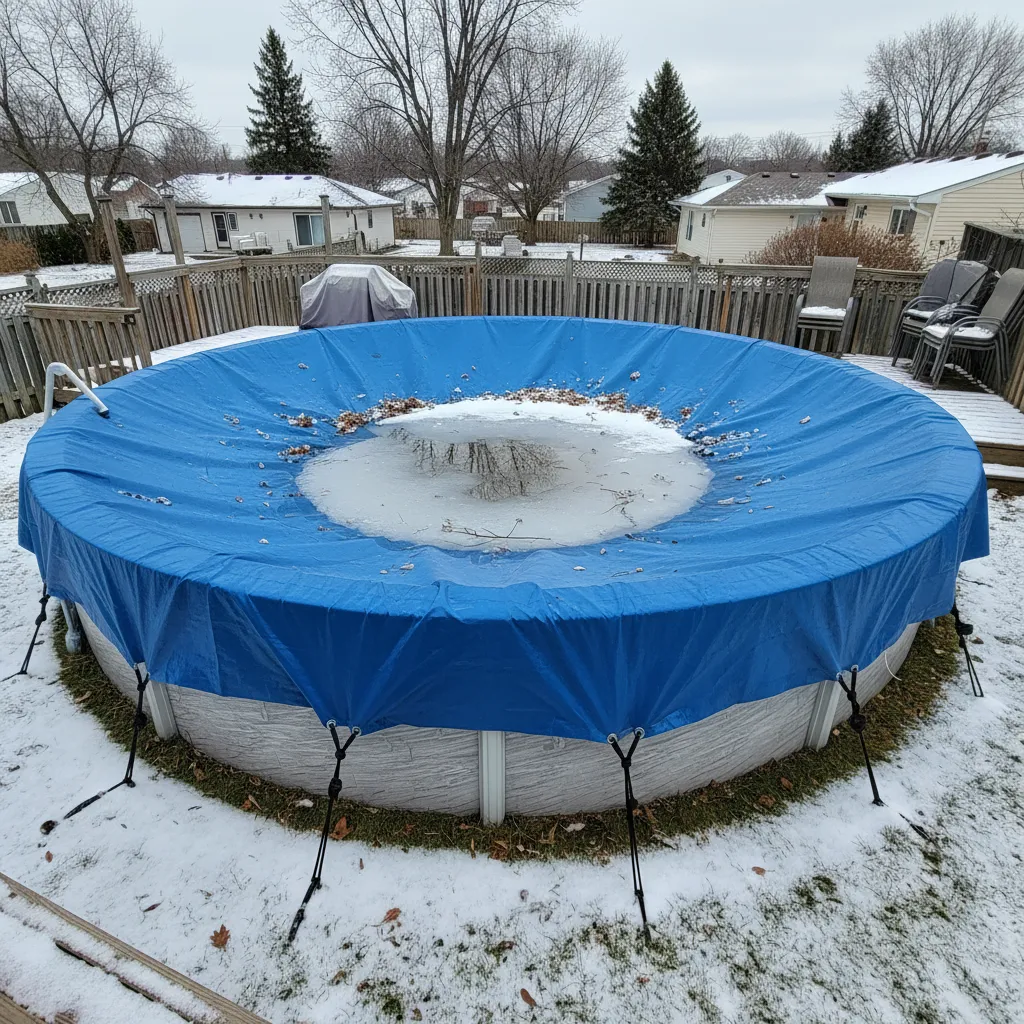
"Invest once to protect your liner and prevent a swamp in the spring."
Heavy-Duty Winter Pool Cover
Winter demand is high - check stock
Pool Volume and Current Contamination Level
Pool size directly dictates the required hydrogen peroxide quantity. For example, a 10,000-gallon pool with mild algae may need 1-2 pints of 35% H₂O₂. Heavy organic loads—like post-storm debris—demand higher doses, up to 4 pints. Measure turbidity and visible contaminants before treatment.
Hydrogen Peroxide Concentration and Ph Levels
Commercial hydrogen peroxide comes in 27%, 35%, or 50% concentrations. Higher concentrations require careful dilution to avoid liner damage or swimmer irritation. Always verify pH stays between 7.2-7.6. Elevated pH (>7.8) reduces H₂O₂’s oxidative power, necessitating 10-15% more product.
Temperature and Sunlight Exposure
Warm water (above 85°F) accelerates hydrogen peroxide decomposition. Pools in hot climates may require 20-30% more frequent dosing. UV rays from sunlight further degrade H₂O₂. Consider adding stabilizers like cyanuric acid or scheduling treatments during evening hours.
Safe Levels Of Hydrogen Peroxide in Pool Water
The EPA recommends maintaining 50-100 ppm (parts per million) of hydrogen peroxide in residential pools. Levels below 30 ppm risk bacterial regrowth, while exceeding 150 ppm may cause skin irritation or equipment corrosion. Effective management of these levels is crucial for pool maintenance. Hydrogen peroxide can also help lower chlorine levels in the water, making it a valuable tool for creating a safer swimming environment.
Testing and Monitoring Hydrogen Peroxide
Use test strips or colorimetric kits specifically calibrated for H₂O₂. Digital photometers offer ±2 ppm accuracy. Test daily during peak swim season and after heavy rainfall. For precise adjustments, visit My Pool Calculator.
Balancing Hydrogen Peroxide With Other Chemicals
- Chlorine: Never mix H₂O₂ and chlorine—this creates corrosive hydrochloric acid. Wait 48-72 hours between treatments.
- Algaecides: Quaternary ammonium compounds (quats) can coexist with H₂O₂ but may foam.
- Minerals: Copper-based systems require pH <7.4 to prevent staining.
Also See: Pool Remodel Cost Calculator for Your Dream Makeover

Step-by-step Guide to Applying Hydrogen Peroxide
Proper application ensures even distribution and minimizes waste.
Pre-dilution and Circulation Techniques
- Dilute 35% H₂O₂ with water at a 1:10 ratio in a plastic bucket.
- Pour the mixture around the pool perimeter while the pump runs.
- Brush walls and floors to prevent localized over-concentration.
Post-treatment Filter Maintenance
Hydrogen peroxide breaks down organic matter, which can clog filters. Clean cartridge filters within 6-8 hours post-shock. For DE filters, backwash until pressure drops by 5-7 PSI. Sand filters may require a 24-hour rinse cycle. Regular maintenance helps improve overall filtration. A backwash sand filter is an effective method for keeping your pool water clean and clear.
| Filter Type | Maintenance Action | Frequency After H₂O₂ |
|---|---|---|
| Cartridge | Soak in trisodium phosphate (TSP) | Every 2 weeks |
| DE | Backwash + 1 lb DE powder | Post-treatment |
| Sand | Backwash 3-5 minutes | Weekly |
Hydrogen Peroxide Vs. Traditional Pool Sanitizers
H₂O₂ offers a chlorine-free alternative but has trade-offs. Here’s a breakdown:
| Sanitizer | Cost per 10k Gallons | Residual Protection | Oxidation Power (ORP) |
|---|---|---|---|
| Hydrogen Peroxide | $15-$25 | 24-48 hours | 600-800 mV |
| Chlorine | $8-$12 | 5-7 days | 650-900 mV |
| Ozone | $1,200+ (system) | 0 hours | 1,000+ mV |
Combining Hydrogen Peroxide With Ozone
Ozone generators boost H₂O₂’s effectiveness by creating hydroxyl radicals—up to 1.5x faster algae elimination. Ideal for commercial pools or high-use residential setups. Ensure compatible materials (ozone-resistant PVC, stainless steel). Proper sanitation is crucial for clean water. Using a pool oxidizer can enhance water quality and maintain a safe swimming environment.
Maintaining a Hydrogen Peroxide-treated Pool
Long-term success hinges on proactive measures.
Managing UV Exposure
Install a solar cover or UV-resistant pool umbrella. For outdoor pools, add 1-2 oz of stabilizer per 1,000 gallons monthly. Test H₂O₂ levels every 3-4 days in summer.
Seasonal Adjustments
- Winter: Reduce doses by 40%. Maintain 30-50 ppm.
- Spring Opening: Shock with 3 pints/10k gallons and scrub surfaces.
- Leaf Fall: Skim debris daily to reduce organic load.

FAQs – Common Questions About Hydrogen Peroxide Pools
Is Hydrogen Peroxide Safe for Vinyl Liners?
At correct doses (50-100 ppm), H₂O₂ won’t damage vinyl. Avoid spills of concentrated solution—they may bleach colors.
Can Hydrogen Peroxide Treat Black Algae?
H₂O₂ struggles with black algae’s deep roots. Use a stainless steel brush + 60 ppm H₂O₂ + 0.5 ppm copper algaecide. Repeat weekly.
How Long After Adding H₂O₂ Can We Swim?
Wait 1 hour for levels to stabilize. Test with strips to confirm ≤100 ppm. For eye sensitivity, rinse with fresh water post-swim.
Does Hydrogen Peroxide Affect Saltwater Systems?
H₂O₂ is compatible with saltwater pools but may require a 15-20% higher dose. Monitor salt cells for calcium buildup.
What Neutralizes Hydrogen Peroxide Overdose?
Add sodium thiosulfate (0.5 lbs per 10k gallons) or drain 25% of the water. Retest after 4 hours.
Advanced Techniques for Stubborn Contaminants
Combine hydrogen peroxide with enzyme-based clarifiers for oils or sunscreen. Use 16 oz of enzyme treatment + 1.5x standard H₂O₂ dose. For iron stains, sequester with citric acid first.
Hydrogen Peroxide in Commercial Pools
High-traffic pools need automated dosing systems. Install peristaltic pumps calibrated to 1-2 ppm/hour. Pair with ORP controllers for real-time adjustments.
For tailored calculations, explore tools at My Pool Calculator. Adjust variables like temperature, usage, and regional water hardness.
Additional Resources for You:
- PoolPro Magazine (Industry News & Technical Articles)
- Hydrogen Peroxide Pools | SpectraLight
- 12% Hydrogen Peroxide Swimming Pool and Spa Non-Chlorine Shock-Oxidize – NaturesFreedom
- How to Use Peroxide Instead of Chlorine in a Swimming Pool
- Hydrogen Peroxide for Swimming Pools: A Chlorine-Free Solution
A pool care geek who’s been testing water chemistry since she was tall enough to reach the skimmer.
Pool Calculators, Pool Volume