
Backwash Sand Filter: A Complete Guide for Pool Owners
Published on: December 24, 2025 | Last Updated: November 17, 2025
Written By: Rachael Weatherbottom
A backwash sand filter is a pool cleaning system that traps debris in layers of specially graded silica sand. Unlike cartridge filters that need manual cleaning or diatomaceous earth (DE) filters requiring powder replacement, sand filters use reversed water flow to flush out contaminants. Backwashing clears trapped dirt by forcing water backward through the sand bed, maintaining filtration efficiency and preventing pressure buildup. This process keeps water clear, protects pump motors, and extends the filter’s lifespan by up to five years with proper care.
This guide walks through every aspect of sand filter maintenance. Learn how pressure gauges signal cleaning needs, why water flow impacts chemical distribution, and how to execute a proper backwash cycle. We’ll break down the exact steps to avoid sand channeling (uneven filtration paths) and explain why rinse cycles matter after reversing water flow. Whether you’re handling a 24-inch above-ground filter or a commercial-sized system, these principles apply.
You’ll also find troubleshooting tips for cloudy water post-backwash, fixes for air-locked pumps, and methods to calculate optimal cleaning frequency based on pool usage. We address common oversights—like forgetting to check the multiport valve gaskets—and provide cost-saving strategies to reduce annual filter media replacement. By the end, you’ll know how to maintain 1-2 PSI pressure stability, spot early signs of media degradation, and keep your pool’s water sparkling with minimal effort.
What is a Backwash Sand Filter &Amp; Why is It Important?
A backwash sand filter uses special sand to trap dirt, leaves, and tiny bits from pool water. The system flips water flow to clean itself, sending waste out through a hose. This keeps pools clear, stops clogs, and helps pumps last longer. Without this step, filters lose power, and water turns dull fast. Maintenance is key for keeping your pool in great shape. Regularly backwashing can enhance the overall effectiveness of your filtration system, making it easier to enjoy the best time run pump.
Crucial Winterizing Products

"The all-in-one solution for a guaranteed clear spring opening."
All-in-One Closing Chemical Kit
Winter demand is high - check stock

"The 'set & forget' option. This is the easiest winterizing I've ever done."
Simple 3-in-1 Winterizing Balls
Winter demand is high - check stock
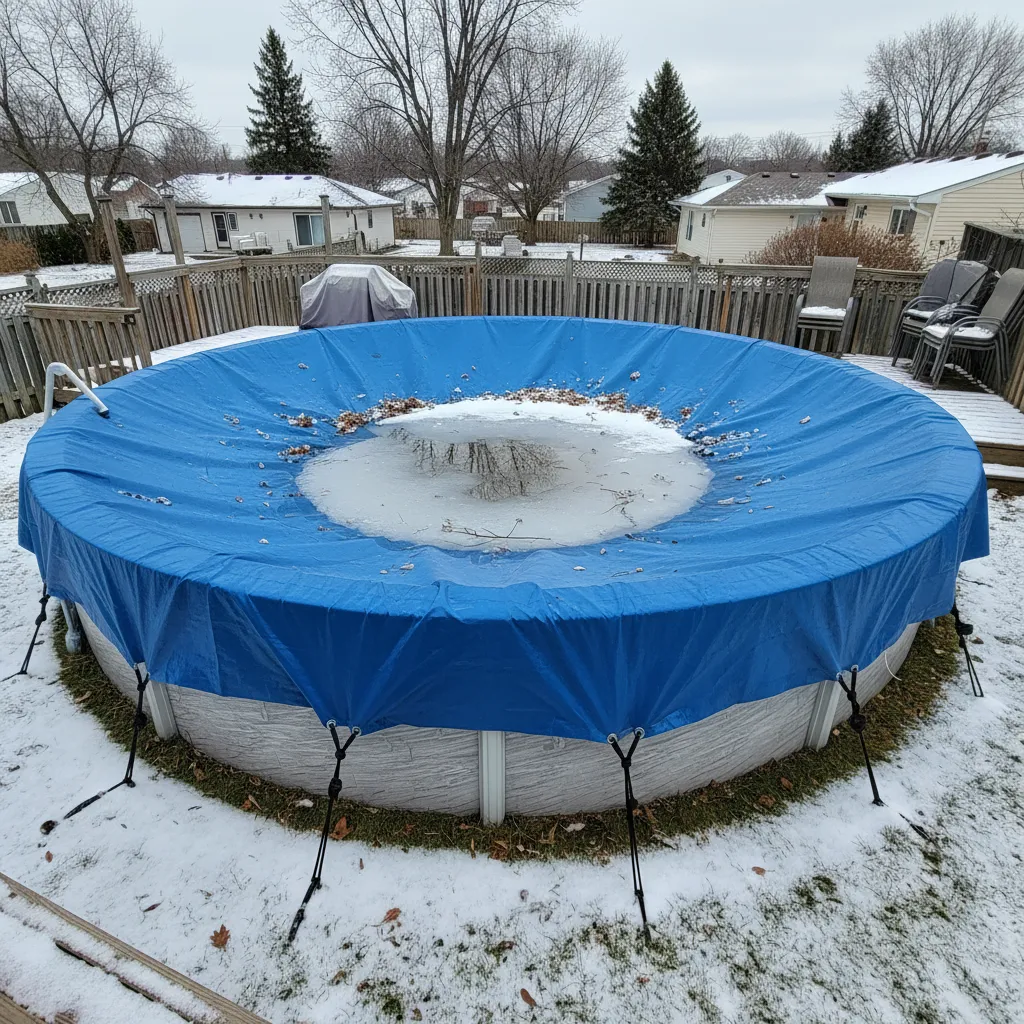
"Invest once to protect your liner and prevent a swamp in the spring."
Heavy-Duty Winter Pool Cover
Winter demand is high - check stock
How Sand Filters for Swimming Pools Work
Sand filters hold #20-grade silica sand in a tank. Water pushed by the pump flows down through the sand bed. Grains catch bits as small as 20 microns—like pollen or algae. Clean water exits through laterals (small slotted pipes) at the base. Over time, trapped grime slows flow, raising pressure by 8-10 PSI. That’s when backwashing kicks in. Maintaining a proper flow is essential for an efficient pool system. A pool pump GFCI can help protect your equipment by preventing electrical hazards.
The Role Of Backwashing in Pool Sand Filtration
Backwashing reverses water flow to blast dirt out of the sand. The multiport valve switches to “backwash” mode, sending water upward. This lifts and spins sand grains, shaking off debris. Dirty water flushes out the waste line. After 2-3 minutes, the sand settles clean. Rinsing for 30 seconds resets the bed for normal filtering.
Consequences Of Not Backwashing Your Sand Filter
Skip backwashing, and pressure climbs past 10 PSI over normal. The pump strains, risking cracks in seals or hoses. Sand clumps form channels, letting dirt slip through—cloudy water follows. In bad cases, clogged laterals force sand into the pool. Fixing this costs $100-$300 for new parts or media. Worse, algae may bloom if filtration fails.
Spotting these warning signs early can prevent bigger issues down the line. Let’s explore key clues your filter needs care.
Key Signs Your Sand Filter Needs Backwashing
Recognizing when your sand filter requires backwashing prevents equipment strain and maintains water quality. Three primary indicators signal it’s time for maintenance.
Reduced Water Clarity
Cloudy or hazy pool water often means trapped debris overwhelms the sand bed. Sand filters for swimming pools capture particles as small as 20 microns. When the media becomes saturated, microscopic contaminants bypass the filter, reducing clarity. Persistent turbidity after routine skimming or vacuuming confirms the need for a sand filter backwash. Clear water is essential for enjoying time in the pool, especially in bubble pools. These special pools create fun and relaxing bubbles that enhance the swimming experience.
Increased Pressure Gauge Readings
A pressure spike of 8-10 PSI above baseline signals restricted flow. Clean sand filters operate between 10-15 PSI. As dirt accumulates, resistance builds, forcing the pump to work harder. Ignoring high-pressure warnings risks pump motor burnout or cracked lateral assemblies. Track readings weekly using a calibrated gauge for accuracy. Maintaining the right flow in your pool is crucial for its overall health. Proper pool cover size can help reduce debris and keep your filter running efficiently.
Poor Pool Water Circulation
Weak return jets or stagnant areas indicate clogged filter media. Reduced flow prevents proper chemical distribution, inviting algae blooms. If brushing the pool floor stirs visible debris clouds but the filter fails to clear them within 24 hours, initiate a backwash sand filter cycle immediately. Keeping the pool filter clean is important to maintain proper water flow. This helps ensure that leaks are identified early before they become a bigger problem.

Tools &Amp; Preparation for Sand Filter Backwash
Proper setup ensures efficient cleaning and minimizes risks. Gather these items before starting your sand filter backwash procedure.
Essential Equipment for Backwash Pool Filter Maintenance
You’ll need a heavy-duty backwash hose (1.5-inch diameter recommended), multiport valve lubricant, and a flat-head screwdriver for valve adjustments. For above-ground pools, secure a hose clamp to prevent disconnections during high-pressure flow. Keep a pool-grade pressure gauge handy to verify post-backwash PSI levels. After ensuring your pool system is working properly, consider the benefits of aerating the pool. Aeration helps improve water quality by increasing oxygen levels, which can enhance the overall swimming experience.
Safety Precautions Before Starting
Turn off the pump at the circuit breaker to avoid accidental startups. Route the backwash hose downhill, ensuring wastewater drains at least 15 feet from the pool to prevent contamination. Check local regulations—some areas prohibit discharging pool water into storm drains. Wear closed-toe shoes; backwash flow rates up to 35 GPM can dislodge debris rapidly. Keeping the pool clean is important, especially when preparing for other activities. An airbrush tan pool can enhance the overall experience, making it perfect for sunbathing and relaxation.
With tools ready and safety measures in place, you’re set to execute the sand filter backwash step-by-step process effectively.
Also See: Does Water Seep Through Pool Covers? Learn More Here
Step-by-step Sand Filter Backwash Procedure
Follow these steps to clear trapped dirt from your sand filter and restore water flow. Proper technique prevents sand loss and keeps your pool clean.
Step 1: Turn Off the Pool Pump
Shut off the pump using the power switch. Never adjust valves or hoses with the pump running – it risks damage to seals or plumbing lines.
Step 2: Set Multiport Valve to Backwash Mode
Rotate the valve handle (common models: Push-Pull, Top-Mount) to “Backwash.” This reverses water flow through the filter tank, flushing debris out.
Step 3: Attach and Secure Backwash Hose
Connect a hose rated for pool use to the waste port. Ensure tight seals with clamps – leaks can spray dirty water onto decks or plants.
Step 4: Restart Pump and Monitor Water Flow
Power on the pump. Watch the sight glass: initial dark water means trapped grime. Run until water clears – typically 2-3 minutes.
Step 5: Rinse Cycle to Clear Residual Debris
Switch the valve to “Rinse” for 30 seconds. This resets sand bed layers and removes leftover dirt from filter lines.
Step 6: Return to Normal Filter Operation
Turn the valve to “Filter,” restart the pump, and check pressure. A 8-10 PSI drop confirms successful sand filter backwash cleaning.
How Long &Amp; How Often to Backwash Sand Filters
Timing impacts both water quality and sand life. Over-backwashing wastes water; under-doing it strains the system.
Ideal Backwash Duration for Pool Sand Filters
Run backwash cycles until water runs clear in the sight glass. Most pools need 2-3 minutes. For heavy debris or algae blooms, extend to 4-5 minutes.
Factors Influencing Backwash Frequency
- Pool use: Daily swimmer loads mean weekly backwashing
- Weather: Pollen storms or rain require extra cycles
- Filter size: Small 16″ tanks clog faster than 24″ models
Guidelines for Above-ground Pool Sand Filters
Compact systems (under 18″ wide) need 1.5-2 minute cycles every 7-10 days. Check pressure gauges – if it hits 15 PSI over start level, backwash now.
Troubleshooting Common Backwash Sand Filter Issues
Spot problems early to avoid costly repairs. Most fixes take under 30 minutes with basic tools.
Low Suction After Backwashing
Check for clogged skimmer baskets or blocked pump strainers. If flow stays weak, inspect laterals for cracks – broken ones let sand enter pool lines.
Persistent Dirty Water During Backwash Cycle
Sand may be channeled (hardened paths). Use a filter cleaner like Aqua Silkener. For 5+ year old sand, full media replacement solves 89% of cases.
Air Bubbles in Pool Post-backwash
Prime the pump by filling the basket housing with water. Check O-rings on the valve – worn ones suck air. Lubricate with silicone grease.
Valve Leaks or Malfunctions
Leaks at the valve base signal worn spider gaskets ($12-$25 part). For stuck handles, clean internal parts with white vinegar and a nylon brush.
While these fixes handle most issues, some problems need deeper care. Up next: pro tips to boost your sand filter backwash routine and cut maintenance time.

Advanced Maintenance Tips for Sand Filters
Mastering your sand filter backwash routine extends beyond basic cleaning. These pro strategies boost performance, extend equipment life, and maintain crystal-clear water year-round. Additionally, it’s important to consider how water circulation impacts overall pool health. An above ground pump can work effectively in conjunction with your sand filter, ensuring optimal water flow and clarity.
Optimizing Your Sand Filter Backwash Routine
Pressure gauges serve as your primary indicator, but smart pool owners track multiple metrics. For systems using #20-grade silica sand, aim for backwashing when pressure climbs 8-10 PSI above clean levels. Combine this with flow rate checks—a 25% reduction signals trapped debris. During peak swim season with heavy use, shorten cycles to every 4-6 days instead of weekly. Always note water clarity post-backwash; murkiness persisting beyond 30 seconds warrants longer rinse cycles. If these signs appear, it might indicate a bad pool pump. Regularly checking these indicators can help you determine if your pool pump needs replacement or repair.
When to Deep Clean or Replace Filter Media
Even with proper sand filter backwash procedures, media degrades over time. Perform chemical cleans annually using trisodium phosphate (TSP) solutions to dissolve oils and mineral deposits. If flow rates drop 40% below spec or sand appears clumped, replacement becomes necessary. Most 24-inch tanks require 250-300 lbs of fresh #20 silica sand every 5-7 years. Watch for “channeling paths” visible during inspection—a telltale sign of compacted or aged media needing attention. Broken laterals or cracked manifolds demand immediate parts replacement to prevent sand entering pool returns. Exploring alternative pool solutions, such as saltwater systems, can also help reduce maintenance issues. Starting a salt pool startup might offer innovative options for pool owners seeking a more efficient and enjoyable swimming experience.
Preventing Sand Channeling Issues
Channeling occurs when water carves paths through the filter bed, bypassing proper sand filtration. Combat this by manually raking the top 6 inches of media quarterly. Ensure proper sand depth matches manufacturer specs—typically 2/3 full for most above-ground models. Upgrade to zeolite blends if battling fine particles under 20 microns. For systems prone to frequent channeling, install a secondary strainer basket before the pump to catch larger debris. Always maintain correct water chemistry; pH levels above 7.8 accelerate sand clumping.
Proper care of your backwash sand filter ensures peak performance through multiple swim seasons. Next, let’s tackle common operational hiccups that might still occur despite meticulous maintenance.
FAQs About Sand Filter Backwashing
Can You Backwash a Cartridge Filter System?
No—cartridge filters operate differently and lack a multiport valve for flow reversal. Instead of backwashing, you manually remove and hose down pleated fabric cartridges. For deep cleaning, soak them in trisodium phosphate (TSP) solutions. Attempting to force backwash mode on cartridge systems risks damaging their non-reversible internal structure.
How to Handle Forgetting the Rinse Cycle
Skipping the rinse cycle leaves residual debris in filter lines, often causing sand particles or cloudy water to re-enter the pool. Immediately shut off the pump, set the valve to “Rinse,” and run for 60 seconds. Inspect the pool returns for debris—if visible, repeat the full backwash sand filter process with emphasis on steps 5-6 to reseat the media. To keep your pool clean and clear, it’s important to consider how water circulates. A recirculate pool pump can help improve water movement and filtration in your pool.
Best Practices for Small Vs Large Sand Filters
Small filters (16-18”) require backwashing every 7-10 days due to limited sand capacity, but limit cycles to 2 minutes to prevent media loss. Large systems (24”+) can go 2-3 weeks between cycles but need 4-5 minute rinses to clear expanded sand beds. Always maintain flow rates below 20 GPM/sq.ft for small units and 15 GPM/sq.ft for commercial models to avoid channeling. Proper maintenance of the filter can extend the overall lifespan of your pool equipment. This includes caring for components like the salt cell, which also benefits from regular attention to ensure longevity.
Addressing Above-ground Pool Specific Concerns
Above-ground filters demand angled backwash hose routing to prevent kinks on uneven surfaces. Use weighted hose clamps for secure connections during high-pressure cycles. In freezing climates, winterize by blowing out residual water with an air compressor (max 15 PSI) after backwashing. Elevate the filter 6” off the ground to avoid soil contamination from drainage.
Closing Thoughts
Proper backwashing keeps your sand filter running efficiently, ensuring crystal-clear pool water all season. Regular maintenance prevents pressure buildup, extends equipment life, and reduces chemical costs by up to 20%. Remember to monitor pressure gauges weekly and backwash when readings rise 8-10 psi above normal.
For quick calculations on backwash frequency, filter sizing, or flow rates, try our free tools at My Pool Calculator. The site offers instant solutions for sand filter troubleshooting, chemical balancing, and energy-saving tips tailored to your pool’s specifications.
Consistent care makes all the difference. A well-maintained sand filter can last 7-10 years with proper backwashing and annual media checks. Keep your swim season stress-free by making backwash routines a priority.
Useful References for You:
- American National Standards Institute (ANSI). (2020). ANSI/PHTA Standards for Residential Swimming Pools. New York, NY: ANSI.
- How to backwash a pool sand filter.
- How to Backwash a Sand Filter for a Super Clean Pool
- Backwash Your Pool Filter | Aqua Blue Pools
- Backwash for the Sand filter pump – INTEX COMPANY
A pool care geek who’s been testing water chemistry since she was tall enough to reach the skimmer.
Filters, Pool Equipment Repair, Sand Filters