
Pool Auto-fill Calculator: Keep Your Water Level Perfect
Published on: April 14, 2025 | Last Updated: April 13, 2025
Written By: Lila Fairholme
A pool auto-fill calculator helps you determine how much water your pool needs daily to stay full. Pools lose water from evaporation, splashing, and backwashing. Automatic fill systems add water as needed. This tool calculates your required refill rate (in gallons per day) based on pool size and local weather conditions. Just enter three simple values below!
Pool Auto-fill Calculator
How to Use
- Enter your pool’s total water capacity
- Estimate daily water loss (usually 0.25″-0.5″)
- Enter local average rainfall if applicable
Note: This calculates basic needs. Always consult a professional for complex pools.
Crucial Winterizing Products

"The all-in-one solution for a guaranteed clear spring opening."
All-in-One Closing Chemical Kit
Winter demand is high - check stock

"The 'set & forget' option. This is the easiest winterizing I've ever done."
Simple 3-in-1 Winterizing Balls
Winter demand is high - check stock
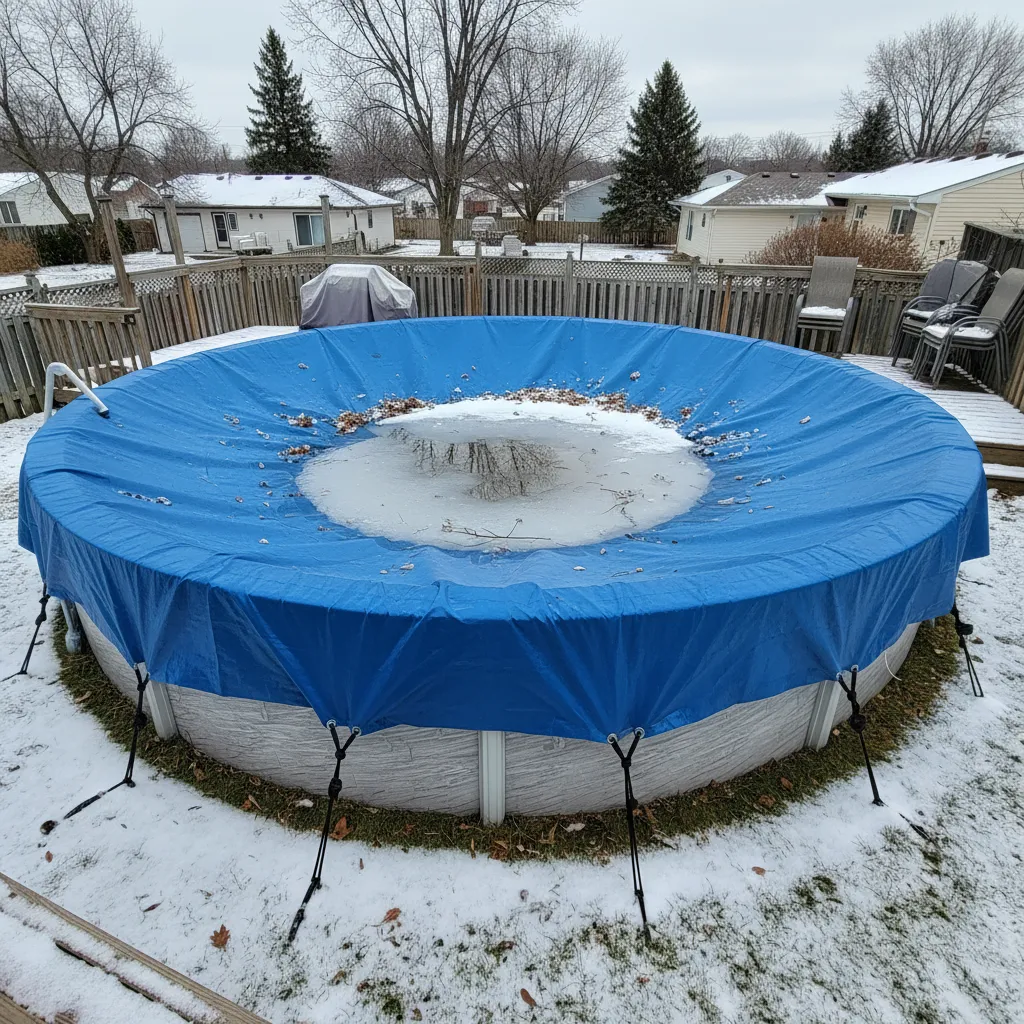
"Invest once to protect your liner and prevent a swamp in the spring."
Heavy-Duty Winter Pool Cover
Winter demand is high - check stock
Factors Influencing Pool Auto-fill System Costs
Pool auto-fill systems maintain water levels automatically, but installation and operational costs vary. Five primary factors determine pricing: pool size, local climate, system type, water rates, and installation complexity. Let’s dissect each. Additionally, when filling a pool, there are other costs to consider, such as hiring a water truck. Knowing the expenses associated with a water truck fill can help with overall budgeting for your pool setup.
Pool Size and Volume
Larger pools require more powerful auto-fill mechanisms. A 15,000-gallon pool may need a 1.5 GPM (gallons per minute) valve, while a 30,000-gallon pool often uses a 3 GPM system. Material costs rise with pipe length and sensor quantity. For example, concrete pools often need reinforced PVC piping ($2.50-$5.00 per linear foot), increasing labor hours. The costs associated with these automated systems can vary greatly depending on the pool’s size and the complexity of the installation. Investing in automated pool valves not only enhances convenience but can also lead to long-term savings in water and maintenance costs.
Climate and Evaporation Rates
High-evaporation regions like Arizona or Texas demand frequent refills. Systems in these areas work 30-50% harder, requiring heavy-duty components. A digital pressure sensor ($120-$200) outperforms basic float valves ($40-$80) in arid zones but increases upfront costs.
System Type: Mechanical Vs. Digital
- Mechanical Float Systems: $150-$400. Simple, but prone to mineral buildup.
- Digital Smart Systems: $600-$1,200. Include Wi-Fi connectivity and leak detection.
Water Source: Municipal Vs. Well
| Source | Cost Per 1,000 Gallons | Installation Complexity |
|---|---|---|
| Municipal | $4.00-$10.00 | Easy (direct line tie-in) |
| Well | $0.50-$2.00 | Moderate (requires pump calibration) |
Labor and Permits
Installing an auto-fill system typically takes 8-12 hours for a professional. Labor rates range from $75-$150/hour. Permits add $100-$300, depending on local regulations.
Types Of Auto-fill Sensors and Their Costs
Sensors detect water levels and trigger refills. Choosing the right type affects accuracy and long-term expenses.
Float Valves
The most basic option. A plastic float rises or falls with water levels, opening/closing a valve. Susceptible to sticking in hard water. Replacement floats cost $15-$30 annually. When considering various equipment for pools, it’s important to account for long-term expenses. Endless swim pumps can bring added benefits, but their costs can vary widely depending on the model and installation needs.
Pressure Sensors
Measure hydrostatic pressure to determine water depth. More precise than floats, with a 0.5-inch accuracy margin. Average lifespan: 5-7 years. Costs: $90-$220 per sensor.
Optical Sensors
Use infrared beams to detect water levels. Unaffected by debris or mineral deposits. Ideal for saltwater pools. Prices start at $250, with calibration needed every 2-3 years ($80/service). Maintaining the right water level is essential for pool care. A pool auto fill water calculator can help you determine the amount of water needed for your specific pool size.
Also See: Pump Run Time Calculator: Optimize Your Pump’s Time

Cost Breakdown by Pool Size
Auto-fill expenses scale with pool dimensions. Below are estimates for common sizes.
Small Pools (10,000-15,000 Gallons)
- Float valve system: $200-$500
- Digital system: $700-$1,000
- Annual water cost (municipal): $120-$300
Medium Pools (16,000-30,000 Gallons)
- Pressure sensor system: $900-$1,800
- Annual maintenance: $150-$250
- Water top-ups: 5,000-8,000 gallons/year
Large Pools (31,000-50,000 Gallons)
- Dual-sensor digital systems: $2,000-$3,500
- High-flow valves (5-8 GPM): $400-$700
- Evaporation shields recommended
Regional Cost Variations
Geography impacts water rates and labor fees. Compare these averages:
| Region | Avg. Water Rate/1k Gal | Labor Cost/Hour |
|---|---|---|
| Southwest | $8.50 | $85-$130 |
| Midwest | $5.75 | $70-$110 |
| Northeast | $9.20 | $90-$150 |
Advanced Features and Upgrades
Modern systems offer add-ons that enhance efficiency but raise initial costs.
Leak Detection Integration
Smart controllers like Pentair IntelliFlo ($1,200-$1,800) monitor flow rates. Alerts trigger if usage exceeds preset thresholds (e.g., >20 GPM for 2 hours).
Weather-responsive Programming
Systems sync with local forecasts via apps, reducing refills before rain. Requires a $200-$400 Wi-Fi module.
Solar-powered Sensors
Eliminate wiring hassles. Ideal for pools without nearby electrical outlets. Costs: $300-$600 per sensor array.
Maintenance and Long-term Costs
Auto-fill systems need periodic servicing to prevent malfunctions.
- Annual Inspection: $100-$200. Checks valve operation and sensor calibration.
- Sensor Replacement: Every 5-10 years. Optical sensors last longer than floats.
- Water Testing: Auto-fill systems can dilute chemical balances. Test pH weekly.
FAQs: Pool Auto-fill Systems
Can I Install an Auto-fill System Without a Well?
Yes. Municipal hookups are standard. Well-based systems require a 1-2 HP pump ($800-$2,000) to maintain 40-60 PSI.
Do Auto-fill Systems Work With Saltwater Pools?
Optical or pressure sensors are recommended. Salt corrodes metal float components within 3-5 years.
How Much Water Does a Pool Lose Daily?
Average evaporation: 0.25-0.5 inches daily. Wind and humidity cause fluctuations. Covering pools reduces loss by 50-70%.
Are Permits Required for Installation?
Most regions require plumbing permits ($75-$300). Electrical permits ($50-$200) apply for digital systems.
Can Auto-fill Systems Overfill a Pool?
Faulty sensors or stuck valves can cause overflow. Install an overflow drain ($250-$500) as a safeguard.
Reducing Auto-fill Expenses
Proactive measures lower water and repair costs.
- Use a pool cover to cut evaporation by 30-50%.
- Set sensors to maintain levels 1 inch below the coping.
- Flush valves annually to prevent scale buildup.
Choosing a Reliable Installer
Follow these steps to vet contractors:
- Verify state plumbing licenses and liability insurance.
- Request itemized quotes (parts, labor, permits).
- Ask for references with pools similar to yours.
For region-specific pricing or component comparisons, explore detailed guides at My Pool Calculator.
Additional Resources for You:
- ASTM International – Pool & Spa Standards
- LevelSmart Wireless Autofill: Worlds most reliable pool filler! – Kona Labs Manufacturing and Sales
- Swimming Pool Fill Dirt Calculator – My Site Plan
- Basic Pool Plan Review Calculations sheet
- Amazon.com : Fill-O-Matic Premium Automatic Pool Water Leveler : Patio, Lawn & Garden