Does a Sand Filter Pool Need Chlorine?
Published on: March 4, 2026 | Last Updated: November 17, 2025
Written By: Rachael Weatherbottom
Yes, a sand filter pool still requires chlorine to stay safe and clean. Sand filters physically trap debris like leaves and dirt but cannot kill bacteria or break down organic matter. Chlorine sanitizes water by destroying harmful germs (pathogens) and preventing algae growth. Even with a sand filter, you must maintain chlorine levels between 1-3 parts per million (ppm) for healthy swimming conditions.
This article explains why chlorine remains vital for pools with sand filters. You’ll learn how filtration and sanitation work together, what happens when chlorine levels drop too low, and how to balance both systems effectively. We’ll also cover saltwater pools (which make chlorine from salt), alternative sanitizers like UV light, and common myths about pool care.
By the end, you’ll know exactly how to keep your sand filter pool crystal clear without compromising safety. Discover why skipping chlorine leads to green water and health risks, how to test levels correctly, and whether newer technologies can reduce chemical use. Let’s dive in.
Do Sand Filter Pools Require Chlorine?
Sand filtration systems play a vital role in trapping dirt, leaves, and small particles from pool water. But physical filtration can’t tackle invisible threats. Without a sanitizing agent, pools turn into breeding grounds for harmful organisms, no matter how strong a sand filter runs. When discussing pool maintenance, it’s also important to consider Replacing pool lights can affect both visibility and safety, with costs that vary depending on the type and installation required.
Crucial Winterizing Products
"The all-in-one solution for a guaranteed clear spring opening."
All-in-One Closing Chemical Kit
Winter demand is high - check stock

"The 'set & forget' option. This is the easiest winterizing I've ever done."
Simple 3-in-1 Winterizing Balls
Winter demand is high - check stock
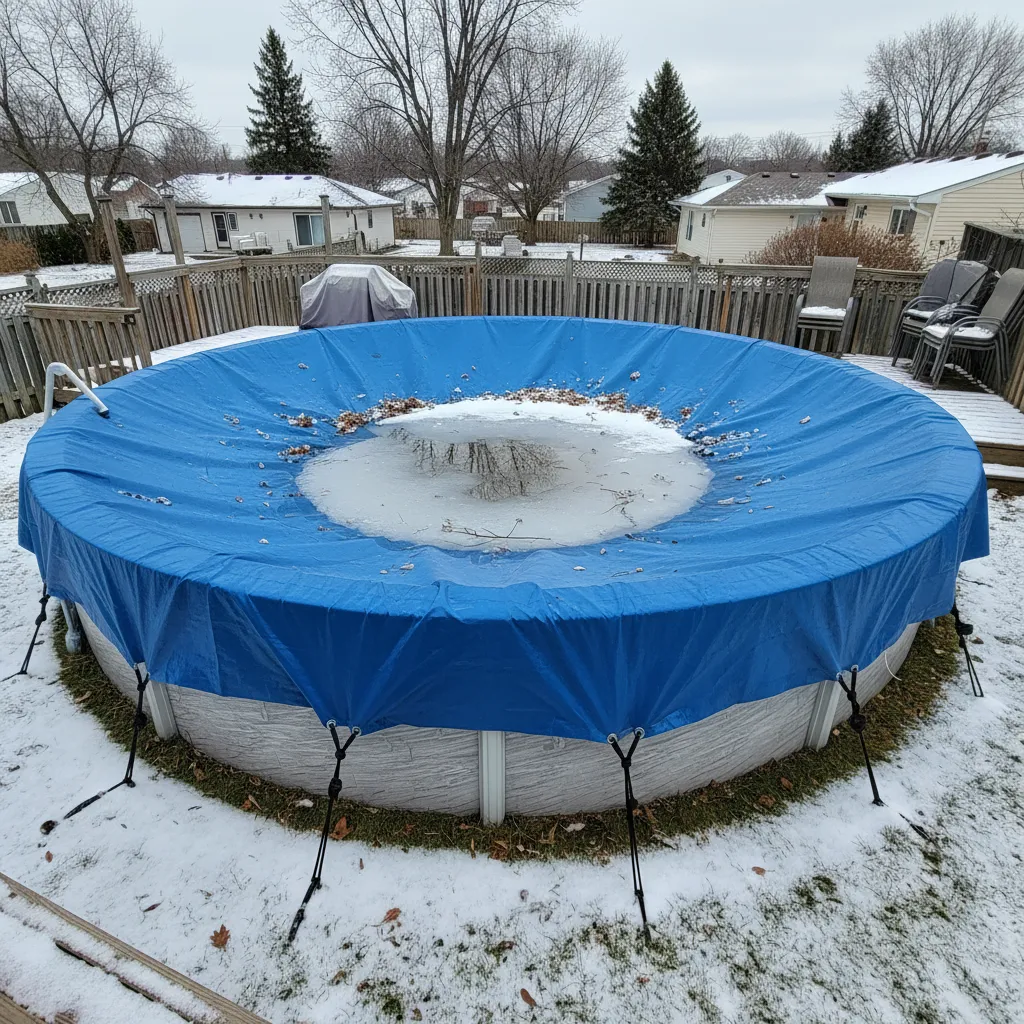
"Invest once to protect your liner and prevent a swamp in the spring."
Heavy-Duty Winter Pool Cover
Winter demand is high - check stock
Understanding the Relationship Between Filtration and Sanitation
Sand filters work by pushing water through a bed of #20-40 silica sand, catching debris as small as 20 microns. This process clarifies water but doesn’t attack bacteria, viruses, or algae spores. Chlorine acts as a chemical barrier, disrupting cell walls of pathogens and breaking down oils from swimmers. Think of filtration as removing “what you see” and sanitation as handling “what you don’t.”
Why Sand Filters Alone Can’t Replace Chlorine
Microorganisms like Cryptosporidium (as small as 3-5 microns) slip through sand media. Chlorine’s oxidation capacity also tackles sweat, urine, and cosmetics that filters miss. Without it, organic buildup clouds water and fuels algae within hours. A study by the CDC found pools lacking proper sanitization had a 72% higher risk of spreading recreational water illnesses (RWIs). Sand filtration lacks this protective chemistry, making chlorine non-negotiable for safety.
Moving forward, let’s unpack how chlorine targets specific threats lurking in pool water—even with a top-tier sand filter in place.
Why Pools Need Chlorine for Safe Swimming
Chlorine keeps pool water safe by tackling risks sand filters can’t handle alone. Let’s break down how it works.
Chlorine’s Role in Killing Bacteria and Pathogens
Chlorine attacks germs like E. coli and salmonella in seconds. These pathogens, which cause swimmer’s ear or stomach bugs, slip through sand filters. A CDC study shows 1-3 ppm (parts per million) of free chlorine kills 99.9% of germs in under 10 minutes.
Oxidation Of Organic Contaminants
Sweat, sunscreen, and leaves add waste to water. Chlorine breaks these down through oxidation—a chemical reaction that stops cloudy water and slimy surfaces. Without it, organics build up, forcing filters to work harder and raising costs by up to 30%.
Preventing Algae Growth
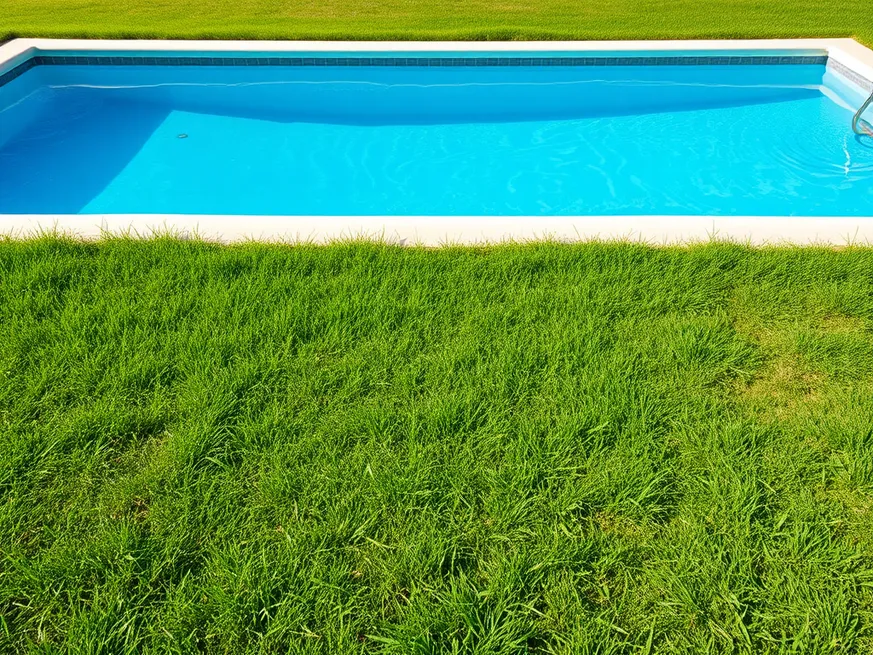
Algae spores float in from wind, rain, or swimsuits. Chlorine stops them from sticking to walls or multiplying. Green pools often start when chlorine drops below 1 ppm. A single algae bloom can take 2-4 days to clear, requiring 5x the normal chlorine dose. However, the chemicals used to treat pool water can also cause damage to nearby grass. High chlorine levels can lead to browning and even death of the grass if the water is spilled or splashed onto it.
How Sand Filters and Chlorine Work Together
Sand and chlorine form a team—one traps debris, the other zaps germs. Here’s why both matter.
Filtration Vs. Sanitation: Complementary Roles
Sand filters catch dirt as small as 20 microns (think human hair). But chlorine sanitizes at the molecular level, wiping out particles 0.1-10 microns wide. Think of it like a net (filter) and a shield (chlorine) for clean water. When the sand filter gets clogged, it needs to be cleaned to work effectively. A backwash sand filter reverses the flow of water to remove trapped dirt and keep the system running smoothly.
Limitations Of Sand Filters in Removing Microorganisms
Even top sand filters miss 90% of germs. Viruses like hepatitis A are 0.03 microns—500x smaller than what filters trap. Chlorine fills this gap, keeping water safe for kids, pets, and swimmers with weak immune systems.
While sand filters handle the dirt you see, chlorine tackles the threats you don’t. Next, let’s explore what happens when this balance breaks down.
Also See: Can You Put Algaecide in a Saltwater Pool?
What Happs if You Don’t Use Chlorin in a Pool?
Sand filtration works to catch dirt and particls, but it can’t stop invisisbl threats. Skipping chlorin in a pool turns it into a risky spot for swimmers and a hub for nasty stuff you can’t spot right away.
Rapid Alga Bloom Dvlopmnt
Without chlorin, alga spores multiply fast—sometimes in just hours. A sand filter traps alga but can’t kill it. Alga growth turns walls slimy, tints water grn, and clogs filter sand, cutting its flow by up to 50% in days. Shock treatments might fix it, but prventing it costs less.
Highr Risk Of Sickness From Water
Chlorin zaps germs like E. coli, Crypto, and Giardia. Sand filters can’t grab microorganisms as small as 20-25 microns. Swallowing untreated pool water may bring stomach bugs, rashes, or lung irritation. Public pools must follow CDC rules (1-3 ppm chlorin) to avoid outbreaks. Keeping the right balance of chemicals is important for pool safety. One key aspect is to check the salt level to ensure proper chlorination.
Cloudy Water and Bad Sight
Orgamic stuff—sunsctrn, sweat, skin cells—floats in water, making it murky. A sand filter clars particls down to ~20 microns, but chlorin oxidizs tinir bits. Without it, water looks foggy fast. Total Dissolvd Solids (TDS) climb past 1,500 ppm, forcing a drain-and-fill.
Chlorin Upkp for Sand Filter Pools
Balancing chlorin isn’t hard, but it’s a must-do. Sand filtres work hand-in-hand with this chmical to keep H2O crisp and safe.
Right Chlorin Lvls for Good Water
Aim for 1-3 ppm frr chlorin. Too low (undr 1 ppm), and alga thrives. Too high (ovr 5 ppm), and swimrs get itchy skin. Cyanuric acid (CYA) acts as a sunshild—keep it 30-50 ppm. High CYA (>100 ppm) locks up chlorin, making it 80% lss strong.
| Condition | Chlorin Action |
|---|---|
| Daily Upkp | Add 3 oz liqid chlorin pr 10k gal |
| Post Rain | Test, adjust to 3 ppm |
| Alga Outbrk | Shock with 10x normal dos (30 ppm) |
Testing and Fixing Chlorin Right
Dip test strips daily or us a DPD kit for accurat nums. If lvls dip, add trichlor tabs (slow rlse) or cal-hypo granuls (fast fix). For salt pools, chck salt lvls (3,000-4,000 ppm) to avoid chlorin dips.
Shock Trtmnts With Sand Filtrs
Shocking (10-30 ppm chlorin) kills organics sand filtres miss. Run th filter non-stop for 8 hours post-shock. Backwash sand if prssur jumps 8-10 psi. Calcium hypochlorit (65% chlorin) works best—1 lb pr 10k gal. Avoid shocking in sunup hours; UV rays burn off 90% of chlorin in 2 hours.
Salt H2O Pools and Chlorin Making
Salt systms turn NaCl into chlorin through a procss calld lysis. But do thay cut out chlorin compltly? Not quite.
How Salt Machins Mak Chlorin
A salt chlorinator uss 3,000-4,000 ppm salt and a titanium grid to split NaCl into sodium hypochlorit (chlorin) and H2 gas. This maks 0.5-1 ppm chlorin hourly, holding a stady 3 ppm. No tabs ndd—just salt ($8 pr 40-lb bag) and 500+ watts of powr.
Do Salt Pools Nd Extra Chlorin?
Mostly no, but storms, heavy swim loads, or faulty cells may drop lvls. If chlorin dips undr 1 ppm, add liqid chlorin (1 gal pr 20k gal) to avoid alga. Test salt lvls monthly—low salt (<2,800 ppm) stops chlorin making.
Looking to skip chlorin altogthr? UV and ozon systms can cut usag by 60%, but thay’r not a full swap. Up next: how thos options stack up.
Alternative Sanitizers and Their Limitations
While chlorine remains the most common pool sanitizer, some owners explore alternatives like UV light systems or ozone generators. These technologies can reduce chemical reliance but come with trade-offs that affect their effectiveness in sand filter pools. Maintaining proper water balance is crucial for any pool system. One way to assess this balance is through the calcium saturation index test.
UV Light Systems
UV systems use ultraviolet light to disrupt the DNA of bacteria and viruses as water passes through the unit. Though effective at neutralizing pathogens like E. coli or cryptosporidium, UV light doesn’t oxidize organic matter or provide residual protection. Once water exits the UV chamber, it becomes vulnerable to recontamination. Pool owners still need 0.5–1.0 ppm of free chlorine to maintain sanitized water between filtration cycles. Using UV pool sanitation can enhance the overall cleanliness of the water. It works best when combined with chlorine for a more effective sanitization method.
Ozone Generators
Ozone generators produce O₃ gas, a powerful oxidizer that breaks down oils, sweat, and urine. While ozone can reduce chlorine demand by up to 60%, it degrades rapidly in water—lasting less than 30 minutes. Unlike chlorine, ozone doesn’t prevent algae spores from taking hold, requiring supplemental algaecides. Most local health codes also mandate a minimum 1.0 ppm chlorine residual even with ozone systems.
Why Chlorine is Still Often Necessary
No alternative sanitizer fully replicates chlorine’s triple action: killing pathogens on contact, oxidizing contaminants, and maintaining residual protection. Saltwater pools exemplify this—though they generate chlorine via electrolysis, they still rely on chlorine’s sanitizing properties. Test data shows pools without chlorine residuals develop algae within 48 hours, even with advanced filtration. This highlights the importance of proper maintenance in any pool system. In particular, using algaecide in saltwater pools can help prevent algae growth effectively.
Common Myths About Sand Filters and Chlorine
Misconceptions about sand filters often lead to improper chemical balance. Let’s debunk two persistent myths that put swimmers at risk.
“Clear Water Means No Chlorine is Needed”
Sand filters excel at removing particles as small as 20 microns, giving water a sparkling appearance. But clarity ≠ safety. Harmful microorganisms like giardia (2–12 microns) or hepatitis A (27 nm) pass through filters undetected. Only chlorine or bromine can neutralize these threats. A study by the CDC found 72% of pool-related outbreaks occurred in visually clear water with inadequate disinfectant levels. To keep your pool safe and clean, using an all-purpose sand pool filter can be a good option. These filters help maintain water clarity while effectively trapping particles, providing a safer swimming environment.
“Sand Filters Eliminate Chemical Use”
While sand traps dirt and debris, it doesn’t address dissolved waste like sunscreen, body oils, or ammonia. These contaminants create chloramines—irritants that cause red eyes and strong odors. Maintaining 2–4 ppm free chlorine breaks down chloramines through oxidation. Filters also can’t prevent biofilm buildup in pipes, which requires weekly shock treatments at 10x normal chlorine levels.
Proper care requires knowing when to adjust chlorine levels—let’s explore maintenance strategies for sand filter pools.
FAQ: Sand Filters and Chlorine
How Often Should I Test Chlorine Levels in a Sand Filter Pool?
Test free chlorine levels at least 2-3 times weekly for residential pools, and daily during heavy use or extreme heat. Outdoor pools lose up to 2 ppm chlorine daily to UV rays, requiring more frequent adjustments. Digital testers or strips provide instant results—aim to keep levels between 1-3 ppm.
Can I Use Chlorine Tablets With a Sand Filter System?
Yes, but place tablets in a floating dispenser or skimmer basket—never directly in the sand filter. Trichlor tablets (90% chlorine) dissolve slowly, maintaining steady levels. However, overuse can raise cyanuric acid (CYA), reducing chlorine’s effectiveness. Limit tablets to 2-3 per 10,000 gallons weekly. It’s important to monitor the pool’s chemical levels regularly. After adding soda ash, wait for a while to ensure the chemicals balance properly before swimming.
Does Backwashing a Sand Filter Affect Chlorine Levels?
Backwashing removes debris but doesn’t deplete chlorine. However, refilling the pool with fresh water after backwashing may dilute chlorine by 10-15%. Test and adjust levels post-backwash, especially if replacing more than 5% of the total water volume. Keeping the pool clean helps prevent unwanted visitors. One effective way to deter ducks from the pool is by using floating barriers or decoys.
How Does Sunlight Impact Chlorine in Outdoor Sand Filter Pools?
UV radiation breaks down 90% of unstabilized chlorine within 2-3 hours. Use cyanuric acid (CYA) at 30-50 ppm to shield chlorine from sunlight. Saltwater pools naturally maintain lower CYA (20-30 ppm) but may require afternoon chlorine boosts in sunny climates. The balance between chlorine and cyanuric acid is essential for pool maintenance. Proper levels of CYA help to protect chlorine, ensuring it lasts longer and remains effective.
What Role Does Cyanuric Acid Play in Chlorine Efficiency?
Cyanuric acid (CYA) acts as a stabilizer, slowing chlorine degradation from UV rays. However, levels above 100 ppm bind chlorine molecules, making them 80% less effective. For sand filter pools, balance CYA between 30-50 ppm and avoid stabilized chlorine products if levels rise too high. Keeping your pool chemistry in check is important, especially when preparing for winter. One crucial step in winterization is to blow out pool lines to prevent damage from freezing water.
Closing Thoughts
Sand filters and chlorine work together to keep your pool clean and safe. While sand filters remove debris, chlorine kills harmful bacteria and prevents algae. Without chlorine, your pool becomes a breeding ground for pathogens and turns green fast.
Maintaining proper chlorine levels (1-3 ppm) ensures crystal-clear water. Even saltwater pools rely on chlorine—just generated differently. No matter your filtration system, sanitation remains non-negotiable.
For precise chemical balancing, try My Pool Calculator. Our tools help you maintain ideal chlorine levels with ease, taking the guesswork out of pool care.
Additional Resources for You:
- ASTM International – Pool & Spa Standards
- Sand vs Chlorine | Trouble Free Pool
- Things You Need to Know About Pool Sand Filters – Waterco
- Everything You Need to Know about Pool Sand Filters
- r/pools on Reddit: Are sand filters enough? Do I need chemicals and a salt water pump too?
A pool care geek who’s been testing water chemistry since she was tall enough to reach the skimmer.
Chlorine, Pool Chemistry, Sanitizers