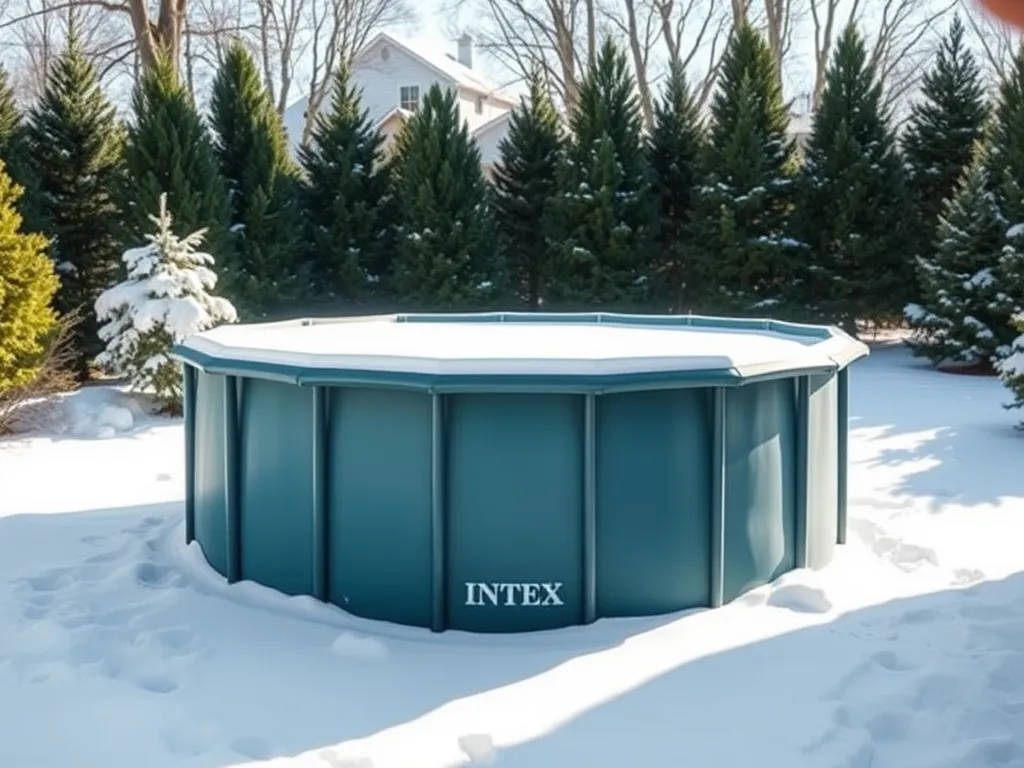
How to Blow Out Swimming Pool Lines for Winter: A Complete Guide
Published on: November 26, 2025 | Last Updated: November 17, 2025
Written By: Lila Fairholme
Blowing out swimming pool lines for winter involves using an air compressor to force water out of plumbing pipes, preventing freezing and costly damage. This process is mandatory for inground pools, where water trapped in buried lines can expand and crack pipes, unlike above-ground systems that often allow full drainage. Proper line evacuation protects pumps, filters, and heaters while meeting manufacturer warranty requirements.
This guide walks you through selecting the right tools, connecting equipment safely, and clearing every component of your pool’s plumbing system. You’ll learn why lowering water levels alone won’t protect underground pipes and how to prioritize which lines to clear first based on their freeze risk.
We cover air compressor sizing (30-50 PSI range for most pools), specialized winterization plugs, and techniques for handling skimmers and main drains. For those without professional-grade equipment, alternative methods using shop vacuums or leaf blowers are explained with clear limitations. Step-by-step instructions help DIYers avoid common mistakes like over-pressurizing pipes or missing hidden water pockets.
Why Blowing Out Pool Lines is Critical for Winterization
Cold weather turns water left in pool lines into ice that can crack pipes, split fittings, or wreck pumps. A single freeze night can cause $500-$5,000 in fixes if lines burst. Blowing out water stops ice from forming, keeping your pool’s veins safe until spring. When temperatures drop, it’s important to think about how this affects your pool. Pools can freeze during winter if not properly maintained.
Crucial Winterizing Products

"The all-in-one solution for a guaranteed clear spring opening."
All-in-One Closing Chemical Kit
Winter demand is high - check stock

"The 'set & forget' option. This is the easiest winterizing I've ever done."
Simple 3-in-1 Winterizing Balls
Winter demand is high - check stock
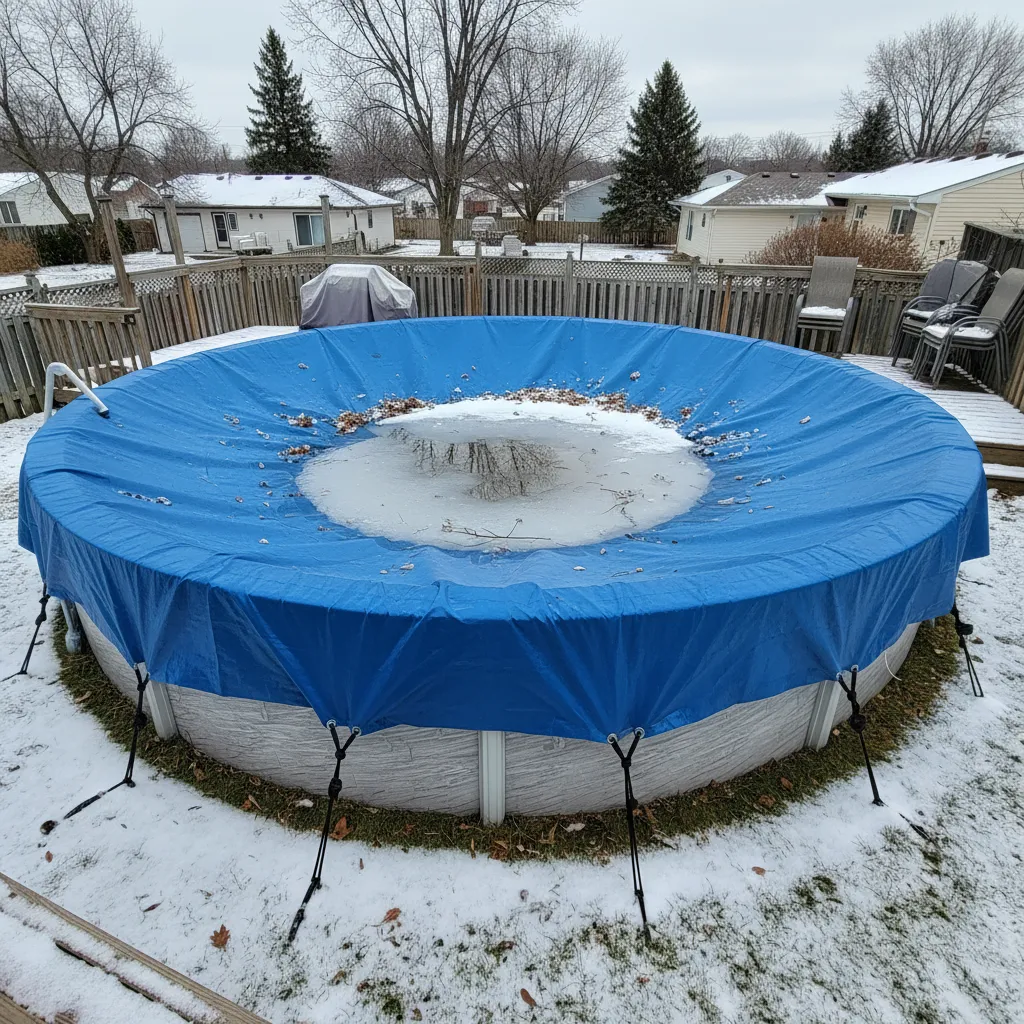
"Invest once to protect your liner and prevent a swamp in the spring."
Heavy-Duty Winter Pool Cover
Winter demand is high - check stock
Preventing Freeze Damage to Pipes and Equipment
Pool gear like pumps, filters, and heaters sit above ground where temps drop first. Water trapped in these parts freezes fast, cracking pump housings or bending valve shafts. Underground lines face risk too – a 1/4” ice plug in a 2” pipe can create enough force to snap PVC joints. Air blows push every drop out, even from low spots where drains miss.
Why Draining Alone Isn’t Enough
Drops left by draining cling to pipe walls or pool in elbows and valves. Just 8 ounces of water expands 9% when frozen – enough to split a skimmer line. Pipes with slight slopes or loops hold water like hidden traps. Air blows hit 10-15 PSI to force out these pockets, while gravity drains leave 10-15% moisture behind. Test it: blow a “dry” line and watch how much spray still shoots out.
With risks clear, the next step is picking the right gear to clear every line.
Essential Tools for Blowing Out Pool Lines
Gather the right gear before starting your pool winterization. The wrong tools can leave water in pipes or harm your pool gear.
Air Compressor: The Most Effective Option
A 5-6 CFM air compressor works best to push water from pool lines. Gas models offer more power but electric ones work for most homes. Look for units with a 20-30 gallon tank for steady airflow.
Recommended PSI Range for Blowing Out Pool Lines
Set air pressure between 50-60 PSI. Go higher than 60 PSI and you risk blowing off pipe glue. Use a gauge to check levels as you work.
Shop Vac: Backup Solution for Smaller Systems
A wet/dry shop vac (3+ HP) can clear short lines like skimmers. Attach a rubber bladder to the hose for a tight seal. Note: shop vacs lack power for main drains or long pipes.
Leaf Blower: Limited Use Cases
Leaf blowers (400+ CFM) may clear surface lines if used with a skimmer plug. They won’t remove water from deep pipes. Best paired with air compressors for final pushes.
Specialized Air Compressor Attachments for Pool Lines
Use blowout plugs with rubber gaskets to seal skimmers while forcing air through lines. Drain king nozzles help shoot air straight down main drains. A quick-connect hose kit stops leaks at valves.
Preparing Your Pool for Line Blowout
Proper setup prevents mishaps during the blowout. Skip these steps and you might flood your pump or leave ice traps.
Shutting Off Power to Pool Equipment
Turn off the circuit breaker for pumps, heaters, and filters. Unplug salt cells or auto-cleaners. Lock the panel box to keep others from turning it on by mistake.
Balancing Water Chemistry Before Winterizing
Test and adjust pH to 7.2-7.6. Raise chlorine to 3-5 ppm to stop algae. Add stain preventer if you have metal parts. Balanced water stops scale buildup in dry pipes.
Partial Vs Full Water Drainage: What’s Necessary?
Lower water 4-6 inches below skimmers for most pools. Vinyl liners need 12-18 inches to avoid tears. Never drain concrete pools fully—groundwater can push them up. Use a sump pump if heavy rain is forecast. Keeping proper water levels is also important for above ground pools. Above ground pool liners play a crucial role in maintaining the structure and longevity of your pool.
With your tools ready and pool prepped, it’s time to tackle the line blowout process step by step.
Also See: How Long Should Pool Pump Run in Winter? Should You Run It?
Step-by-step: How to Blow Out Inground Pool Lines With an Air Compressor
Blowing out pool lines with an air compressor stops frozen pipes from cracking. Start with a 10-15 CFM unit set to 10-15 PSI. Higher PSI risks pipe damage. Always wear eye gear and check parts for wear first. Keeping your pool area well-maintained can also help with other issues. One important step is to ensure you have measures in place to keep mosquitoes away from the pool.
Connecting the Air Compressor to Pool Plumbing
Find the pump’s drain plug or use a skimmer port. Fit a rubber blowout plug into the skimmer basket hole. Attach the compressor hose to the plug’s valve. Close all valves except the line you’re clearing. Turn the compressor on slow to push air through.
Order Of Line Evacuation: Returns, Skimmers, Main Drain
Clear return lines first. Open one return valve, let air flow till bubbles rise in the pool. Switch valves to the next line. Do skimmers next, then main drain. For main drains, block the open pipe with a winter plug once air flows steady. This order stops water from flowing back. Once everything is clear, it’s time to fill the pool. A well-filled pool ensures proper circulation and enjoyment throughout the season.
Verifying Complete Water Removal
Check each line for steady airflow. Listen for hissing or gurgling stops. Use a pool camera to see main drain bubbles. Add antifreeze to lines after blowing out for extra freeze guard. Never skip this step—trapped water expands when frozen. Maintaining proper water chemistry is essential for pool health. One popular method is using borate for effective pool treatment.

Blowing Out Pool Lines Through the Skimmer
Skimmers crack if blown out wrong. Use a blowout plug with a tire valve stem. Insert it into the skimmer’s suction port. Attach the compressor hose to the stem. Keep PSI under 15 to avoid breaking the skimmer throat.
Proper Attachment Setup for Skimmer Access
Remove the skimmer basket. Insert the plug deep into the suction hole. Seal gaps with plumber’s tape. If air leaks, add a second plug. For two skimmers, close one valve while clearing the other. Always work one line at a time. Keeping the skimmer basket clean is important for effective vacuuming. After removing the skimmer basket, you’ll ensure better suction for the vacuuming process.
Avoiding Damage to Skimmer Components
Don’t blast air straight into the skimmer without a plug. High pressure can split the plastic. If the skimmer weir door sticks, grease the hinges before blowing out. Check the skimmer lid fits tight after winter plugs are set.
Alternative Methods: Shop Vac and Leaf Blower Techniques
No compressor? A shop vac or leaf blower can clear lines in a pinch. These tools work best for short pipes or above-ground pools. Expect longer clear times and less power for main drains.
How to Blow Out Pool Lines With a Shop Vac
Use a 5+ HP wet/dry vac. Attach a rubber drain bladder to the hose. Insert it into the skimmer port. Seal gaps with rags. Turn the vac to “blow” mode. Run till water stops spraying from pool returns. Takes 3-5 minutes per line. Keeping a clean pool screen is also important for maintaining your pool. Regularly cleaning the screen helps to reduce debris buildup and ensures better water flow.
Required Attachments and Safety Tips
Get a tapered nozzle to fit pool ports. Use a GFCI outlet to prevent shocks. Never leave the vac running if it overheats. This method won’t clear deep main drains but works for returns and skimmers. Keeping your pool clean is essential for safety. When considering pool water for drinking, it’s important to purify it properly first.
Using a Leaf Blower for Limited Line Clearing
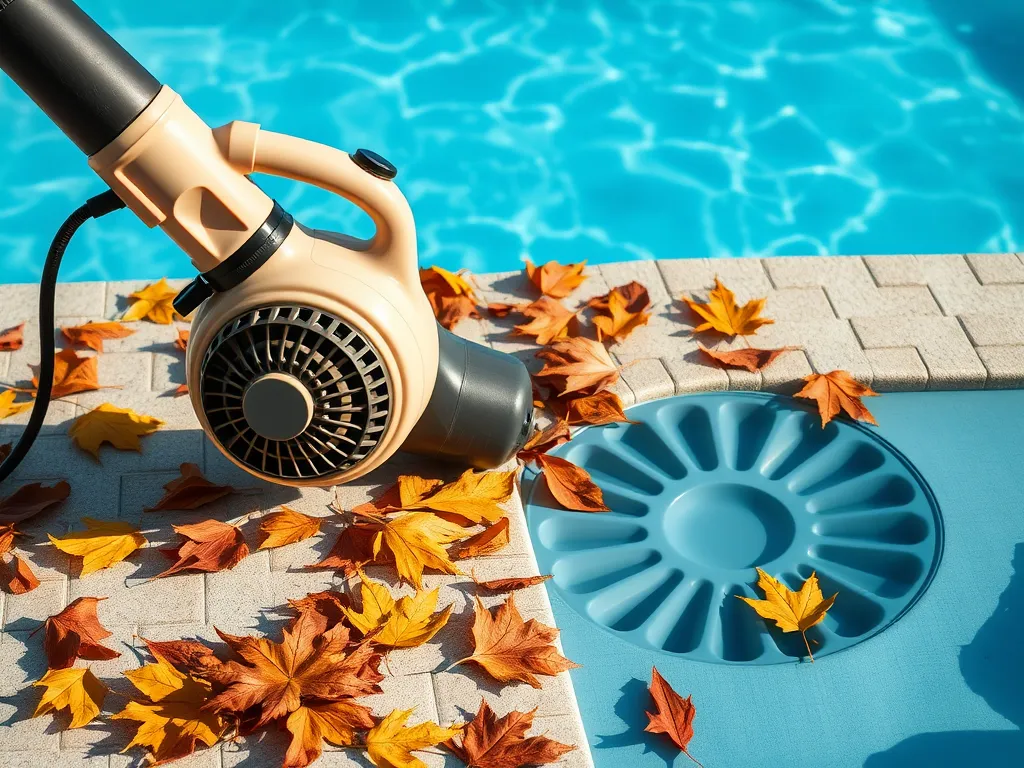
Leaf blowers lack force but can push air through open lines. Fit the nozzle into the skimmer port with duct tape. Seal gaps, then run at full speed. Works best if water level is below skimmer. Not advised for inground pools with deep pipes.
Now that you’ve cleared the lines, sealing them against winter weather is the next defense.
Special Considerations for Inground Pools
Inground pools need extra care during line blowouts due to complex plumbing. Hidden lines run deeper below frost lines (12-24 inches in most zones) and connect to gear like pumps and heaters. Freeze damage here costs $500-$2000+ to fix. Maintaining your pool’s plumbing is an important part of overall upkeep. These maintenance costs can add to the overall expenses of an inground pool.
Handling Multiple Return Lines and Valves
Most inground pools have 2-4 return lines. Find each valve at the gear pad – label them if needed. Blow one line at a time while closing others. Use a Cyclone blower or 6-10 CFM air compressor. Air should flow 3-5 minutes per line until no spray comes out. Plug returns with #8 rubber plugs right after clearing.
Winterizing Main Drains Safely
Main drains sit at the pool’s deep end. Blow air through the skimmer port linked to drain lines (check pool plans). Add 2-3 gallons of pool-safe antifreeze once water stops flowing. Plug drains with threaded covers or weighted bags. Never seal them fully – pressure shifts need a vent path. Properly draining your above ground pool is essential for its maintenance. Taking the right steps will help prevent damage and keep your pool in good shape for the next season.
Can You Blow Out Pool Lines Without Lowering the Water?
Some try skipping water drain steps to save time. This works only if all lines hold air locks – rare in real-world setups. Most pools need water 4-6 inches below skimmers for safe wintering. Properly draining an inflatable pool ensures it lasts longer. It’s important to follow the right process to prevent damage and keep it in good shape.
Risks and Limitations Of This Approach
Water left in skimmer bowls can freeze and crack housings ($150-$400 part). Lines may siphon water back if plugs fail. Air pockets in main drains often leave 1-2 inches of water that freezes. In zones with temps below 28°F, this risks burst pipes under decking. Pros use 25 PSI air tests to check seals – DIYers rarely have this gear.
Next, we’ll answer top questions about line blowout times, plug types, and pump use in cold months.

FAQs: Blowing Out Pool Lines for Winter
What Type Of Antifreeze is Safe for Pool Lines?
Use only non-toxic, propylene glycol-based antifreeze labeled explicitly for pools or RV systems. Avoid automotive antifreeze containing ethylene glycol, which is poisonous and can contaminate your pool.
Can Homeowners Winterize Pool Lines Themselves, or is a Pro Needed?
DIY winterization works for simple setups with clear access to lines. Hire a professional if your pool has complex features like attached spas, waterfalls, or multiple main drains requiring specialized air-lock techniques. As winter approaches, it’s crucial to ensure properly winterizing your pool heater is also ready for the colder months. Properly winterizing your pool heater helps prevent damage from freezing temperatures and keeps it in good condition for next season.
What Signs Indicate Incomplete Water Removal After Blowing Out Lines?
Watch for lingering gurgling sounds in pipes, visible water spray during blowout, or frost heave around equipment pads. In spring, check for cracked unions or valves—clear signs of winter ice damage.
Is Blowing Out Lines Needed if Winter Temps Rarely Drop Below Freezing?
Yes. Stagnant water breeds bacteria and corrodes pipes over months of inactivity. Even in warm climates, sudden cold snaps can freeze residual moisture, making blowouts a preventative best practice.
Closing Thoughts
Blowing out your pool lines properly ensures your plumbing survives winter freeze cycles. Using an air compressor at 15-30 PSI clears water from returns, skimmers, and main drains effectively. Partial drainage helps, but complete water removal from pipes is non-negotiable.
For inground pools, follow the correct sequence: blow returns first, then skimmers, and tackle the main drain last. Plugging lines with winterizing plugs prevents residual moisture from creeping back in. Adding RV-grade antifreeze adds extra protection for vulnerable sections.
Need help calculating exact PSI for your pool’s plumbing or determining drainage levels? Check out My Pool Calculator for tailored winterization guidance. Proper prep now means fewer surprises when reopening your pool next season.
Additional Resources for You:
- American National Standards Institute (ANSI). (2020). ANSI/PHTA Standards for Residential Swimming Pools. New York, NY: ANSI.
- How to Blow Out Pool Lines for Winter
- Learn How to Blow Out Pool Lines for the Winter
- How to Blow Out Your Pool Lines for the Winter—In Ten Easy Steps
- How To Blow Out Pool Lines – Swimming Pool Blog