Can You Use All Purpose Sand in a Pool Filter? A Complete Guide
Published on: February 18, 2026 | Last Updated: November 17, 2025
Written By: Rachael Weatherbottom
Pool filters require specifically graded silica sand—not all-purpose or regular sand—to function properly. The ideal pool filter sand has sharp edges and uniform grains sized between 0.45-0.55mm (known as #20 grade), which traps debris without clogging. All-purpose sand contains irregularly shaped particles and inconsistent grit sizes, reducing filtration efficiency by up to 40% and risking system damage. Sand filters outperform cartridge filters in longevity (5-7 years vs 2-3 years) but offer less fine filtration than diatomaceous earth (DE) systems.
This guide breaks down how sand filters trap dirt, why grain size matters, and what happens if you use the wrong media. You’ll learn the ANSI/APSP-116 standards for pool filter sand, how zeolite compares to silica, and why “play sand” or contractor-grade options fail. We’ll also explore maintenance costs, with filter sand priced at $25-$40 per 50lb bag versus zeolite’s $45-$60 range.
By the end, you’ll know how to spot subpar sand, when to backwash your filter, and whether sand systems suit your pool’s size. We’ll cover pressure gauge red flags, flow rate calculations, and real-world examples of pools damaged by incorrect media. Whether you’re troubleshooting cloudy water or planning a filter upgrade, this guide gives the technical specifics without the jargon.


How Sand Pool Filters Work
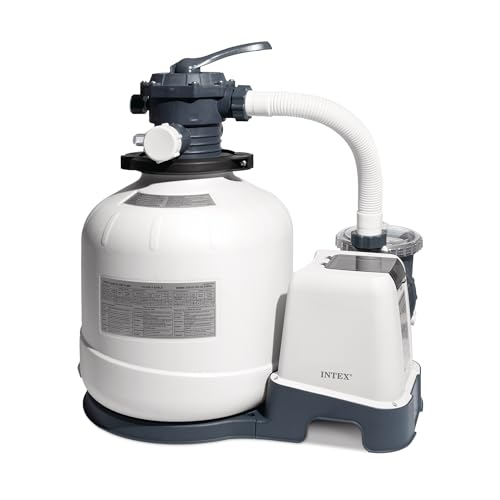
Sand filters clean pool water by pushing it through a bed of sand. Dirt, leaves, and small bits get trapped in the gaps between sand grains. Clean water flows back into the pool. This process keeps your water clear and safe for swimming. The quality of pool water is especially important in diving pools. These pools require specific depths to ensure safe diving practices.

Crucial Winterizing Products
"The all-in-one solution for a guaranteed clear spring opening."
All-in-One Closing Chemical Kit
Winter demand is high - check stock

"The 'set & forget' option. This is the easiest winterizing I've ever done."
Simple 3-in-1 Winterizing Balls
Winter demand is high - check stock
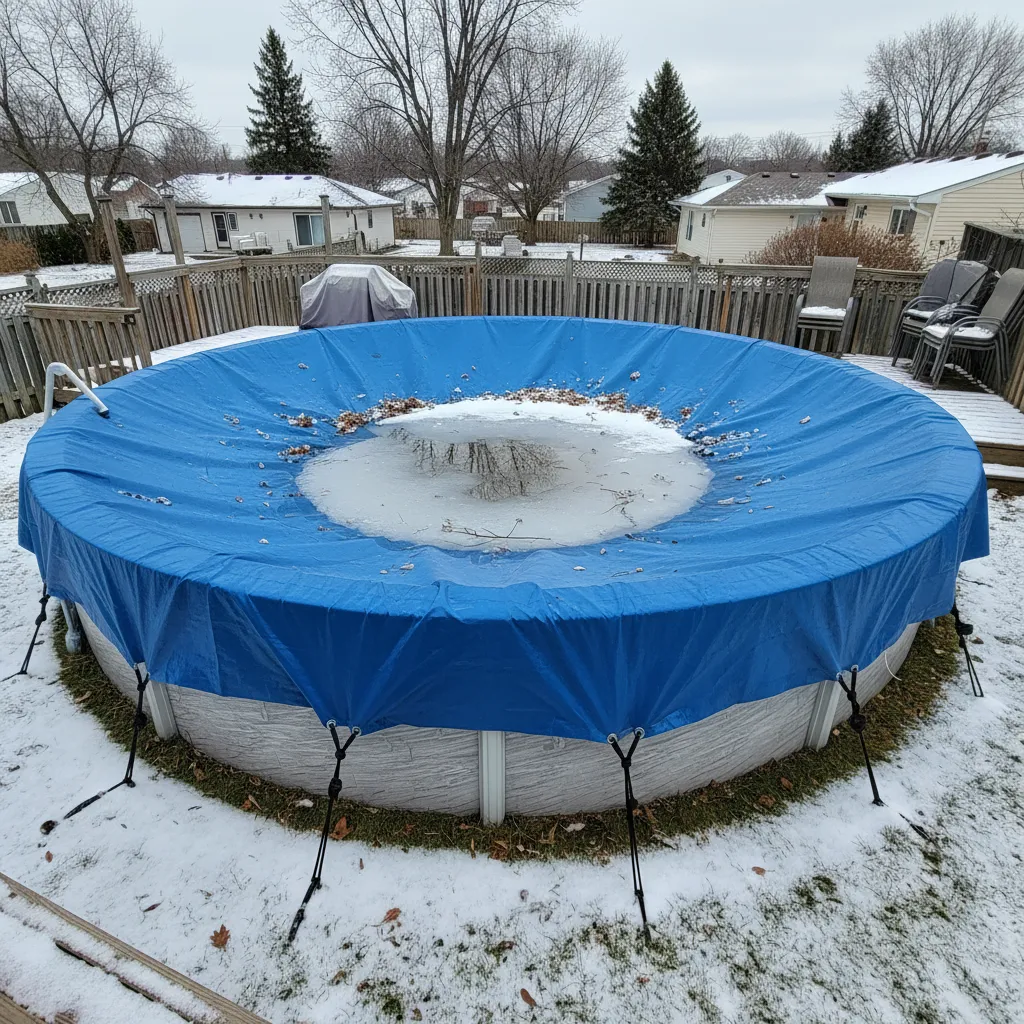
"Invest once to protect your liner and prevent a swamp in the spring."
Heavy-Duty Winter Pool Cover
Winter demand is high - check stock
The Role Of Sand in Pool Filtration
The sand acts like a net. Its rough edges and gaps catch debris as water moves through. Pool filter sand is cut sharp and sized just right—#20 grade (0.45-0.55mm)—to trap bits as small as 20 microns. If grains are too big, dirt slips through. Too small, water flow slows.

Silica sand works best. It resists breaking down and lasts 3-5 years with care. Avoid sands with dust or mixed sizes. These clog pores and force pumps to work harder, raising energy costs by up to 15%.
Basic Mechanics Of a Sand Filter System
Water enters the filter through the top valve. Gravity pulls it down into the sand bed. Clean water exits through laterals (small pipes) at the bottom. A multiport valve controls flow for filtering, rinsing, or backwashing.
Backwashing flips this process. Water rushes upward, lifting sand and flushing trapped dirt out a waste line. Do this when the pressure gauge rises 8-10 PSI above normal. Skipping it risks cloudy water and cracked laterals from trapped grit.
Now that you know how sand traps debris, let’s break down why using the right type matters for your pool’s health.
What Kind Of Sand is Required for Pool Filters?
Pool filter sand must meet strict specs to trap dirt without slowing water flow. Using the wrong type can clog pipes, harm pumps, or leave water cloudy. Two factors matter most: grit traits and silica levels.
Key Specifications for Pool Filter Sand
Not all sands handle pool junk the same way. Let’s break down what makes filter sand work.
Grit Size and Shape
Pool sand uses 20-grade grit (0.45-0.55mm) with sharp edges. Grains this size let water pass but catch bits as small as 20 microns. Round grains pack too tight, causing clogs. Jagged bits create gaps for flow while snagging debris. After installing new plaster, it’s important to fill the pool correctly. This helps protect the surface and ensures a long-lasting finish.
Silica Content and Purity
Top filter sand has 95%+ silica. Low silica mixes add clay or dust that clump when wet. Pure silica resists sticking and lasts 3-5 years. Avoid sands labeled “washed” but not rated for pools—they may still hold fine dust that clouds water.
Types Of Sand for Pool Filters
Three main options exist for pool filters, but only two are safe picks. Let’s compare their pros and limits.
#1. Pool Filter Sand (Specially Graded Silica Sand)
This is the gold standard. Made for pools, it’s washed, dried, and sorted to hit 20-25 grade specs. Brands like UltraGuard and AquaQuartz remove dust and odd-sized grains. A 50-lb bag costs $15-$25 and fills most home pool filters. It filters down to 20 microns and works in all sand filter models. Maintaining a clean and clear pool is essential for enjoyable swimming. For a 10,000-gallon pool, choosing the right filter sand ensures better water quality and a more pleasant experience for swimmers.
#2. Zeolite As an Alternative Medium
Zeolite, a volcanic mineral, traps particles as small as 5 microns—four times finer than sand. It cuts chlorine use by soaking up ammonia and metals. Though pricier ($30-$40 per bag), it lasts 7+ years. Some users mix 50% zeolite with sand to boost clarity without full cost.
#3. All-purpose Sand: Is It Safe?
All-purpose sand costs less ($5-$10 per bag) but risks your system. Its grit varies from 10 to 40 grade, letting dirt slip through or blocking flow. Dust and clay in the sand can glue grains into cement-like chunks. Most pool pros say: don’t risk pump repairs to save $50 on sand. Regular maintenance, including proper drainage, can save you money in the long run. When considering drain pool cost, it’s essential to factor in the potential for damage and repairs caused by using the wrong materials.
Now that we’ve mapped the options, let’s tackle why some sands fail—and how wrong picks can wreck your pool’s health.
Also See: Do Cats Drown in Swimming Pools? Know the Safety Tips
Can You Use Regular Sand or All-purpose Sand in a Pool Filter?
Pool owners frequently ask if standard sand from hardware shops works in filtration systems. While all-purpose sand costs $8-$12 per 50lb bag – half the price of pool-specific sand – its composition poses risks. Choosing the right materials is essential to maintaining pool quality and efficiency. This, in turn, can impact overall expenses, including pool chiller costs.
Why Regular Sand Fails in Pool Filters
Construction-grade sand lacks uniform grit sizing critical for trapping debris. Typical grains vary from 0.1mm to 2mm, allowing small particles to slip through. Pool filter sand maintains strict 0.45-0.55mm grains with angular shapes that form tight filtration layers. Using irregular sand causes channeling – water bypassing media through gaps – which drops capture rates below 50%. If the pump is not working properly, using the wrong sand can make the problem worse. It is important to know how to tell if your pool pump is bad to avoid further issues.
Risks Of Using All-purpose Sand
All-purpose sand often contains limestone, clay, or organic matter. These impurities cloud pool water and foster algae growth. A 2022 study found non-silica sands release 300% more dissolved solids into pools. Over 6-8 weeks, dirty sand can clog filter laterals, spiking pump PSI by 10-15 and risking cracked tanks. One outcome of using such sand can be the formation of a brown pool. A brown pool indicates high levels of contaminants, making it uninviting and unsafe for swimming.
Are Sand Filters Better for Pools?
Sand filtration dominates 58% of residential pools for good reasons, but alternatives exist. How do options stack up?
Pros and Cons Of Sand Filters
Advantages: – Handles 20-40 micron particles (human hair is 70 microns) – Lasts 5-7 years with annual sand swaps – Backwash cycles restore function without part swaps Drawbacks: – Doesn’t filter as finely as DE (1-3 microns) – Loses potency if sand compacts or channels form
Comparison With Cartridge and DE Filters
| Type | Filtration | Maintenance | Cost/Year |
|---|---|---|---|
| Sand | 20-40µ | Backwash weekly | $20-$40 |
| Cartridge | 10-20µ | Clean monthly | $100-$150 |
| DE | 1-3µ | Recharge DE powder | $80-$120 |
Sand filters win for simplicity but trail in clarity. DE offers top performance but demands hands-on care.
How to Choose the Right Sand for Your Pool Filter
Not all pool sands function similarly. Follow this roadmap for optimal picks.
Factors to Consider When Buying
Prioritize three traits: 1. Grit Grade: #20 silica (0.45-0.55mm) works for most brands 2. Purity: 95%+ silica with <0.5% dust 3. Brand: Fairmount, Aqua Quartz, or HTH hold strict quality controls
Step-by-step Sand Replacement Guide
1. Cut power to pump 2. Open filter tank, scoop out old sand 3. Inspect laterals for cracks 4. Add 50-75% water, pour new sand 5. Avoid overfilling – sand should sit 6″ below tank rim
What occurs if wrong sand slips into your filtration system? Up next: costly impacts on clarity and hardware.
What Happens if You Use the Wrong Sand?
Using incorrect sand in your pool filter creates a chain reaction of issues. From damaged equipment to murky water, the wrong choice turns a simple maintenance task into a costly headache. Let’s break down the risks. Ensuring your pool is properly maintained can help prevent expensive repairs. Replacing pool lights can also add to your overall maintenance costs, so it’s best to keep everything in good condition.
Common Problems and Filter Damage
Pool filter sand has strict size and shape requirements for a reason. All-purpose or regular sand often contains irregular particles smaller than 0.45mm or larger than 0.55mm. These grains can compact too tightly or leave gaps, causing channeling – a condition where water carves paths through the sand bed instead of filtering evenly. Channeling reduces dirt capture rates by up to 60%. The right sand is crucial for effective filtration. A pool filter diagram can show how properly sized sand contributes to better water clarity.
Sharp-edged grains in construction-grade sand abrade filter laterals, the delicate plastic fingers at the filter’s base. A single season with incompatible sand can crack 30-40% of laterals, requiring $80-$150 in replacement parts. Finer sands also escape into pump baskets, clogging impellers and triggering pressure spikes above 20 PSI – 25% higher than safe operating limits.
Impact on Water Clarity and System Efficiency
Wrong sand types fail to trap particles smaller than 20 microns, leading to persistent cloudiness. Tests show all-purpose sand allows 3x more debris recirculation compared to #20-grade silica sand. This forces longer pump run times (8-12 hours daily vs. 6-8 with proper sand), spiking energy costs by $15-$30 monthly.
| Sand Type | Filtration Rating | Pressure Increase Rate | Lateral Damage Risk |
|---|---|---|---|
| #20 Silica Pool Sand | 20 microns | 1 PSI/week | Low |
| All-Purpose Sand | 40+ microns | 3 PSI/week | High |
Algae blooms become 50% more likely with subpar sand due to poor filtration. Combined with frequent backwashing (every 3-4 days vs. weekly with quality media), water chemistry swings destabilize pH and chlorine levels. The result? A cycle of clarifiers, shock treatments, and manual vacuuming that adds 1-2 hours weekly to maintenance. Maintaining a clean and clear pool is essential for a great swimming experience. The Harrah’s New Orleans pool offers just that, with top-notch filtration to ensure the water stays pristine.
Selecting the right sand isn’t just about clarity – it protects your entire pool system. Next, we’ll answer the most searched questions about sand filters to help you avoid these pitfalls. Maintaining the right sand is key to having a clear pool. A cloudy pool often means it’s time to check your filter and water balance.
Frequently Asked Questions
Can Pool Filter Sand Be Cleaned and Reused?
Pool filter sand cannot be fully restored through cleaning. While backwashing removes surface debris, microscopic particles and biofilm accumulate over time, reducing filtration efficiency. Most manufacturers recommend complete replacement every 3-5 years to maintain optimal 20-micron filtration capacity.
How Does Pool Size Influence Sand Filter Media Choice?
Larger pools (30,000+ gallons) often benefit from zeolite blends, which handle higher debris loads while maintaining flow rates. Smaller pools (under 15,000 gallons) work well with standard #20 silica sand. Always match media quantity to your filter’s cubic foot capacity – undersanding reduces capture efficiency by 25-40%. This careful selection of filtration media is also important for salt water pools. Starting a salt pool business requires knowledge about these filtration systems to ensure optimal performance.
Are There Health Risks When Using Non-pool-grade Sand?
Construction sands may contain crystalline silica dust (up to 5% by weight), which can become airborne during backwashing and pose respiratory risks. Pool-grade sands meet OSHA’s silica dust regulations (<0.1% respirable particles), making them safer for routine maintenance.
What Immediate Steps Should You Take After Using Incorrect Sand?
1. Shut off pump immediately 2. Drain filter tank completely 3. Remove contaminated sand with vacuum extraction 4. Inspect laterals for damage 5. Flush system with clean water before adding proper media
How Do Climate Conditions Affect Sand Filter Efficiency?
In humid climates, sand beds may develop channeling 30% faster due to organic growth. Arid regions require more frequent backwashing (every 4-6 days) to prevent sand cementation from mineral buildup. Winterization demands specific media treatments – zeolite retains moisture better than silica in freezing temperatures.
Closing Thoughts
Choosing the right sand for your pool filter isn’t just about keeping the water clear—it’s about protecting your equipment and saving money in the long run. Pool filter sand, with its precise 0.45–0.55mm grain size and high silica content, outperforms all-purpose or regular sand by trapping finer debris without clogging. Zeolite offers an upgrade for those battling algae or needing superior filtration.
While sand filters are low-maintenance and cost-effective, using the wrong media can lead to cloudy water, damaged laterals, and frequent backwashing. Stick to specially graded silica sand or zeolite for optimal performance. For exact quantities based on your filter size, try the tools at My Pool Calculator.
When in doubt, consult your filter’s manual or a pool professional. The right sand choice ensures your pool stays sparkling with minimal hassle.
Useful References for You:
- Tamminen, T. (2019). The Complete Pool Manual for Homeowners: A Step-by-Step Maintenance Guide. New York, NY: Skyhorse Publishing.
- Sand Filter Use and Care – Further Reading | Trouble Free Pool
- r/pools on Reddit: Replacement sand for pool filter?
A pool care geek who’s been testing water chemistry since she was tall enough to reach the skimmer.
Filters, Pool Equipment Repair, Sand Filters