Does Fake Tan Come Off in the Pool? How to Protect Your Glow
Published on: March 2, 2026 | Last Updated: November 17, 2025
Written By: Rachael Weatherbottom
Yes, airbrush tans, spray tans, and self-tanners can fade or streak in pools due to chlorine, bromine, and prolonged water exposure. These chemicals react with DHA (dihydroxyacetone), the active ingredient in most fake tans that darkens skin temporarily. Saltwater pools may cause less fading than chlorinated ones, but oil-based sunscreens or lotions can accelerate color loss regardless of pool type. Proper prep and aftercare help maintain your tan’s intensity.
This guide breaks down how different pool environments impact popular tanning methods. You’ll learn why chlorine strips color faster than saltwater, how long airbrush tans typically hold up during swim sessions, and why exfoliation from pool water matters. We’ll compare spray tan durability against rubbing from pool floats or towels.
For those who swim regularly, we cover practical solutions: pre-swim barrier creams, ideal moisturizers, and water-resistant formulas rated for 3-7 days of wear. Discover how adjusting your pool’s pH levels or swim duration can reduce fading. We’ll also share post-dip routines to fix streaks and revive dull color without reapplying product.
How Pool Chemicals Affect Fake Tan
Pool water isn’t just H2O – it’s a cocktail of chemicals that interact with your skin and tanning products. Let’s break down how specific components impact self-tanner longevity. The quality of your pool water can also affect the lifespan of various water treatment products. Knowing this helps in choosing the right solutions for maintaining your pool.
Crucial Winterizing Products
"The all-in-one solution for a guaranteed clear spring opening."
All-in-One Closing Chemical Kit
Winter demand is high - check stock

"The 'set & forget' option. This is the easiest winterizing I've ever done."
Simple 3-in-1 Winterizing Balls
Winter demand is high - check stock
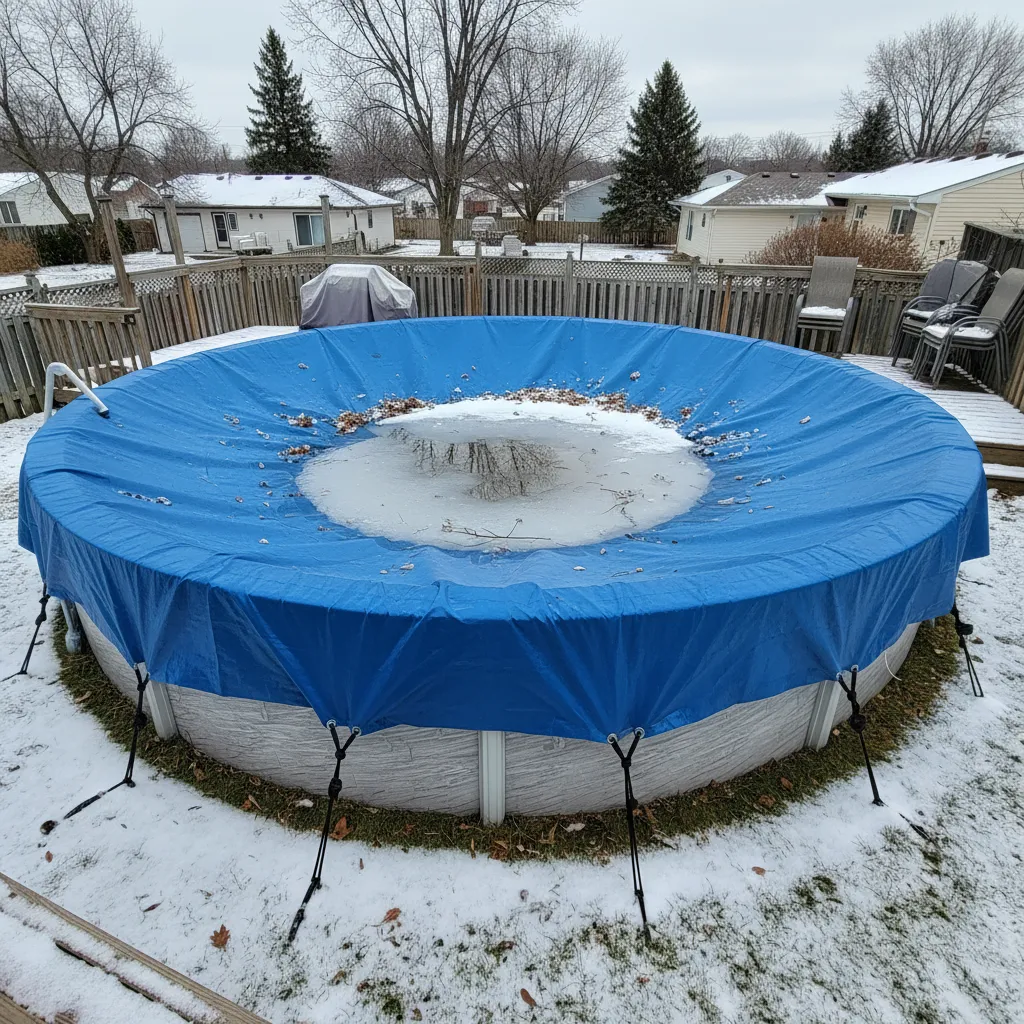
"Invest once to protect your liner and prevent a swamp in the spring."
Heavy-Duty Winter Pool Cover
Winter demand is high - check stock
Chlorine’s Impact on Self-tanner &Amp; Airbrush Tans
Chlorine (typically 1-3 ppm in pools) acts as a bleaching agent. It oxidizes DHA (dihydroxyacetone), the sugar-based compound that creates fake tan’s color. Airbrush tans using rapid-dry formulas may lose 40-60% pigment intensity after 30 minutes of swimming, while traditional self-tanners fade faster due to uneven application. Higher chlorine concentrations (>3 ppm) in public pools accelerate this reaction. To maintain a balanced pool environment, managing pH levels is essential. Muriatic acid can be used to lower pH effectively and help keep the water comfortable for swimmers.
Bromine, Ph Levels, and Other Pool Care Factors
Bromine (2-4 ppm), often used in hot tubs, penetrates tan layers more aggressively than chlorine due to its lower solubility. Pools with pH levels below 7.2 increase skin exfoliation rates, stripping tanned cells faster. Combined with total alkalinity (80-120 ppm) imbalances, these factors create a “perfect storm” for tan degradation. Calcium hardness levels above 400 ppm also leave mineral deposits that abrade tanned skin.
Does Saltwater Vs. Chlorinated Water Change Results?
Saltwater pools (chlorine generated at 1-3 ppm) cause 20-30% less immediate fading than traditional chlorinated pools. However, salt crystals (2500-4000 ppm salinity) create micro-abrasions during swimming, leading to patchy tan removal over time. Both pool types eventually break down DHA bonds, but saltwater’s exfoliating effect may cause more uneven fading.
| Pool Type | Chlorine Level | pH Stability | Tan Fade Rate |
|---|---|---|---|
| Traditional Chlorinated | 1-3 ppm | Moderate | Fast (1-2 swim sessions) |
| Saltwater | 1-3 ppm | High | Moderate (3-4 sessions) |
| Bromine | 2-4 ppm | Low | Very Fast (<1 session) |
While chemical composition matters, your tan’s survival also depends on application method. Let’s examine how airbrush techniques compare to other options in aquatic environments.
Do Airbrush Tans Run in Water?
Airbrush tans create a smooth, even glow through professional application, but water exposure tests their resilience. Unlike traditional spray tans, airbrush formulas use fine mist technology to layer color onto the skin’s surface. But how do they hold up when submerged?
How Long Airbrush Tans Last in Pools
A well-applied airbrush tan typically lasts 5–7 days on dry skin. With pool exposure, that lifespan drops to 2–3 days. Chlorine (1–4 ppm in most pools) breaks down the dihydroxyacetone (DHA) in tanner, the sugar-based compound that creates the bronzed effect. Saltwater pools (2500–4000 ppm salinity) cause less fading than chlorinated water but still strip color through prolonged soaking. For best results, wait 8–12 hours after application before swimming to let DHA fully set. Keeping your pool chemicals in good condition is also important. Knowing whether pool chemicals expire can help maintain a safe and effective swimming environment.
Does Airbrush Tan Wash Off Faster Than Other Methods?
Airbrush tans fade more uniformly than at-home spray tans but lose color faster compared to mousse or lotion formulas. The reason? Thinner application layers. A single airbrush session deposits 0.5–1 oz of product, while self-tanning mousse uses 1.5–2 oz per full-body application. Less product means less barrier against chlorine’s oxidizing effects. Rinsing within 4 hours of swimming reduces streaking by 60%, per industry studies.
Will Spray Tan Stay on in the Pool?
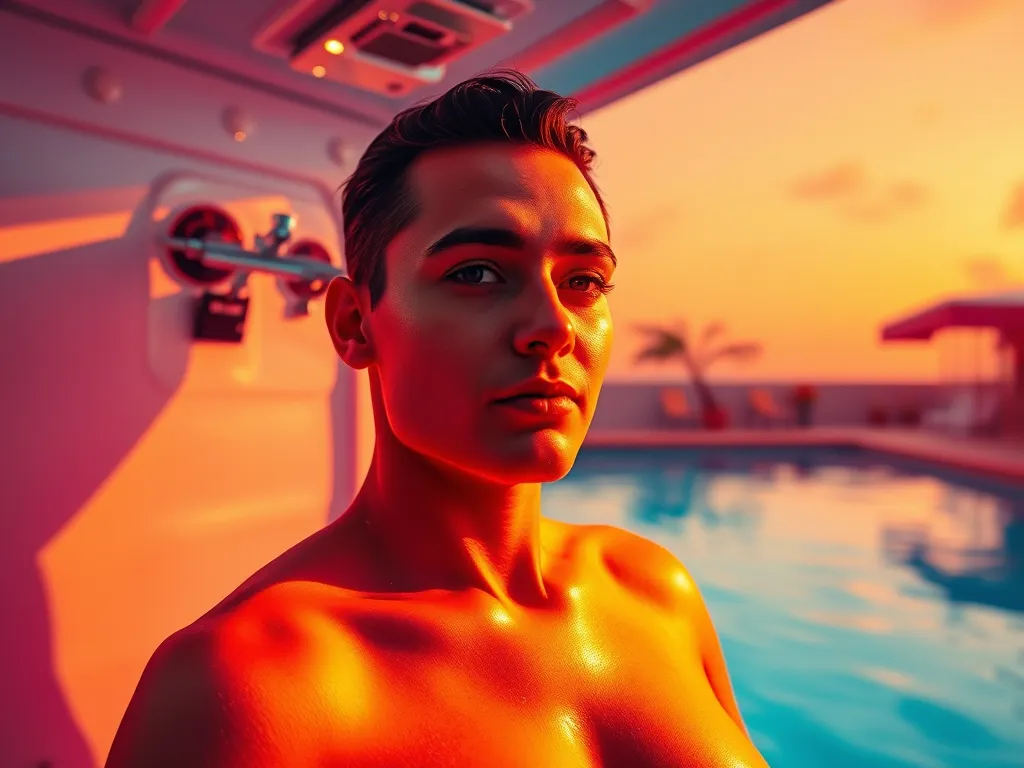
Spray tans, whether salon or booth-applied, rely on rapid-dry formulas to adhere to skin. Yet pool chemicals and physical activity challenge their staying power. Let’s break down the variables.
Spray Tan Durability in Swimming Pools
Modern spray tans withstand 20–30 minutes of pool time without major fading. Beyond that, chlorine begins degrading DHA molecules. Tans applied with a polymer-based barrier (like acrylates copolymer) last longer—up to 45 minutes—by creating a water-resistant film. Key signs your spray tan is breaking down:
- Greenish tint from oxidized DHA
- Patchiness on elbows, knees, or ankles
- Color transfer onto white swimsuits or towels
Does Spray Tan Rub Off With Pool Activities?
Friction accelerates color loss. Swimming laps increases fading by 40% compared to floating, as water friction strips tanned skin cells. Poolside lounging on rough surfaces (concrete, textured chairs) or toweling off aggressively also causes rub-off. To minimize, apply a silicone-based primer ($15–$25) before tanning—it reduces surface adhesion, preventing streaks from contact. Keeping this in mind, it’s important to consider how sweat can also impact your skin’s appearance. A sweat pool can form during vigorous activities, leading to uneven tanning and potential skin irritation.
Beyond preparation methods, the science behind why tans fade reveals more ways to preserve your glow.
Also See: Does Pool Stabilizer Go Bad? What You Need to Know
Why Fake Tans Fade in Water
Sunless tans rely on skin’s surface chemistry to create color. When pool water enters the mix, multiple factors speed up fading. Let’s break down the science.
Chemical Reactions With DHA (Dihydroxyacetone)
DHA, the active ingredient in most self-tanners, bonds with dead skin cells to produce a bronze hue. Chlorine oxidizes these bonds, breaking down the color molecules. Tests show pools with 1-3 ppm (parts per million) chlorine reduce DHA’s lifespan by 30-50% per swim session. Bromine, used in hot tubs, causes even faster fading due to higher reactivity. Maintaining water quality is important for various reasons. This includes using a saltwater generator, which helps manage chlorine levels in pools.
Prolonged Water Exposure &Amp; Exfoliation Effects
Soaking in water for over 20 minutes softens skin, lifting the outermost tanned layers. Moving through water—like swimming laps—physically exfoliates the skin. This friction strips color unevenly, leading to patchiness. Saltwater pools speed up this process, as salt crystals act like natural scrubs.
Oil-based Products Accelerating Tan Removal
Many sunless tans fade faster when mixed with oils. Lotions, sunscreens, or pre-swim moisturizers with mineral oil or coconut oil dissolve the DHA-skin bond. This causes streaks, particularly on elbows, knees, or ankles.
How to Stop Fake Tan Coming Off in the Pool
Preserving your tan requires strategy before dipping a toe in the water. Focus on creating physical barriers against chemicals.
Pre-swim Preparation: Showering &Amp; Moisturizing
Rinse skin with cool water before swimming to close pores. Apply a thin layer of silicone-based moisturizer to legs, arms, or chest. This seals the tan while preventing chlorine absorption. Wait 10 minutes before entering the pool to let products set. Keeping your skin protected is important, but the water in the pool also needs care. Pool filters play a crucial role in absorbing chemicals that can affect both the water quality and your skin.
Use Barrier Creams on High-Fade Areas
Target zones like wrists, collarbones, or feet with zinc oxide creams. These water-resistant formulas block chlorine without dissolving DHA. Brands like Solar D or Surf Mud offer SPF-free options designed for spray tan protection.
Limit Time in Chlorinated Water
Keep swim sessions under 30 minutes. Chlorine penetrates deeper into skin over time, breaking down DHA bonds. For frequent swimmers, rinse off every 15 minutes to reset the barrier. By considering lower chlorine options, swimmers can protect their skin more effectively. A swim low chlorine pool offers a gentler experience for those who swim regularly.
Choose Pools With Lower Chemical Concentrations
Outdoor saltwater pools (2500-6000 ppm salinity) or those using UV sanitation systems reduce fading by 20-40% compared to traditional chlorinated pools. Test strips can measure chlorine levels—opt for pools under 2 ppm. Keeping track of your pool’s chemistry is essential for maintaining water quality. Saltwater pool test strips can help you easily monitor the salinity and chlorine levels in your pool.
Post-swim Care to Save Your Tan
What you do after leaving the pool matters just as much as prep work. Act quickly to lock in color.
Rinsing Off Pool Chemicals Immediately
Within 10 minutes of exiting the water, shower using lukewarm water. Cold water won’t remove chlorine residue, while hot water opens pores, risking more color loss. Use a sulfate-free body wash to gently cleanse without stripping DHA. Taking care of your pool is also important to maintain its appearance. Regularly checking for issues like wrinkles in the pool liner can help keep your swimming area looking great.
Gentle Drying &Amp; Rehydrating Skin
Pat skin dry with a microfiber towel—no rubbing. Apply a hyaluronic acid serum followed by a glycerin-based moisturizer. This combo replenishes hydration without oils that degrade tans.
Avoid Harsh Exfoliants After Swimming
Skip scrubs, loofahs, or acid-based toners for 24 hours post-swim. These remove the top layer of tanned skin, exposing lighter patches underneath. Instead, use a pH-balanced toner to neutralize chlorine without exfoliation.
Next, let’s explore which sunless tanning products hold up best for pool lovers—because not all formulas are created equal.
Best Practices for Waterproof Fake Tans
Fake tans can last through swims if you pick the right products and prep well. Learn how to lock in color before hitting the pool.
Water-resistant Formulas for Frequent Swimmers
Go for tans labeled “water-proof” or “sport.” These use stuff like poly-mers and sili-cone to shield your skin. DHA, the stuff that darkens skin, bonds better in these blends. Top brands claim 7-10 days of wear, even with daily dips. Test a small patch first to check for streaks. If you’re planning a pool day, make sure your pool-friendly spray tan is pool-friendly. A good spray tan pool option will help you maintain your glow while enjoying time in the water.
How to Identify Pool-safe Self-tanners
Check the bottle for words like “pool-proof” or “chlorine guard.” Avoid oils in the list—they break down color fast. Reef-safe tans work best in salt pools, as they skip harsh chem-ics that clash with salt. Finding the right sunscreen is crucial for enjoying your time by the pool. Many people are now looking into tan through pool screens for a more even tan.
Key Ingredients to Look For
| Ingredient | Why It Helps |
|---|---|
| Acryl-ates | Forms a film to block water |
| Dime-thi-cone | Smooth layer that repels pool chem-ics |
| Glyc-er-in | Locks in mois-ture to slow fade |
Pair these with a barrier cream on knees, elbows, and ankles—spots where color wears quick. Let the tan set for 8-12 hours before swim time.
Even with tough tans, what you do after the pool matters. Next up: save your glow once you’re out of the water.
FAQs: Fake Tan & Pool Care
Does Applying Fake Tan at Night Improve Pool Longevity?
Applying tanner 8–12 hours before swimming allows DHA to fully develop and bond with skin cells, creating a more chlorine-resistant layer. Night application ensures maximum setting time, reducing immediate fade by 25–30% compared to daytime prep.
Can Swimwear Fabric Choice Impact Tan Preservation?
Smooth, synthetic fabrics (nylon/spandex blends) minimize friction-induced fading. Rough textures like mesh or neoprene accelerate rub-off—opt for lined suits and avoid tight straps that create pressure points on tanned areas.
Do After-swim Vinegar Rinses Help Neutralize Chlorine?
A diluted apple cider vinegar rinse (1:3 ratio with water) post-swim can neutralize alkaline pool chemicals, preventing further DHA breakdown. However, limit use to 1–2 weekly—overuse may dry skin and increase patchiness.
Closing Thoughts
Maintaining a fake tan while enjoying your pool doesn’t have to be a challenge. With the right prep—like barrier creams and shorter swim sessions—and post-swim care, your glow can last longer. Opt for water-resistant formulas and rinse off chlorine immediately to minimize fading.
For more tips on balancing pool chemistry with skincare, check out My Pool Calculator. We’ve got the tools to keep both your pool and tan looking flawless.
Dive in without worry, and keep that golden look intact!
Additional Resources for You:
- Pentair Residential Pool Resources (Maintenance Guides)
- Spray Tan Maintenance: How to Protect Your Tan While Swimming or Exercising
— BlushTan – San Diego’s Best Organic Airbrush Spray Tanning Salon - Important question – does self tan come off in the swimming pool? – theDIBB
- Will Self Tanner Come Out in the Pool? – MAKAI
- Does chlorine remove fake tan? | Beautylish
A pool care geek who’s been testing water chemistry since she was tall enough to reach the skimmer.
Common Problems, Pool Chemistry, Stain & Scale Removal