Does Muriatic Acid Lower Ph in Pools?
Published on: March 14, 2026 | Last Updated: November 17, 2025
Written By: Rachael Weatherbottom
Yes, muriatic acid—a diluted form of hydrochloric acid—lowers pH in pools by neutralizing alkaline substances in the water. Commonly used by pool professionals, this potent liquid reduces high pH levels faster than alternatives like dry acid (sodium bisulfate). It works by releasing hydrogen ions that counteract excess alkalinity, making water safer and more comfortable for swimmers. While effective, improper use can damage pool surfaces or equipment, so precise dosing and safety measures are critical.
This article breaks down how muriatic acid interacts with pool chemistry, starting with its chemical composition and pH-adjusting properties. You’ll learn why this acid remains a top choice for balancing water despite its strong fumes and handling risks. We’ll also explore the science behind pH reduction, including why muriatic acid doesn’t raise pH when applied correctly—a common myth among pool owners.
Beyond the basics, we’ll cover step-by-step dosing guides tailored to pool size and current pH levels, safety protocols to avoid accidents, and cost comparisons with pH Down products. Whether you’re maintaining a backyard pool or a commercial spa, you’ll find actionable tips for achieving ideal pH levels (7.2–7.6) without guesswork.
What is Muriatic Acid and How Does It Affect Pool Ph?
Muriatic acid, a diluted form of hydrochloric acid (HCl), is a go-to solution for balancing pool chemistry. With a typical concentration of 31.5% HCl, it’s powerful enough to tackle pH imbalances without excessive handling risks. Pool owners rely on it to maintain water clarity and equipment longevity by targeting high pH levels that can cause scaling or cloudy water.
Crucial Winterizing Products
"The all-in-one solution for a guaranteed clear spring opening."
All-in-One Closing Chemical Kit
Winter demand is high - check stock

"The 'set & forget' option. This is the easiest winterizing I've ever done."
Simple 3-in-1 Winterizing Balls
Winter demand is high - check stock
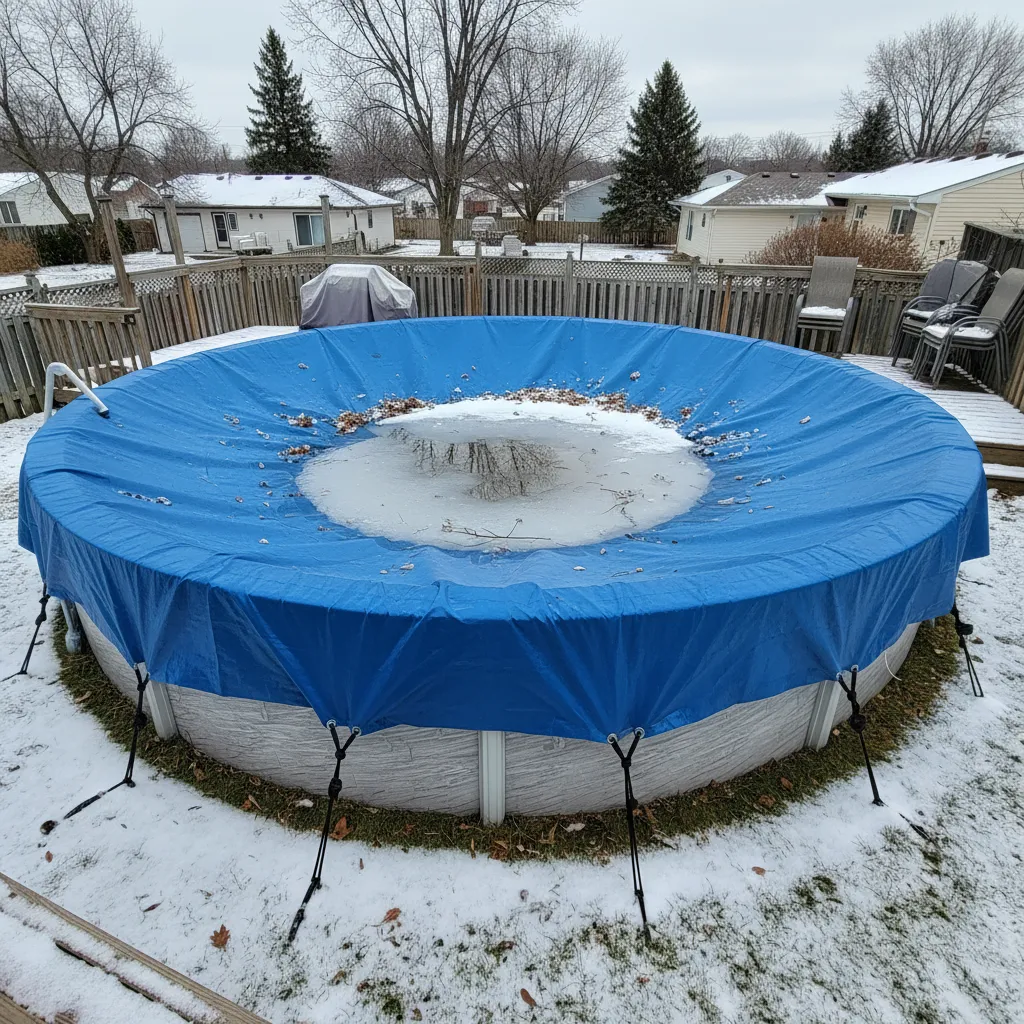
"Invest once to protect your liner and prevent a swamp in the spring."
Heavy-Duty Winter Pool Cover
Winter demand is high - check stock
Understanding Muriatic Acid’s Role in Pool Care
In pool maintenance, muriatic acid serves as a pH corrective agent. When pH rises above 7.8, chlorine loses efficiency, and calcium deposits form on surfaces. Adding this acid neutralizes excess alkalinity, restoring the ideal pH range of 7.4–7.6. Its fast action makes it preferable for large pools needing rapid adjustments.
Chemical Composition of Muriatic Acid
Muriatic acid consists of hydrogen chloride dissolved in water. The HCl molecule splits into hydrogen ions (H⁺) and chloride ions (Cl⁻) when diluted. These free H⁺ ions directly lower pH by increasing water acidity. For pools, it’s sold in liquid form at strengths between 28% and 35%, making it easier to dose compared to dry acids.
Why Muriatic Acid Is Used to Adjust Pool pH
Muriatic acid lowers pH in pools due to its high H⁺ ion concentration. Each quart of 31.5% acid can reduce pH by 0.1 in a 10,000-gallon pool. It also combats total alkalinity (TA), which stabilizes pH swings. Unlike sodium bisulfate (a dry acid), muriatic acid doesn’t add sulfates that accumulate over time, protecting pool liners and filters from long-term damage.
With the basics covered, let’s break down the chemical reactions that make pH control possible.
How Muriatic Acid Lowers Pool Ph
Balancing pool chemistry relies on controlling pH levels, which influence water clarity, equipment longevity, and sanitizer performance. Muriatic acid, a diluted form of hydrochloric acid (HCl), directly interacts with pool water to reduce pH by introducing hydrogen ions (H+). This process neutralizes excess alkalinity, making it vital for maintaining balanced conditions. Proper pool maintenance also includes effective filtration systems. A backwash pool cartridge filter is essential for removing debris and keeping your water clean and clear.
The Science Behind Ph Reduction
Muriatic acid works by dissociating into hydrogen ions (H+) and chloride ions (Cl-) when mixed with water. The surge of H+ ions increases water’s acidity, lowering pH. For example, adding one quart of muriatic acid to 10,000 gallons typically reduces pH by 0.5 units. This reaction also consumes carbonate alkalinity (HCO3-), forming carbon dioxide (CO2) gas, which escapes the water. Test total alkalinity before adjusting pH, as low levels under 80 ppm may cause unstable readings.
Does Muriatic Acid Raise Ph in Pools? (debunking Myths)
Contrary to some claims, muriatic acid never directly raises pH. Adding it always lowers pH initially. However, improper use or poor circulation can create localized pH spikes. For instance, pouring undiluted acid near pool walls may damage surfaces before fully dispersing. Over time, CO2 off-gassing from the acid reaction might slightly elevate pH, but this occurs hours later. Monitoring with test kits ensures pH remains stable post-treatment.
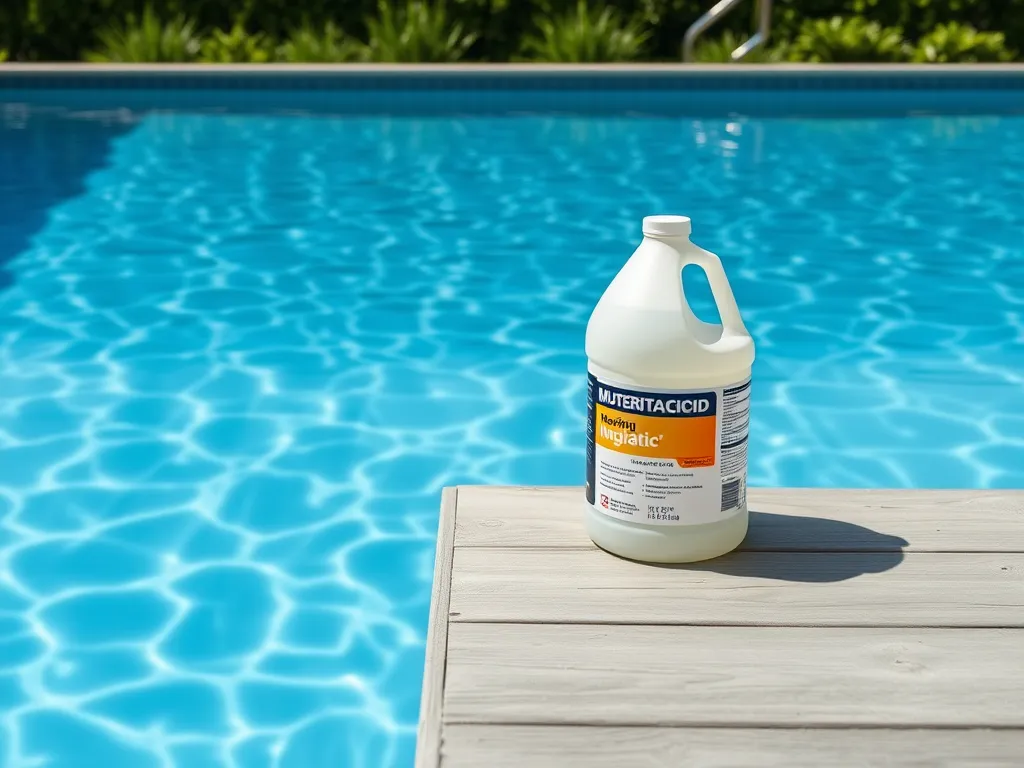
Step-by-step Guide to Lowering Pool Ph With Muriatic Acid
Proper technique maximizes safety and effectiveness when using muriatic acid. Follow these steps to avoid common pitfalls like overcorrection or surface damage.
Testing and Measuring Pool Ph Levels
Use a digital pH meter or liquid test kit for precise readings. Test strips lack reliability for fine adjustments. Ideal pH ranges from 7.4 to 7.6. If levels exceed 7.8, plan treatment. Record results alongside total alkalinity (80–120 ppm optimal), as imbalances here affect pH stability.
Calculating the Correct Dosage for Your Pool
Dosage depends on pool volume, current pH, and alkalinity. For every 10,000 gallons, 1 quart of muriatic acid (31.45% HCl) lowers pH by ~0.5 units. Always add in stages—target no more than 0.2–0.3 pH reduction per treatment. Retest after 4 hours before reapplying.
Muriatic Acid Dosage Chart by Pool Size
| Pool Size (Gallons) | pH Reduction Goal | Muriatic Acid Needed |
|---|---|---|
| 5,000 | 0.5 | 1 pint |
| 15,000 | 0.4 | 1.5 quarts |
| 20,000 | 0.3 | 1 quart |
Safe Application Techniques
Turn on the pump to circulate water. Fill a plastic bucket with 3–5 gallons of water, then slowly pour acid into the water (never vice versa). Distribute the diluted mixture evenly across the pool’s deep end. Wear nitrile gloves, goggles, and a respirator to prevent fumes or splashes. Never mix with chlorine or other chemicals. Keeping the pool clean helps prevent unwanted visitors. Ducks can be deterred by maintaining the right water chemistry and cleanliness.
Now that you’ve mastered pH adjustment with muriatic acid, let’s explore how it stacks up against pH Down products for long-term pool care.
Also See: Can You Use Pool Chlorine to Clean Vinyl Siding?
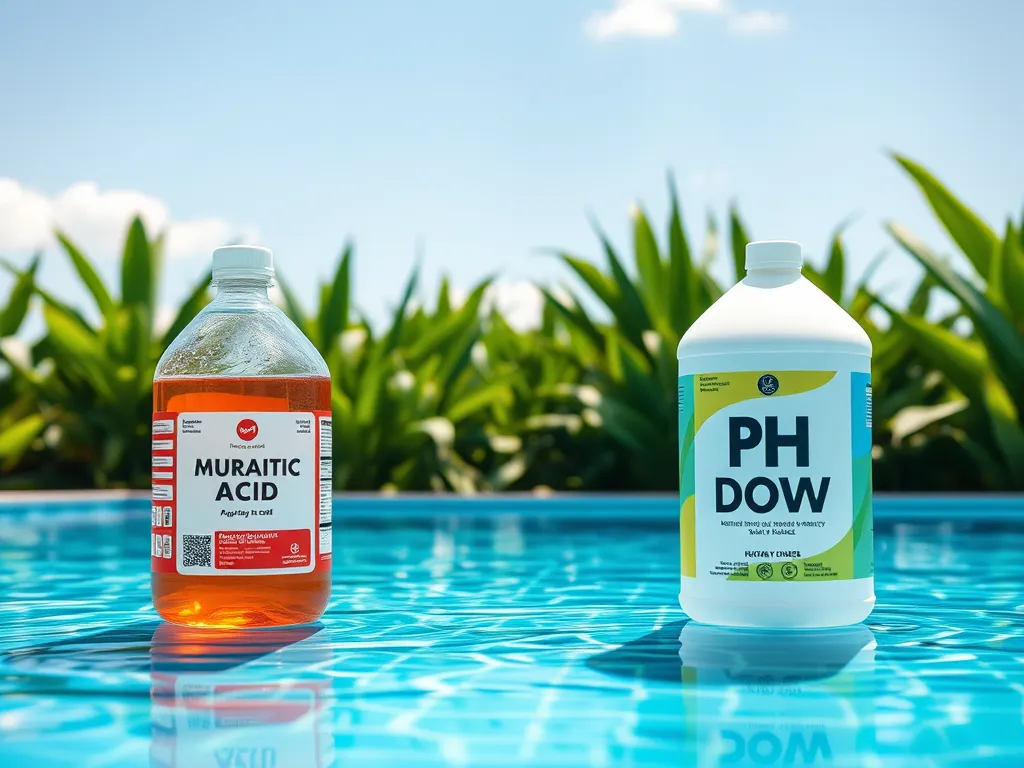
Muriatic Acid Vs. Ph Down: Which is Better for Pool Ph?
Choosing between muriatic acid and pH Down products depends on factors like speed, safety, and cost. Both lower pH but work differently. Let’s break down their strengths and weaknesses.
Pros and Cons Of Muriatic Acid
Muriatic acid (hydrochloric acid diluted to 15-30%) acts fast, reducing pH within hours. It’s cost-effective at $8-$15 per gallon and treats larger pools efficiently. Drawbacks include corrosive fumes requiring gloves and goggles. Overuse can crash pH below 7.0, risking metal corrosion or plaster damage. Maintaining proper pH is vital for pool health. Alongside this, adding a phosphate remover can help keep algae at bay and improve water clarity.
Pros and Cons Of Ph Down Products
pH Down (often sodium bisulfate) comes in granular form, safer for beginners. No harsh fumes mean simpler handling, ideal for small pH adjustments. A 5 lb container costs $20-$25 but treats fewer gallons than muriatic acid. It dissolves slower, taking 4-6 hours to stabilize, and may raise sulfate levels over time.
Cost and Effectiveness Comparison
For a 20,000-gallon pool needing a 0.2 pH drop, muriatic acid requires 12-16 oz ($0.50-$1.00 per treatment). pH Down needs 1.5 lbs ($2.50-$3.00). Muriatic acid wins for large pools or frequent use; pH Down suits spas or minor adjustments. Both work in saltwater systems, but muriatic acid helps balance alkalinity simultaneously.
How Much Muriatic Acid is Needed to Lower Ph?
Dosing muriatic acid isn’t one-size-fits-all. Variables like water volume and alkalinity impact results. Always test before adding chemicals.
Factors Influencing Dosage (Pool Size, Current Ph, Etc.)
Aim for 10-12 oz of muriatic acid per 10,000 gallons to drop pH by 0.1. For example, a 25,000-gallon pool at 8.0 pH needing 7.4 requires 60-72 oz. High alkalinity (above 120 ppm) demands extra acid—roughly 20% more. Test strips or digital kits ensure precision. Keeping pool water balanced is essential for its overall health. This is especially important when preparing a liquid shock treatment for a 15,000-gallon pool.
Adjusting Dosage for Hot Tubs Vs. Pools
Hot tubs need careful dosing—1-2 oz per 500 gallons max. Circulate jets during application to prevent localized pH crashes. Smaller volumes heat up faster, accelerating chemical reactions. Retest after 2 hours before adding more.
Safety Precautions When Using Muriatic Acid
Muriatic acid demands respect. Even diluted, it can burn skin, etch concrete, or release toxic fumes. Follow protocols to avoid accidents.
Handling and Storage Guidelines
Store in a cool, dry place away from chlorine or algaecides. Use plastic containers—never metal—to prevent corrosion. Pour acid into water, never water into acid, to avoid splashes. Keep lids sealed tight to minimize fume exposure. When considering the storage of pool chemicals outdoors, it’s important to ensure they are protected from temperature extremes. This helps maintain their effectiveness and keeps them safe for use.
Protective Gear and Ventilation Requirements
Wear chemical-resistant gloves, goggles, and a respirator mask when handling. Apply on windy days or near running pool pumps to disperse vapors. Rinse spills immediately with a garden hose. Never mix with other chemicals—chlorine reactions create dangerous gas. When working with pool equipment, safety is key. It’s important to follow proper procedures when you disassemble the Hayward pool pump to avoid accidents.
While muriatic acid is a go-to for pH control, alternatives like sodium bisulfate or aeration methods offer solutions for specific scenarios. Let’s explore when to pivot strategies.
Alternative Methods to Adjust Pool Ph
While muriatic acid lowers pH in pools effectively, other options exist for specific scenarios. Exploring alternatives ensures flexibility based on pool size, safety needs, or water chemistry goals. Taking care of your pool’s chemistry is essential, especially when it comes time to resurface pool time. Resurface pool time offers a great opportunity to refresh not only the surface but also the overall health of your pool’s water.
Other Acids for Lowering Ph (E.g., Sodium Bisulfate)
Sodium bisulfate, sold as “pH Down” or “dry acid,” offers a granular alternative to liquid muriatic acid. This compound reacts with water to release hydrogen ions, reducing pH without the strong fumes of hydrochloric acid. For every 10,000 gallons, 6 ounces of sodium bisulfate typically lowers pH by 0.1 units. Unlike muriatic acid, which requires careful dilution, dry acid can be broadcast directly into the deep end. Costs average $1.50-$2.50 per pound, slightly pricier than muriatic acid ($8-$12 per gallon), but its ease of use appeals to residential pool owners. Maintaining balanced pH levels is crucial for pool health. This is especially true to prevent issues like pool toe, a condition caused by improper water chemistry.
Trade-offs exist. Sodium bisulfate increases sulfate levels over time, potentially harming concrete surfaces or plaster finishes. It also lacks muriatic acid’s secondary benefit of dissolving mineral scale. For vinyl or fiberglass pools with minimal scaling risks, dry acid provides a low-fume option. Always test total alkalinity first—both acids lower pH, but sodium bisulfate impacts alkalinity less aggressively, requiring adjustments of 10-20 ppm per dose versus muriatic acid’s 20-50 ppm reduction.
When to Avoid Muriatic Acid
Muriatic acid isn’t ideal for minor pH adjustments. If pH sits at 7.8 and needs a 0.2 drop, aeration (running jets or waterfalls) can raise pH naturally, avoiding chemical use altogether. For pools with plaster finishes less than 30 days old, muriatic acid risks etching the surface; sodium bisulfate’s milder profile prevents damage. Saltwater pools with pH consistently below 7.2 benefit from baking soda (sodium bicarbonate) to nudge alkalinity upward instead of adding more acid. Maintaining proper pH levels is essential for a safe swimming environment. A swim shocked pool can help eliminate bacteria and ensure crystal-clear water.
Households with children or pets might opt for dry acid due to muriatic acid’s corrosive liquid form. Spills can damage decks or landscaping, and improper storage poses inhalation risks. In pools treated with cyanuric acid (stabilizer) above 80 ppm, muriatic acid’s pH-lowering effects diminish, requiring larger doses that risk overcorrection. Test strips or digital meters help verify if pH truly needs adjustment before proceeding.
With these options in mind, let’s address common questions about timing, safety, and results when balancing pool chemistry.
FAQs About Muriatic Acid and Pool Ph
How Long Should I Wait to Swim After Adding Muriatic Acid?
Wait at least 30 minutes to 1 hour after adding muriatic acid, ensuring the pool pump runs to circulate the water. Test pH levels before swimming to confirm they’re within the safe range (7.2–7.6). Proper dilution and circulation prevent skin or eye irritation.
Can Muriatic Acid Damage Pool Liners or Equipment?
Undiluted muriatic acid can corrode metal components, etch plaster, or weaken vinyl liners if poured directly into the pool. Always dilute it in water first and distribute evenly. Follow dosage guidelines to avoid pH crashes that accelerate wear on filters and heaters. Proper pool maintenance also involves using appropriate equipment. One such essential piece is the multiport valve, which helps manage water flow and filtration effectively.
What Neutralizes Muriatic Acid if Added Excessively?
To counteract over-acidification, add sodium carbonate (soda ash) or sodium bicarbonate (baking soda). Soda ash raises pH quickly, while baking soda boosts alkalinity. Test water first—adding 1 lb of soda ash per 10,000 gallons typically raises pH by 0.2. The choice of chemicals can impact overall maintenance costs for your pool. Keeping track of these expenses helps to manage your budget effectively.
Does Temperature Affect How Muriatic Acid Works?
Yes. Warmer water speeds up chemical reactions, causing muriatic acid to lower pH faster. In hot tubs or heated pools, start with half the usual dose and retest after 2 hours to avoid overcorrection.
Can I Add Muriatic Acid Directly to the Skimmer?
Never pour muriatic acid into the skimmer. It can damage pipes, filters, and pump seals. Instead, dilute it in a bucket of water and distribute it around the deep end while the pump is running for even dispersion.
Why is My Pool Ph Still High After Adding Muriatic Acid?
High alkalinity (above 120 ppm) or calcium hardness can buffer pH, resisting changes. Test total alkalinity first—if elevated, use muriatic acid to lower both pH and alkalinity in stages. Persistent issues may indicate aeration (e.g., waterfalls) raising pH naturally. Finding a balance in water chemistry is essential for maintaining a healthy aquatic environment. Regenerative filters can play a key role in stabilizing these parameters effectively.
Final Thoughts
Muriatic acid is a powerful tool for lowering pH in pools, whether you’re dealing with a standard chlorine pool or a saltwater system. Its effectiveness comes from its high acidity, which neutralizes alkaline water quickly. For precise dosing, always test your water first and follow safety protocols—gloves, goggles, and proper ventilation are non-negotiable.
While alternatives like sodium bisulfate exist, muriatic acid remains the go-to for cost-efficiency and rapid results. A 10,000-gallon pool typically needs 12–16 oz to drop pH by 0.2, but exact amounts vary based on current chemistry.
For tailored calculations, try My Pool Calculator to determine the right acid dose for your pool size and conditions. Keeping pH balanced ensures swimmer comfort, equipment longevity, and optimal sanitizer performance.
Useful References for You:
- Pentair Residential Pool Resources (Maintenance Guides)
- Understanding the Power of Muriatic Acid in Pool Maintenance
- How to Safely Add Muriatic Acid To Your Pool – Sensorex Liquid Analysis Technology
- How to Safely Use Muriatic Acid in Your Pool – Intec America Corporation
- r/pools on Reddit: Ive gone through 2 gallons of muriatic acid in the last 2 weeks and my ph is still showing at 8.2. I do it in parts and pour 29oz every 4 hours in the deep end with the filter running, what am i doing wrong?(18k gallon pool)
A pool care geek who’s been testing water chemistry since she was tall enough to reach the skimmer.
pH Levels, Pool Chemistry, Water Balance