Pool Chemical Storage: Can They Be Stored Outside?
Published on: January 2, 2026 | Last Updated: November 17, 2025
Written By: Rachael Weatherbottom
Pool chemicals can be stored outside if placed in weatherproof, lockable containers shielded from direct sunlight, rain, and temperature extremes. Outdoor storage requires strict safety measures: sealed original containers, separation of incompatible chemicals (like chlorine and acids), and elevated storage to prevent groundwater contamination. Deck boxes may work for short-term storage but need ventilation upgrades and climate monitoring to avoid dangerous fume buildup or container degradation.
This guide examines the risks and realities of outdoor chemical storage. Learn how temperature swings above 90°F accelerate chlorine tablet decomposition, why garage storage demands fire-rated cabinets, and which deck box materials withstand UV exposure. We’ll break down OSHA’s 29 CFR 1910.1200 requirements for chemical labeling and the EPA’s spill containment rules for bulk storage.
Discover storage strategies tailored to your climate—like shaded lattice enclosures for Arizona summers or insulated sheds for Minnesota winters. Compare deck boxes vs. plastic sheds for cost ($$150-$600), durability, and security. Get step-by-step solutions for preventing chemical reactions, securing chlorine tablets, and disposing of expired supplies legally. Your pool’s safety starts here.
Can Pool Chemicals Be Stored Outside?
Pool owners often ask if it’s safe to keep chemicals outside. While some options exist, outdoor storage needs strict care to stop harm to people, pets, or the stuff itself. Let’s break down the risks and how to lower them. It’s also important to consider how certain chemicals can affect pool materials. Stainless steel pool chemicals can be a safer choice, minimizing risks to your pool and surroundings.
Crucial Winterizing Products
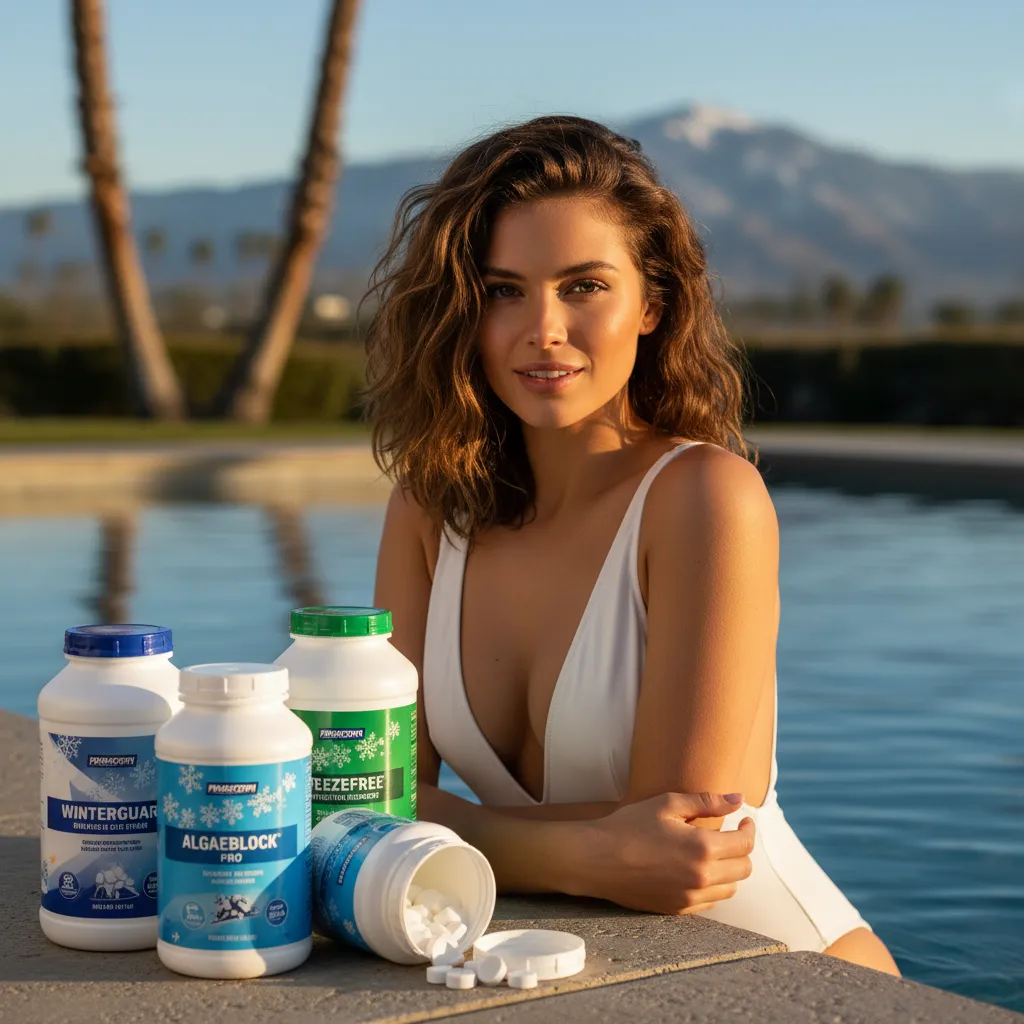
"The all-in-one solution for a guaranteed clear spring opening."
All-in-One Closing Chemical Kit
Winter demand is high - check stock

"The 'set & forget' option. This is the easiest winterizing I've ever done."
Simple 3-in-1 Winterizing Balls
Winter demand is high - check stock
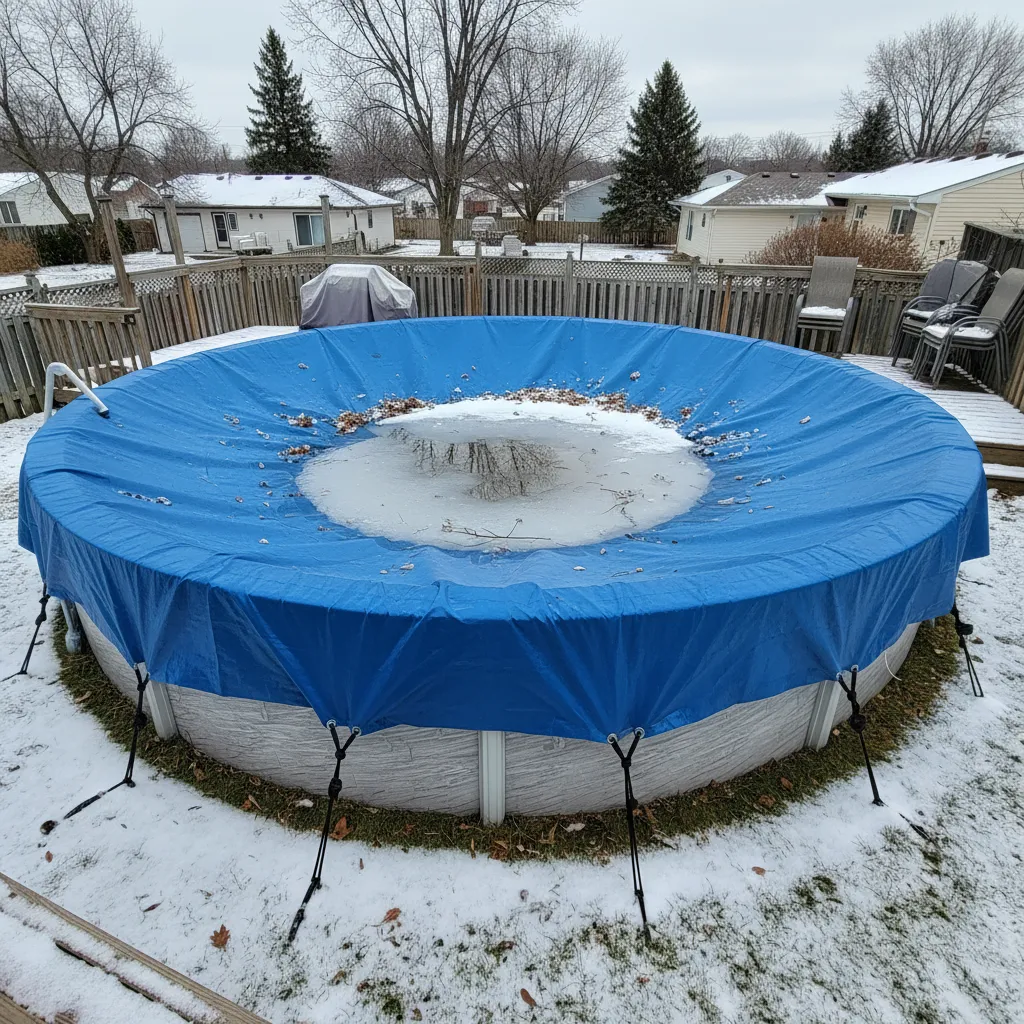
"Invest once to protect your liner and prevent a swamp in the spring."
Heavy-Duty Winter Pool Cover
Winter demand is high - check stock
Risks Of Outdoor Storage
Sun, rain, and big swings in heat or cold can wreck pool chemicals. Chlorine tabs, for example, let off toxic gas if they get wet or hit temps over 85°F. Muriatic acid eats through metal bins, and shock can clump up in damp air, making it hard to use. Even UV rays fade labels, raising the chance of mix-ups that might cause fires or fumes.
Ideal Conditions for Outdoor Storage
If you must store outside, pick a shaded spot with a locked, hard-plastic bin that won’t rust. Keep the bin off the ground on a wood pallet to stop water from getting in. Aim for temps between 50°F and 80°F—use a shed with vents or a cover that lets air flow but blocks rain. Never store bleach near acids, and check bins each week for cracks or leaks.
For those tight on space, deck boxes might seem like a fix. But can they handle the job safely? Let’s dig in.
Can You Store Pool Chemicals in a Deck Box?
Deck boxes may seem like a handy spot for pool care gear, but not all are fit for chemical storage. The right setup can make it work, while poor choices risk leaks, fumes, or worse. To ensure your pool area remains safe and functional, it’s essential to manage water accumulation effectively. A pool cover pump can help keep your pool cover free from water, protecting both your investment and the surrounding area.
Deck Box Modifications for Safe Storage
To use a deck box, start with air flow. Drill 1-inch holes near the top and bottom to stop fumes from pooling. Line the box with a thick plastic bin (30+ mil) to guard against spills. Add a lock to keep kids or pets out. Pick boxes made of UV-proof resin to block sun damage in areas with strong rays. Store liquids like chlorine below powders to avoid drip contact. Keeping chemicals safely stored is crucial for pool maintenance. This helps maintain the quality of your pool water, and regular pressure washing can also help clear out any buildup around the pool area.
Limitations Of Deck Box Storage
Deck boxes fail in extreme heat or cold. Temps above 95°F can make chlorine tablets sweat and weaken. Below 40°F, some algaecides gel up. Space is tight too—mixing chems like acid and shock in close quarters risks toxic gas. Check your box size: you need at least 6 inches between containers. If your deck gets full sun all day, skip the deck box for chems.
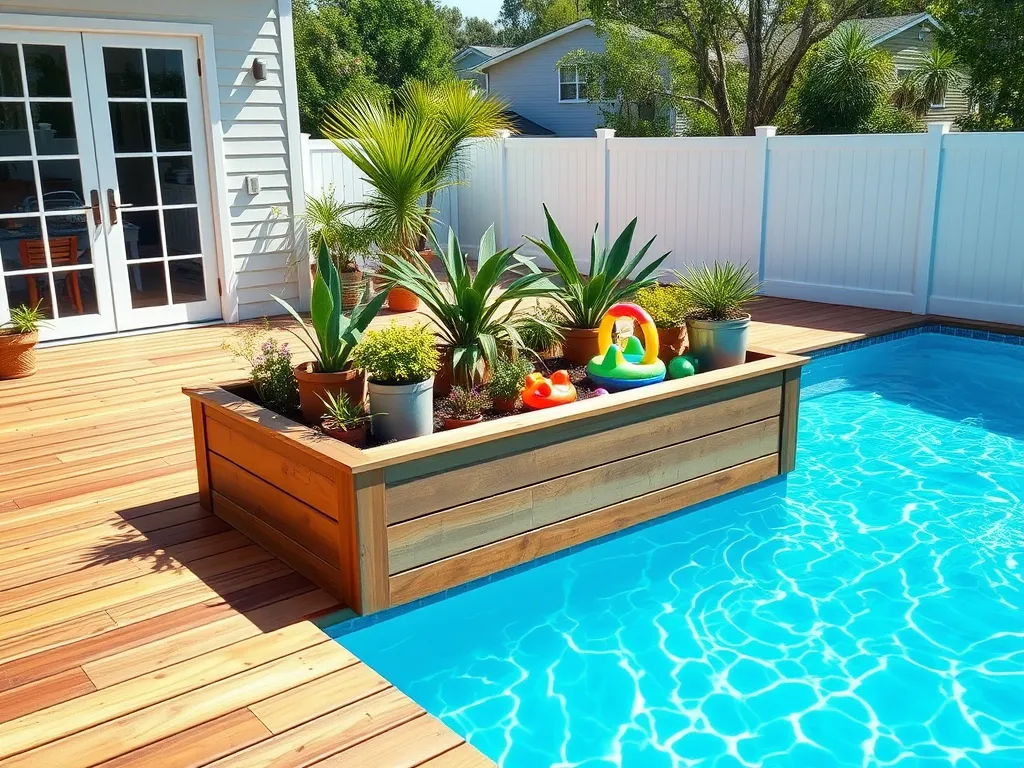
Is It Safe to Store Pool Chemicals in the Garage?
Garages work if prepped right, but common slip-ups lead to rust, fires, or fumes in your home. Follow two rules: air flow and space.
Ventilation and Fire Safety Concerns
Garages need 1-2 open windows or a vent fan running 24/7. Chlorine gas sinks, so place chems on high shelves, not the floor. Keep 10+ feet from water heaters, car batts, or tools that spark. Use metal shelves—plastic warps from leaks. Fire codes say no more than 25 lbs of chlorine per 50 sq ft in homes. Add a smoke alarm rated for chem fumes (UL Class D).
Separating Chemicals From Household Items
Store chems in sealed bins labeled “Pool Use Only.” Never share gear—a shovel used for chlorine dust can’t later move mulch. Keep 3 feet between chems and these items: paint cans (reacts with acid), grills (heat risk), or paper goods (fire fuel). Check for leaks weekly—stains on concrete may mean a bad seal. Maintaining a safe environment for pool chemicals is important for the overall pool maintenance. A backwash pool cartridge filter can help manage debris and contaminants, keeping your water clean and safe.
Up next: Why chlorine tabs need their own space, even when stored right.
Also See: Can You Put Regular Clorox in a Pool? Here’s What to Know
Where to Store Chlorine Tablets
Chlorine tablets demand precise storage conditions to maintain effectiveness and prevent hazards. These potent sanitizers degrade rapidly when exposed to environmental factors, requiring airtight solutions that balance accessibility with protection. When it comes to pool maintenance, the quality of your pool’s components matters too. A 14k gold pool can add elegance and durability, enhancing the overall experience of your swimming environment.
Secure Containers for Chlorine
Always keep chlorine tablets in their original UV-resistant buckets with tight-sealing lids. For added protection, place the bucket inside a secondary container made of HDPE (high-density polyethylene) or polypropylene. Never transfer tablets to unmarked bins or permeable bags, as chlorine off-gassing can corrode nearby metals or react with organic materials. A deck box rated for chemical storage works for temporary outdoor containment, but ensure vents remain closed during rainy periods. After adding soda ash to the pool, it’s essential to let it dissolve fully before using the water. Waiting ensures proper pH balance and keeps swimmers safe.
Avoiding Moisture and Heat Exposure
Chlorine tablets dissolve at 149°F, making shaded storage non-negotiable in sunny areas. Humidity above 60% accelerates tablet breakdown, releasing chlorine gas. Store containers on elevated pallets or shelves to prevent ground moisture absorption. In deck boxes, line the floor with silica gel packs and check tablets monthly for clumping or discoloration—signs of moisture damage. Lowering alkalinity can also enhance the effectiveness of chlorine. Using borax is one way to achieve this, as it helps to reduce high pH levels in pool water.

Regional Storage Considerations
Climate drastically impacts chemical stability. What works in Arizona’s dry heat fails in Minnesota’s freeze-thaw cycles. Tailor solutions to your local weather patterns.
Storing Pool Chemicals in Hot Climates (E.g., Texas)
Garages and deck boxes in regions with sustained 90°F+ temperatures become ovens. Use reflective insulation panels on storage containers and monitor internal temps with wireless thermometers (aim for below 80°F). Chlorine alternatives like bromine or Baquacil last longer in heat but require pH adjustments. Never store oxidizers near propane tanks or grills—common deck box neighbors that increase fire risks.
Winter Storage Precautions
Freezing expands liquid chemicals, cracking plastic jugs. Move chlorine, algaecides, and pH balancers to a climate-controlled space once temps drop below 32°F. Shock granules can stay outside if sealed in waterproof bins, but avoid metal containers that rust. For areas with heavy snowfall, elevate storage units to prevent meltwater seepage. Keeping your pool water at the right temperature is crucial for enjoyment. A DIY solar pool heater can help maintain warmth while saving on energy costs.
Best Practices for Safe Pool Chemical Storage
Effective storage extends chemical shelf life by up to 18 months and reduces accidental mixing. Follow these protocols to safeguard both your supplies and surroundings.
Temperature Control Guidelines
Maintain storage areas between 50°F and 80°F. Install vent fans in sheds or deck boxes for airflow, and use thermal curtains in garages. Digital hygrometers ($15–$30) track humidity, alerting you to risky levels. Never place containers near HVAC units or water heaters, which create erratic temperature shifts.
Preventing Chemical Reactions
Chlorine and muriatic acid produce toxic gases when mixed. Store them at least 10 feet apart, preferably on separate shelves. Use polyethylene barriers between incompatible chemicals like oxidizers and ammonia-based cleaners. Label all containers with purchase dates—most liquid chemicals expire within 12 months. When planning a DIY pool house, it’s also essential to consider safe storage for these chemicals. Creating a separate, secure area for pool supplies can keep your space organized and safe.
Labeling and Container Integrity
Faded labels lead to dangerous mistakes. Apply weatherproof vinyl labels with chemical names, concentrations, and hazard symbols. Inspect containers monthly for cracks, rust, or bulging lids. Transfer deteriorating products to new HDPE jugs, but never combine different chemicals, even if they’re the same type.
Adhering to these standards minimizes risks, but legal requirements also shape proper storage practices. Next, we’ll explore how OSHA and fire codes dictate your setup.
Legal and Safety Compliance
Storing pool chemicals requires more than picking a shady spot. Federal regulations and local fire codes dictate specific rules to prevent accidents, environmental harm, or fines up to $15,000 per violation. Let’s break down what matters most. Properly managing these chemicals includes monitoring pool water quality. For example, using a phosphate remover can be an important step in maintaining clear and healthy pool water.
OSHA and EPA Storage Requirements
The Occupational Safety and Health Administration (OSHA) mandates chemical storage areas to have proper ventilation, spill containment, and separation of incompatible materials. For example, chlorine tablets (calcium hypochlorite) must stay at least 20 feet away from muriatic acid to prevent toxic gas formation. The Environmental Protection Agency (EPA) focuses on preventing soil or groundwater contamination – outdoor storage on bare dirt or near storm drains risks penalties. Similarly, maintaining your pool equipment is important for safety and performance. If you need to troubleshoot issues with a Hayward pool pump, learning how to disassemble it properly can help you address many common problems.
| Agency | Key Rule | Impact |
|---|---|---|
| OSHA | 29 CFR 1910.1200 | Labels, SDS sheets, sealed containers |
| EPA | 40 CFR 261.33 | Spill reporting for certain chemicals |
Local Fire Code Considerations
Fire codes vary by region but often restrict storing oxidizers like chlorine in deck boxes or sheds within 5 feet of combustible materials (wood, propane tanks). Phoenix bans outdoor chemical storage above 100°F without climate-controlled units, while Minnesota requires freeze-proof containers for winter. Always check with your fire marshal before using deck boxes – some classify them as “temporary structures” with weight or volume limits.
Next, let’s tackle common questions about freezing, empty containers, and shed vs. deck box trade-offs.
FAQs: Pool Chemical Storage Solutions
How to Safely Dispose Of Expired Pool Chemicals?
Contact local hazardous waste facilities for disposal protocols—never pour chemicals down drains or toss in regular trash. Keep products in original containers with intact labels, and transport them separately in plastic bins lined with absorbent material. Mixing expired chemicals, even when disposing, can trigger dangerous reactions like chlorine gas release.
Can Pool Chemicals Be Stored Near Gardening Supplies or Fertilizers?
No. Fertilizers often contain ammonium nitrate, which reacts explosively with chlorine tablets or shock. Store pool chemicals at least 15 feet away from gardening products, and use separate, labeled storage units. Avoid sharing scoops or gloves between pool and garden supplies to prevent cross-contamination. Keeping pool chemicals organized is essential for safety. A proper mineral system can also help maintain water clarity and sanitation.
What Type Of Lock is Best for Securing Outdoor Chemical Storage?
Use stainless steel combination locks or weatherproof padlocks with shrouded shackles to resist corrosion from fumes. Keyed locks require sealed key storage nearby—avoid brass components, which degrade when exposed to chlorine. For deck boxes, install a hasp with tamper-resistant screws to prevent forced entry.
Closing Thoughts
Storing pool chemicals properly ensures safety and maintains their effectiveness. Outdoor storage is possible with precautions—ventilated, shaded areas work best. Deck boxes can be adapted but have limitations in extreme weather. Garages require careful separation from household items and proper ventilation.
Chlorine tablets demand airtight containers away from moisture and heat. Regional factors like Texas heat or northern winters need special attention. Always follow OSHA and EPA guidelines for legal compliance.
For precise chemical dosing and maintenance tips, explore My Pool Calculator. Keep your pool pristine and your storage solutions smarter.
Additional Resources for You:
- Tamminen, T. (2019). The Complete Pool Manual for Homeowners: A Step-by-Step Maintenance Guide. New York, NY: Skyhorse Publishing.
- How to Store Pool Chemicals Safely | Tampa Bay Pools
- Pool Supplies Storage | Blog: Life Unboxed
- How to Store Pool Chemicals the Right Way
- Tips for Proper Pool Chemical Storage | Swimmingpool.com
A pool care geek who’s been testing water chemistry since she was tall enough to reach the skimmer.
Chlorine, Pool Chemistry, Sanitizers