
Does Your Pool Pump Need a GFCI Breaker? Here’s What You Must Know
Published on: March 2, 2026 | Last Updated: November 17, 2025
Written By: Rachael Weatherbottom
Yes, pool pumps require GFCI (Ground Fault Circuit Interrupter) breakers by law for all residential installations. The National Electrical Code (NEC) mandates GFCI protection for pool pumps operating at 120V or 240V if the outlet is within 20 feet of the water. This rule applies to both in-ground and above-ground pools, with updates since 2017 requiring GFCI even for hardwired pumps. These breakers cut power in milliseconds if electrical imbalances occur, preventing electrocution near water.
This guide breaks down NEC rules, installation steps, and common mistakes to avoid. You’ll learn why GFCI protection isn’t optional—even for older pools—and how voltage (120V vs. 240V) impacts setup. We’ll cover recent code changes, like the 2023 NEC’s expanded requirements for pool heaters and control systems.
You’ll also find cost estimates for breaker installation ($150-$300), testing tips, and myths debunked. Whether you’re troubleshooting tripping issues or upgrading equipment, this article ensures your pool meets safety standards without guesswork.
What is a GFCI Breaker and How Does It Work?
A Ground Fault Circuit Interrupter (GFCI) breaker acts as a guardian against electrical accidents. Unlike standard breakers that only respond to overloads or short circuits, this device monitors current flow between hot and neutral wires. When even a tiny imbalance occurs—as little as 4-6 milliamps—the breaker stops power within 1/40th of a second. This rapid response prevents shocks before they escalate, making GFCI protection for pool pumps a non-negotiable layer of defense.
Crucial Winterizing Products

"The all-in-one solution for a guaranteed clear spring opening."
All-in-One Closing Chemical Kit
Winter demand is high - check stock

"The 'set & forget' option. This is the easiest winterizing I've ever done."
Simple 3-in-1 Winterizing Balls
Winter demand is high - check stock
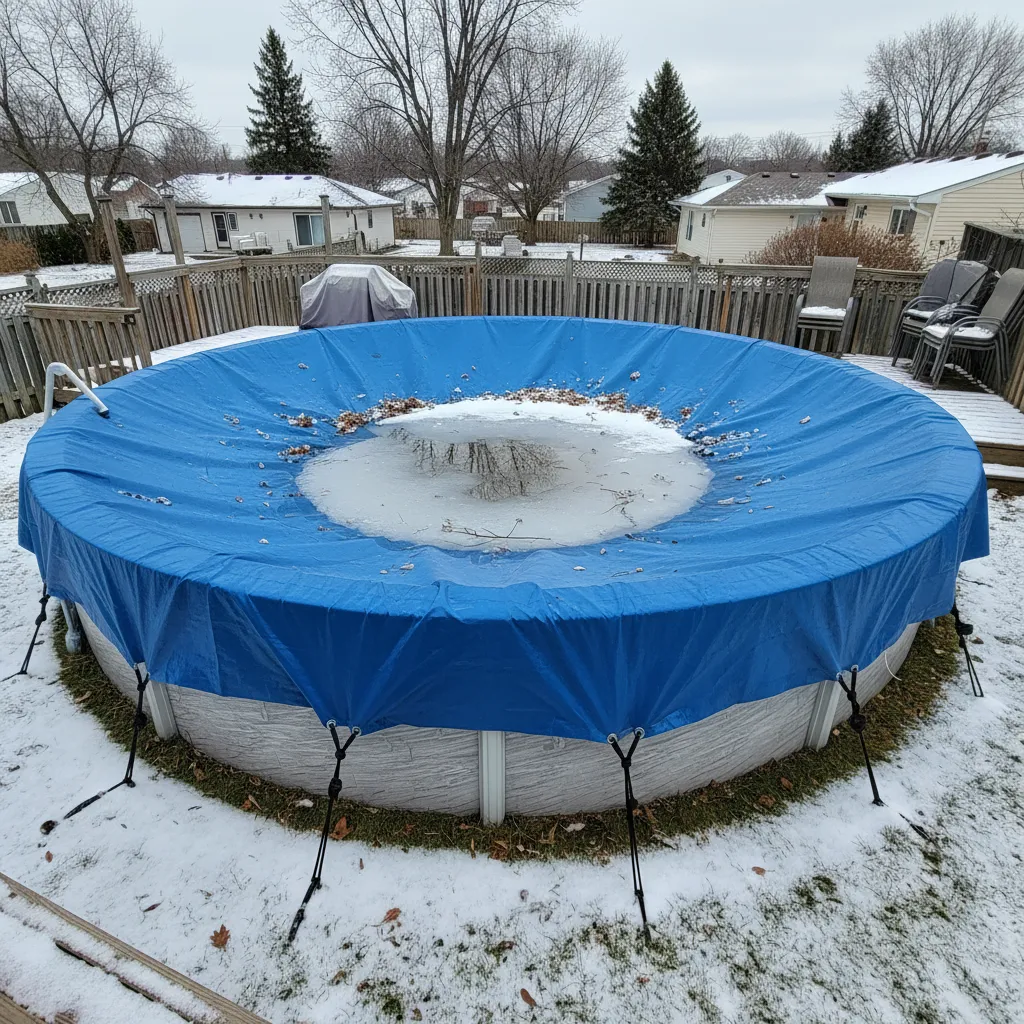
"Invest once to protect your liner and prevent a swamp in the spring."
Heavy-Duty Winter Pool Cover
Winter demand is high - check stock
Understanding GFCI Protection in Pool Care
Water and electricity create a risky mix, and pool environments amplify this danger. The National Electrical Code (NEC) mandates GFCI breakers for pool pumps due to frequent exposure to moisture, wet surfaces, and conductive materials like metal ladders or pumps. Even minor faults in wiring or equipment can electrify water, creating shock hazards. GFCI technology bridges this safety gap by detecting ground faults—instances where electricity strays outside its intended path—and shutting down the circuit before harm occurs.
How GFCI Breakers Prevent Electrical Hazards
Pool pumps operate under harsh conditions, with motors cycling on/off and components facing wear from weather. A GFCI breaker works by comparing the current leaving the hot wire to the amount returning through the neutral wire. If a 5mA difference exists (roughly 1/20th the power needed to light a bulb), the breaker trips. This threshold aligns with human safety limits, as currents above 6mA can cause muscle paralysis. For 120V and 240V pool pumps, this protection remains critical—voltage doesn’t eliminate the risk of ground faults near water.
While GFCI breakers cost $40-$100 more than standard models, their role in preventing tragedies justifies the expense. Up next: breaking down code requirements that answer the pressing question—does a pool pump need to be GFCI protected under all circumstances?
Does a Pool Pump Require a GFCI Breaker? The Short Answer
Yes, all pool pumps installed after 2021 require GFCI protection. The National Electrical Code (NEC) mandates this safety measure for both 120V and 240V systems. Pool pumps operate in wet environments where electrical faults pose severe risks, making GFCI breakers non-negotiable under modern standards. It’s also important to check for any structural issues in your pool. Cracks in the pool structure can indicate deeper problems that need to be addressed.
NEC Code Requirements for Pool Pump GFCI Protection
NEC Article 680.21(C) explicitly states that pool pump motors must have GFCI protection if connected to 15-20A, 120V-240V circuits. This applies to both in-ground and above-ground pools. Code updates in 2020 removed voltage exemptions, requiring GFCI use regardless of pump size or wiring method. Installations prior to 2017 may follow older codes, but retrofitting is strongly advised. When considering pool options, it’s important to think about the installation methods for both above-ground and in-ground pools. Proper installation techniques can ensure safety and compliance with local codes.
| NEC Edition | GFCI Requirement |
|---|---|
| 2023 | All pool pumps (120V/240V) |
| 2020 | All pool pumps (120V/240V) |
| 2017 | 120V pumps only |
Key Safety Reasons for Mandatory GFCI Use
Pool pumps combine water, electricity, and metal components – a high-risk trio. GFCI breakers detect current imbalances as small as 4-6 milliamps, tripping within 1/40th of a second to prevent lethal shocks. Without this protection, a faulty pump motor could electrify pool water or surrounding surfaces. The Consumer Product Safety Commission reports GFCI devices prevent 80% of electrocution incidents in aquatic settings. It is crucial to ensure that all electrical equipment near pools is properly maintained. A safe pool environment can help prevent dangerous electrocution incidents.
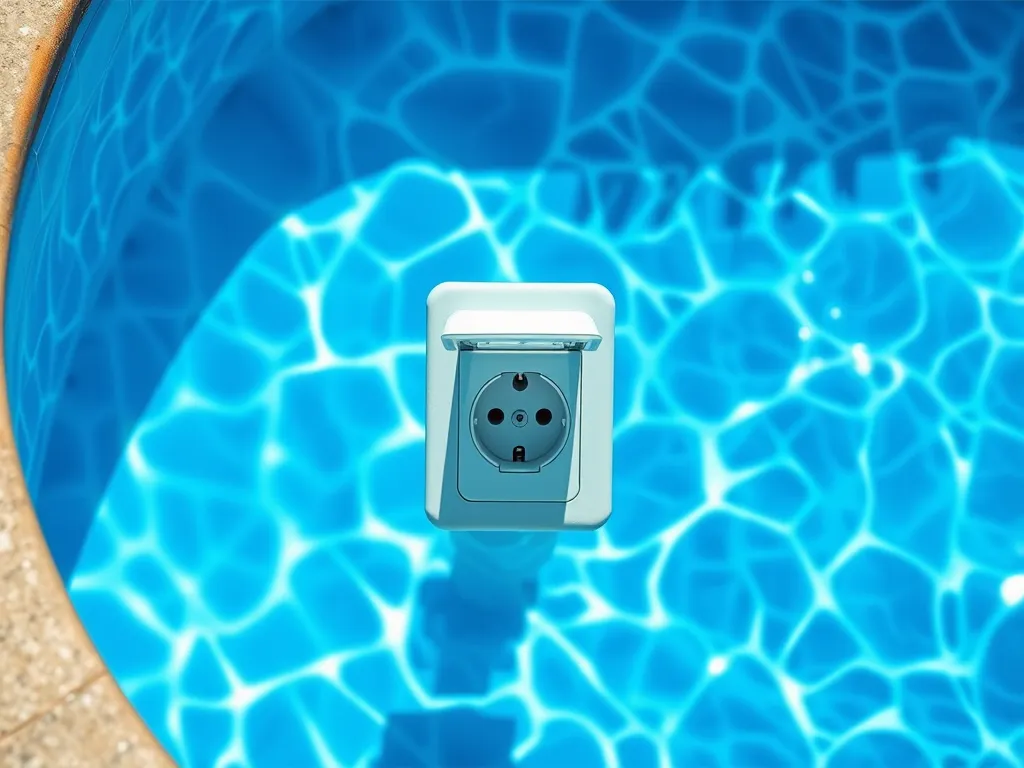
GFCI Requirements for Pool Pumps: Voltage-specific Rules
While all modern pool pumps need GFCI protection, installation specifics vary by voltage. These rules apply to permanent pumps, not temporary or portable units.
Does a 120V Pool Pump Need GFCI Protection?
Yes. Since 2008, NEC codes have required GFCI protection for 120V pool pumps. These systems use standard 15-20A circuits, which GFCIs safeguard by monitoring current flow. Even pumps with built-in insulation require this backup layer of protection. For example, a 1.5HP 120V pump drawing 12A must connect to a GFCI breaker rated for its full load.
Does a 240V Pool Pump Need GFCI Protection?
Yes. Post-2020 NEC codes eliminated the 240V exemption. High-voltage pumps now require GFCI protection, typically via two-pole breakers like the Siemens QF240 or Square D HOM220GFI. A 240V pump running on a 20A double-pole breaker needs a 20A/240V GFCI rated for continuous duty. This change addresses hidden risks in 240V systems, which can deliver twice the lethal current during faults.
Up next: We’ll trace how GFCI rules evolved over time and what this means for older pool installations.
Also See: Can You Swim in an Indoor Pool During a Thunderstorm?
When Did GFCI Protection Become Mandatory for Pool Pumps?
The rules for GFCI use with pool pumps changed over time. Let’s look at how codes evolved to keep swimmers and gear safe.
Historical Timeline Of NEC Code Updates
The National Electrical Code (NEC) first required GFCI for 120V pool pumps in 2008. By 2011, the rule covered 240V pumps. A major shift came in 2017: all pool pumps, no matter the voltage, needed GFCI. These updates cut shock risks near water, where faults can be deadly. Pool cleaners are an essential part of maintaining safety and cleanliness in swimming areas. When considering the cost of pool cleaners, it’s important to factor in both the initial purchase price and ongoing maintenance expenses.
Current Standards for New and Existing Installations
Today, new pools must use GFCI breakers for pumps. Older setups built before 2008 aren’t “grandfathered in.” If you update wiring or replace a pump, current codes apply. Local rules might go further, so check with your city’s permit office before work starts. This is especially important if you’re planning to install an above ground pool. Obtaining the right permit will ensure your pool meets safety and legal standards.

Installing a GFCI Breaker for Your Pool Pump
Putting in a GFCI breaker needs care. Mistakes can leave you at risk or void warranties.
Step-by-step Installation Guidelines
Turn off the main power first. Test wires with a volt meter to confirm they’re dead. Connect the hot wire to the breaker’s LINE terminal, the neutral to the panel bar. Attach the pump’s wires to LOAD side. Secure the breaker, then restore power. Press the TEST button—the pump should shut off. Flip the breaker to reset. Keeping the pool equipment in good condition is important for overall water quality. One issue that can arise is a rising pH level, which can affect the balance of your pool water.
GFCI Breaker Types: Choosing the Right Model
Pick a breaker that fits your panel brand (like Siemens QF or Square D Homeline). Match the amp rating (15A or 20A) to your pump’s specs. Dual-voltage models (120V/240V) cost $75-$120 and work for most setups. Avoid used breakers—old parts may fail when you need them most. Choosing the right breaker is important for your pool pump’s efficiency. Efficient pool pumps can help reduce electricity usage and save on energy bills.
Related Equipment: What Else Needs GFCI Protection?
Pools have more than pumps. Here’s what else needs shock guards.
Does a Pool Heater Require a GFCI Breaker?
Gas heaters on 120V circuits need GFCI. Electric heat pumps (240V) do too. Some units made before 2020 might lack this, but code now says all heaters must hook to GFCI. Check the manual—if it says “class A GFCI required,” don’t skip it.
Do Permanently Wired Pool Control Motors Need GFCI?
Yes. Motors for auto-covers, slide pumps, or cleaners need GFCI if they’re hardwired. Plug-in gear uses GFCI outlets, but wired gear needs a breaker. Any motor within 20 feet of the pool’s edge must have shock protection per NEC 680.22(A)(5). A pool cover is essential for safety. It helps protect the pool from debris and keeps children and pets safe.
Up next: What does it cost to add GFCI, and how do you keep it working year after year?

Cost and Maintenance Of GFCI Breakers for Pool Pumps
While GFCI protection serves as your first line of defense against electrical hazards, proper budgeting and routine care ensure long-term performance. Let’s break down financial considerations and upkeep strategies.
Typical Installation Costs Explained
Installing GFCI protection for pool pumps typically ranges from $150 to $800, depending on setup complexity. Key factors include:
- Breaker type: 120V models cost $50-$100, while 240V units run $80-$150
- Labor: Licensed electricians charge $65-$120/hour, requiring 1-3 hours for most installations
- Panel upgrades: Older homes may need $200-$500 in electrical service updates to support modern GFCI requirements
Permit fees ($50-$200) often apply, varying by municipality. Though DIY installation appears cheaper, professional work guarantees NEC compliance and proper load calculations.
How to Test and Maintain GFCI Protection
GFCI breakers demand monthly verification due to exposure to moisture and temperature swings. Follow this protocol:
- Press the “TEST” button – the breaker should trip immediately
- Reset using the “RESET” button until clicking into place
- Verify pump operation post-test
Replace breakers showing physical cracks, failed tests, or nuisance tripping. Most units last 5-7 years before needing replacement. Keep the breaker box dry and free of debris to prevent corrosion.
Common Myths and Misconceptions About GFCI Breakers
Despite updated NEC mandates, persistent myths put pool owners at risk. Let’s dismantle two dangerous assumptions.
“Older Pools Are Grandfathered in” Debunked
The NEC’s GFCI rules apply retroactively to all pools, regardless of construction date. While older installations might have originally complied with past codes, current standards mandate upgrades during:
it’s also important for pool owners to keep their equipment in good condition. This includes checking the expiration dates on pool test kits.
- Pump replacements
- Electrical service modifications
- Major renovations
Local inspectors increasingly enforce these retroactive requirements – 72% of 2023 pool electrical violations involved pre-2015 installations lacking GFCI protection.
Voltage Exemptions and Other False Assumptions
Contrary to popular belief, GFCI requirements cover all pool pump voltages. Key clarifications include:
- 240V pumps: Require GFCI per NEC 2020 Article 680.21(C)
- Dedicated circuits: No exemption exists for pumps on isolated lines
- Double-insulated motors: Still need GFCI per UL 1563 standards
Some contractors falsely claim pumps drawing under 15 amps don’t need protection – this stems from outdated 2014 code interpretations. Modern rules leave no voltage or amperage loopholes. To ensure a safe and effective swimming pool environment, it’s also important to pay attention to sanitation methods. Chlorine tablets are commonly used to maintain the water quality in pools.
While myths persist, verified code standards leave little room for interpretation. For direct answers to frequent concerns, explore our FAQ section covering exceptions, risks of non-compliance, and more.

FAQs: GFCI Breakers and Pool Pump Safety
Can I Use a GFCI Outlet Instead Of a Breaker for My Pool Pump?
Only plug-in pool pumps (rare in modern installations) can use GFCI outlets. Hardwired pumps require GFCI breakers per NEC 680.21(C). Outlets aren’t code-compliant for permanent installations, as they lack the dedicated circuit protection mandated for pool equipment.
Do Pool Pump GFCI Breakers Work Without a Ground Wire?
GFCI breakers provide shock protection even without a ground wire by monitoring current flow between hot and neutral. However, NEC still requires proper grounding for pool pumps. Missing grounds create fire risks and may cause nuisance tripping. Ensuring A GFCI for the pool heater is equipped with a GFCI can enhance safety. A GFCI for the pool heater helps prevent electrical accidents in wet environments.
How Often Should I Test My Pool Pump’s GFCI Breaker?
Test monthly using the breaker’s TEST button, especially during peak swimming season. Reset afterward to ensure functionality. GFCCI failure rates increase by 40% after 3 years of outdoor exposure, making regular checks critical.
Are Weather-resistant GFCI Breakers Required for Outdoor Pumps?
Yes. NEC 680.21(C)(3) mandates weatherproof enclosures for pool pump circuits. Standard GFCI breakers corrode 3x faster in humid environments. Look for WR (Weather Resistant) ratings and NEMA 3R or 4X enclosures.
Can Saltwater Pools Damage GFCI Breakers?
Saltwater accelerates corrosion but doesn’t directly affect GFCI function if breakers are properly rated. Use marine-grade stainless steel enclosures and apply dielectric grease to terminals annually. NEC doesn’t exempt saltwater pools from GFCI requirements. This is important to consider when choosing materials for your swimming pool. The right materials can help prevent issues and ensure longevity.
Closing Thoughts
GFCI breakers are non-negotiable for pool pump safety. The NEC mandates them for both 120V and 240V pumps, with no grandfathering for older installations. Proper GFCI protection prevents lethal shocks by cutting power within milliseconds of detecting ground faults.
Testing your GFCI monthly takes seconds—press the “Test” button to ensure it trips, then reset. Replacement costs average $40–$100 for the breaker plus labor if you’re not DIY-savvy. Compare this to the risk of injury or fines up to $5,000 for code violations.
For precise calculations on pump runtime, energy use, or flow rates, try My Pool Calculator. It simplifies complex pool maintenance tasks while keeping safety front and center.
Additional Resources for You:
- National Swimming Pool Foundation (NSPF). (2022). Pool & Spa Operator Handbook (4th ed.). Colorado Springs, CO: NSPF.
- GFCI protection for pool pumps question. | Information by Electrical Professionals for Electrical Professionals
- Do I need a GFCI breaker for my pump? | Trouble Free Pool
- When Was GFI first required on pool equipment? – DoItYourself.com Community Forums
- Does my pool pump need to be on a GFCI breaker? – Quora
A pool care geek who’s been testing water chemistry since she was tall enough to reach the skimmer.
Pool Equipment Repair, Pumps & Motors