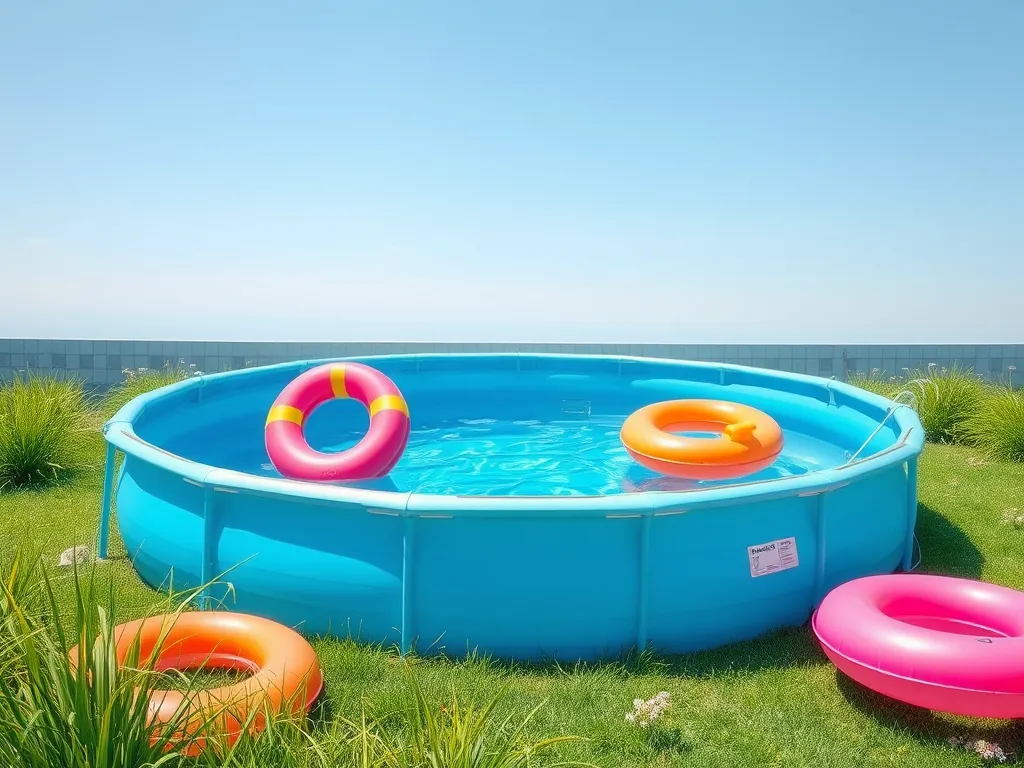
Do Above Ground Pools Need a Permit? A Complete Guide
Published on: March 25, 2026 | Last Updated: November 17, 2025
Written By: Rachael Weatherbottom
Yes, many above ground pools require permits depending on size, depth, and location. Most cities enforce rules if your pool holds more than 24 inches of water or exceeds 18 feet by 36 feet in size. Distance from property lines, underground utilities, and safety features like fencing also impact permit needs. Local building codes and zoning laws vary widely, so checking with your city or county office is the first step.
This guide breaks down key factors like pool dimensions, state-specific laws, and safety regulations. You’ll learn how Pennsylvania requires 4-foot fencing around pools, why Florida mandates hurricane straps for above ground models, and what depth triggers permits in New York. We’ll also cover how Wisconsin handles electrical inspections and New Jersey’s strict barrier rules.
Discover the real costs of skipping permits—like $500 daily fines in some areas or forced pool removal—and why insurance companies often deny claims for unpermitted installations. We’ll explain how decking or heater upgrades add permit layers and share tips for navigating HOA requirements. By the end, you’ll know exactly how to install your pool legally and safely.
Understanding Above Ground Pool Permit Basics
Before setting up your pool, know the rules. Permit needs change based on where you live, pool specs, and local codes. Let’s break down the key details.
Crucial Winterizing Products

"The all-in-one solution for a guaranteed clear spring opening."
All-in-One Closing Chemical Kit
Winter demand is high - check stock

"The 'set & forget' option. This is the easiest winterizing I've ever done."
Simple 3-in-1 Winterizing Balls
Winter demand is high - check stock
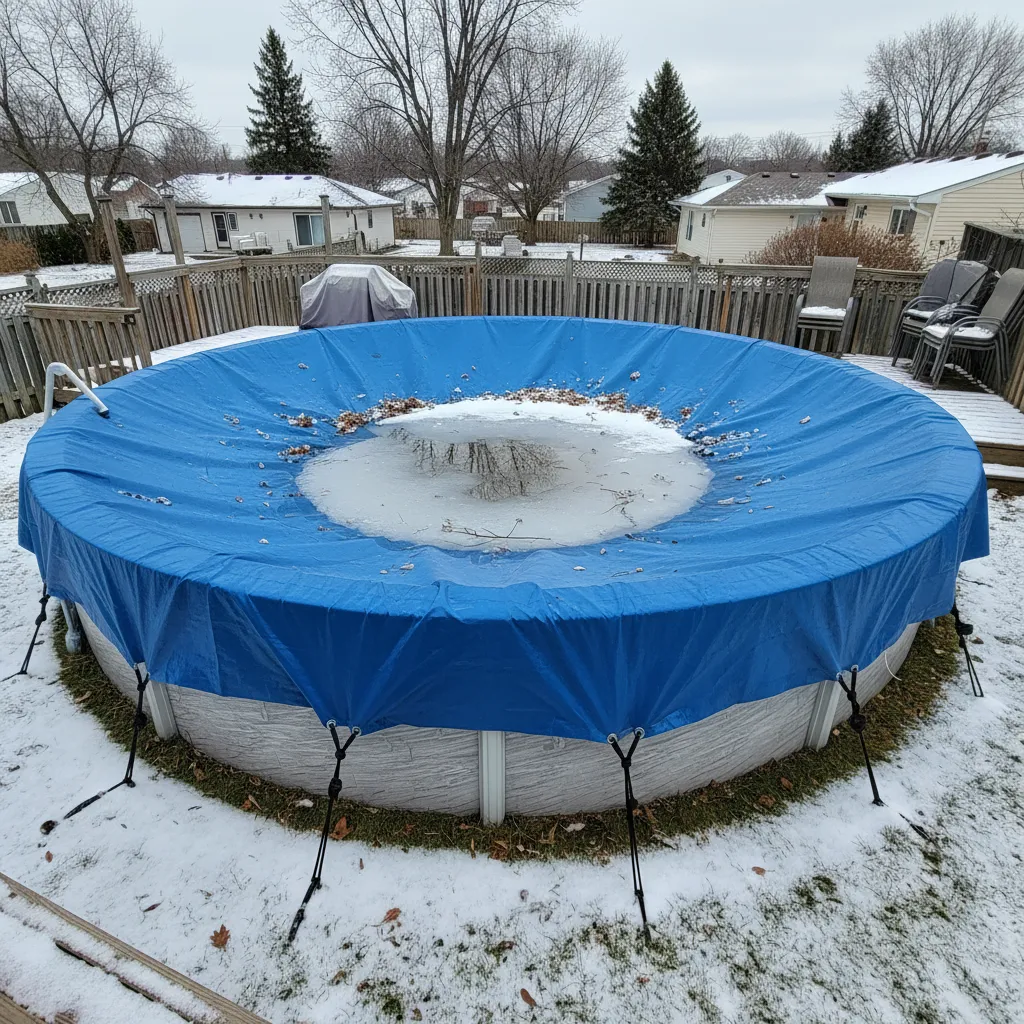
"Invest once to protect your liner and prevent a swamp in the spring."
Heavy-Duty Winter Pool Cover
Winter demand is high - check stock
Do You Need a Permit for an Above Ground Pool?
Not all pools need permits, but many do. The answer hinges on three things: how big your pool is, how close it sits to your home or lines, and your town’s rules. Always check with local offices first. Once you have the right permits, it’s time to think about keeping your pool clear and inviting. A clear green pool not only looks great but also encourages relaxation and enjoyment.
Factors That Determine Permit Requirements
Three main things drive permit needs. Pool depth and width matter most. A pool over 18-24 inches deep often needs a permit. How near it is to power lines, gas pipes, or fences also plays a role. Lastly, some towns ask for plans to check safety steps like gates or covers.
Pool Size and Depth Thresholds
Most areas set limits. For example, pools deeper than 24 inches or wider than 12 feet usually need a permit. Some towns count total water volume—pools holding over 5,000 gallons may require approval. Measure your pool’s specs before buying.
Proximity to Property Lines and Utilities
Pools must stay clear of gas lines, power boxes, or sewer pipes. Most codes say keep pools at least 10 feet from your home and 5-10 feet from fences or lot lines. These “setbacks” stop damage during digs and let workers fix pipes safely.
Once you grasp these core factors, the next step is learning your state’s exact rules. Local codes can shift fast—what works in Florida may fail in New York.
State-specific Above Ground Pool Permit Rules
Pool permit rules change based on where you live. Let’s break down key states with strict codes for above ground pools.
Pennsylvania Pool Permit Requirements
PA towns often ask for permits if your pool holds over 24 inches of water. Fees range from $75 to $150. Some areas skip permits for small inflatable pools.
Fencing and Safety Rules in PA
A 48-inch tall fence with self-latching gates must wrap pools in most PA counties. Fence gaps can’t exceed 4 inches. Alarms on home doors leading to the pool are required in Pittsburgh and Philly.
Florida Above Ground Pool Permit Guide
Florida needs permits for all pools deeper than 24 inches due to hurricane risks. Miami-Dade and Broward counties add rules for wind-rated pool walls. Expect $200+ fees and 3-week review times. These regulations contribute to the overall costs associated with installing a pool. Factors like permits and safety standards can make pools significantly more expensive.
New York Above Ground Pool Permit Laws
NY requires permits for pools holding 24+ inches of water. Suffolk County adds a 6-foot fence rule. NYC bans pools on roofs without steel supports. Permit fees hit $300 in Westchester.
Wisconsin Pool Setup Needs
Permits kick in for pools 24+ inches deep in WI. Milwaukee asks for a 4-foot fence with locked gates. Some towns like Madison check pool distance from sewer lines (must be 10+ feet away).
New Jersey Above Ground Pool Codes
NJ towns like Newark need permits for pools deeper than 18 inches. Bergen County requires a 4-foot fence with gaps under 2 inches. Pool pumps must pass noise checks (under 50 decibels at night).
Why Permits Matter for Above Ground Pools
Getting a permit isn’t just red tape. Skipping it risks fines, injuries, and home sale issues.
Safety and Liability Shield
Permits force builders to add safe drains, firm walls, and child-proof gates. If someone gets hurt in a non-permit pool, your home insurance may refuse to pay.
Steering Clear Of Law Trouble
Cities can charge $500+ per day for unpermitted pools. In Texas, 12% of pool owners get fined within 3 years. Some states make you drain the pool until permits pass.
Keeping Insurance Active
90% of home insurers ask for pool permits in your file. Without one, claims for flood damage or injuries may be denied. HO-3 policies often list pools as “not covered” if built without permits. This is important for homeowners associations (HOAs) as well, especially when it comes to their pool regulations. Many HOAs offer a private pool option, which can provide exclusive use for residents while ensuring safety standards are met.
Next up: What happens if you install a pool without following these rules? Let’s explore the risks of fines, forced removals, and value drops.
Also See: Best Competition Pools: Design, Maintenance, & More!
What Happens if You Install a Pool Without a Permit?
Ignoring permit rules for above-ground pools creates risks beyond simple paperwork issues. Local governments treat unpermitted installations as code violations, triggering immediate action once discovered. If you consider installing an above-ground pool, it’s important to be aware of regulations. Proper installation of above-ground pools can lead to a successful and enjoyable experience.
Fines and Enforcement Actions
Most jurisdictions impose daily fines starting at $500 for unpermitted pools, with penalties climbing to $5,000+ if unresolved. Code officers issue stop-work orders, preventing pool use until permits get retroactive approval. In Texas’ Travis County, property owners face $1,000 fines per day for first offenses, doubling on repeat violations. Proper pool maintenance is essential to avoid these issues. One important aspect of maintenance is monitoring and adjusting the alkalinity levels in your pool.
Forced Pool Removal Scenarios
Pools violating zoning laws or safety codes may require full dismantling. A 24-foot round pool in Sacramento was ordered removed in 2022 for sitting 3 feet too close to a gas line. Some areas allow retroactive permitting, but fees jump 200-400% compared to pre-construction applications. The costs associated with heating a pool can also add up significantly. It’s important to factor in both installation and ongoing energy expenses when considering your pool’s overall budget.
Impact on Property Value
Unpermitted pools lower resale value by 5-10% and complicate sales transactions. Title companies flag missing permits, delaying closings until issues get fixed. Home insurers may deny claims for pool-related accidents if installations bypassed local codes.

Related Structures and Additional Requirements
Above ground pools rarely exist in isolation. Most installations trigger extra permit needs for surrounding features.
Decking and Electrical Work Permits
Decks taller than 30 inches or covering 200+ square feet typically need separate permits. Pool lighting or filtration systems require licensed electricians to pull permits meeting National Electrical Code (NEC) Article 680 standards. DIY wiring fails 85% of inspections in Florida due to improper GFCI protection.
Fencing and Barrier Regulations
Six states mandate 4-6 foot fencing around all pools, regardless of depth. New York requires self-closing gates with latches 54 inches above ground. Some counties like Miami-Dade demand secondary barriers if pools sit within 10 feet of property lines. When considering a semi inground pool, it is important to think about its depth as well. The depth affects safety, enjoyment, and maintenance of the pool.
Pool Equipment Installation Rules
Gas-powered heaters need permits for venting systems, while heat pumps require 36-inch clearances from combustible materials. Permanent pool pumps must sit at least 5 feet from water edges in storm-prone areas like coastal North Carolina. Maintaining your pool equipment is important, but it’s also crucial to think about how pool chemicals can affect your belongings. Chlorine bleach can unintentionally stain or damage clothes if they come into contact with pool water.
Licensing for Pool Installation Professionals
Contractor credentials directly affect permit approvals. Over 40 states require specialized licenses for pool-related work beyond basic construction.
When Contractors Need Specialized Certifications
Builders handling vinyl-lined pools need National Swimming Pool Foundation (NSPF) certifications in 22 states. Structural modifications like adding concrete collars require International Code Council (ICC) certifications in seismic zones like California. This expertise can also extend to creating fun environments for animals. For instance, kiddie pools for chickens provide a playful way for them to cool off during hot weather.
Plumbing and Electrical Work Licenses
Pool plumbing tie-ins demand journeyman licenses in 34 states. Electricians installing underwater lighting need NEC 680-specific endorsements. New Jersey requires master electrician licenses for any pool wiring within 10 feet of water.
While compliance might seem complex, proper planning prevents 93% of common permit issues. Let’s examine how to streamline approvals with local officials…
FAQs: Above Ground Pool Permits
How Long Does It Typically Take to Get a Pool Permit Approved?
Processing times vary by jurisdiction but generally range from 2-6 weeks. Some municipalities offer expedited reviews for urgent projects, often at an additional cost.
Can I Apply for a Pool Permit Online, or is an In-person Visit Required?
Many cities now accept digital applications, though complex projects may require in-person submission of physical site plans or engineering documents for verification.
Do Temporary Pools Require Permits if They’re Only Up for a Season?
Some jurisdictions exempt seasonal installations under 90 days, but others enforce permit rules regardless of duration. Always confirm with local building authorities.
What Documentation is Needed When Applying for a Pool Permit?
Common requirements include scaled site plans, pool manufacturer specifications, property surveys, and proof of liability insurance. Certain states mandate engineer-approved designs for larger pools. As pool technology advances, monitoring systems are becoming essential. A smart pool monitor helps keep track of water quality and maintains safety standards efficiently.
Are There Any Exemptions for Small or Kiddie Pools Regarding Permits?
Many areas exempt pools under 18 inches deep or holding less than 5,000 gallons of water. However, these thresholds vary significantly between counties and townships.
How Does Having a Pool Permit Affect My Property Taxes?
Permitted pools may increase your home’s assessed value, potentially raising property taxes. Unpermitted installations risk tax reassessments with penalties if discovered later. Homeowners should be aware that the value added by a pool can lead to higher annual taxes. It’s important to consider the long-term financial implications when adding a pool to your property.
What Should I Do if My Neighbor Installs a Pool Without a Permit?
Report concerns anonymously to local code enforcement. Most agencies investigate violations while maintaining complainant confidentiality to avoid neighborhood disputes.
Are There Specific Permit Requirements for Pools in Flood Zones?
Flood-prone regions often require anchored pool structures, elevated equipment platforms, and drainage plans. FEMA-designated zones may require additional engineering certifications. When building a pool in these areas, it’s essential to consider the potential for flooding. Proper planning can help ensure safety and reduce damage.
Do I Need a Permit if I’m Replacing an Existing Above Ground Pool?
Required if modifying size, location, or electrical systems. Some jurisdictions allow permit-free replacements if using identical dimensions and meeting current safety standards.
What Inspections Are Required After Obtaining a Pool Permit?
Most areas mandate fence height/barrier checks, electrical system inspections, and final safety reviews. Coastal regions may add storm preparedness or flood compliance verifications.
Closing Thoughts
Above ground pool permits vary by location, but one thing remains constant – proper research prevents problems. Whether your pool is 24″ deep in Pennsylvania or 48″ in Florida, checking local codes ensures compliance. Fencing rules, property line setbacks, and electrical work add layers to the process.
Ignoring permits risks fines up to $5,000 in some areas, forced removal, or insurance headaches. Even inflatable pools over certain depths (often 18-24 inches) may need approval. Deck installations frequently trigger separate inspections.
For precise calculations on pool volumes, chemical dosing, or maintenance schedules, visit My Pool Calculator. Our tools simplify pool ownership while keeping you informed on regulations. Always cross-check with your municipal building department – their requirements trump general guidelines.
Additional Resources for You:
- PoolPro Magazine (Industry News & Technical Articles)
- Everything you need to know to get your pool permitted, in
- Above-ground Swimming Pool Laws & Regulations in Georgia
- r/swimmingpools on Reddit: Pool permits
- Do I need a permit for an above-ground pool? | Palm Coast Connect
A pool care geek who’s been testing water chemistry since she was tall enough to reach the skimmer.
Above ground pool, Pool Care By Type