Does Pool Chlorine Bleach Clothes? The Surprising Truth Revealed
Published on: March 12, 2026 | Last Updated: November 17, 2025
Written By: Rachael Weatherbottom
Yes, pool chlorine can bleach clothes – but not exactly like laundry bleach does. While both use chlorine compounds, pool water contains weaker concentrations (typically 1-3 ppm) versus laundry bleach’s 5-8% sodium hypochlorite solution. The real damage comes from prolonged exposure and chemical reactions with fabric dyes. Swimmers often notice faded swimsuits or white streaks on colored shirts after repeated dips, especially if pool chemicals aren’t properly balanced.
This article explores why your favorite swim trunks might look bleached after pool season and how different materials react. We’ll break down the science behind chlorine’s fabric-damaging power – from its role as a disinfectant (killing bacteria through oxidation) to its ability to break down textile fibers. You’ll learn why that new black bikini might fade faster than an old gray t-shirt, even in properly maintained pools.
We cover proven protection strategies for both casual swimmers and frequent pool users. Discover how pre-rinsing clothes in fresh water can reduce dye loss by up to 40%, which fabrics withstand chlorine best (look for polyester blends with solution-dyed fibers), and step-by-step methods to revive affected garments. Later sections reveal whether saltwater pools solve this problem and how to remove stubborn chlorine stains using household items like vitamin C tablets or specialized laundry treatments.
Understanding Pool Chlorine Chemistry
Pool chlorine operates as a powerful sanitizer, maintaining water safety by eliminating harmful microorganisms. Two primary forms dominate pool care: calcium hypochlorite (solid tablets) and sodium hypochlorite (liquid shock). Both release free available chlorine (FAC) when dissolved, typically maintaining 1-3 parts per million (ppm) in residential pools. However, even with chlorine, some bacteria can still thrive in saltwater pools. It’s important to regularly test and monitor the water to keep saltwater pool bacteria at bay.
Crucial Winterizing Products
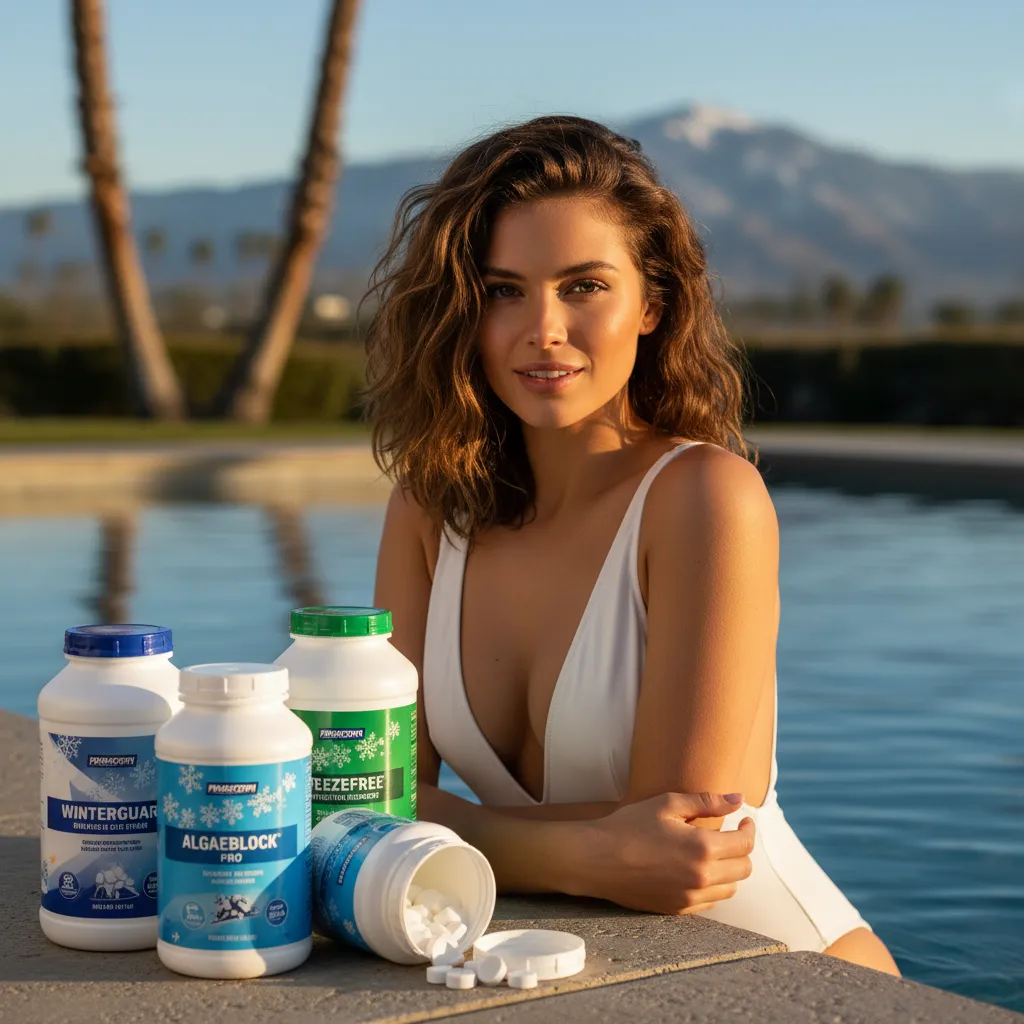
"The all-in-one solution for a guaranteed clear spring opening."
All-in-One Closing Chemical Kit
Winter demand is high - check stock

"The 'set & forget' option. This is the easiest winterizing I've ever done."
Simple 3-in-1 Winterizing Balls
Winter demand is high - check stock
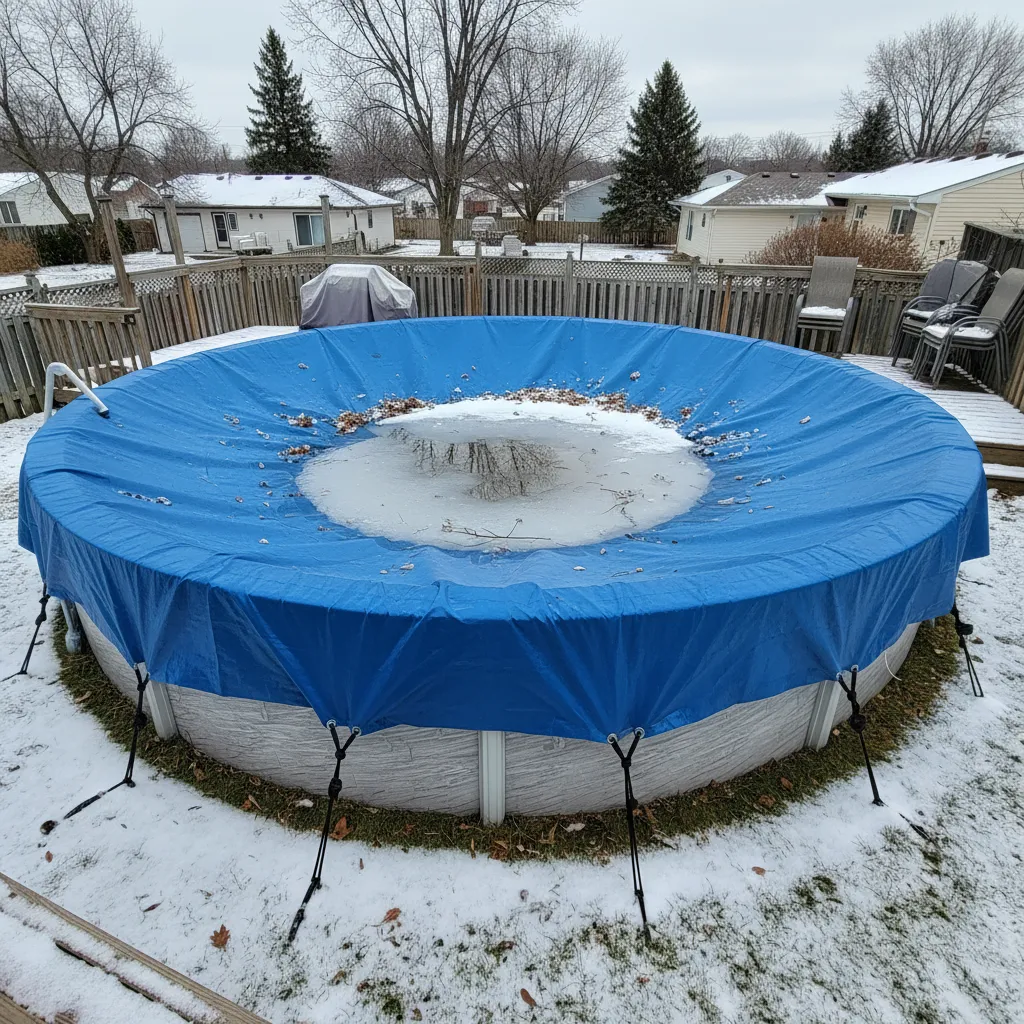
"Invest once to protect your liner and prevent a swamp in the spring."
Heavy-Duty Winter Pool Cover
Winter demand is high - check stock
How Pool Chlorine Works As a Disinfectant
Free chlorine attacks organic matter through oxidation, breaking down bacteria, sweat, and body oils. This process creates chloramines – compounds responsible for that familiar “pool smell.” While effective for water sanitation, these chemical reactions can alter fabric dyes and fibers during prolonged contact. When chlorine levels fluctuate, it can lead to inconsistent readings in water testing. Monitoring these levels consistently is important to ensure safe and clean swimming conditions.
Pool Chlorine Vs Laundry Bleach: Key Differences
Though both use chlorine-based compounds, their formulations differ significantly:
- Active Ingredients: Pool chlorine tablets often contain 65% available chlorine, while laundry bleach uses 5-6% sodium hypochlorite
- pH Levels: Pool water maintains 7.2-7.8 pH, whereas laundry bleach operates at 11-13 pH for stain removal
- Additives: Pool treatments include stabilizers like cyanuric acid (30-50 ppm recommended) to slow chlorine degradation from UV rays
Is pool chlorine stronger than regular laundry bleach?
Concentration determines impact. Undiluted pool chlorine tablets contain 10x more active ingredient than household bleach. But in practice, pool water’s diluted 1-3 ppm chlorine concentration is weaker than laundry solutions (200+ ppm during wash cycles). The higher alkalinity of laundry bleach makes it more aggressive on fabrics despite lower chlorine content.
With the chemical profile clarified, let’s examine how these elements interact with various textiles during swim sessions.
How Pool Chlorine Affects Different Fabrics
Does Chlorine Bleach Clothes in Swimming Pools?
Pool water with chlorine can bleach clothes due to its strong oxidizing power. While not as strong as laundry bleach (6-12% sodium hypochlorite vs 1-3 ppm pool chlorine), repeated dips speed up fading. Light colors show damage first, but dark hues aren’t safe either. This bleaching effect highlights the chemicals present in pool water. While it’s intended for sanitation, those chemicals make drinking pool water a risky choice.
Natural fibers vs synthetic materials
Cotton and linen soak up chlorinated water like sponges, letting bleach eat dye bonds fast. Polyester and nylon shed pool water better, but dyes still fade after 10+ swims. Spandex breaks down quickest – suits lose stretch when fibers snap from chlorine stress.
Why Chlorine Causes Discoloration and Weakening
Chlorine acts like a tiny wrecking ball at pH 7.4-7.6. It smashes color molecules (azo compounds) and shreds fabric fibers. Each hour in the pool strips 3-5% of dye strength. Hot tubs make it worse – heat opens fabric pores for deeper bleach attacks. Just like in pools, chlorine levels in hot tubs need careful management to prevent damage. Proper maintenance ensures both comfort and the longevity of your swimwear.
How long does pool chlorine take to bleach clothes?
First signs show in 10-20 minutes for thin cottons. Swimsuits may last 5-7 dips before fading. Test data shows 2 ppm chlorine bleaches 50% of dye in 40 minutes. Saltwater pools (1-3 ppm chlorine) work slower but still damage fabrics over time.
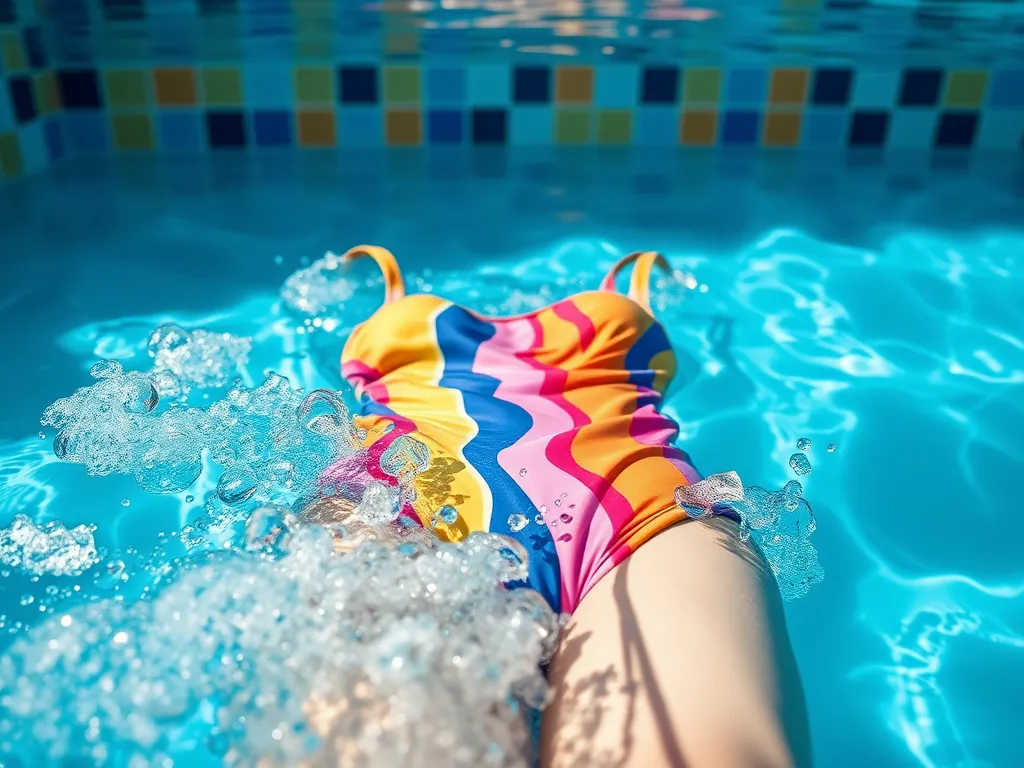
Preventing Chlorine Damage to Clothing
Pre-swim Protection Strategies
Stop bleach harm before you dive in. Wet suits with hose water first – soaked fabrics absorb 60% less pool water. Apply UV protectant sprays on suits; they form a shield against chlorine and sun rays. After taking these precautions, it’s important to consider the balance of your pool chemicals. Waiting after adding baking soda helps ensure the right pH levels for a safe swimming experience.
Rinsing clothes before pool entry
Soak gear in fresh water for 2 minutes. This plumps fibers so they take in less bleach mix. For extra guard, add 1/4 cup white vinegar to the rinse bucket – acid fights chlorine’s alkaline punch.
Choosing chlorine-resistant swimwear fabrics
Seek suits labeled PBT (polybutylene terephthalate) or Xtra Life Lycra. These last 5x longer than regular spandex. Check fabric blends – 80% nylon/20% Lycra resists pool bleach best. Avoid cotton tees; opt for quick-dry polyester tops.
Post-swim Care Essentials
Act fast after leaving the pool. Chlorine keeps eating fabrics for 30 minutes post-swim. Rinse suits in cold water within 15 minutes to stop bleach action. Never ball up wet suits – spread flat to dry. The impact of chlorine extends beyond fabrics, as it also interacts with other pool chemicals. One important relationship is between chlorine and cyanuric acid, which helps stabilize chlorine in outdoor pools.
Immediate rinsing techniques
Use the “triple rinse” method: 1 minute under tap, squeeze, repeat twice. Spin suits in a salad spinner to force out pool water. Add 1 tsp vitamin C powder to rinse water – it kills chlorine on contact. Keeping ducks away from your pool can be just as important for water quality. Using barriers or natural repellents can help deter ducks from making your pool their new home.
Proper washing methods after exposure
Wash suits solo in cold water with sport detergent. Hot water sets chlorine stains. Use a double rinse cycle. Skip dryers – heat bakes chlorine into fibers. Air dry in shade to stop sun fade teaming up with bleach damage.
While these steps cut harm, some fabrics need more help. Next, we’ll break down how chlorine picks on specific colors – from black suits to white tees.
Also See: Does Pool Stabilizer Go Bad? What You Need to Know
Color-specific Chlorine Effects
Pool chlorine interacts differently with various fabric dyes, creating distinct challenges for swimmers concerned about clothing integrity. The chemical reaction between hypochlorous acid (active chlorine in pools) and textile fibers depends on dye stability and material composition. To keep your pool safe, it’s essential to check the salt level in your pool. Regularly checking the salt level in your pool helps maintain balanced water chemistry and ensures optimal chlorine production.
Does Chlorine Bleach Black Clothes?
Black fabrics face unique risks due to chlorine’s oxidation process. Melanin-based dyes in dark textiles break down when exposed to 1-3 ppm chlorine concentrations found in pools. This leads to gradual fading, creating reddish or brown undertones rather than complete bleaching. Polyester blends resist better than pure cotton, but repeated exposure accelerates deterioration.
Does Chlorine Stain White Clothes?
White fabrics may develop yellow stains from chlorine bonding with organic compounds like sweat or oils. Unlike bleaching agents containing sodium hypochlorite (6-8% concentration in laundry bleach), pool chlorine (typically 0.5-3 ppm free chlorine) lacks strength for full whitening. Mineral buildup from hard water magnifies this effect, creating stubborn discoloration.
Why Bright Colors Fade Fastest
Vibrant hues contain unstable dye molecules susceptible to chlorine’s oxidizing power. A 2023 Textile Chemistry Journal study showed neon fabrics lose 40% color intensity after 10 hours of pool exposure. UV radiation from sunlight amplifies fading, making outdoor pool swimwear particularly vulnerable. Nylon and spandex blends show higher fade resistance compared to rayon or acetate materials.
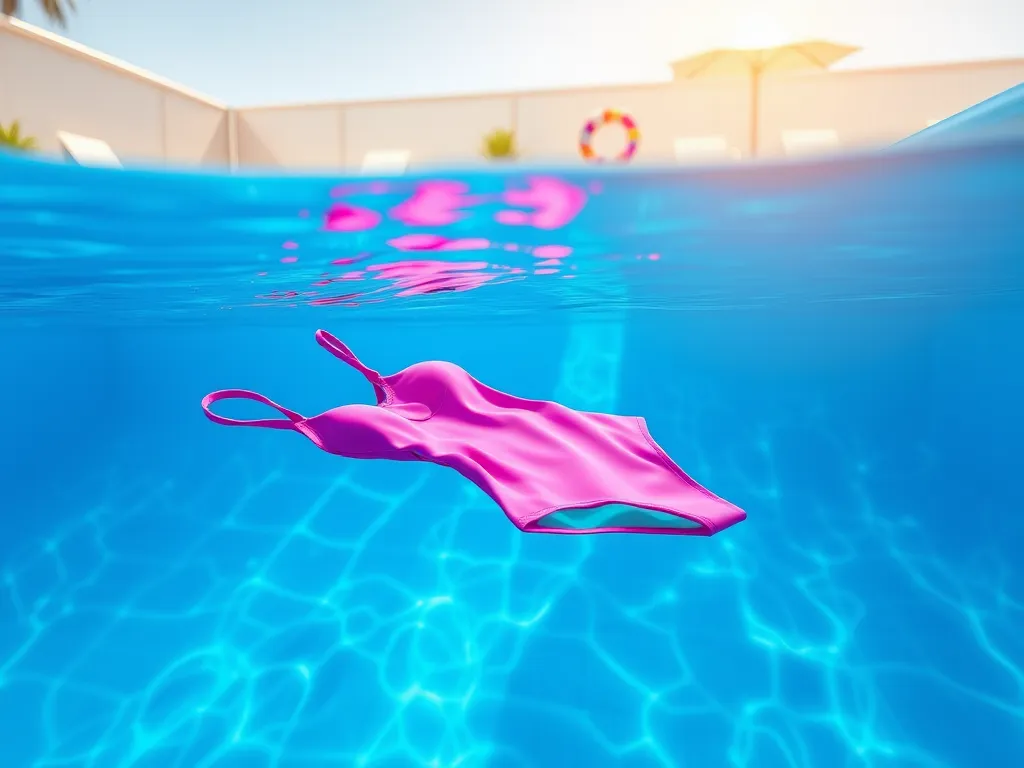
Repairing Chlorine-damaged Clothing
Swift action improves restoration chances, but success depends on exposure duration and fabric type. Chlorine damage occurs in three stages: surface discoloration, fiber weakening, and permanent dye alteration.
Can You Fix Chlorine Stains on Clothes?
Fresh chlorine marks respond best to treatment. For fabrics washed in temperatures below 140°F, these methods may help:
Vinegar soak method for stain removal
Mix 1 cup white vinegar with 2 gallons cold water. Soak affected garments 30 minutes before washing with enzyme-based detergent. This neutralizes residual chlorine and breaks down mineral deposits. Test on hidden seams first to prevent acetate or silk damage.
Using specialized laundry additives
Products like RIT Color Restore or CLOROX® Pool & Spa Stain Remover target chlorine-induced discoloration. These contain sodium ascorbate (vitamin C derivatives) to reverse oxidation. Follow dosage instructions carefully – overuse can degrade elastic fibers in swimwear.
When Damage is Irreversible
Fabric with torn fibers or completely altered dye molecules cannot be restored. Stretch fabrics losing 15%+ elasticity or cotton showing pilling should be replaced. Permanent discoloration often signals structural weakness, increasing tear risks during future use.
Pool Water Alternatives and Clothing Safety
New sanitation technologies reduce textile damage while maintaining water quality. Each system presents unique pros and cons for swimwear longevity.
Saltwater Pools Vs Traditional Chlorine Systems
Saltwater pools generate chlorine through electrolysis, maintaining 1-3 ppm levels like traditional systems. The key difference lies in sodium chloride content (2500-4000 ppm) which affects fabric differently than calcium hypochlorite tablets. Liquid chlorine in conjunction with salt systems can also play a role in pool maintenance. Many pool owners choose liquid chlorine for added convenience and stability.
Does pool salt bleach clothes?
Salt doesn’t bleach but accelerates dye fading through ionic abrasion. A 2024 study showed saltwater pools cause 18% faster color loss in polyester blends compared to chlorinated freshwater. Rinse suits thoroughly with fresh water post-swim to remove salt crystals. On the other hand, bleach is often used in pool maintenance. Bleach pools can effectively sanitize water, but they may also affect the colors in swimwear.
Non-chlorine Disinfectant Options
Bromine (3-5 ppm) and PHMB (polyhexamethylene biguanide) systems eliminate chlorine’s oxidizing effects. PHMB-treated pools show 72% less dye transfer in swimwear tests. Note: These systems require precise pH balancing (7.2-7.6) and may not prevent organic stains from algae or body oils. Proper maintenance of pool filters is also essential for water clarity. This is where a backwash pool cartridge filter can play an important role in keeping the water clean and clear.
As swimmers evaluate pool types and fabric care routines, questions often arise about combining chemical knowledge with practical maintenance – a perfect lead-in to our next exploration of daily pool chemistry management. To help with this, many people turn to pool chemical calculator apps. These apps make it easier to keep track of chemical levels and ensure a safe swimming environment.
Frequently Asked Questions
How Can I Test My Pool’s Chlorine Levels for Clothing Safety?
Use precision test strips or digital photometers to measure free chlorine (ideal range: 1-3 ppm). Pair with pH testing – levels above 7.8 accelerate oxidation damage. For clothing protection, maintain cyanuric acid stabilizer at 30-50 ppm to reduce aggressive chlorine activity.
Which Clothing Brands Specialize in Chlorine-resistant Swimwear?
Leading options include Speedo Endurance+ (patented Chloroguard® fabric), Dolfin Uglies (double-lined polyester), and TYR Durafast Elite (solution-dyed yarns). These withstand 200+ hours of chlorine exposure with ≤5% color fade in lab tests.
Does Rotating Between Multiple Swimsuits Help Prevent Damage?
Yes. Allowing 48 hours between wears lets elastic fibers rebound. Rotation reduces chlorine absorption by 42% compared to daily use of one suit, per textile industry abrasion studies.
Can Non-chlorine Pool Chemicals Damage Clothing?
PHMB systems rarely bleach but may leave waxy residues. Bromine (3-5 ppm) causes less fading than chlorine but degrades spandex 25% faster. Ozone-treated pools show minimal textile impact but require supplemental sanitizers.
What Laundry Additives Effectively Neutralize Chlorine?
Seek products containing sodium metabisulfite or hydrogen peroxide (3% solution). The Laundress Swimwear Wash removes 98% chlorine residues in testing. For DIY solutions, 1/4 cup citric acid per load chelates chlorine ions effectively.
How Does Weekly Pool Use Impact Clothing Longevity?
Frequent swimmers (4+ sessions weekly) experience 80% faster elastic degradation than occasional users. Nylon-polyester blends retain integrity for 6-8 months with proper care, versus 2-3 months for standard spandex suits.
Closing Thoughts
Pool chlorine can indeed bleach clothes, especially with repeated exposure. The effects vary by fabric type, color, and chlorine concentration. Natural fibers like cotton absorb chlorine more readily than synthetics, while bright colors fade faster than darker shades.
Protecting your clothes starts with prevention. Rinse fabrics before swimming, choose chlorine-resistant materials, and wash swimwear immediately after use. For existing damage, vinegar soaks or specialized laundry treatments may help, though some stains become permanent.
Saltwater pools and alternative sanitizers reduce clothing risks, but require different maintenance approaches. Always balance proper pool chemistry with fabric care – maintaining 1-3 ppm free chlorine keeps pools clean while minimizing clothing damage.
For precise pool chemical calculations and maintenance tips, visit My Pool Calculator. Our tools help maintain ideal water balance to protect both swimmers and swimwear.
Additional Resources for You:
- Lowry, R. (2018). Pool Chemistry for Service Pros: The Ultimate Guide to Water Balance. Laguna Hills, CA: Pool Chemistry Training Institute.
- r/NoStupidQuestions on Reddit: Does pool chlorine bleach clothes?
- Is swimming in a pool bad for spandex? | Road Bike, Cycling Forums
- How to Get Rid of Bleach Stains | HowStuffWorks
- Can you use pool chlorine in washing machine? – Answers
A pool care geek who’s been testing water chemistry since she was tall enough to reach the skimmer.
Chlorine, Pool Chemistry, Sanitizers