Can You Add Chlorine to a Saltwater Pool? The Straight Facts
Published on: January 6, 2026 | Last Updated: November 17, 2025
Written By: Rachael Weatherbottom
Yes, liquid chlorine can be added to saltwater pools for quick sanitation boosts, while adding salt to traditional chlorine pools risks equipment damage unless specifically designed for brine solutions. Saltwater pools use electrolytic chlorinators to convert dissolved salt (2,500-4,000 ppm) into chlorine, meaning both systems ultimately sanitize with chlorine – but their maintenance requirements differ significantly. Combining these methods requires precise water chemistry management to avoid corrosion, scaling, or chlorine lock.
This article breaks down seven critical scenarios pool owners face: tackling algae outbreaks in salt systems, fixing chlorinator failures, recovering from heavy rainfall, and converting chlorine pools to saltwater setups. You’ll get specific dosage formulas, salt concentration thresholds for non-salt pools, and corrosion prevention tactics for vinyl liners versus concrete surfaces.
We’ll analyze real-world cases where dual chlorination makes sense, like shocking salt pools after parties versus maintaining daily residuals. Technical comparisons cover cost differences (liquid chlorine costs $5-$8 per gallon vs salt cells at $400-$900), equipment lifespan impacts, and how sodium hypochlorite interacts with existing saltwater chemistry at varying pH levels.
How Saltwater Pool Systems Work
Saltwater pools use dissolved salt and specialized equipment to create chlorine automatically. Unlike traditional pools that rely on manual chlorine additions, these systems convert salt into sanitizing agents through electrolysis. This process maintains consistent chlorine levels while reducing handling of harsh chemicals.
Crucial Winterizing Products
"The all-in-one solution for a guaranteed clear spring opening."
All-in-One Closing Chemical Kit
Winter demand is high - check stock

"The 'set & forget' option. This is the easiest winterizing I've ever done."
Simple 3-in-1 Winterizing Balls
Winter demand is high - check stock
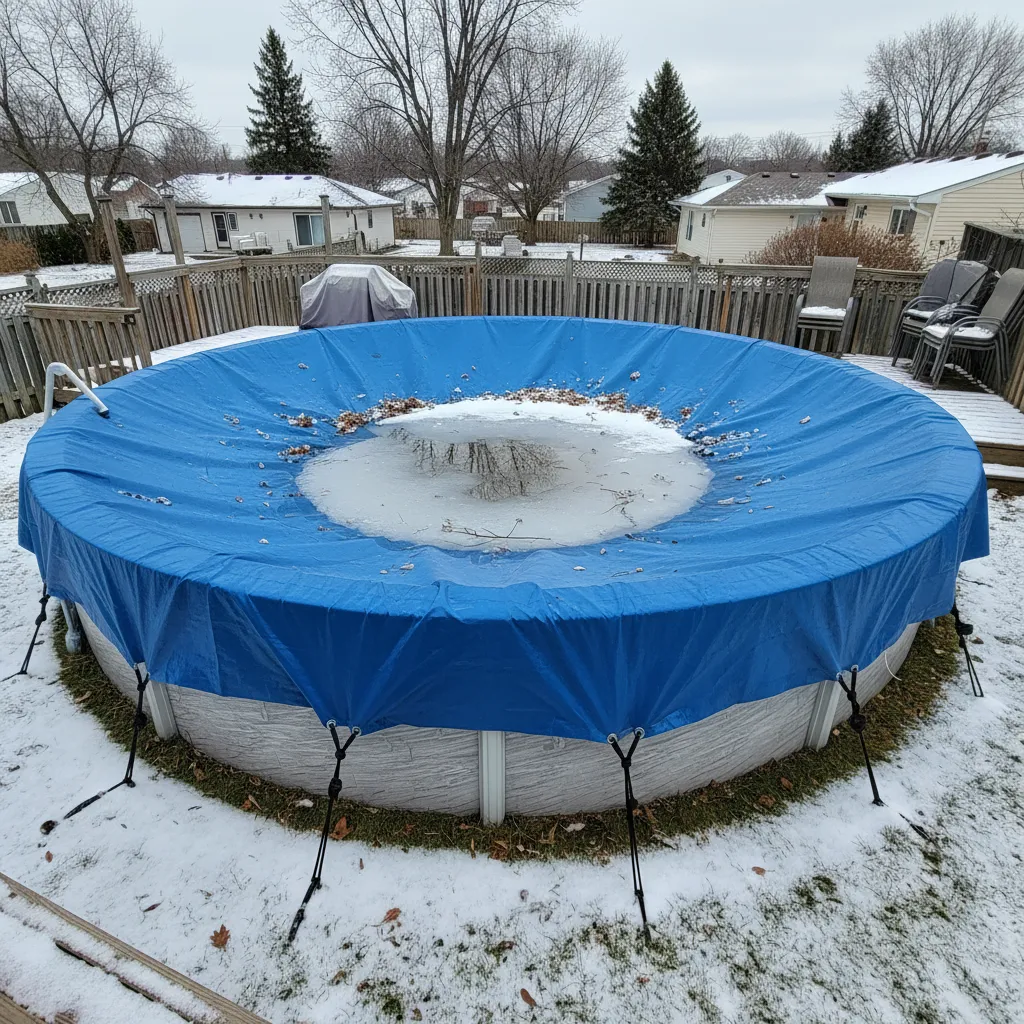
"Invest once to protect your liner and prevent a swamp in the spring."
Heavy-Duty Winter Pool Cover
Winter demand is high - check stock
The Role Of Salt Chlorinators
A salt chlorinator contains three main parts: a control panel, electrolytic cell, and salinity sensor. The cell applies a low-voltage current to saltwater (typically 2,700–3,400 ppm), triggering a chemical reaction. As water flows through the cell, dissolved salt (NaCl) splits into sodium and chloride ions. These components then recombine to form hypochlorous acid—the active sanitizer that eliminates bacteria and algae.
- Control panel: Adjusts chlorine output based on pool size and usage
- Titanium plates: Catalyze electrolysis within the cell
- Self-cleaning cycles: Prevent calcium buildup on components
Natural Chlorine Generation Process
The system continuously produces 1–3 ppm of free chlorine, matching EPA guidelines for pool sanitation. Since generated chlorine degrades faster than stabilized forms, saltwater pools maintain lower cyanuric acid levels (30–50 ppm vs. 30–100 ppm in traditional pools). This cycle repeats as chlorine reverts to salt after oxidation, creating a closed-loop system requiring 80% less manual chlorine input annually.
Despite automation, salt pools aren’t chlorine-free. Heavy rainfall, swimmer load, or equipment issues can drop chlorine residuals below 1 ppm. In these cases, adding liquid chlorine (sodium hypochlorite) becomes necessary to restore sanitizer levels without altering salt concentration.
While these systems automate chlorine production, specific situations demand manual intervention—a reality we’ll explore next when addressing supplemental chlorination needs.
Adding Liquid Chlorine to a Saltwater Pool: When &Amp; Why
Saltwater pools generate chlorine through electrolysis via salt chlorinators, but there are times when adding liquid chlorine (sodium hypochlorite) becomes necessary. Let’s break down specific situations where manual chlorination complements automated systems. After adding these chemicals, it’s important to know when it’s safe to swim again. Waiting a little while ensures that the chemicals work effectively and keeps swimmers safe.
Scenarios Requiring Supplemental Chlorine
While salt cells maintain 1-3 ppm chlorine levels under normal conditions, three scenarios demand immediate liquid chlorine intervention:
Algae Outbreaks
Visible algae growth indicates chlorine levels below 1 ppm. Shock treatments with liquid chlorine (2-5 gallons depending on pool size) quickly elevate free chlorine to 10-30 ppm to kill spores. Salt systems alone can’t ramp up production fast enough to combat active blooms. Keeping the pool clean is essential for a good swimming experience. At Harrah’s New Orleans, the pool area is a great place to relax and enjoy a refreshing dip.
Chlorinator Malfunctions
Failed cells, power surges, or scaled plates stop chlorine generation. Adding ½-1 gallon of liquid chlorine daily maintains sanitation until repairs. Test kits help track residual levels – aim for 3 ppm during outages.
Post-Storm or Heavy Usage
Rainwater dilutes pool chemistry, while increased swimmer load introduces contaminants. Boosting with 1 quart liquid chlorine per 10,000 gallons restores balance faster than relying solely on the chlorinator’s 6-8 hour production cycle. Maintaining clear water is important for enjoyment, especially when considering outdoor pools. Measures to deter ducks from visiting the pool can also help keep the water clean and safe for swimmers.
What Happens When You Put Salt in a Traditional Chlorine Pool?
Adding salt to standard pools creates unintended consequences. While saltwater pools run at 2,500-4,500 ppm salinity, traditional pools typically have <1,000 ppm from fill water and chlorine byproducts. When considering different types of pools, it’s important to note that above ground options can provide easier maintenance. A close above ground pool can offer a similar enjoyable experience with less complexity regarding salt levels.
Chemical Interactions and Water Balance
Introducing salt raises total dissolved solids (TDS), potentially causing cloudiness or scale formation. High TDS (above 1,500 ppm) reduces chlorine efficacy, requiring more frequent shocks. Salt doesn’t sanitize in standard pools – only sodium hypochlorite or tablets provide active disinfection.
Equipment Compatibility Risks
Non-salt-rated heaters, pumps, and liners corrode faster at salinity levels above 800 ppm. Steel components pit within 6-12 months of salt exposure. Always check manufacturer specs – most non-salt pools tolerate up to 1,500 ppm before voiding warranties.
With these factors in mind, let’s examine how temporary salt-chlorine combinations affect different pool components…
Also See: Can You Swim in a Pool After It Rains? Important Info
Mixing Salt and Chlorine: Practical Notes
Salt pools use salt (sodium chloride) to make chlorine through a salt cell. But at times, you may need to add store-bought chlorine (like liquid sodium hypochlorite). Mixing the two can work if done right. Water boatmen, small insects often found in pools, thrive in this ecosystem. They play a role in maintaining the balance in the water boatmen pool, benefiting both the environment and pool health.
Short-term Vs Long-term Effects
In the short term, adding liquid chlorine boosts sanitizer levels fast. This helps kill algae or fix low chlorine after heavy rain. Salt levels stay safe if you add ≤1 gallon per 10k gallons. Long term, too much liquid chlorine raises TDS (total dissolved solids). High TDS makes salt cells work harder, cutting their life by 1-2 years.
Impact on Pool Surfaces and Hardware
Salt pools need gear made for salt use. Adding salt to a normal chlorine pool risks rust on ladders, pumps, or heaters not salt-rated. Vinyl liners and concrete finishes hold up if salt stays ≤4,000 ppm. Test metal parts often if mixing methods.
| Part | Safe Salt Level |
|---|---|
| Salt Cell | 3,000-3,500 ppm |
| Heater (copper) | ≤1,500 ppm |
| Concrete | ≤5,000 ppm |
Step-by-step Guide: Add Liquid Chlorine to Salt Pool
Use liquid chlorine in salt pools when the cell can’t keep up. Follow these steps to avoid issues.
Pre-treatment Water Testing
Test free chlorine, pH, and salt first. Use strips or a kit. Free chlorine under 1 ppm? Add liquid dose. Salt over 4,000 ppm? Skip adding more.
Dosage Calculation Methods
For a 10k-gallon pool, 1 gallon of 10% liquid chlorine adds 10 ppm. Want to raise from 1 ppm to 3 ppm? Add 2 quarts. Run the pump for 4 hours after.
Safe Application Tips
Pour slow near a return jet with the pump on. Never mix chlorine types. Wait 2 hours before swimming. Check levels again in 4 hours.
Maintenance Frequency & Best Moves
Salt pools need less work but still need checks. Balance is key.
When to Shock Salt Pools
Shock after parties, storms, or if water looks dull. Use 2x the normal dose. Salt cells make chlorine daily, but shocks clear waste fast.
Check Chlorine Levels
Test free chlorine each day. Keep 1-3 ppm. If it drops, clean the cell or check salt. Low salt (under 2,800 ppm) slows chlorine making.
Seasonal Changes
In summer, run the cell more (8-12 hours/day). In winter, cut to 4-6 hours. Cold water lowers cell output. Check salt each month.
Next, let’s break down costs and perks of mixing salt and chlorine systems.
Pros and Cons Of Dual Chlorination Methods
Balancing liquid chlorine with saltwater systems requires weighing benefits against limitations. Both methods serve unique purposes but demand careful coordination to maintain water quality and equipment longevity.
Liquid Chlorine Advantages
Adding liquid chlorine (sodium hypochlorite) to saltwater pools offers rapid sanitization during emergencies. A 12.5% solution boosts free chlorine by 1 ppm per 10,000 gallons when dosed at 10 oz. This proves effective for tackling algae blooms or restoring levels after heavy rainfall. Unlike salt chlorinators, liquid chlorine works instantly without relying on electrolysis, making it ideal for sudden demand spikes. Saltwater pool owners report 30-50% faster algae eradication when combining liquid chlorine with regular salt cell output. Proper maintenance of pool chemistry is essential for keeping the pool deck safe and enjoyable. A clean and well-balanced pool enhances the overall experience of lounging and relaxing by the poolside.
Salt System Limitations
Salt chlorinators struggle below 60°F, reducing chlorine production as temperatures drop. Many models shut off entirely at 50°F, requiring manual chlorine additions for winter maintenance. Salt cells also lose efficiency as they age—a 3-year-old cell may produce 20% less chlorine than new units. TDS (total dissolved solids) above 4,500 ppm in salt pools can trigger cloudy water or scaling, necessitating partial drain-and-refill cycles that disrupt chemical balance. This is where appropriate pool pump run time comes into play. Properly adjusting the run time ensures optimal water circulation and chemical distribution, helping to maintain clear water and balance.
Cost Comparison Analysis
While salt systems cost $1,500-$2,500 upfront, liquid chlorine demands ongoing purchases at $5-$8 per gallon. A 20,000-gallon salt pool uses about 1.5 lbs of salt daily ($0.10/day) versus $2-$4 daily for liquid chlorine during peak season. Salt cells last 3-7 years with $200-$700 replacement costs. Dual methods add $100-$300 annually for supplemental chlorine during extreme weather or high bather loads. Keeping pool water balanced is crucial for maintaining pool health. Adding a phosphate remover can help prevent algae growth and keep your pool clean.
Saltwater Pool Conversion Considerations
Transitioning between pool types involves more than just adding salt or chlorine. Material compatibility, flow rates, and chemical equilibrium require precise adjustments.
Converting Chlorine Pools to Salt Systems
Retrofitting traditional pools requires installing a salt chlorinator compatible with existing pumps and filters. Check manufacturer specs—some heaters void warranties with salt concentrations above 500 ppm. The process involves gradually adding 2,500-4,000 lbs of pool-grade salt (99.8% pure) to reach 3,000-4,000 ppm salinity. Test strips or digital meters verify levels before activating the salt cell. Expect a 1-2 week stabilization period as the system establishes chlorine residuals. Proper preparation is also essential for above ground pools. This includes leveling the ground, ensuring adequate support, and checking for any debris before installation.
Using Salt in Non-saltwater Pools
Adding salt to traditional chlorine pools below 1,500 ppm can soften water but risks corrosion above 2,000 ppm. Vinyl liners tolerate up to 2,500 ppm, while concrete pools may experience accelerated erosion at 1,800 ppm. Always test for existing sodium levels—many chlorine pools already contain 500-800 ppm from stabilizers or fill water. Salt concentrations exceeding 1,000 ppm require sacrificial anodes on metal components to prevent galvanic corrosion.
Potential Risks and How to Mitigate Them
Combining chlorine and salt introduces unique challenges requiring proactive management. Regular testing and equipment checks minimize most hazards.
Over-chlorination Dangers
Salt cells paired with manual chlorine additions can spike levels beyond 5 ppm—unsafe for swimmers and damaging to pool surfaces. Symptoms include bleached liners, irritated eyes, and strong chemical odors. Test free chlorine daily when using dual methods. If levels exceed 3 ppm, turn off the salt chlorinator and reduce pump runtime until residuals drop. Activated carbon filters or sodium thiosulfate neutralizers can lower chlorine quickly during emergencies. Keeping phosphate levels low is also important for a healthy pool. Lower phosphate levels help reduce the growth of algae and keep the water clear.
Salt Corrosion Concerns
Salt concentrations above 4,000 ppm accelerate rusting on ladder bolts, light fixtures, and heater cores. Stainless steel components require 316-grade marine alloy for saltwater compatibility. Stone coping and concrete decks benefit from sealants rated for chloride exposure. Monthly inspections should check for pitting on metal surfaces and efflorescence on masonry. Rinse decks weekly to prevent salt crystal buildup.
Swimmer Comfort Issues
High salt levels (5,000+ ppm) cause skin dehydration and eye stinging, while low chlorine allows bacteria growth. Maintain 1-3 ppm free chlorine with 3,000-3,500 ppm salt for optimal comfort. Bathers report 40% fewer complaints about dryness when pools keep total alkalinity at 80-120 ppm and calcium hardness at 200-400 ppm. Install shower stations to rinse salt residue before and after swimming.
Proper management of these variables allows safe coexistence of salt and chlorine systems. Next, we’ll explore precise dosing techniques for different pool scenarios.
FAQ: Chlorine and Saltwater Pool Interactions
Can You Mix Salt and Chlorine in a Pool?
Yes, salt and chlorine coexist in saltwater pools by design, as chlorinators convert salt into chlorine. Adding supplemental liquid chlorine is safe for short-term needs like shocking, but consistent overuse may elevate TDS levels and strain equipment.
How Often Should You Add Chlorine to a Saltwater Pool?
Under normal conditions, salt systems maintain chlorine automatically. Manual additions are only needed during chlorinator downtime, severe contamination, or when free chlorine drops below 1 ppm – typically 2-4 times per season for most pools. To keep your pool water clean and safe, you should also consider adding a pool filter. A pool filter helps to remove debris and keeps the water crystal clear, enhancing your overall swimming experience.
Is Liquid Chlorine Safe for Saltwater Systems?
Yes, sodium hypochlorite (liquid chlorine) is chemically compatible with saltwater pools. It dissolves without leaving residue and provides a rapid sanitizer boost without altering salt concentration when used at recommended doses. Maintaining water quality is essential, especially in heated pools. Long heat pools require careful management of sanitizers to ensure a safe and pleasant swimming experience.
What Happens if Salt is Added to a Chlorine Pool?
Non-saltwater pools lack corrosion-resistant components, so adding salt above 1,500 ppm risks damaging heaters, ladder hardware, and concrete surfaces. Salt doesn’t sanitize in traditional pools – it simply increases conductivity and corrosion potential.
Do Saltwater Pools Need Supplemental Chlorine?
While self-sufficient under ideal conditions, salt pools require manual chlorine during equipment failures, extreme weather, or when closing/opening the pool. Always test water before adding – 85% of salt pools need supplemental chlorine less than 10 times annually.
Closing Thoughts
Balancing chlorine and salt in your pool doesn’t need to be complicated. Saltwater systems efficiently generate chlorine, but liquid chlorine can help during algae blooms or equipment failures. Adding salt to traditional chlorine pools won’t create a saltwater system, but may cause corrosion if not monitored.
For precise chemical adjustments, use My Pool Calculator to determine exact dosages. The tool accounts for pool size, current chlorine levels, and salt concentration—taking the guesswork out of maintenance.
Whether you’re troubleshooting an emergency or planning long-term care, understanding these interactions keeps your water safe and clear. Test frequently, adjust gradually, and always prioritize balanced chemistry over quick fixes.
Additional Resources for You:
- Lowry, R. (2018). Pool Chemistry for Service Pros: The Ultimate Guide to Water Balance. Laguna Hills, CA: Pool Chemistry Training Institute.
- Can I put salt in my saltwater pool while Shocking it(Algie) – Swimming Pool Help
- Salt water pool needing extra chlorine tabs?
- Liquid Chlorine adding salt to pool | Trouble Free Pool
- How Do I Add Chlorine To My Pool?【Full Guide】 ‐ The Pool Co
A pool care geek who’s been testing water chemistry since she was tall enough to reach the skimmer.
Chlorine, Pool Chemistry, Sanitizers