How to Close an Above Ground, Saltwater, or Permanent Pool: Protect Your Investment With Our Step-by-step Guide
Published on: November 27, 2025 | Last Updated: November 17, 2025
Written By: Lila Fairholme
Closing an above ground, saltwater, or permanent pool requires specific steps like balancing water chemistry, adjusting water levels, winterizing equipment, and securing covers—but each type has unique needs. Above ground pools need air pillows to prevent ice damage, saltwater systems demand salt cell removal, and permanent closures involve draining, demolition, and local permits. Proper closure prevents cracks, corrosion, and costly repairs, saving up to $500 in spring reopening expenses.
This guide breaks down every step for temporary winterization or permanent shutdowns. You’ll learn how to handle salt cell maintenance for saltwater pools, choose between partial draining or full demolition, and pick the right winter chemicals. We’ll cover why sand filters need backwashing before storage, how to avoid cover sagging with air pillows, and legal rules for filling in pools.
Discover the differences between closing traditional and saltwater pools, including why non-chlorine shock works better than algaecide for certain systems. Get tips on protecting pumps from freezing temperatures, storing salt cells at 50-70°F, and avoiding common mistakes like leaving water levels too high. Whether you’re battling winter ice or removing a pool forever, these methods keep your backyard safe and ready for next season.
Preparation Steps for Closing Any Pool
Properly shutting down a pool requires tailored planning based on its design, water type, and regional weather patterns. Whether you own an above ground pool, saltwater system, or plan permanent removal, foundational steps set the stage for success.
Crucial Winterizing Products
"The all-in-one solution for a guaranteed clear spring opening."
All-in-One Closing Chemical Kit
Winter demand is high - check stock

"The 'set & forget' option. This is the easiest winterizing I've ever done."
Simple 3-in-1 Winterizing Balls
Winter demand is high - check stock
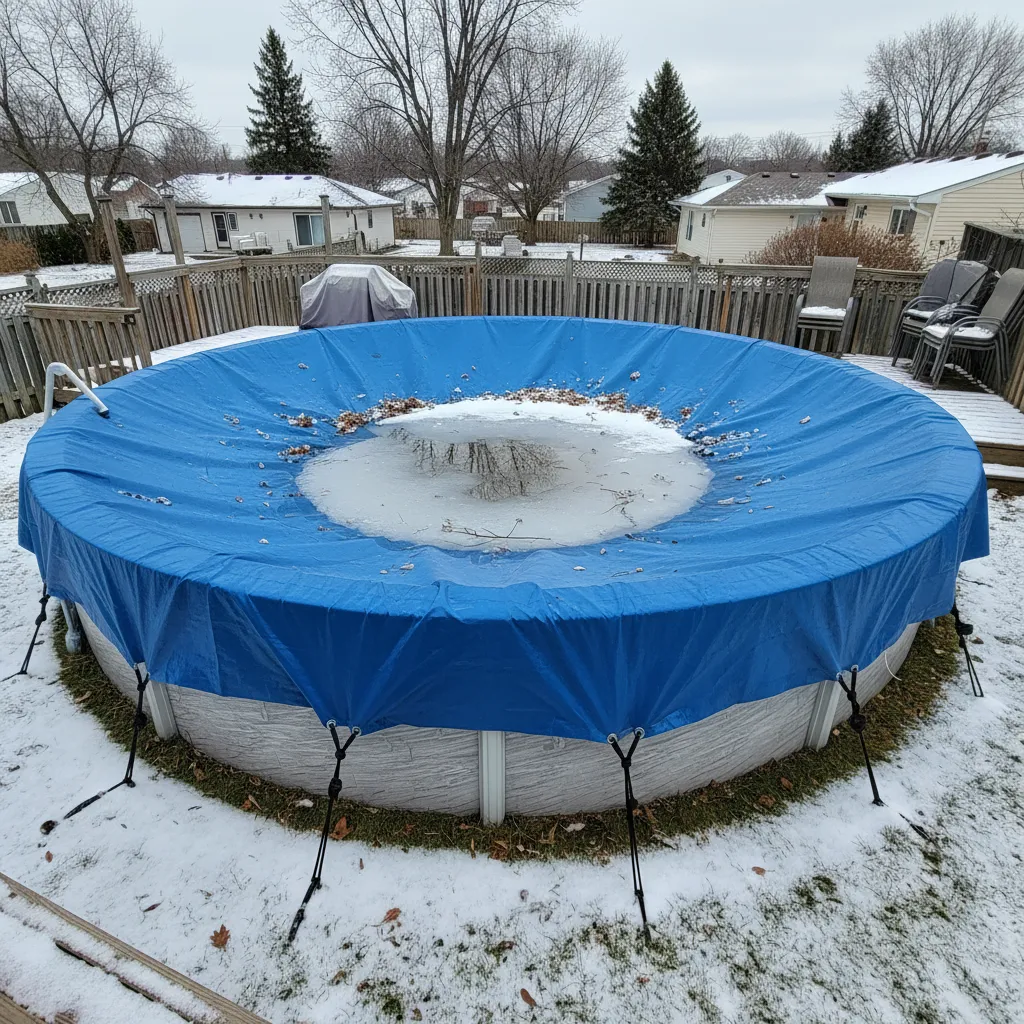
"Invest once to protect your liner and prevent a swamp in the spring."
Heavy-Duty Winter Pool Cover
Winter demand is high - check stock
Assess Your Pool Type and Needs
Start by identifying pool materials: vinyl liners in above ground pools need gentler treatment than concrete or fiberglass. Saltwater systems require specific steps to protect chlorine generators and metal components. For permanent closure, check local codes—some areas mandate partial filling or demolition. Note freeze risks: regions with temperatures below 32°F demand antifreeze in plumbing lines, while mild climates may allow simpler steps. As you consider these steps, it’s also important to think about how these factors affect your pool’s liner. Saltwater pool liners are designed to withstand the unique conditions of salt pools, offering durability and longevity.
Gather Necessary Closing Supplies
Every pool shutdown kit should include a heavy-duty cover, air pillow (an inflatable device that prevents ice damage), winterizing chemicals, and plugs to seal skimmers. Keep a submersible pump for water removal and a test kit to verify pH (7.2–7.6) and alkalinity (80–120 ppm). For saltwater pools, add salt cell cleaner and titanium shears for closing an above ground pool cover securely.
Tools for Above Ground vs. Saltwater Pools
Above ground pools require foam cove protectors to shield liners from ice expansion and stretchable cable ties for cover anchors. Saltwater systems need salt test strips to confirm 2,700–3,400 ppm levels before shutdown and a storage tub for removed salt cells. Permanent closure demands permits, jackhammers for concrete decks, and soil fill for partial demolition projects.
Equipped with the right tools? The real work begins with water treatment and equipment protection.
How to Close an Above Ground Pool
Properly preparing an above ground pool for colder months prevents liner damage, equipment failure, and algae growth. Follow these steps to ensure structural integrity through freezing temperatures. To keep your pool comfortable during chilly days, consider using a plumb pool heater. This can help maintain a pleasant water temperature, making swimming more enjoyable even in cooler weather.
Step 1: Balance Water Chemistry
Test water 48 hours before closing using a kit or strips. Adjust pH to 7.2-7.6 and alkalinity to 80-120 ppm. Add winterizing chemicals like a phosphate remover or stain preventer. For pools closing below 60°F, use a closing kit with algaecide and shock treatment rated for 30,000+ gallons. It’s important to consider the right chemicals for your new pool as well. These chemicals help maintain clean and safe water throughout the swimming season.
Step 2: Lower Water Level Safely
Use a submersible pump to drain water 4-6 inches below the skimmer opening. Never drain completely—hydrostatic pressure can collapse walls. Partial draining protects liners from ice expansion while maintaining structural stability. To keep your inflatable pool safe during winter, it’s important to know how to properly drain it. Doing so helps preserve the pool’s shape and extends its lifespan.
When to Drain vs. Partial Drain
Full drainage risks liner shrinkage and wall damage. Exceptions apply for areas with heavy snowfall—lower water 12-18 inches if using a mesh cover. Solid covers require less drainage but demand air pillows for ice management.
Step 3: Winterize the Filter System
Turn off power at the breaker. Drain pumps, filters, and heaters using drain plugs. Blow out lines with a shop vac or air compressor. For cartridge filters, remove and clean cartridges. Sand filters need specific winter protocols.
Sand Filter Maintenance
Set multiport valve to “winterize” and remove drain plug. Store the pressure gauge indoors. Backwash once before closing to remove debris. Add pool antifreeze to the pump basket if temperatures drop below 20°F. It’s also important to protect your pool’s pipes from freezing. Insulating the pool pipes helps prevent damage during winter months.
Step 4: Install an Air Pillow &Amp; Secure Cover
Place an inflatable air pillow (36-48 inch diameter) in the center. Secure with rope through grommets, avoiding over-tightening. Use a vinyl or mesh cover with cable ties every 2-3 feet. Weight edges with water tubes or sandbags to prevent wind uplift.
Winterizing a Saltwater Pool: Special Considerations
Saltwater pools require extra steps to protect chlorine generators and prevent corrosion. These systems differ from traditional pools in chemical balance and equipment handling. The materials used for swimming pools can greatly impact their maintenance. For instance, different surfaces, like vinyl, fiberglass, or tile, each have their own benefits and challenges.
Salt Cell Removal and Storage
Disconnect the salt cell from the control unit. Soak it in a 4:1 water-muriatic acid solution for 15 minutes to dissolve scale. Rinse thoroughly and store in a dry place above 50°F. Never leave cells connected during freezing weather.
Adjusting Salt Levels Before Closure
Test salt concentration with test strips—ideal range is 2800-4500 ppm. High salt levels (above 6000 ppm) increase corrosion risk. Drain partially if needed, but avoid dropping below 2500 ppm to prevent spring restart issues.
Chemical Treatment for Saltwater Pools
Shut off the chlorinator and add a triple dose of non-chlorine shock (2 lbs per 10,000 gallons). Follow with a borate-based algaecide to combat microorganisms. Avoid chlorine stabilizers—they degrade salt cells over time. Keeping your pool algae-free is crucial for a healthy swimming environment. An algaecide saltwater pool can provide a more natural way to prevent algae growth while still ensuring clear water.
Non-Chlorine Shock vs. Algaecide
Non-chlorine shock (potassium monopersulfate) oxidizes contaminants without affecting pH. Use algaecides containing polyquat 60 for long-term prevention. Combine both for pools in areas with extended freeze periods.
While temporary closures follow these guidelines, permanent pool removal involves different steps. Let’s examine demolition requirements and legal protocols for lasting solutions.
Also See: How to Close Above Ground Pool With Sand Filter
Closing a Pool Permanently: Key Steps
Permanent pool closure requires more than standard winterization. The process involves structural changes and adherence to local codes. Cutting corners can lead to safety hazards or fines.
Draining and Demolition Requirements
Start by draining the pool with a submersible pump rated for at least 1/3 HP. Avoid draining fiberglass or vinyl-lined pools during high groundwater seasons to prevent floating or cracking from hydrostatic pressure. For concrete pools, demolition involves jackhammers to break up the structure into manageable pieces (typically 24″x24″ sections). Fill the cavity with gravel or soil, compacting in 6″ layers to prevent settling. Expect disposal costs ranging from $500-$2,000 depending on debris volume. Once the pool is demolished, it’s important to consider the overall cost of constructing a new concrete pool. The price for a concrete pool can vary widely based on size and design features, often ranging from $50,000 to $100,000.
Legal and Safety Considerations
Check zoning laws for fill material specifications and permits—most areas require engineered backfill plans for pools over 15,000 gallons. Install a chain-link fence around the filled area if local codes mandate it. Test soil compaction to 95% Proctor density to avoid sinkholes. For partial removals (cutting off the top 18″ of walls), weld rebar stubs flush with the surface and cap with concrete.
Winterizing Chemicals for Different Pool Types
Chemical protocols vary by pool material and sanitization system. Freeze cycles amplify imbalances, so precise dosing prevents springtime headaches.
Above Ground Pool Chemical Kit
Use a closing kit with 60% sodium bromide algaecide (16 oz per 10,000 gallons) and sodium perchlorate shock (1 lb per 5,000 gallons). Balance pH to 7.2-7.6 and alkalinity to 80-120 ppm. Add a metal sequestrant (32 oz per 20,000 gallons) if using well water. For vinyl liners, include enzyme-based treatments like Pool Mate Off the Wall to prevent biofilm buildup.
Saltwater Pool Winterizing Additives
Lower salt concentration below 3,000 ppm to reduce corrosion risk. Apply polyquat 60 algaecide (18 oz per 25,000 gallons) instead of chlorine-based options to protect the cell. Add a phosphate remover (8 oz per 10,000 gallons) to starve algae. Test stabilizer levels—keep cyanuric acid between 30-50 ppm. Bio-Active Blue Wave enzymes help break down organic debris without chlorine activation.
Protecting Pool Equipment During Closure
Equipment left unprotected during freezing temps faces cracked housings and corroded parts. Proper storage extends lifespan by 3-5 years.
Pump and Filter Winterization
Drain pumps using compressed air at 15 PSI through the drain plug port. Remove filter cartridges and soak in trisodium phosphate solution (1 cup per 5 gallons) for 8 hours. For sand filters, backwash until pressure gauge reads <5 PSI, then add RV antifreeze (-50°F rating) through the skimmer. Disconnect unions and store above ground on wooden pallets.
Salt Cell and Chlorinator Care
Soak salt cells in a 4:1 water-to-muriatic acid solution for 2 minutes to dissolve calcium. Rinse with a garden hose nozzle set to 40° fan spray. Store cells in climate-controlled areas (above 50°F) with silica gel packs. For inline chlorinators, remove O-rings and coat with 100% silicone lubricant. Cap open ports with expandable rubber plugs.
With equipment secured and chemicals balanced, attention turns to avoiding oversights that undermine even meticulous prep work.
Common Mistakes to Avoid When Closing Your Pool
Closing a pool right avoids costly fixes and long-term harm. Missing small steps can bring big issues, from busted plumbing to algae blooms. Focus on two critical pitfalls that impact all pool types, from saltwater setups to temporary above-ground installations. One important step in pool maintenance is ensuring clarity in the water. Using a pool clarifier can help keep your pool water sparkling clear and free of debris.
Improper Water Level Management
Water height matters for winter survival. Draining too much from vinyl above-ground pools risks liner shrinkage or wall collapse in strong winds. Inground pools left full might crack from ice pushing on tile lines. Salt systems demand specific levels: keep water 4-6 inches below skimmers to stop salt corrosion on parts. For partial drains, consult local frost depth charts—lowering 12-18 inches stops freeze damage in most zones. In addition to these considerations, it’s also important to think about the effects of properly covering the pool, as it can prevent excess water accumulation during rainy nights.
Neglecting Cover Security
A loose pool cover invites trouble. Snow loads can rip vinyl covers on above-ground pools lacking air pillows. Gaps allow dirt, animals, or rainwater to spoil balanced chemistry. Use 50-lb water bags every 3 ft for in-ground covers; ratchet straps work best for round above-ground frames. Check saltwater pool covers monthly—salt residue attracts moisture, weighing down material. Install a safety mesh layer if shutting down a pool for good to stop accidental falls. Keeping your pool covered properly not only protects it but also helps maintain cooler water temperatures. Consider using reflective covers or sunshades to keep your above ground pool cool during hot days.
With your pool now shielded from common errors, what tools guarantee a smooth start when warm days return? Our next section tackles post-closure checks to simplify spring openings.
Frequently Asked Questions
How Early Should I Close My Pool Before the First Freeze?
Aim to close your pool 1-2 weeks before temperatures consistently drop below 50°F. This allows time to balance chemicals, which require 48 hours to stabilize. Early closure prevents algae growth and ensures equipment is protected before freezing risks.
Can I Use a Standard Tarp As a Winter Pool Cover?
While tarps are cost-effective, they lack UV resistance and reinforced grommets. Specialty pool covers feature mesh panels for drainage and antimicrobial layers. For temporary use, choose a 12-mil polyethylene tarp with rust-proof rings, but replace it within one season. When considering options for a pool, a tarp can serve as an effective base layer. Using a tarp under the pool helps protect the bottom from tears and adds extra insulation.
Do I Need to Remove Pool Accessories Like Ladders Before Closing?
Yes. Remove ladders, slides, and diving boards to prevent corrosion and ice damage. Store them vertically in a dry area. For above-ground pools, detach resin steps and clean with a 10% vinegar solution to remove salt or mineral deposits.
How Do I Prevent Rodents From Entering the Pool Area During Closure?
Place rodent repellent packets (peppermint oil or silica-based) around equipment pads. Secure cover edges with weighted sealant tubes and trim nearby vegetation. For permanent closures, fill gaps in decking with expanding foam.
Is Pool Antifreeze Safe for Saltwater Plumbing Systems?
Use only propylene glycol antifreeze rated for potable water systems. Avoid ethylene glycol, which corrodes copper heat exchangers in saltwater chlorinators. Flush lines with 1 gallon per 10 feet of plumbing before winterizing.
What Are the Risks Of Closing a Pool Too Late in the Season?
Delayed closure risks frozen pipes, algae blooms from unbalanced water, and cracked skimmers due to ice expansion. Late-shutdown pools require 3x more shock treatment and often need partial replastering or liner repairs in spring.
Closing Thoughts
Closing your pool—whether above ground, saltwater, or permanent—requires precision to avoid costly repairs next season. Each pool type has unique needs, from salt cell removal to air pillow placement. Skipping steps risks freeze damage, algae blooms, or equipment failure.
For seasonal closures, balance chemicals 48 hours before shutting down. Saltwater pools need extra attention to salt levels and cell storage. Permanent closures demand proper drainage and local compliance checks.
Use My Pool Calculator to fine-tune chemical dosages or estimate winterizing costs. Bookmark our guides for quick reference when reopening your pool. A well-executed closure saves time, money, and frustration when warmer days return.