Do You Need a Tarp Under Your Pool? Can You Use a Regular Tarp to Cover It?
Published on: February 23, 2026 | Last Updated: November 17, 2025
Written By: Rachael Weatherbottom
A tarp under your pool helps protect the liner from punctures and debris, but standard tarps aren’t ideal for covering the water. Heavy-duty polyethylene tarps (10-12 mil thickness) work best under above-ground or inflatable pools, while regular tarps lack UV resistance and proper fit for safe pool covering. The key difference? Ground tarps shield the base—pool covers block sunlight, debris, and evaporation.
This guide breaks down when a tarp is necessary versus optional, how to choose materials based on pool type, and where cost-saving alternatives make sense. Learn why a $20 hardware store tarp might protect an inflatable pool base but fail as a winter cover for a 24-foot steel-frame pool.
We’ll compare tarp types, analyze durability differences between polyethylene and vinyl, and share installation tips to prevent shifting. Discover why specialized pool covers cost $100-$200 but last 5x longer than regular tarps—and when DIY solutions risk damaging your $2,000 liner.
The Role Of a Tarp Under Different Pool Types
Above Ground Pools: Is a Tarp Necessary?
Using a tarp under above ground pools serves two primary functions: preventing punctures from rocks or roots, and blocking weed growth that could damage the pool floor. Most manufacturers recommend placing a protective layer between the ground and pool liner. While sand or foam boards work, tarps rated 12-16 mil thickness (1 mil = 0.001 inch) provide reliable defense without breaking the bank. Polyethylene tarps with UV-resistant coatings perform best, lasting 3-5 years under moderate use. The lifespan of a tarp can also relate to the maintenance of pool equipment. Regular checks on the sand pool filter can help ensure it lasts as long as possible.
Crucial Winterizing Products
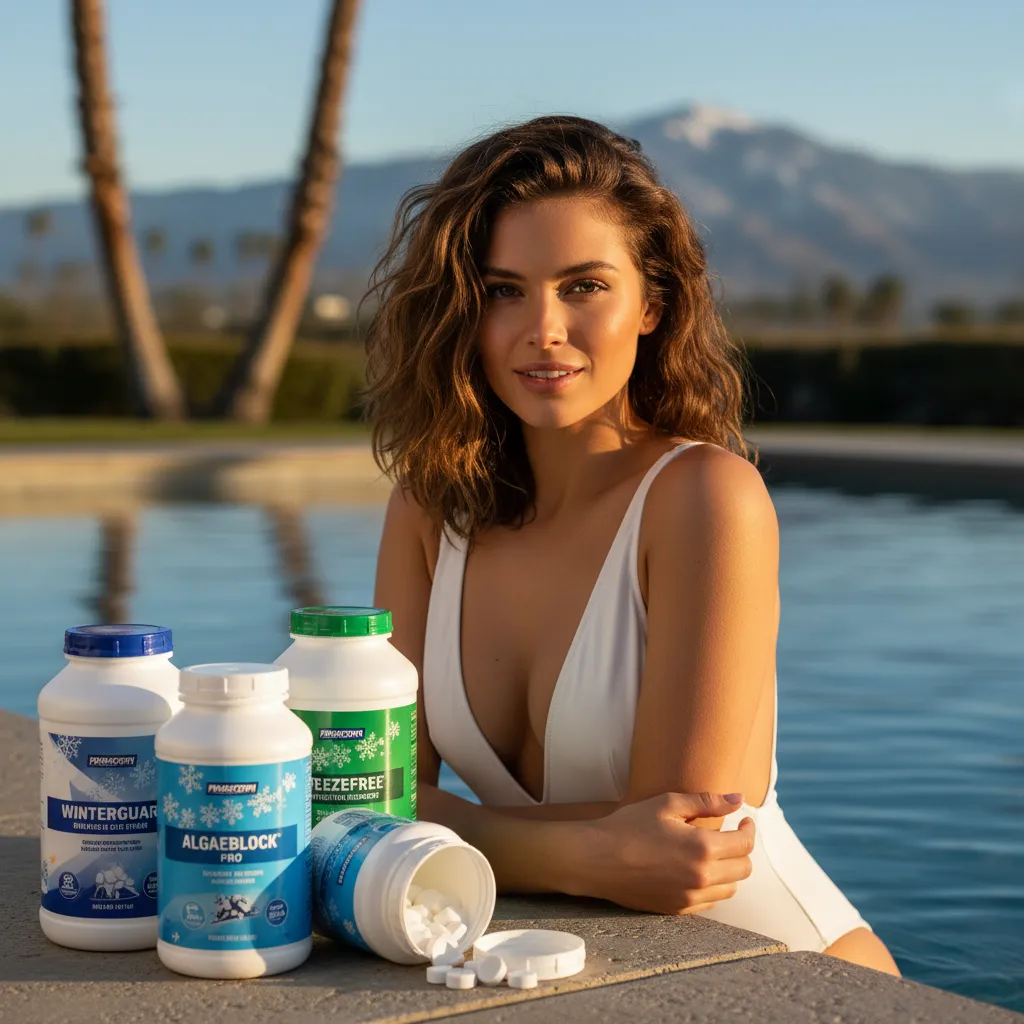
"The all-in-one solution for a guaranteed clear spring opening."
All-in-One Closing Chemical Kit
Winter demand is high - check stock

"The 'set & forget' option. This is the easiest winterizing I've ever done."
Simple 3-in-1 Winterizing Balls
Winter demand is high - check stock
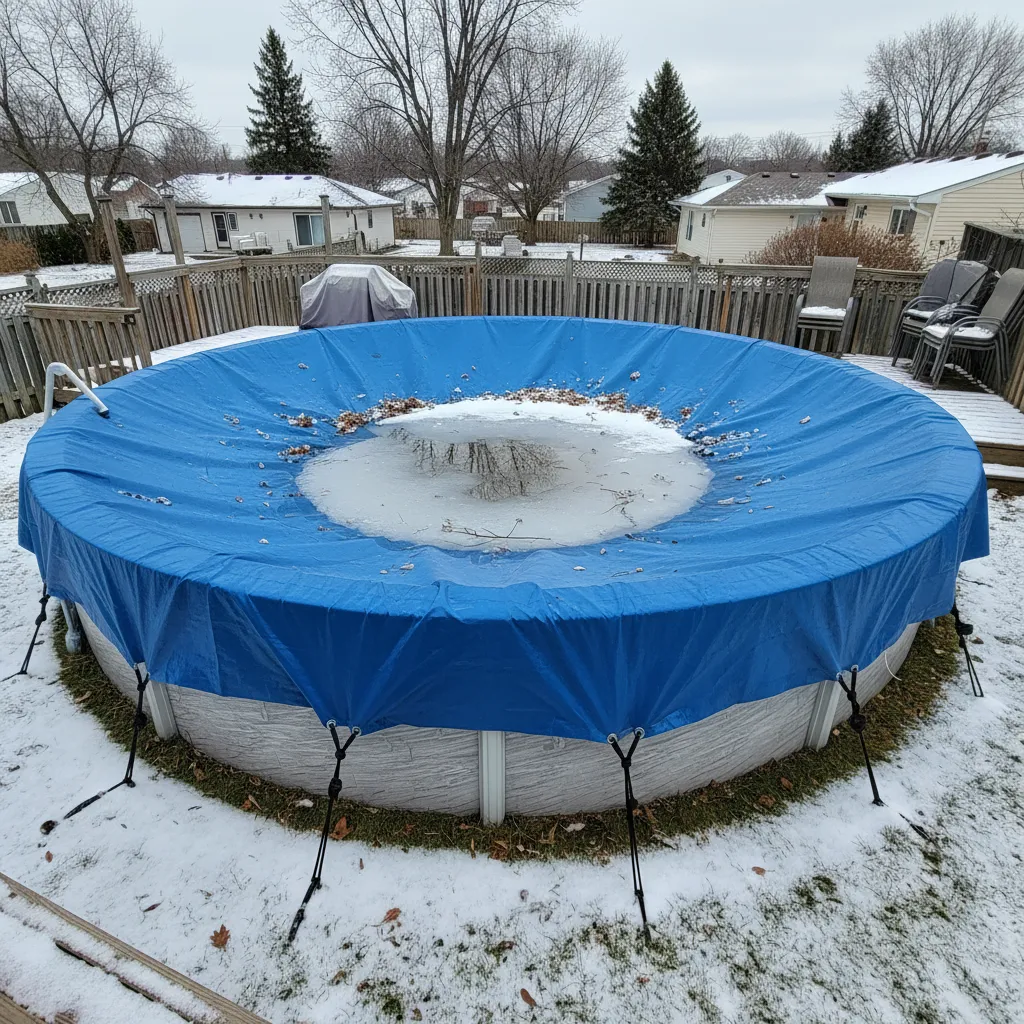
"Invest once to protect your liner and prevent a swamp in the spring."
Heavy-Duty Winter Pool Cover
Winter demand is high - check stock
Inflatable Pools: Protection Against Punctures & Debris
For inflatable pools, the question shifts from “do you put a tarp under an inflatable pool” to “what type works best.” These pools face higher puncture risks from twigs, gravel, or uneven surfaces. Heavy-duty PVC tarps (18-22 mil) with reinforced edges offer superior protection compared to standard poly tarps. Look for options with non-slip textures to keep the pool base stable during use. While some opt for moving blankets or carpet remnants, specialized pool tarps with welded seams prevent water seepage that might breed mold.
Pool Liners: Does a Tarp Add Extra Protection?
Pool liners themselves are designed to be tough—vinyl liners typically measure 20-30 mil thick. But adding a tarp under the liner creates an extra shield against ground moisture or shifting soils. This proves useful in regions with heavy rainfall or clay-rich soil prone to expansion. Ensure the tarp doesn’t create air pockets, which might cause the liner to wrinkle. For those wondering “do you need a tarp under a pool liner,” the answer depends on local soil conditions. In sandy or well-draining areas, skipping the tarp might work, but clay-heavy sites benefit from the added layer.
With ground prep methods covered, let’s explore how material choice impacts performance under varying pool setups.
Selecting the Best Material to Use Under Your Pool
Choosing the right under-pool material impacts longevity, safety, and maintenance. While tarps are common, not all types work for every pool setup.
Heavy-duty Vs. Regular Tarps: Key Differences
Heavy-duty tarps (6+ mil thickness) use reinforced polyethylene with UV inhibitors and double-stitched edges. These resist punctures from rocks or roots and last 3-5 years. Regular tarps (3-5 mil) lack weave density, tearing under pool weight or degrading in sunlight within months. For a 24’ round above-ground pool, a heavy-duty tarp costs $40-$60 versus $15-$25 for standard options.
Ideal Thickness &Amp; Material for Above Ground Pools
Above-ground pools require 10-12 mil polyethylene tarps to withstand liner pressure and ground moisture. Look for terms like “pool pad” or “ground cloth” – these often include foam layers for cushioning. Brands like Gorilla or HDX offer tarps with 200+ GSM (grams per square meter) fabric, reducing uneven settling. For gravel bases, pair with 1” sand for optimal stability. Choosing the right liner is just as important as the base. Above ground pool liners provide a protective layer that helps maintain water quality and extend the life of the pool.
Specialized Options for Inflatable Pool Bases
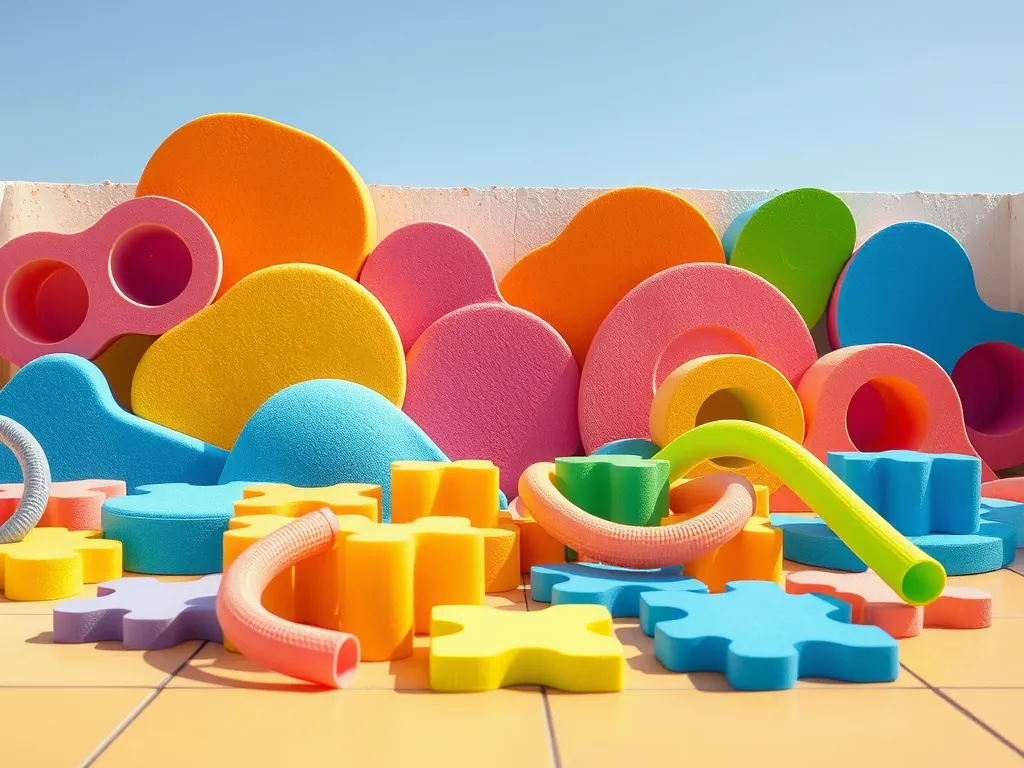
Inflatable pools benefit from puncture-resistant materials like Armor Shield or Pool Armor – 8-10 mil woven polyethylene with heat-sealed seams. These prevent grass discoloration and protect against small debris. Avoid vinyl-backed tarps, as they trap moisture and promote mold. For quick setups, interlocking foam tiles (¾” thick EVA foam) add cushioning without shifting. Additionally, pool noodles are made from similar materials that offer durability and flexibility. Most pool noodles are crafted from closed-cell foam, which makes them lightweight and resistant to water absorption.
Can You Use a Regular Tarp to Cover Your Pool?
While possible in emergencies, regular tarps lack features for consistent pool protection. Here’s when they work – and when they fail.
Safety Risks Of Non-pool-specific Tarps
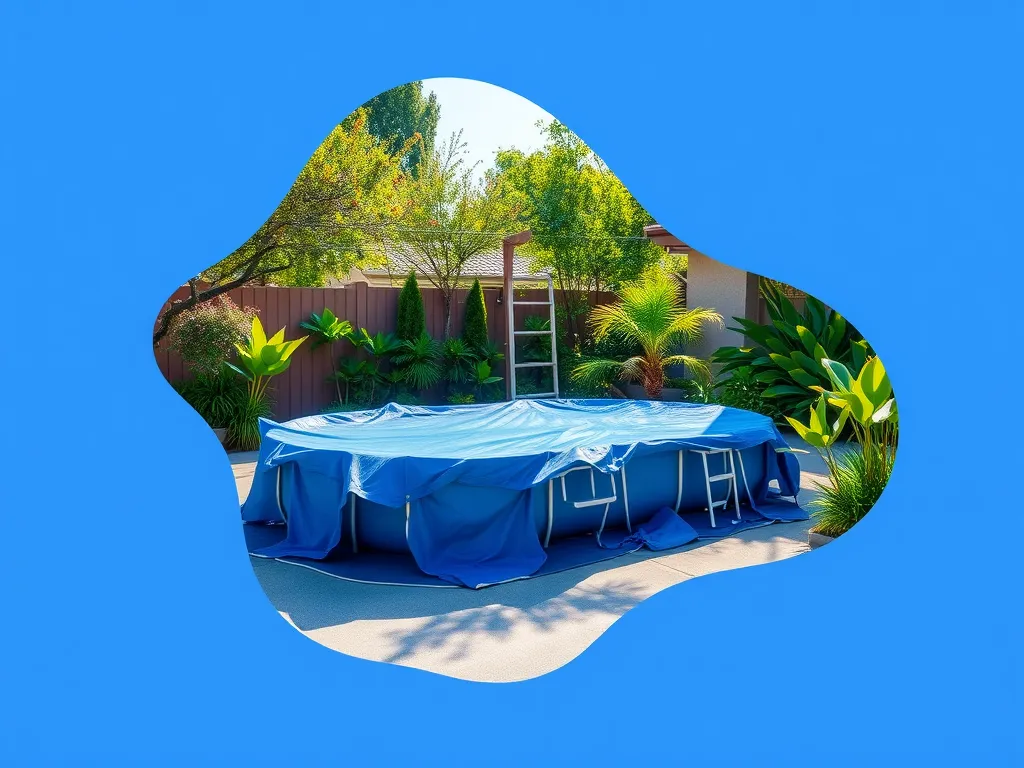
Standard poly tarps sag, collecting rainwater and debris. This creates breeding grounds for mosquitoes and algae. Cheap materials leach dyes into pool water, staining liners. Grommets can scratch surfaces, and non-breathable fabrics trap humidity, accelerating corrosion on metal frames. It’s important to consider how these issues can also lead to a bigger problem, like keeping leaves out of the pool. Keeping leaves out of the pool helps maintain water quality and reduces the risk of unwanted insects.
Temporary Use Cases Where Regular Tarps Might Work
A 6-mil poly tarp suffices for 1-2 week coverage during storms or construction. Ensure it’s 2’ larger than the pool on all sides, secured with bungee cords or sandbags. Never use regular tarps under inflatable pools – even tiny twigs cause leaks. For above-ground winterizing, upgrade to a 12-mil woven cover after temperatures drop below 50°F. Before you start cleaning the pool, consider the importance of backwashing your filter. Backwash helps remove debris and ensures a better vacuuming process.
Why Pool Covers Outperform Regular Tarps Long-term
Pool covers use reinforced vinyl or mesh with UV60+ ratings, blocking 99% of sunlight to prevent algae. Safety covers support 400+ lbs, meeting ASTM standards. Automatic pumps integrated into winter covers manage water buildup, while summer covers reduce evaporation by 95%. Though pricier upfront ($120-$600), they last 5-10 years versus 6-12 months for basic tarps. Another important feature that can enhance pool maintenance is the use of pool pillows. These pillows help to manage water and debris, ensuring the cover stays in good condition.
Considering durability and cost? Let’s break down how tarps and pool covers stack up in material science and real-world performance.
Also See: Can You Leave My Pool Pump on 24/7? Key Points
Tarp Vs. Pool Cover: Critical Differences Explained
Choosing between a standard tarp and a pool-specific cover impacts safety, maintenance, and long-term costs. Let’s break down the key factors to weigh before deciding.
Material Durability &Amp; Weather Resistance
Standard tarps often use lightweight polyethylene (6-10 mil thickness) with limited UV inhibitors, leading to rapid degradation under direct sunlight. Pool covers, crafted from reinforced vinyl or laminated polyethylene (12-16 mil), resist tearing, chemical exposure, and temperature extremes. For example, a $20 regular tarp may last 6-12 months, while a $150 solar pool cover endures 3-5 years with proper care. When considering options for pool maintenance, it’s essential to assess the materials used in your pool saltwater system. Converting to pool saltwater can provide long-term benefits, including lowered chemical costs and reduced maintenance needs.
Purpose: Ground Protection Vs. Full Pool Coverage
A tarp under an above ground pool acts as a moisture barrier, shielding liner bottoms from rocks, roots, or abrasive soil. Pool covers, like solid safety covers or mesh options, span the entire water surface to block debris, reduce evaporation, and prevent algae growth. Using a regular tarp for full coverage risks sagging, water pooling, and bacterial buildup due to poor drainage design. Keeping your pool cool is important for comfort and enjoyment during hot days. Effective pool covers can also help regulate water temperature by reducing heat absorption from the sun.
Cost &Amp; Lifespan Comparison
Budget-friendly tarps ($15-$50) work for short-term ground protection but lack longevity. Heavy-duty pool covers start at $100 for basic models, climbing to $800+ for motorized systems. For under-pool use, a 10-12 mil woven poly tarp ($30-$40) balances affordability and durability, lasting 2-3 seasons when shielded from direct UV exposure. When considering your options, a larger pool size like a 10,000-gallon pool may require more robust solutions. Investing in a high-quality cover is essential to maintain the longevity and cleanliness of such a sizeable pool.
Step-by-step Guide: Installing a Tarp Under Your Pool
Proper installation maximizes protection and prevents costly liner repairs. Follow these steps for a smooth setup.
Preparing the Ground Surface Properly
Clear the area of sticks, stones, and debris. Level the soil with a tamper, ensuring slopes stay under 1-inch per 10 feet. Add a 1-2 inch sand layer for extra cushioning. Lay the tarp (6-12 mil recommended) over the smoothed surface, allowing 12-18 inches of excess material around the perimeter.
Securing the Tarp to Prevent Shifting
Anchor edges with landscape staples every 2-3 feet, or weigh them down with bricks. Avoid wrinkles by smoothing the tarp outward from the center. For inflatable pools, tuck excess material beneath the pool walls before filling. Check for tension after filling—adjust stakes if folds appear. Keeping the tarp smooth helps maintain a clean environment. A clean fiberglass pool enhances your enjoyment and ensures safe swimming conditions.
Next, let’s tackle common questions about material thickness, seasonal use, and liner compatibility.
FAQs: Addressing Common Tarp-related Concerns
How Often Should the Under-pool Tarp Be Replaced?
Heavy-duty polyethylene tarps typically last 3-5 years with proper care, while standard tarps may degrade in 1-2 seasons. Inspect annually for UV damage, thinning areas, or punctures. Replace immediately if visible wear compromises ground protection.
Can a Tarp Serve As a Winter Pool Cover?
While possible temporarily, standard tarps lack the reinforced seams and water drainage features of winter covers. They risk sagging, ice damage, and debris buildup. For climates with freezing temperatures, invest in a certified winter cover with mesh panels to prevent hydrostatic pressure issues.
Are Eco-friendly Tarps Effective for Pool Use?
Biodegradable PVC-free tarps made from recycled polyethylene (6-10 mil) can work for seasonal above-ground pools. Ensure they have UV stabilization and puncture resistance ratings matching conventional options. Avoid natural fiber tarps (like canvas), which retain moisture and promote mold growth. Similarly, fiberglass pool liners offer a strong and durable alternative for pool owners. They provide a smooth finish and are resistant to many common issues like algae buildup and staining.
Do Inground Pools Require an Underneath Tarp?
Inground pools rarely need tarps beneath them, as they’re built on concrete or sand bases. However, contractors may use geotextile fabric under concrete slabs to prevent soil shifting. For vinyl-lined inground pools, specialized foam padding replaces traditional tarp use. Maintaining a clean pool is essential for keeping it safe and enjoyable. An inground pool cleaner can help effortlessly remove dirt and debris, ensuring a pristine swimming environment.

Closing Thoughts
Using a tarp under or over your pool depends on your setup and needs. Above-ground pools benefit from heavy-duty tarps (12+ mil thickness) for ground protection, while inflatable pools need puncture-resistant bases. Regular tarps may work temporarily but lack UV resistance and proper fit compared to pool-specific covers.
For long-term use, invest in purpose-built materials. A quality underlay tarp extends liner life, while a fitted pool cover prevents debris and evaporation. Expect to spend $50-$150 for durable solutions versus $15-$40 for basic tarps.
Need help calculating your exact pool needs? My Pool Calculator offers tools to determine tarp sizes, cover types, and material specs tailored to your pool dimensions.
Additional Resources for You:
- 5 Reasons Why Tarp Pool Covers Are a Terrible Investment
- Can You Put a Tarp Over a Swimming Pool? – Chicago Canvas and Supply
A pool care geek who’s been testing water chemistry since she was tall enough to reach the skimmer.
Pool Covers, Pool Equipment Repair, Safety Equipment