Do You Need a Special Liner for a Saltwater Pool?
Published on: February 16, 2026 | Last Updated: November 17, 2025
Written By: Rachael Weatherbottom
Yes, saltwater pools require a liner specifically designed to withstand salt’s corrosive effects. While standard vinyl liners work in traditional chlorine pools, saltwater systems demand materials with enhanced resistance to degradation. Salt-resistant liners use thicker vinyl layers, anti-microbial additives, and reinforced seams to combat salt concentration (typically 2,500–4,000 ppm) and prevent fading, brittleness, or tearing. Proper chemical balance and maintenance also play critical roles in extending liner lifespan.
This article breaks down how saltwater impacts pool surfaces and why material choice matters. You’ll learn how saltwater systems differ from chlorine pools, what makes certain liners “saltwater-ready,” and how to spot early signs of wear. We’ll also explore key features like UV inhibitors that block sun damage and stabilizers that prevent salt-induced warping.
Beyond liners, we’ll cover equipment compatibility, including salt-friendly filters and shock treatments. Whether you’re converting an existing pool or building new, these insights help you avoid costly mistakes. Get actionable tips for balancing water chemistry, choosing the right thickness (20–30 mil recommended), and avoiding abrasive cleaning tools that accelerate wear.
Understanding Saltwater Pool Systems
Saltwater pools use a salt cell to turn salt into chlorine. This process keeps the water clean without adding store-bought chlorine. Salt levels stay between 3,000 and 4,000 ppm, which is much lower than ocean water. The water feels softer but still needs regular care to stay balanced. Many people are now considering close above ground pools for their backyards. These pools can easily accommodate saltwater systems, offering the same benefits in a more compact space.
Crucial Winterizing Products
"The all-in-one solution for a guaranteed clear spring opening."
All-in-One Closing Chemical Kit
Winter demand is high - check stock

"The 'set & forget' option. This is the easiest winterizing I've ever done."
Simple 3-in-1 Winterizing Balls
Winter demand is high - check stock
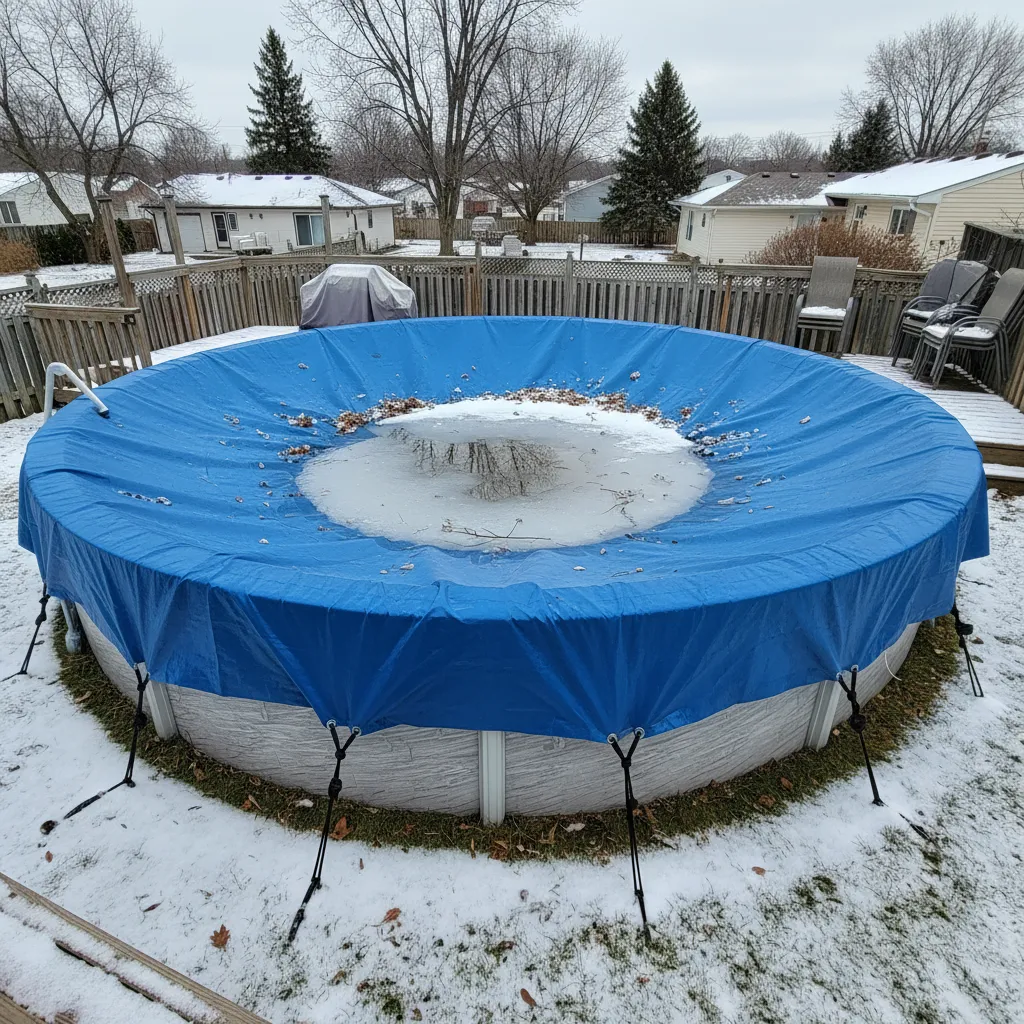
"Invest once to protect your liner and prevent a swamp in the spring."
Heavy-Duty Winter Pool Cover
Winter demand is high - check stock
How Saltwater Pools Differ From Traditional Chlorine Pools
Saltwater pools make their own chlorine, while standard pools rely on liquid or tablet chlorine. The salt cell breaks down salt (sodium chloride) into chlorine gas, which sanitizes the water. This means fewer harsh chemicals in the water, but salt can still affect pool parts like liners over time. The water’s pH also tends to rise faster, needing more frequent checks. This is important to consider when thinking about maintaining any type of pool. A long heat pool can be an excellent choice for enjoying warm water throughout the swimming season.
Key Components Of Saltwater Pool Maintenance
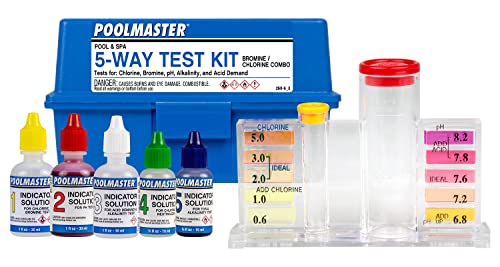
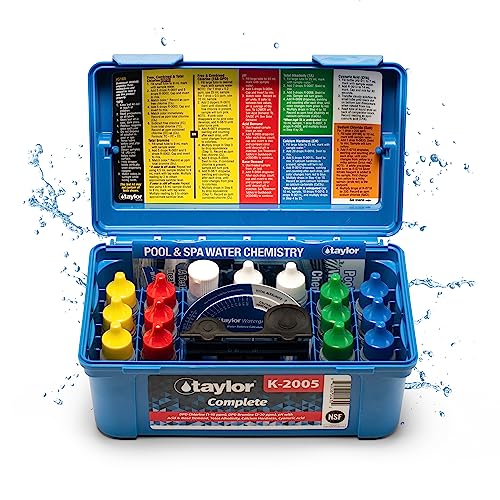
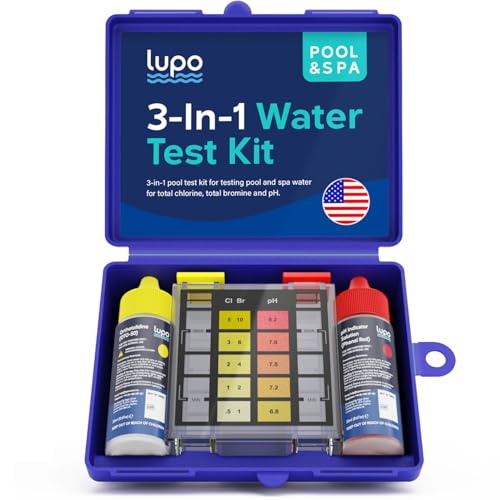
Three main parts keep saltwater pools running: the salt cell, balanced water chemistry, and the liner. The salt cell must be cleaned every 3-6 months to remove calcium buildup. Water tests for pH (7.2-7.8), alkalinity (80-120 ppm), and stabilizer levels (30-50 ppm) should happen weekly. The liner acts as a barrier between the saltwater and the pool shell, so its strength and salt resistance matter.
Saltwater may feel gentle on skin, but liners face constant contact with salt and UV rays. Low-quality liners may fade, wrinkle, or crack if not built for these conditions. Regular checks for stains, tears, or salt crust along seams help spot issues early.
Now that we’ve covered how saltwater systems work, let’s explore why liner choice matters for long-term performance.
Do Saltwater Pools Require a Special Liner?
Saltwater pools operate under unique conditions that challenge standard vinyl liners. While traditional chlorine pools use 1-3 ppm chlorine, saltwater systems generate chlorine through electrolysis at 3,000-6,000 ppm salt concentration. This environment demands materials capable of withstanding prolonged exposure to saline solutions and chemical reactions. Many pool owners are now considering the benefits of mixing salt systems with liquid chlorine salt pools. A liquid chlorine salt pool combines the advantages of both, providing clean water with less maintenance.
Critical Factors Affecting Liner Compatibility
Not all liners perform equally in saltwater setups. Two primary elements determine whether a standard liner suffices or a specialized one becomes necessary.
Salt Concentration Levels and Chemical Balance
Salt levels above 3,000 ppm accelerate oxidation, weakening standard vinyl over time. Maintaining a pH of 7.2-7.8 and alkalinity between 80-120 ppm reduces corrosive effects. Saltwater pools often experience pH drift, requiring more frequent adjustments than traditional systems to prevent liner degradation.
Material Resistance to Corrosion and Degradation
Standard 20-30 mil liners lack protective layers against salt-induced erosion. Saltwater-compatible liners feature reinforced polymer blends with antimicrobial coatings and UV inhibitors. These materials resist chlorine gas formation at the cell surface, a common issue in electrolytic systems that causes pitting and fading.
Effects Of Saltwater on Pool Liners
Over 3-5 years, saltwater exposure creates visible changes in liner performance. The combination of sodium chloride, electrolysis byproducts, and fluctuating chemistry accelerates wear patterns distinct from those in conventional pools. To keep your pool in good shape, it’s important to consider how long the pump runs each day. Proper pool pump run time helps maintain water clarity and reduces algae growth.
How Saltwater Impacts Vinyl Liners Over Time
Salt crystals migrate into microscopic pores, creating abrasive friction during temperature changes. Electrolysis generates sodium hypochlorite, which breaks down plasticizers in vinyl. This process leads to a 15-20% faster loss of flexibility compared to liners in traditional chlorine pools.
Signs Of Premature Liner Wear in Saltwater Pools
Look for faded patterns near return jets, whitish salt deposits along seams, or wrinkles forming within 2-3 years. Stiffness in shallow areas or bleached spots often indicates salt concentration buildup. Liners requiring replacement before 7 years typically show salt-related stress rather than normal aging.
Recognizing these risks underscores why many pool professionals recommend liners engineered specifically for saline environments. Up next: the technological advancements in modern saltwater pool lining systems. Maintaining a clean pool is essential for safety and enjoyment. An inground pool cleaner can help keep the water clear and free of debris.
Also See: Can You Repair Stucco Pool Without Draining Water? Yes!
Salt-resistant Vinyl Liners Explained
Saltwater pool liners built for chlorinator systems bring distinct traits to fight harsh conditions. Not all vinyl products hold up against salt’s impact, making salt-resistant options vital for long-term function. It’s important to consider how the right materials can enhance your pool experience. Using a water softener salt pool can provide a more comfortable swim while protecting your pool equipment.
Essential Features Of Saltwater-compatible Liners
Top linrs for saltwater pools mix robust matrials with smart design. Three factors stand out: UV blocking, microorganism control, and s am construction.
Reinforced UV Protection
Salt systms boost UV rays’ impact on vinyl. Linrs with titanium-dioxid coatings or 40+ mil thickness block solar damag, slowing fading by up to 60% vs standard 20-mil options.
Anti-Microbial Additives
Salt dosn’t kill alga or bactria lik chlorin does. Built-in inhibitors lik Algaecid 60 stop growth undr th liner’s surfac, cutting stain risks and s am breakdown.
Enhancd Seam Strength
Salt crystls can pry ap rt s ams. Wldd s ams with 3x stitching and chem ically fused ovrlays withstand up to 4,500 PSI stress—doubling standard s am capacity.
Error: Invalid image ID.
Maintaining Your Saltwater Pool Liner
Propr car keeps saltwater pool linrs intact for 8-12 y ars. Focus on two goals: stopping salt buildup and avoiding physical harm.
Claning Best Practics for Longvity
Soft brstls and vinyl-s afe cl anrs work best. Wkly brushing at 45° angles lifts salt deposits without scratching. Avoid powr washrs—PSI ovr 1,200 can rip s ams.
Pr Venting Salt-r Lated Damage
Salt concntrations ovr 4,000 ppm hastn wear. Two tactics limit this:
Balancing Watr Chemistry
Keep pH 7.2-7.6 and alk linity 80-120 ppm. High pH (>7.8) softns vinyl; low (<7.0) shrinks it. Tst strips with 0.2 prcision help track shifts.
Avoiding Abrasiv Cl aning Tools
St el wool or stiff nylon pads grind salt into th liner. Us microfibr cloths with citric acid solutons (1 cup per gallon) to dissolve crystls gently.
Choosing Th Right Liner for Saltwatr Pools
Picking a pool linr for saltwatr systms isn’t just about thicknss—matrial mix and d sign aff ct function.
Matrial Comparison: Standard Vs. Salt-r Sistant Vinyl
Standard 20-27 mil linrs last 5-7 y ars in saltwatr. Salt-r sistant options (28-40 mil) with plastisol coatings and polyr reinforcmnt push lif spans to 10+ y ars. Costs run 15-35% mor but cut r placmnt frquency.
Pattrn and Thicknss Considrations
Darkr pattrns with marblizd prints mask salt stains b ttr than light solids. Go for 30+ mil in sunny zones; 28-mil works for shady spots. Ov rlap s ams by 3-4” during install to pr vent salt infiltration.
With the right pool liner for saltwater systems in place, shifting focus to compatible hardware makes the next critical step. Pump types, filters, and plumbing materials all play roles in a salt pool’s life cycle. The efficiency of the pool pump directly affects power consumption. Keeping an eye on pool pump amps is vital for managing energy costs.
Equipment Compatibility With Saltwater Systems
Saltwater pools operate with unique equipment designed to handle higher salinity levels. While liners face direct contact with saltwater, pumps, filters, and chemical delivery systems also require adjustments to match the system’s demands. Compatibility extends beyond the liner itself to ensure all components work harmoniously under saltwater conditions. The materials used for swimming pools can greatly influence maintenance and performance. Choosing the right material is essential for a long-lasting and enjoyable swimming experience.
Filter Requirements for Saltwater Pools
Saltwater systems don’t mandate specialized filters, but certain types perform better under sustained salt exposure. Cartridge filters require frequent cleaning due to salt’s abrasive nature, while sand filters may clog faster as granules break down over time. Many pool professionals recommend upgrading to a corrosion-resistant DE (diatomaceous earth) filter with polymer-coated grids, which withstand saltwater’s corrosive effects more effectively. Pairing the right filter with a saltwater-rated pump ensures optimal water turnover rates, reducing strain on the liner and equipment. When considering options, all purpose sand pool filters are versatile and can handle various pool sizes and types. They provide effective filtration while remaining easy to maintain.
Chemical Treatments and Shock Compatibility
While saltwater pools generate chlorine through electrolysis, supplemental treatments remain necessary. Stabilized chlorine products containing cyanuric acid help protect the liner from UV degradation, but levels must stay between 30-50 ppm to avoid over-saturation. For shocking, non-chlorine oxidizers like potassium monopersulfate prevent liner fading caused by traditional chlorine shocks. Saltwater-compatible algaecides should exclude copper-based formulas, which can stain liners and leave permanent discoloration. To keep your pool clean and free of algae, it’s essential to consider the best algaecide options. An effective algaecide for saltwater pools can enhance water clarity and overall pool health.
Proper equipment selection and chemical management not only extend the lifespan of saltwater pool liners but also reduce long-term maintenance costs. Next, let’s address common questions pool owners raise about integrating these systems with existing setups. Maintaining a balanced water chemistry is essential for optimal performance. The calcium saturation index helps pool owners determine if the water is corrosive or scale-forming, guiding them on how to adjust their pool’s chemical balance effectively.
Frequently Asked Questions
Are Saltwater-resistant Liners More Expensive Than Standard Vinyl Options?
Saltwater-resistant liners typically cost 15–35% more than standard vinyl due to advanced materials like UV inhibitors and reinforced seams. However, their extended lifespan (10+ years vs. 5–7 years for standard liners) often offsets the upfront cost by reducing replacement frequency and repair expenses.
Can I Retrofit an Existing Liner for Saltwater Use, or is Replacement Necessary?
Existing liners not designed for saltwater should be replaced. Retrofitting risks premature wear, as standard vinyl lacks corrosion-resistant coatings and antimicrobial additives. Salt crystals can infiltrate seams and weaken the material, leading to leaks or tears within 1–2 swimming seasons. Proper maintenance is crucial to ensure the long-term durability of saltwater pools. This raises the question of whether saltwater pools are truly sanitary and safe for swimming.
Do Saltwater Pool Liners Require Different Installation Techniques?
Installation follows standard vinyl protocols but emphasizes seam sealing and overlap. Professionals recommend 3–4” overlaps at seams to prevent salt infiltration and using adhesive primers specifically formulated for saltwater environments. Proper tensioning is also critical, as saltwater temperature fluctuations cause more expansion/contraction than freshwater.
Final Thoughts
Saltwater pools offer a gentler swimming experience but demand specific liner features to handle the corrosive nature of salt. While standard vinyl liners may work short-term, salt-resistant options with UV protection, antimicrobial additives, and reinforced seams provide lasting durability.
Proper maintenance—balanced water chemistry, gentle cleaning, and routine inspections—extends liner life in saltwater environments. Pairing your liner with compatible equipment like corrosion-resistant filters further optimizes performance.
For precise salt level calculations or chemical dosing tailored to your pool, explore My Pool Calculator. Our tools simplify saltwater pool care, helping you protect your investment season after season.
Useful References for You:
- Pool & Hot Tub Alliance (PHTA) – Industry Standards & Training
- Salt Water Pools: The Truth and Myths – Pisces Pools & Spas
- How Long Do Vinyl Pool Liners Last? | Latham
- Can You Have a Saltwater Pool With a Vinyl Liner? –
- Everything You Ever Wanted to Know About Saltwater Pools
A pool care geek who’s been testing water chemistry since she was tall enough to reach the skimmer.
Patching & Replacement, Pool Material Care, Vinyl-Lined