Can You Use Water Softener Salt in a Pool? The Essential Guide
Published on: January 29, 2026 | Last Updated: November 17, 2025
Written By: Rachael Weatherbottom
Water softener salt can technically be used in saltwater pools but isn’t recommended due to additives that may harm pool systems. Both products share sodium chloride as their base ingredient, but water softener salt often contains iron, manganese, or anti-caking agents not safe for pool equipment. These additives can stain pool surfaces, clog filters, or damage chlorine generators over time.
This guide explains why pool-grade salt differs from water softener salt and how using the wrong type risks your pool’s health. You’ll learn how impurities in softener salt affect chlorine production, corrode metal parts, and alter water balance. We’ll break down chemical compositions, compare purity standards, and identify when softener salt might work temporarily.
Beyond the immediate issues, we’ll cover long-term equipment risks like scaling in salt cells or premature pump failure. Discover safer alternatives like solar salt or evaporated salt for emergencies and why 99.8% pure sodium chloride remains the gold standard for saltwater pools. Whether you’re troubleshooting a salt shortage or planning maintenance, this article gives the clarity you need to protect your investment.
Can You Put Water Softener Salt in a Saltwater Pool?
Water softener salt may seem like a quick fix for low salt levels in pools. But using it risks harm to both water balance and gear. Let’s break down what happens when softener salt enters a saltwater pool system. Choosing the right materials for swimming pools is also important for maintaining their quality. Common pool materials, like concrete and fiberglass, can greatly influence the overall swimming experience.
Crucial Winterizing Products
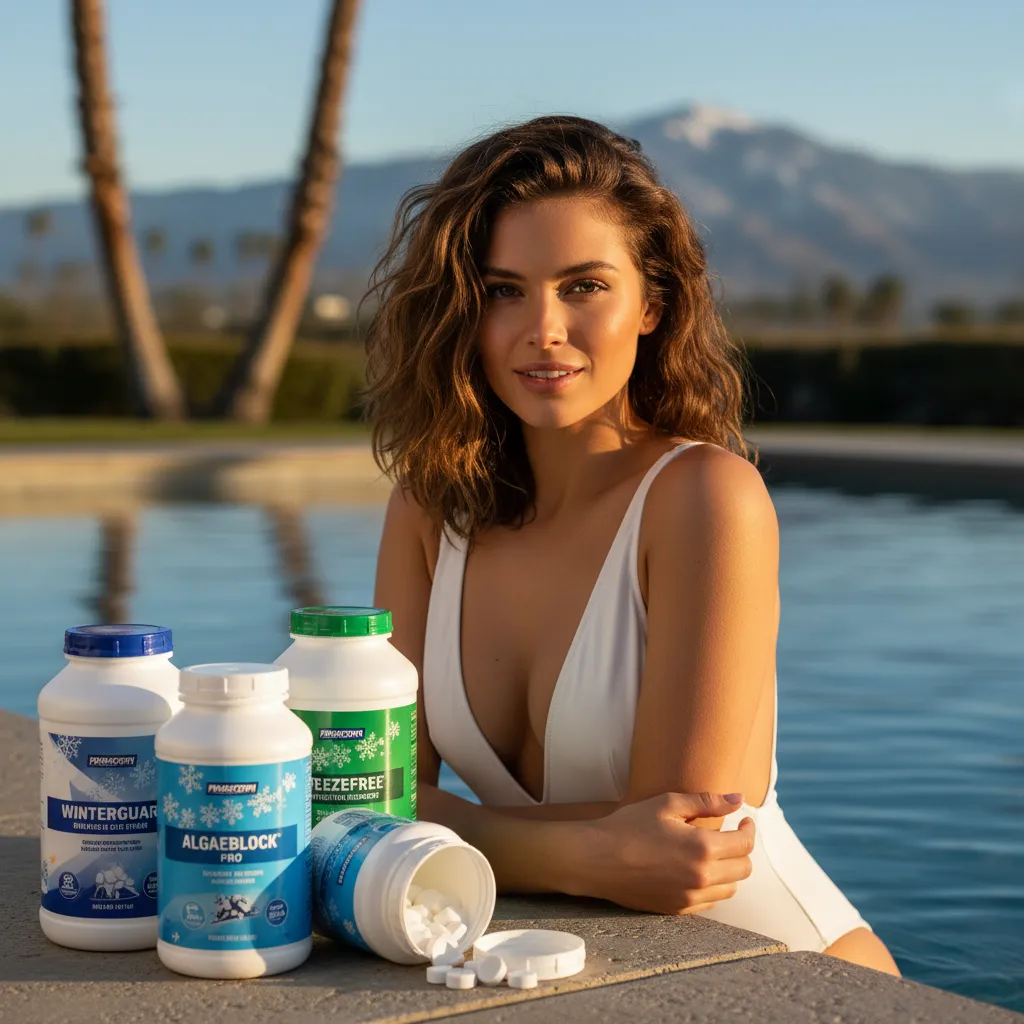
"The all-in-one solution for a guaranteed clear spring opening."
All-in-One Closing Chemical Kit
Winter demand is high - check stock

"The 'set & forget' option. This is the easiest winterizing I've ever done."
Simple 3-in-1 Winterizing Balls
Winter demand is high - check stock
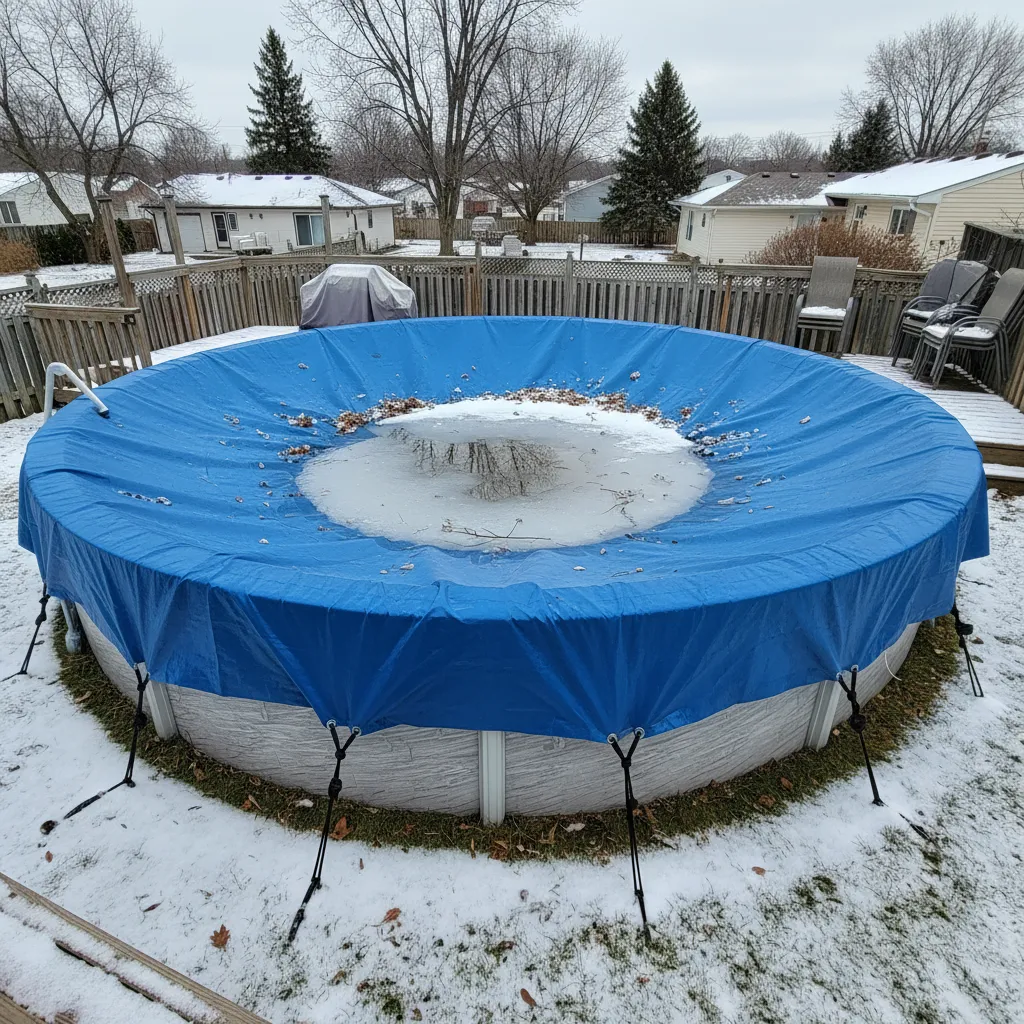
"Invest once to protect your liner and prevent a swamp in the spring."
Heavy-Duty Winter Pool Cover
Winter demand is high - check stock
Immediate Effects on Pool Systems
Softener salt often has iron, clay, or yellow prussiate (a rust blocker). These extras react fast with pool water. Yellow prussiate can turn water cloudy or tinted. Iron causes stains on pool walls in hours. Chlorine gens may shut down due to low salt reads, even if levels look right.
- Iron stains: Orange-brown marks on steps or liners
- Cloudy water: Additives block light flow
- Sensor errors: Chlorine gens misread salt by up to 500 ppm
Long-term Consequences for Equipment
Harder issues show up over weeks. Softener salt leaves scale in pipes, filters, and heater coils. Iron builds up in the salt cell, forcing it to work 20-30% harder. Pump seals wear down from grit in low-grade salt. A $1,200 chlorine gen could fail in 2 years vs. the normal 5-7.
- Salt cell lifespan: Cut by half with iron buildup
- Filter pressure: Rises 8-10 PSI due to clogged grids
- Heater repair costs: $400+ for scale removal
While softener salt costs less upfront, gear fixes erase those savings. Now let’s explore why pool salt and softener salt differ at the chemical level.
Water Softener Salt Vs. Pool Salt: Critical Differences
Not all salt works for pools. Using wrong types risks harming both plumbing and water quality. Distinguishing softener salt from pool salt starts with knowing what’s inside. When preparing for an above-ground pool, it’s essential to choose the right type of salt. This ensures a safe and enjoyable swimming experience for everyone.
Chemical Composition Breakdown
Pool salt contains 99.8%+ sodium chloride with no fillers. Softener salt shares sodium chloride but adds compounds like sodium ferrocyanide (anti-caking) or potassium chloride. Some softener salts mix magnesium or calcium chloride to fight iron buildup in plumbing. Pool salt avoids this to stop scaling on surfaces and parts. Another way to maintain pool water quality is by adding borax to your pool. Adding borax to your pool can help manage pH levels and prevent algae growth.
Additives and Their Impact on Pool Water
Anti-caking agents in softener salt trigger big issues. Sodium ferrocyanide breaks down into cyanide compounds when hitting pool chlorine. Though amounts stay low, this mix can stain plaster, irritate skin, and block salt cells. Rust inhibitors found in some softener salts also form cloudy water and shorten filter cycles.
Why Additives Matter in Pool Care
Salt cells need clean sodium chloride to make chlorine. Impurities bind to titanium plates, cutting output by up to 40% within weeks. Additives also shift pH and total alkalinity, forcing more adjustments with acids or baking soda. A 10 ppm shift in calcium hardness from magnesium-rich salts can cost $50+ in balancing chemicals.
Safe Salt Types for Saltwater Pools
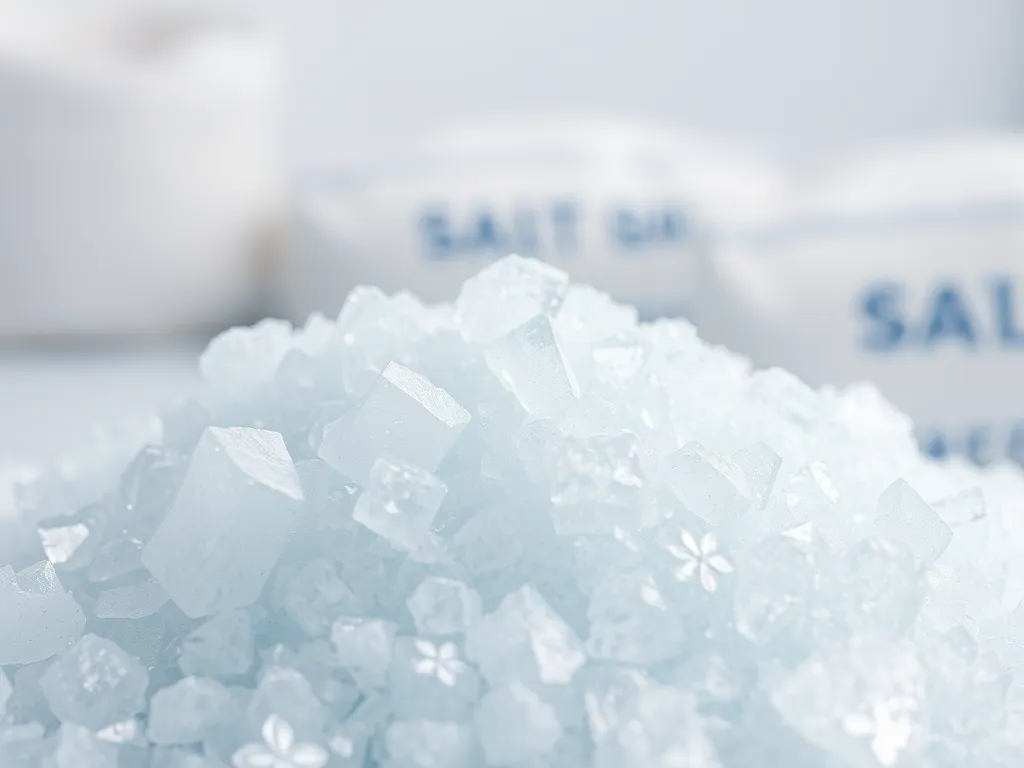
Sticking to pool-specific salt avoids headaches. Look for products listing “pool-grade” with a purity guarantee.
Pool-grade Salt Requirements
ASTM D632 standards mandate 99.8% pure sodium chloride for pool salt. This guarantees no metals, dyes, or anti-clumping agents. Most brands sell this in coarse, medium, or fine grains. For best results, pick salt labeled “chlorinator compatible” or “salt system safe” to avoid voiding warranties. A liquid chlorine salt pool can benefit from using high-quality salt. It helps maintain clean water and extends the life of the pool system.
Alternative Salt Options for Emergency Use
If pool salt runs out, solar salt (98% pure) works temporarily. Avoid pellets – they dissolve too slow. USP-grade evaporated salt (99.4% pure) also fits short-term fixes. Both still need a purity check for additives. Run salt through a mesh filter sock to catch undissolved bits that might scratch pool walls. It’s important to know what types of salt can be used for personal consumption. Eating pool salt may not be safe, so always check its purity before considering it for food.
What happens when wrong salt slips into your system? Next, find out how softener salt affects pumps, filters, and long-term costs.
Also See: Can Too Much Chlorine Make Pool Cloudy or Green?
Risks Of Using Softener Salt in Swimming Pools
Adding softener salt to a pool may fix low sodium chloride levels quickly, but it brings hazards that can harm both pool parts and swim conditions. Knowing what could go wrong aids in making smart choices for long-lasting pool function. Maintaining balanced chemical levels is important for pool health. One key factor is keeping phosphate levels low to ensure clear water and a safe swimming environment.
Chlorine Generator Damage
Saltwater pools rely on chlorine generators to turn salt into sanitizing chlorine. Softener salt often contains iron (up to 5 ppm) and manganese (1-2 ppm), which coat generator plates with rust-colored buildup. This reduces chlorine output by 30-50% within weeks and forces costly cell replacements. Pool-grade salt must stay under 0.01 ppm for metals to avoid this issue. Keeping the right balance in your pool is crucial. Always wait a few hours after adding chemicals before swimming to ensure safety and proper mixing.
Scaling and Filter Clogging
Water softener salt’s coarser grains (often 3-5 mm) dissolve incompletely, leaving behind mineral chunks that cling to surfaces. Calcium carbonate deposits form scaling on tiles, while undissolved bits block skimmer baskets and filter grids. A single bag of softener salt can add 2-4 lbs of insoluble debris, raising pump pressure by 5-10 PSI and requiring frequent backwashing.
| Salt Type | Purity | Insolubles | Grain Size |
|---|---|---|---|
| Pool Salt | 99.8% NaCl | <0.01% | 1-2 mm |
| Softener Salt | 95-99% NaCl | 0.5-1.5% | 3-5 mm |
Water Chemistry Imbalances
Additives like YPS (Yellow Prussiate of Soda) in softener salt boost cloudiness and alter pH stability. Tests show pools using softener salt require 20% more muriatic acid to maintain a 7.4-7.6 pH range. High iron levels also oxidize, turning blond hair greenish and staining plaster surfaces—issues not covered by most pool warranties. Proper pool alkalinity helps prevent these problems and keeps the water balanced. Maintaining the right alkalinity levels is essential for protecting pool surfaces and ensuring swimmer comfort.
When Can Softener Salt Be Used in Pools?
While not ideal, softener salt can work in specific situations if handled with strict controls. Timing and monitoring limit risks to pool parts and swim conditions.
Short-term Use Cases
If pool salt runs out mid-season and a storm threatens to dilute salinity below 2,700 ppm, adding 1-2 bags of softener salt may stabilize levels for 7-10 days. This gives time to source proper salt without shutting down the system. Always pick pellets labeled “99.4% pure” and avoid ones with rust inhibitors or fragrance. Keeping the right salt levels is crucial for maintaining the health of the pool ecosystem. In this context, the water boatmen pool plays a vital role in balancing the aquatic environment.
Precautions for Emergency Scenarios
Before adding softener salt, run a metals test. If iron exceeds 0.2 ppm, install a filter with a polyfill pad to catch loose particles. Brush walls twice daily to stop scaling, and plan a full drain/refill within 30 days. For salt cells, perform a 4:1 acid wash after dissolving softener salt to clear any residue on plates.
Choosing the Right Salt for Your Pool
Picking salt designed for pools cuts maintenance work and prolongs parts life. Two factors matter most: what’s inside the bag and how fast it mixes into water.
Purity Levels to Look for
Aim for salt marked “99.8% pure NaCl” or higher. This guarantees less than 0.01% insolubles—critical for avoiding filter clogs. Brands like Clorox PoolSalt or Diamond Crystal Splash Ready hit this standard. Avoid products listing “sodium ferrocyanide” or “deicing agents,” which harm salt cells. Keeping the right salt level is essential for maintaining pool water quality. This helps prevent issues like pool toe, a common problem caused by imbalanced pool chemistry.
Grain Size and Dissolution Rates
Fine-grained salt (1-2 mm) dissolves fully in 24 hours, while coarse grains (4-6 mm) take 3-4 days. Slow dissolution leaves piles on pool floors that scratch surfaces. Look for “solar crystals” or “pool-specific” labels for optimal grain size. For quick salinity fixes, pre-dissolve salt in a bucket before pouring it into skimmers. Keeping your pool area clean also means maintaining the pavers around it. Regular cleaning of pool pavers prevents stains and enhances the overall look of your pool area.
Now that you know how to pick salt that works with your pool, let’s look at options if standard pool salt isn’t on hand.
Best Substitutes for Pool Salt
When pool salt runs low, some owners eye water softener salt as a quick fix. But safer swaps exist that protect gear and keep water clear. Let’s break down two top picks.
Solar Salt As a Viable Alternative
Solar salt works well for pools in a pinch. Made by sun-drying sea water, it hits 99.5% pure sodium chloride – close to pool-grade specs. Unlike softener salt, most solar salts skip additives like ferrocyanide or rust blockers that harm chlorine cells. The right kind of salt can also help maintain the temperature in long heat pools. These pools benefit from stable heat retention, making them enjoyable for longer periods.
- Comes as pellets or crystals (ideal for even dissolving)
- Costs $8-$12 per 40lb bag – like mid-tier pool salt
- Check labels for “no additives” before use
Using Evaporated Salt in Pools
Evaporated salt offers the purest swap at 99.9% NaCl. Made by boiling brine, it’s food-safe and leaves no residue. While pricier ($15-$20 per 40lb bag), it’s a smart pick for urgent top-ups or sensitive salt systems.
- Dissolves 2x faster than standard pool salt
- Sold as “water conditioner salt” at hardware stores
- Avoid blends labeled “with iron remover” or “crystal boost”
For pools needing 3,200-3,400 ppm salt, both options beat softener salt risks. But always test levels after adding and run pumps for 12 hours to mix fully.
Next up: Answers to your top salt questions – from cost cuts to compatibility checks.
Frequently Asked Questions
Does Using Water Softener Salt Void Pool Equipment Warranties?
Many chlorine generator manufacturers explicitly exclude coverage for damage caused by non-pool-grade salt. Always check warranty terms—impurities in softener salt often invalidate protection for salt cells, pumps, and heaters.
How Do I Test for Impurities After Using Water Softener Salt?
Use a metals test kit to check iron (<0.2 ppm) and manganese levels. For additives, dissolve 1 cup of salt in distilled water—cloudiness or sediment indicates insolubles. Professional water analysis ($50-$80) detects cyanide-based anti-caking agents.
Can Water Softener Salt Cause Health Issues for Swimmers?
While rare, additives like sodium ferrocyanide can break down into cyanide compounds in chlorinated water. At high concentrations, this may cause skin irritation or respiratory discomfort. Always maintain proper chlorine levels and avoid prolonged exposure after accidental use.
What Immediate Actions Are Needed if Softener Salt Was Added by Mistake?
- Run pump continuously for 24 hours
- Brush entire pool to prevent scaling
- Add metal sequestrant within 12 hours
- Test and balance pH/alkalinity
- Inspect salt cell for residue after 48 hours
Closing Thoughts
Using water softener salt in a saltwater pool isn’t ideal. While it might work in an emergency, the additives and impurities can damage chlorine generators, clog filters, and disrupt water chemistry. Pool-grade salt, with 99.8% purity or higher, remains the best choice for long-term performance.
For short-term fixes, solar salt or evaporated salt are safer alternatives. Always check purity levels and grain size before adding any substitute to your pool. Regular testing helps prevent equipment wear and water imbalances.
Need precise calculations for salt levels or chemical adjustments? My Pool Calculator provides accurate tools to keep your pool balanced and running smoothly.
Useful References for You:
- Pentair Residential Pool Resources (Maintenance Guides)
- Can I Use Water Softener Salt in My Pool? – Canada Salt
- Why to not use water softener salt in your swimming pool
- Can I Use Water Softener Salt In My Pool? – Salt Library – Koyuncu Salt
- Salt-water softener? – Swimming Pool Help
A pool care geek who’s been testing water chemistry since she was tall enough to reach the skimmer.
Chlorine, Pool Chemistry, Sanitizers