Alkalinity in Pools: The Hidden Hero Of Crystal-clear Water
Published on: December 16, 2025 | Last Updated: November 17, 2025
Written By: Rachael Weatherbottom
Total alkalinity measures your pool’s ability to neutralize acids, acting as a pH buffer to prevent wild swings in water chemistry. Unlike pH (which tracks acidity), alkalinity stabilizes the entire system, protecting surfaces, equipment, and swimmer comfort. The ideal range is 80-120 parts per million (ppm) – ignore this, and you’ll battle cloudy water, irritated eyes, or even corroded pipes. Control it using muriatic acid to lower levels or baking soda to raise them, but always test first with a reliable kit.
This article breaks down why alkalinity matters more than most pool owners realize. You’ll learn how it shields your pool from pH rollercoasters, extends the life of filters and heaters, and keeps water feeling silky instead of stingy. We’ll explore the science behind scaling, corrosion, and sanitizer failure – plus real costs of neglecting this invisible guardian.
Stick around for step-by-step guides to testing and adjusting alkalinity without guesswork. We’ll compare test strips versus liquid kits, reveal why aerating your pool lowers alkalinity over time, and explain how much baking soda you actually need for a 10,000-gallon pool. Avoid common mistakes like over-dosing chemicals or ignoring pH connections – we’ve got pro tips to keep your water balanced all season.
What is Pool Alkalinity?
Pool alkalinity, formally called total alkalinity, measures your water’s capacity to neutralize acids. It represents the concentration of dissolved bicarbonates, carbonates, and hydroxides in the pool. These compounds act like chemical shock absorbers, buffering against sudden swings in pH levels. Keeping your pool’s alkalinity in check is important for its overall health. Regular maintenance and warranty coverage can help protect your investment in the long run.
Crucial Winterizing Products
"The all-in-one solution for a guaranteed clear spring opening."
All-in-One Closing Chemical Kit
Winter demand is high - check stock

"The 'set & forget' option. This is the easiest winterizing I've ever done."
Simple 3-in-1 Winterizing Balls
Winter demand is high - check stock
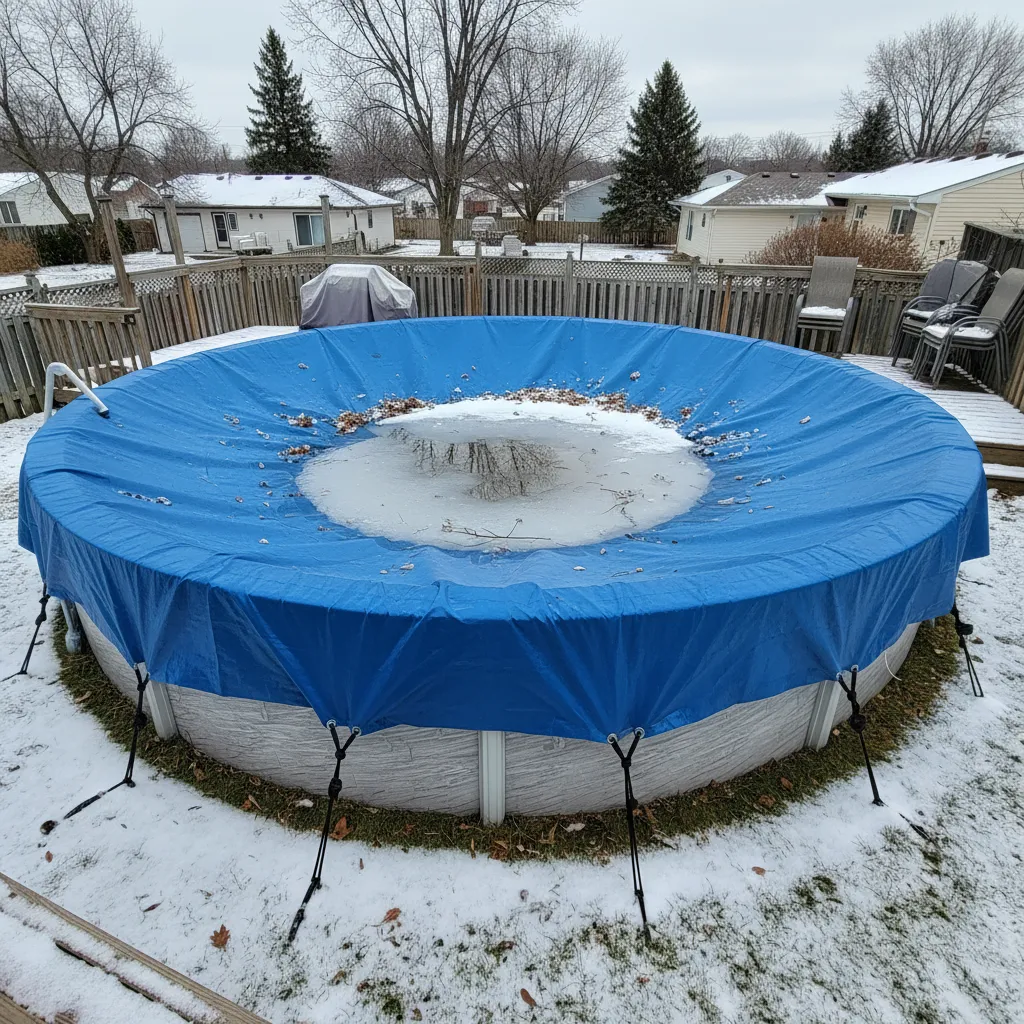
"Invest once to protect your liner and prevent a swamp in the spring."
Heavy-Duty Winter Pool Cover
Winter demand is high - check stock
Though frequently confused with pH, which measures water acidity or basicity on a 0-14 scale, alkalinity functions differently. While pH tells you the current state, total alkalinity determines how resistant that state is to change. Picture pH as the speedometer and alkalinity as the suspension system—one shows the reading, the other stabilizes the ride.
Maintaining total alkalinity between 80-120 ppm (parts per million) keeps pool chemistry predictable. Levels below this range let pH swing wildly with minor influences like rainfall or swimmers. Levels above cause pH to “lock” too high, leading to cloudy water or scaling. Testing weekly with precision tools like Taylor test kits ensures you stay within this sweet spot.
Municipal water supplies often contribute to initial alkalinity levels. For example, fill water in Phoenix typically contains 120-150 ppm bicarbonates, while Tampa’s sits near 60 ppm. Knowing your source water’s baseline helps streamline adjustments.
With the foundation of what pool alkalinity entails, let’s examine its direct effects on water quality, equipment, and those taking a dip.
The Critical Role Of Alkalinity in Pool Care
Pool alkalinity acts as the backbone of water chemistry, influencing everything from chemical effectiveness to surface integrity. Without proper management, your pool becomes vulnerable to cascading issues that impact equipment, safety, and maintenance costs. Maintaining balanced alkalinity is crucial, especially in larger pools. Using an algaecide suited for a 10,000-gallon pool can help prevent algal growth and keep the water clean and safe.
Ph Stability and Water Balance
Total alkalinity serves as a pH buffer, resisting drastic shifts when acidic or basic substances enter the water. When alkalinity stays within 80-120 ppm, pH levels typically hover near the ideal 7.4-7.6 range. This stability ensures chlorine sanitizers work at peak efficiency—below 7.2 pH, chlorine dissipates rapidly; above 7.8, it loses potency. Consistent alkalinity prevents the rollercoaster effect of frequent pH adjustments. Maintaining proper alkalinity is crucial for a well-balanced pool. A swim shocked pool will help reset the chemical levels, ensuring a safe and enjoyable swim experience.
Equipment Longevity
Imbalanced alkalinity directly attacks pool components. Low levels (below 80 ppm) let pH drop into corrosive territory, eating away at metal fittings, heater cores, and pump seals. High alkalinity (above 150 ppm) triggers calcium scaling inside pipes and filters, reducing flow rates by up to 35% in severe cases. Proper alkalinity maintenance can extend equipment lifespan by 3-5 years based on NSF International studies.
Swimmer Comfort
Water with improper alkalinity creates physical discomfort. Low levels cause pH crashes that burn eyes and dry skin. High alkalinity elevates pH, making chlorine less effective at killing pathogens while causing swimsuits to fade faster. Balanced alkalinity keeps water gentle on skin and maintains sanitizer reliability.

Ideal Alkalinity Levels for Pools
The sweet spot for pool alkalinity falls between 80-120 ppm. Saltwater pools perform best at 90-130 ppm due to their electrolytic chlorine generators’ higher pH output. Test alkalinity weekly with digital testers or color-matching kits—strips work for quick checks but lack the precision of titration methods. Always adjust alkalinity before pH; changing alkalinity first minimizes subsequent pH corrections. When managing your pool’s chemistry, it’s also helpful to know how much baking soda you need to achieve the ideal alkalinity. A baking soda pool calculator can make the process easier by providing exact measurements based on your pool’s current levels.
Now that we’ve established target ranges, let’s explore the domino effect of ignoring these parameters.
Also See: Does Shock Add Chlorine to Pool? Shock Vs Chlorine
Consequences Of Imbalanced Alkalinity
When pool alkalinity strays from 80-120 ppm, water balance suffers. This imbalance triggers visible issues and hidden risks that harm gear, water clarity, and swim safety.
High Alkalinity Effects
Levels above 120 ppm make water resist pH shifts, creating a chain of problems. Pool owners often spot these signs first:
Scaling and Cloudiness
High alkalinity lets calcium build up as white crust on tiles, pumps, and heaters. Water turns hazy as minerals clump into tiny specks. At 150+ ppm, filters clog 30% faster, raising pump strain and energy costs.
Reduced Sanitizer Efficiency
Chlorine works slower when alkalinity runs high. Germ kill times double at 130 ppm, letting algae gain a foothold. You might add twice as much shock but still face green tint or slimy walls. Keeping your pool clean requires careful attention to chemical levels. This is especially true for saltwater pools, where bacteria can thrive if conditions aren’t balanced.
Low Alkalinity Effects
Readings under 80 ppm strip water of its pH buffering power. These risks hit fast and hard:
Corrosion and Etching
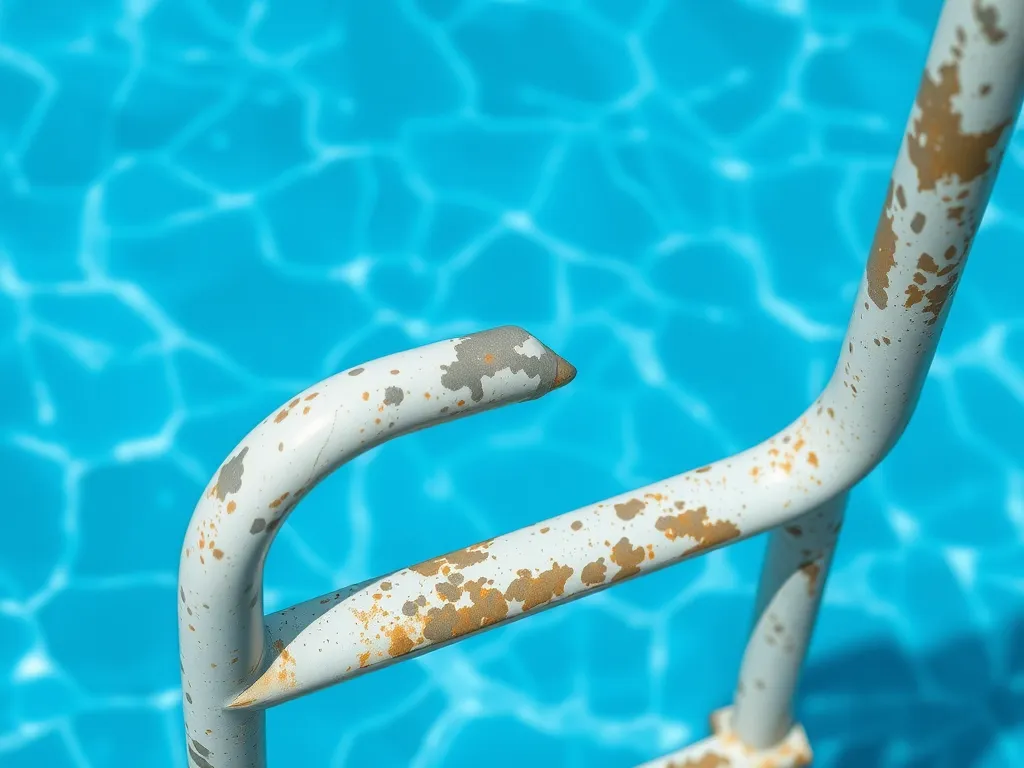
Acidic water eats metal parts like ladder bolts or heater coils. Plaster pools show gray streaks or pitting. Vinyl liners bleach and turn brittle, often needing $500+ replacements.
pH Volatility
Low alkalinity lets pH swing wildly. A rainstorm or swimmer load can crash pH to 6.8 overnight. Eyes burn, chlorine loses punch, and water feels rough on skin.
Causes Of Alkalinity Fluctuations
Spotting what throws alkalinity off helps stop issues before they start. Track these common culprits.
Common Sources Of High Alkalinity
Too much baking soda (sodium bicarbonate) tops the list. Just 1 lb per 10,000 gallons adds 10 ppm. Topping off with hard tap water (100+ ppm alkalinity) stacks minerals fast. Salt systems also nudge levels up over time.
Typical Causes Of Low Alkalinity
Heavy rain (0 ppm alkalinity) dilutes pool water fast. Muriatic acid overdrops burn through buffers. Liquid chlorine, despite sanitizing, adds acidity that chips away at alkalinity with each dose. Keeping an eye on water chemistry is crucial for maintaining a healthy pool. This is especially important if you want to deter ducks from visiting your pool.
Testing Your Pool’s Alkalinity
Weekly tests catch swings early. Two main tools handle the job, each with trade-offs.
Test Kits Vs. Strips: Pros and Cons
Liquid test kits like Taylor K-2006 use drops and a color shift for precision (±10 ppm). Strips dip in 2 seconds but vary ±30 ppm. Kits cost more upfront ($30-$50) but last 100 tests. Strips run $15 for 50 uses but miss subtle shifts.
Step-by-step Testing Guide
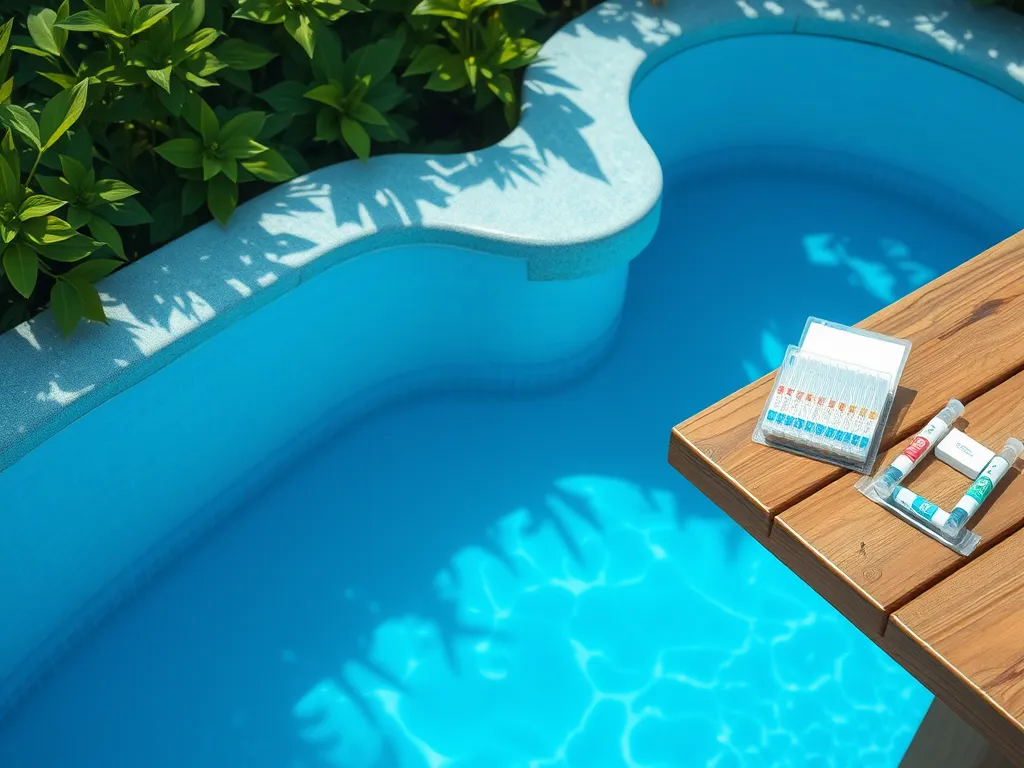
Collect water 18″ deep, away from jets. For kits: fill tube to line, add reagent, count drops until color changes. Multiply drops by 10 for ppm. With strips: dip fully, wait 15 secs, match pad to the chart. Test at dawn before swimmers or sun alter the water.
With test data in hand, you’re set to tweak levels using targeted fixes. Up next: proven ways to nudge alkalinity up or down without overshooting.
Adjusting Alkalinity: Step-by-step Methods
Keeping pool water in harmony requires knowing how to shift alkalinity up or down. Two primary tactics exist for fixing off-target readings: chemical adjustments for fast results or physical methods for gradual shifts. Always run a full water test prior to starting any treatment.
How to Lower Pool Alkalinity Safely
If readings surpass 120 ppm, reducing alkalinity stops scaling and restores sanitizing power. Work in partial doses to avoid drastic pH drops.
Using Muriatic Acid
A hydrochloric acid solution (31.45% concentration) breaks down carbonates in water. For a 10,000-gallon pool, adding 25-35 oz of muriatic acid typically lowers alkalinity by 10 ppm. Pour slowly near return jets with pumps running, wearing gloves and goggles. Wait 4-6 hours before retesting. Maintaining balanced water chemistry is crucial for pool health. A multiport valve can help manage water flow and filtration effectively.
Aeration Techniques
Boosting water agitation speeds up CO2 release, naturally lowering alkalinity without chemicals. Point return jets upward, run waterfalls, or use fountain attachments for 6-12 hours daily. This method works gradually – plan for 2-3 days to drop 20 ppm.
How to Raise Pool Alkalinity Successfully
Readings below 80 ppm risk corrosion and wild pH swings. Sodium bicarbonate (baking soda) is the go-to fix for lifting alkalinity without major pH impact.
Baking Soda Application
Add 1.5 lbs of baking soda per 10,000 gallons to boost alkalinity by 10 ppm. Broadcast powder across the deep end with pumps on high. Brush walls to prevent settling. Retest after 6 hours.
| Current Alkalinity | Pool Size (gallons) | Baking Soda Needed |
|---|---|---|
| +10 ppm | 10,000 | 1.5 lbs |
| +20 ppm | 20,000 | 6 lbs |
Avoiding Common Alkalinity Management Errors
Rushed fixes or partial testing frequently worsen imbalances. Spotting these traps saves cash and frustration.
Overcorrection Pitfalls
Dumping a full acid dose based on initial test data often overshoots targets. Alkalinity shifts can lag – add 1/3 of calculated chemicals, wait 4 hours, then retest. This stops the “yo-yo effect” of swinging from high to low.
Ignoring Ph Adjustments
Muriatic acid cuts both pH and alkalinity. After treating high alkalinity, pH might plunge below 7.0. If pH drops too far, apply soda ash (sodium carbonate) at 6 oz per 10,000 gallons to lift pH by 0.2 units without major alkalinity impact. Keeping pool water balanced is crucial for a pleasant swimming experience. The Holland America Eurodam pool offers a great place to enjoy balanced water and relaxation while sailing.

Benefits Of Proper Alkalinity Maintenance
Holding alkalinity between 80-120 ppm pays off in four key ways:
- Stable sanitizer activity: Chlorine stays 40-60% more active compared to high-alkalinity water.
- Longer-lasting parts: Heaters and pumps last up to 3 years longer by avoiding scale or acid wear.
- No skin irritation: Balanced water stops red eyes or itchy skin from pH swings.
- Lower yearly costs: Proper levels cut chemical use by 15-30% and repair bills by half.
With testing and dosing down to a science, what myths or odd situations might trip up pool owners? Our FAQ section tackles those curveballs next.
Pool Alkalinity FAQs
How Often Should I Test My Pool’s Alkalinity?
Test alkalinity weekly during swimming season and after major events like heavy rainfall, chemical treatments, or large pool parties. Saltwater pools require more frequent checks (every 3-4 days) due to continuous pH creep from chlorine generators.
Can I Use Alternatives to Muriatic Acid for Lowering Alkalinity?
Dry acid (sodium bisulfate) is a safer option for beginners, though it’s 30% less potent than muriatic acid. Avoid vinegar or citric acid—they introduce organic matter that feeds algae and requires extra sanitizer.
Does Pool Temperature Affect Alkalinity Readings?
Extreme heat (above 95°F/35°C) accelerates CO2 loss, temporarily raising pH without changing actual alkalinity. Test in the morning when water is coolest for accurate results, and never adjust chemicals during peak sunlight hours.
Should I Treat Alkalinity Differently in Saltwater Pools?
Yes—saltwater pools benefit from maintaining alkalinity at 90-130 ppm instead of 80-120 ppm. The electrolytic process in salt cells naturally raises pH, requiring slightly higher alkalinity to buffer frequent acid additions. Keeping the pool area looking great is also important. Lay pool coping offers both aesthetic appeal and practical benefits for your pool’s edge.
Can Swimmers Affect Alkalinity Levels Directly?
While sweat and oils don’t alter alkalinity significantly, urine (pH 6.0) and sunscreen (pH 8.0) can create localized pH spikes that alkalinity works to neutralize. Heavy bather loads accelerate this process, necessitating more frequent testing.
How Does Rainwater Impact Alkalinity Long-term?
Rain (0 ppm alkalinity) dilutes pool water, potentially lowering alkalinity by 5-15 ppm per inch of rainfall. Always test and aerate after storms—wind-driven rain can also introduce dust particles that temporarily raise alkalinity. Algae can thrive in these conditions if the balance of your pool water shifts too much. Keeping an eye on your pool after rainy weather is essential to prevent any unwanted algae growth.
Are There Natural Ways to Stabilize Alkalinity?
Aeration is the only chemical-free method (via waterfalls or spray features) to gradually lower alkalinity by releasing CO2. For raising levels, baked baking soda (sodium carbonate) acts faster than regular baking soda but impacts pH more dramatically.
What’s the Longest I Can Wait to Fix Low Alkalinity?
Address levels below 70 ppm within 48 hours to prevent etching or corrosion. Prolonged low alkalinity (<50 ppm) can degrade pool surfaces in as little as 72 hours, particularly in plaster or fiberglass pools. Maintaining proper chemical balance is crucial for all types of pools. This includes considerations for systems like [flexible_link url="https://mypoolcalc.com/how-long-backwash-pool" type="permanent"]long backwash pools[/flexible_link], which may require specific maintenance routines to ensure optimal performance.
Closing Thoughts
Maintaining proper alkalinity keeps your pool water balanced, protects equipment, and ensures swimmer comfort. Regular testing with reliable kits or strips helps catch imbalances early. When adjustments are needed, methods like muriatic acid for lowering or baking soda for raising alkalinity provide effective solutions.
Remember that alkalinity and pH work together. Changes to one often affect the other. Always retest after making adjustments and avoid drastic corrections that could destabilize your water chemistry.
For precise calculations on chemical dosages or troubleshooting water balance issues, visit My Pool Calculator. Our tools simplify pool maintenance so you can spend less time testing and more time enjoying crystal-clear water.
Useful References for You:
- Pool & Hot Tub Alliance (PHTA). (2021). ANSI/APSP/ICC-11 Standard for Water Quality in Public Pools and Spas. Alexandria, VA: PHTA.
- Understanding Alkalinity in Your Pool | Shoreline Pools
- Total alkalinity | Aussie Pools | What does it mean and how you can fix it
- Why It’s Important to Keep pH and Alkalinity in Pool Balanced
- Alkalinity in Pools – Why’s it So Important and How to Control – Crystal Clear Pools & Spas
A pool care geek who’s been testing water chemistry since she was tall enough to reach the skimmer.
Alkalinity, Pool Chemistry, Water Balance