Can You Eat Pool Salt? Safety &Amp; Facts Explained
Published on: January 12, 2026 | Last Updated: November 17, 2025
Written By: Rachael Weatherbottom
Pool salt is not safe to eat. While it shares a base chemical composition with table salt (sodium chloride), pool salt lacks food-grade processing and may contain impurities like trace metals or anti-caking agents not approved for consumption. Even small accidental amounts can irritate your stomach, and regular ingestion poses serious health risks due to unregulated additives.
This article breaks down exactly what makes pool salt different from edible salts. You’ll learn how its production standards, purity levels, and chemical additives create hidden dangers for humans. We’ll compare its makeup to culinary salts and explain why labels like “99% pure” don’t guarantee safety.
Expect clear answers on emergency steps for accidental ingestion, how manufacturers process pool salt versus table salt, and why using it in cooking or food preservation is risky. We’ll also cover safe handling practices to protect kids and pets around pool maintenance supplies.
What is Pool Salt?
Pool salt is a specific type of sodium chloride designed for saltwater swimming pools. It plays a vital role in systems that generate chlorine through electrolysis, maintaining clean water without manual chlorine addition. Unlike traditional pool chemicals, it’s added directly to water and circulates through a salt cell to produce sanitizing agents. When preparing your pool for off-season, it’s important to think about RV antifreeze for pools, which can help protect the plumbing and equipment from freezing temperatures.
Crucial Winterizing Products
"The all-in-one solution for a guaranteed clear spring opening."
All-in-One Closing Chemical Kit
Winter demand is high - check stock

"The 'set & forget' option. This is the easiest winterizing I've ever done."
Simple 3-in-1 Winterizing Balls
Winter demand is high - check stock
"Invest once to protect your liner and prevent a swamp in the spring."
Heavy-Duty Winter Pool Cover
Winter demand is high - check stock
Definition and Primary Use in Pool Care
In pool care, salt serves as a raw material for chlorine production. Saltwater generators (SWGs) break down dissolved salt into hypochlorous acid, which kills bacteria and algae. Most pools need 3,000–4,000 parts per million (ppm) of salt for optimal function. This process cuts down on buying liquid or tablet chlorine, making it a cost-saving option for many pool owners. After adding chemicals, it’s important to wait before swimming. This ensures that the chemicals are properly mixed and safe for swimmers.
How Pool Salt Differs From Other Salts
Not all salts are identical. Pool salt lacks food-grade refinement, which means it can contain trace minerals, metals, or anti-caking agents unsuitable for ingestion. For comparison:
- Table salt: Includes iodine (for thyroid health) and sodium aluminosilicate (to prevent clumping).
- Sea salt: Contains natural minerals like magnesium and calcium but undergoes purification for culinary use.
- Pool salt: Typically 99.8% pure sodium chloride but may harbor contaminants from mining or storage, such as silica or iron.
Its coarse texture also differs from finely ground table salt, making it impractical for cooking. While labeled “pure,” industrial standards for pool care don’t prioritize removing non-toxic impurities that could harm humans if consumed.
To fully grasp why pool salt isn’t food-safe, looking at its chemical makeup provides clarity. Let’s break down what’s inside those crystalline granules.
Chemical Composition Of Pool Salt
Pool salt used in saltwater pools contains sodium chloride (NaCl) as its primary ingredient. While it shares a base chemical structure with table salt, its purity and processing differ significantly. These differences determine whether it meets safety standards for human consumption.
Is Pool Salt Pure Sodium Chloride?
Most pool salt is 99% pure sodium chloride, but it lacks the strict refining required for food-grade products. Unlike table salt, which undergoes processes to remove contaminants like heavy metals, pool salt may retain trace amounts of minerals such as calcium, magnesium, or iron. These impurities stem from its sourcing—pool salt is typically mined from rock salt deposits or evaporated seawater without thorough purification. Choosing the right type of salt is important for maintaining pool health. Clorox pool products help ensure clean and clear water, making them a great choice for pool owners.
Additives and Impurities in Pool Salt
Manufacturers often include anti-caking agents like sodium ferrocyanide to prevent clumping in humid pool environments. Residual elements like lead (up to 2 ppm) or arsenic (under 1 ppm) may also be present, staying within industrial-grade limits but exceeding food safety thresholds. Pool salt isn’t tested for oral toxicity, making its impurity profile unsuitable for ingestion. The quality and composition of pool salt can influence its effectiveness over time. Knowing the lifespan of pool salt can help maintain a safe and enjoyable swimming environment.
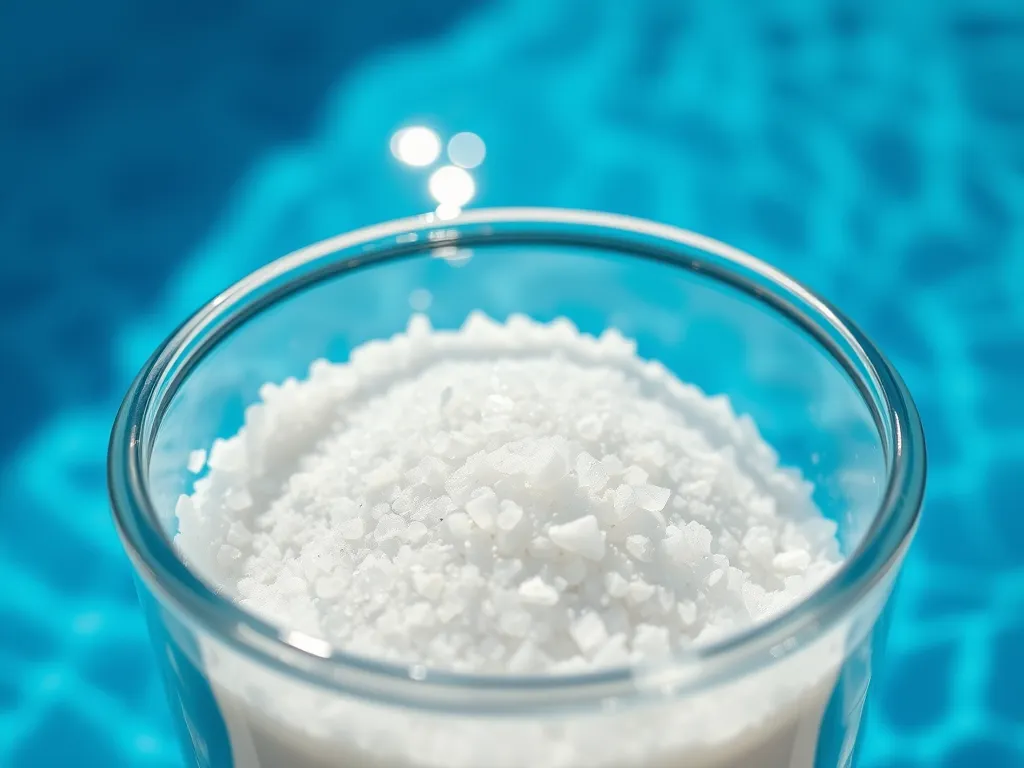
Is Pool Salt Safe to Eat?
Despite its sodium chloride content, pool salt isn’t designed for dietary use. Regulatory agencies like the FDA enforce strict guidelines for edible salts, which pool products don’t meet. Consuming it introduces unnecessary risks due to its unregulated additives and contaminants.
Risks Of Human Consumption
Eating pool salt can trigger gastrointestinal distress, including nausea, vomiting, or diarrhea, within hours. The anti-caking agents and trace metals may irritate the digestive tract. For children or individuals with kidney issues, even small amounts (over 1 teaspoon) could disrupt electrolyte balance, leading to dehydration or elevated blood pressure.
Short-term Vs Long-term Health Effects
Immediate effects focus on acute physical reactions, but repeated exposure poses chronic risks. Heavy metals like lead accumulate in the body over time, potentially damaging organs or the nervous system. While a single accidental ingestion might cause temporary discomfort, habitual use could result in toxicity, with symptoms appearing weeks or months later.
While pool salt serves its purpose in maintaining water quality, its chemical profile raises questions about its role outside pool care. Let’s examine how it compares to table salt in processing and safety standards.
Also See: Can Pool Test Strips Detect Metals Like Copper or Iron?
Pool Salt Vs Table Salt: Key Differences
While both pool salt and table salt share sodium chloride as their base, their production methods and quality benchmarks diverge significantly. These differences directly impact safety for human consumption.
Processing and Purity Standards
Table salt undergoes strict FDA-regulated processing to remove impurities like gypsum, magnesium, and trace metals. It’s fortified with iodine (45-74 mcg per gram) and may include anti-caking agents like calcium silicate. Pool salt, governed by ASTM D98-09 standards, prioritizes chlorine generation efficiency over purity. Though labeled 99% pure sodium chloride, it’s not tested for food-safe thresholds of contaminants. Batch testing often allows up to 0.5% insoluble matter, including silica or clay particles.
Why Pool Salt Isn’t Food-grade
Food-grade salts must contain less than 5 ppm lead and 2 ppm arsenic under FDA guidelines. Pool salt manufacturers rarely screen for these heavy metals. Anti-clumping additives like sodium ferrocyanide (yellow prussiate) in pool salt are approved for industrial use but not human ingestion. A 2021 study in the Journal of Environmental Health found detectable levels of aluminum (up to 12 ppm) in 78% of pool salt samples tested, which exceeds culinary salt limits.
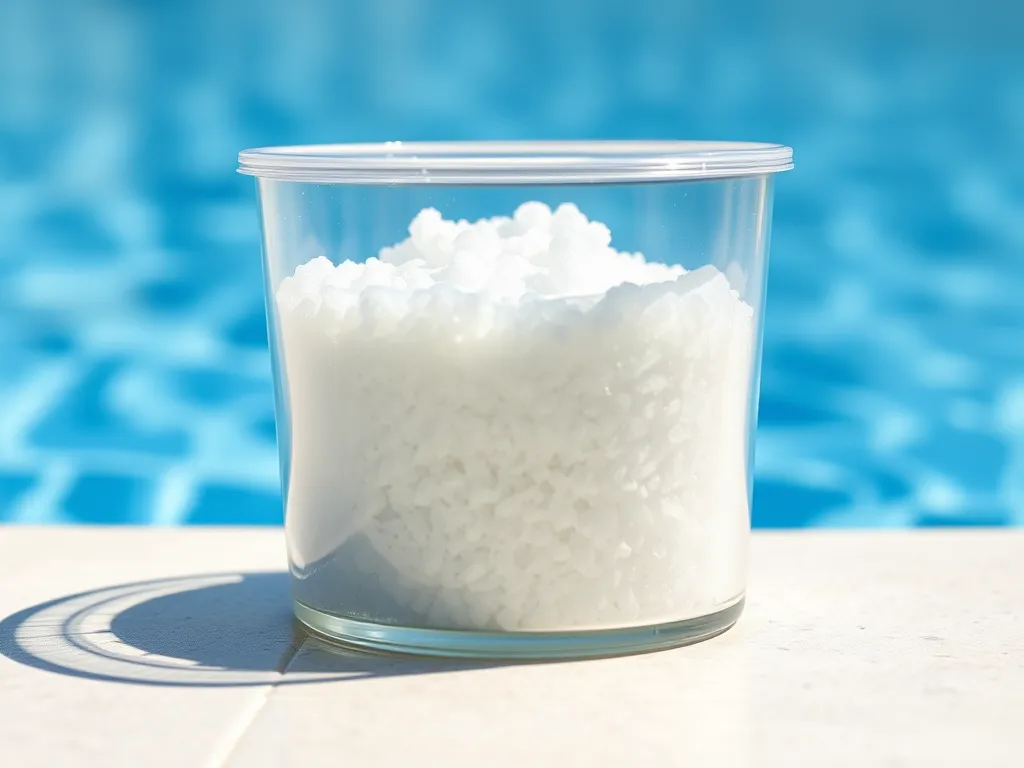
What Happens if You Eat Pool Salt?
Ingesting pool salt triggers both immediate discomfort and potential long-term health risks, even in small quantities.
Immediate Physical Reactions
Consuming 1-2 teaspoons may cause nausea, vomiting, or diarrhea due to undissolved mineral particles irritating the digestive tract. The larger crystal size (typical 0.8-1.2 mm granules vs table salt’s 0.3 mm) slows dissolution, prolonging mucosal exposure. Individuals with hypertension might experience rapid blood pressure spikes from unmeasured sodium intake.
Potential Toxicity Concerns
Chronic exposure to residual impurities poses greater risks. For example, repeated ingestion of cyanide-based anti-caking agents could lead to neurotoxicity at doses above 0.05 mg/kg body weight. A child weighing 30 kg consuming just 3 grams of pool salt daily would exceed this threshold. Heavy metal accumulation in organs over time may contribute to kidney dysfunction or cardiovascular issues.
Safe Handling Of Pool Salt
Proper storage and handling minimize accidental consumption risks while maintaining salt quality for pool use.
Storage Best Practices
Store pool salt in airtight containers labeled “Not for Consumption.” Keep it separate from food prep areas – garage shelves or pool equipment rooms work best. Maintain relative humidity below 50% to prevent clumping, reducing the need for extra additives. Use silica gel packs in storage bins if moisture is a concern. Proper maintenance of your pool also includes monitoring the pool pump amps. Keeping an eye on the pump’s power consumption helps ensure it runs efficiently and effectively.
Preventing Accidental Ingestion
Install child-resistant locks on storage cabinets, as pool salt’s coarse texture can resemble rock candy. For saltwater pool owners, post visible warnings near the generator tank. When adding salt to pools, wear gloves and rinse skin immediately if contact occurs – residual impurities may cause dermatitis with prolonged exposure. Maintaining a clean environment is crucial for pool safety. This brings up the question of whether saltwater pools are truly sanitary.
While pool salt serves its purpose in maintaining crystal-clear water, its role in your life should never extend beyond the pool deck. Next, we’ll explore common misconceptions about repurposing pool salt in kitchens and beyond. When thinking about swimming pools, the materials used for construction play a crucial role. From concrete to fiberglass, each material has its own advantages for creating the perfect swimming pool.

Alternative Uses for Pool Salt
While pool salt serves a clear role in water care, some wonder if it can fill other roles. Let’s break down facts from myths.
Can You Use Pool Salt for Cooking?
No. Pool salt lacks food-grade checks. It has 99% sodium chloride but may hold anti-cake agents like sodium ferrocyanide. These keep salt loose in bags but are unsafe to eat. Table salt gets extra steps: mined, washed, and mixed with iodine. Pool salt skips these steps, risking grit or trace metals. Even a pinch could add bad stuff to your food. It’s important to keep your pool clean and safe as well. Regularly checking the phosphate level in your pool can help prevent algae growth and maintain water clarity.
Myth Busting: Curing Meats With Pool Salt
Some think pool salt works like pink curing salt. Wrong. Curing salts have nitrites to block germs and fix meat color. Pool salt has none of this. It might also host dirt or odd bits from storage. Tests show pool salt can hold 5-10 ppm of metals like copper. Not deadly, but why risk it? Stick to salts made for food. Keeping your pool area clean is important too. Regularly cleaning pool pavers helps maintain a safe and inviting environment.
Non-food Applications in Pool Maintenance
Pool salt shines where it’s meant to: saltwater pools. It feeds chlorine gens to keep water clean at 3,000-4,000 ppm. It can also melt ice on paths or scrub stains off concrete. Just keep it off dishes, grills, or any food zones. For home tasks, pick pure salts labeled safe for use near kids or pets. In addition to its household uses, salt is crucial in managing the temperature of pools. A long heat pool can help keep the water warm and enjoyable, making swimming more pleasant even in cooler weather.
Still unsure how pool salt fits into daily life? Let’s clear up common questions next.
FAQs About Pool Salt Consumption
“Does Pool Salt Contain Iodine Like Table Salt?”
No, pool salt doesn’t contain iodine, which is intentionally added to table salt to support thyroid health. Unlike food-grade salts, pool salt skips iodine fortification and lacks purification processes to remove non-dietary contaminants like heavy metals or industrial anti-caking agents.
“Can Pool Salt Be Used in Baking or Food Preservation?”
Pool salt should never replace culinary salts in baking, pickling, or food preservation. While chemically similar to sodium chloride, its unregulated additives and particulate impurities can introduce toxins into food. Food-grade salts undergo rigorous testing to eliminate harmful residues – a step omitted in pool salt production. When considering the use of water in cooking or food preparation, it’s important to note the quality of the water source. Water boatmen, tiny insects found in pools, contribute to the ecosystem but have no place in our culinary processes.
“Is Pool Salt Safe for Pets if Accidentally Consumed?”
Pool salt is equally dangerous for pets. Even small amounts can cause vomiting, diarrhea, or sodium ion poisoning in animals. Always store pool salt away from pet areas, and contact a veterinarian immediately if ingestion occurs. Symptoms like excessive thirst or lethargy require urgent care. In addition to these risks, it’s important to consider how saltwater pools may affect your dog. Many dogs enjoy swimming in saltwater pools, but it’s essential to monitor their exposure and ensure their safety while playing.
Closing Thoughts
Pool salt serves a specific purpose—keeping your swimming pool clean and balanced. While it shares similarities with table salt, its chemical composition and lack of food-grade processing make it unsafe for consumption. Even small amounts can cause digestive distress or more severe health issues.
Stick to using pool salt for its intended purpose: maintaining crystal-clear water. Store it securely away from food prep areas to prevent accidental ingestion. For those curious about saltwater pool chemistry or precise dosing, My Pool Calculator offers tailored tools to simplify your pool care routine.
When it comes to seasoning food, always choose products labeled for culinary use. Your pool—and your body—will thank you.
Additional Resources for You:
- Pool & Hot Tub Alliance (PHTA) – Industry Standards & Training
- Can you eat water softener salt? | Diamond Crystal® Salt
- Has anyone ever used Pool Salt in their Salt Licks? | GON Forum
A pool care geek who’s been testing water chemistry since she was tall enough to reach the skimmer.
Chlorine, Pool Chemistry, Sanitizers