Can My Dog Swim in My Pool? A Pool Care Guide to Dog Safety
Published on: January 2, 2026 | Last Updated: November 17, 2025
Written By: Rachael Weatherbottom
Yes, dogs can swim in most residential pools, including saltwater pools, but precautions are needed to keep them safe. Saltwater pools use a chlorine generator with 0.3% salinity, which is gentler than ocean water but may dry out a dog’s skin or paws. Puppies under six months need constant supervision due to limited stamina and drowning risks. All dogs should wear life jackets if swimming unsupervised, and pool water must stay balanced (pH 7.2–7.6) to avoid eye irritation or stomach issues.
This guide breaks down how to create a dog-friendly pool environment. Learn how saltwater systems compare to traditional chlorine pools for pet safety, including risks like sodium poisoning from excessive saltwater ingestion. Discover why puppies require extra safeguards, like shallow-entry ramps, and how to spot early signs of exhaustion or hypothermia in colder water.
We’ll also cover maintenance steps to protect both your dog and your pool. Find out how dog hair affects filter systems, why enzymatic cleaners prevent bacterial growth, and which pool covers deter accidental falls. Get actionable tips on post-swim rinsing routines, paw care for saltwater exposure, and vet-recommended swim durations based on breed size.
Is It Safe for Dogs to Swim in Pools?
Most dogs can swim in pools if basic rules are followed. Breed, age, and health shape what “safe” means. Some dogs paddle with ease, while others sink or tire fast. Watch each dog’s skills and limits.
Crucial Winterizing Products
"The all-in-one solution for a guaranteed clear spring opening."
All-in-One Closing Chemical Kit
Winter demand is high - check stock

"The 'set & forget' option. This is the easiest winterizing I've ever done."
Simple 3-in-1 Winterizing Balls
Winter demand is high - check stock
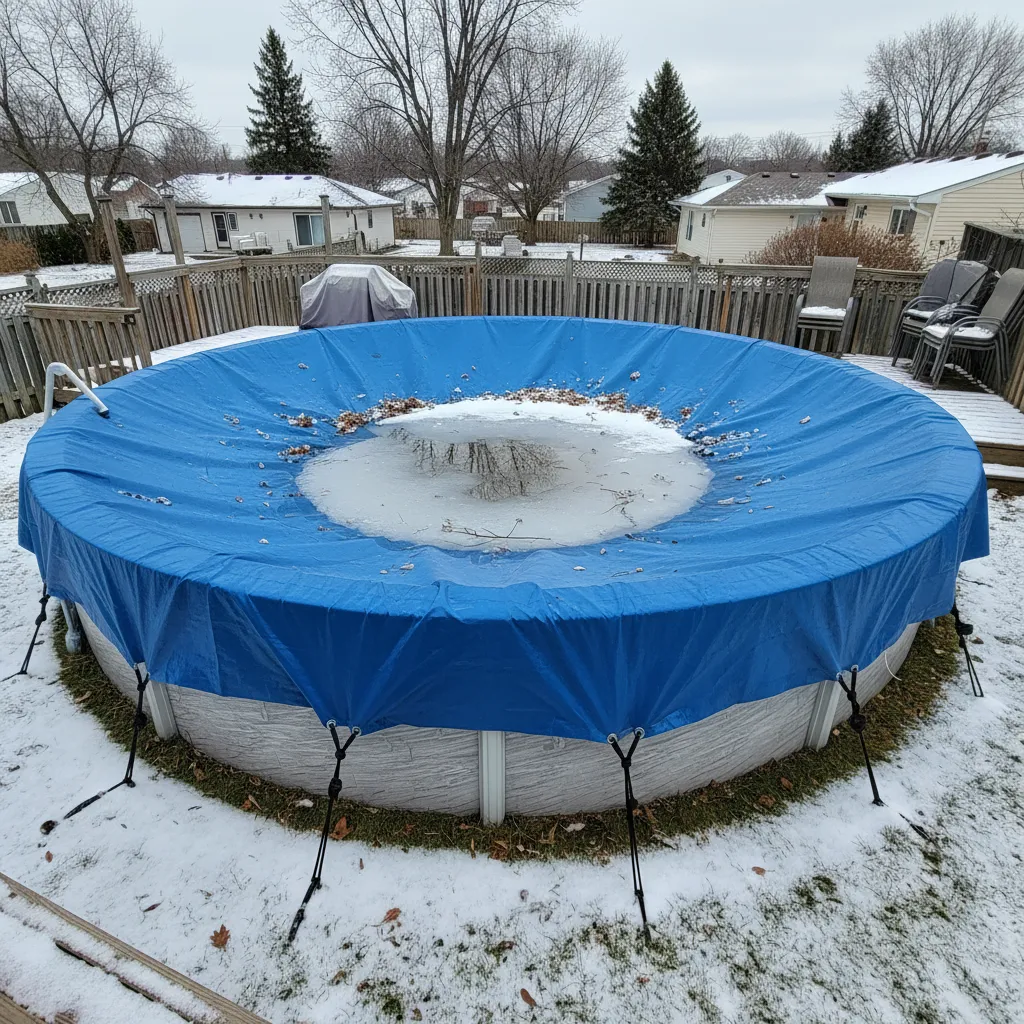
"Invest once to protect your liner and prevent a swamp in the spring."
Heavy-Duty Winter Pool Cover
Winter demand is high - check stock
Key Risks and Benefits Of Pool Swimming for Dogs
Pool dips help dogs stay cool and build muscle with low joint stress. But risks lurk. Chlorine at 1-3 ppm (parts per million) may dry skin or irritate eyes. Dogs with short snouts, like bulldogs, face higher drowning risk. Long swims raise ear infection odds (otitis externa) from trapped water.
Saltwater pools use 2,500-4,000 ppm salt, less harsh than chlorine. Still, dogs may gulp salt water, risking upset stomachs. Rinse coats after swims to cut salt or chemical buildup. Teach exit steps to prevent panic. Use dog ramps for easy exits. Many dogs enjoy playing in different types of water, including those found in natural settings. A water boatmen pool can be an exciting option for dogs to splash around with various aquatic creatures.
Can Swimming Help Dogs Maintain a Healthy Weight?
Water workouts burn 30% more calories than walks. Overweight dogs gain big wins from pool time. A 50-pound dog can shed 200+ calories per hour swimming. Water’s lift eases strain on hips, aiding pups with arthritis.
Start pups with 5-minute swims, then add time as stamina grows. Avoid food 1 hour pre-swim to cut bloat risk. Check for tired signs: heavy panting, slow kicks. Fit a life vest for weak swimmers. Mix swim days with dry play to balance muscle use.
Now let’s dive into how saltwater and chlorine pools differ for dog safety.
Saltwater Pools Vs. Chlorine Pools: Safety for Dogs
Saltwater and chlorine pools use different methods to sanitize water, which impacts safety for dogs. While both can work for pets, knowing the specifics helps reduce risks like skin irritation or chemical exposure. This brings up the question of how sanitary saltwater pools are compared to traditional chlorine pools. Many people wonder if the salt in these pools is effective enough to keep the water clean and safe for everyone.
Are Saltwater Pools Safe for Dogs?
Saltwater pools contain 1/10th the salt concentration of seawater (around 3,000–6,000 ppm sodium chloride). This lower salinity makes them gentler than ocean water. Dogs can swim in saltwater pools if rinsed afterward, but monitor for over-ingestion or prolonged exposure. Many homeowners are also considering close above ground pools for their convenience and ease of installation. These pools offer a great option for families looking to enjoy swimming without the extensive upkeep of traditional in-ground pools.
Can Saltwater Pools Irritate a Dog’s Skin?
Mild salt levels rarely irritate healthy skin. Dogs with allergies, cuts, or dermatitis may experience dryness or stinging. After swimming, rinse your dog with fresh water and check for redness. Hypoallergenic shampoos help if irritation occurs.
Is Pool Salt Safe for Dogs’ Paws?
Pool salt granules can stick to paws, causing abrasions or cracking. Rinse paws post-swim and trim fur between pads to prevent salt buildup. Use pet-safe balms like Musher’s Secret to protect paw pads during frequent pool sessions.
Is Chlorine Safe for Dogs in Pools?
Chlorine pools sanitize water with 1–3 ppm chlorine levels. At proper concentrations, chlorine is safe for dogs, but overexposure may lead to eye redness, dry coats, or stomach upset if ingested. Always test water chemistry weekly when pets swim regularly. Additionally, maintaining a balanced pool environment is essential for safety. Regularly checking the salt level in a saltwater pool also helps ensure a comfortable experience for both pets and people.
How Long Can Dogs Swim in Chlorine Pools?
Limit chlorine pool swims to 20–30 minutes. Prolonged exposure strips natural oils from fur and skin. After swimming, rinse your dog thoroughly and provide fresh drinking water to discourage licking chlorinated water off their coat. Some pools, however, have high hardness pools, which can create different conditions for swimming. In high hardness pools, the water may feel different, so it’s important to monitor how your dog reacts to it.
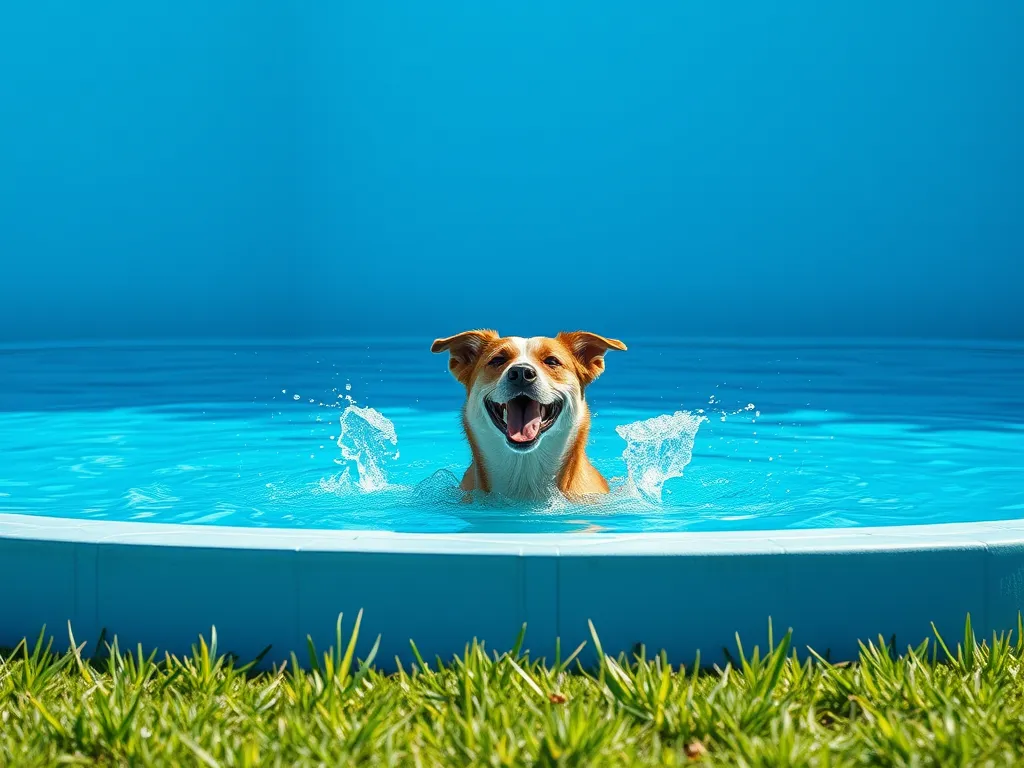
Puppies and Pools: Special Considerations
Puppies under 6 months require extra precautions around pools. Their smaller size, developing immune systems, and lack of coordination increase risks compared to adult dogs.
Can Puppies Go in the Pool?
Puppies can swim once they’ve had vaccinations (typically 16 weeks old). Start with shallow, controlled sessions. Avoid cold water below 75°F, as puppies lose body heat faster. Use ramps or steps for easy exit access.
Will My Puppy Drown in a Pool?
Puppies tire quickly and may struggle to find pool exits. Install a doggy ramp, and never leave them unattended. Train puppies to locate steps using treats. Consider a fitted canine life vest for breeds under 15 lbs.
Can Puppies Swim in Saltwater Pools?
Saltwater is safer for puppies than chlorine if salinity stays below 4,000 ppm. However, puppies are more prone to swallowing water, which can cause electrolyte imbalances. Limit swims to 10 minutes and watch for vomiting or lethargy.
Now that we’ve covered water types and puppy precautions, let’s explore what makes pool water safe for dogs to drink and how to maintain hygiene.
Also See: Can You Use Pool Chlorine to Clean Vinyl Siding?
Pool Water Safety for Dogs
When letting your dog swim in the pool, water composition directly impacts their health. Different pool types pose unique risks, requiring owners to balance maintenance with pet safety.
What Pool Water is Safe for Dogs?
Saltwater pools use dissolved salt (3,000-4,000 ppm) to generate chlorine, which is gentler on skin compared to traditional chlorine systems. While safer for dogs, salt levels still shouldn’t exceed 5,000 ppm to prevent dehydration or paw irritation. Chlorinated pools must maintain free chlorine between 1-3 ppm—higher concentrations risk eye redness or gastrointestinal upset if ingested. Copper-based systems, though less common, require metal levels below 0.4 ppm to avoid toxicity. When considering pool features, a tanning ledge pool provides a shallow area for relaxation and sunbathing, making it perfect for hot summer days.
Can Dogs Drink From Swimming Pools?
Dogs drinking chlorinated or salted pool water can experience vomiting, diarrhea, or electrolyte imbalances. Saltwater ingestion may trigger excessive thirst, while chlorine’s chemical additives strain their kidneys. Provide fresh water nearby to discourage lapping from the pool. For puppies, limit swim sessions to 10 minutes to reduce the chance of accidental consumption. It’s also important to be careful with other substances, such as Don’t brush new plaster, as it can disrupt the curing process and lead to damaged surfaces.
Error: Invalid image ID.
Hygiene and Sanitation Concerns
While dogs love splashing, their presence introduces organic debris, bacteria, and pH shifts. Proactive measures keep water balanced and safe for everyone.
Are Dogs in Swimming Pools Sanitary?
Dogs carry dirt, fecal matter, and pathogens like E. coli or Giardia into pools. A single swim session can raise phosphate levels by 200-300 ppb, fueling algae growth. Puppies with weaker immune systems face higher risks from contaminated water. Saltwater systems don’t eliminate germs—proper sanitizer levels remain critical.
Dog Swimming Pool Hygiene Tips
Rinse dogs with fresh water pre-swim to remove loose fur and debris. Trim long-haired breeds to minimize shedding. Post-swim, check ears for moisture to prevent infections. Use floating skimmer socks to capture dog hair, and test chlorine or bromine levels within 2 hours of swimming. For frequent use, install a secondary filtration system rated for pet debris. It’s also important to consider the type of chemicals used in the pool. A sulfuric acid pool can require special attention to maintain safety and balance.
Pool Care and Maintenance With Dogs
Dogs accelerate wear on pool surfaces and equipment. Tailor your routine to manage their impact without compromising water quality.
How to Maintain Your Pool After Dog Swimming
Run the pump for 6-8 hours post-swim to circulate sanitizer. Shock the pool weekly with 2-3 pounds of calcium hypochlorite per 10,000 gallons to oxidize organic waste. Use enzyme-based clarifiers like Pool Perfect to break down oils from dog fur. Monitor total dissolved solids (TDS)—levels above 1,500 ppm require partial draining to prevent cloudiness. Maintaining proper chlorine levels is essential for a clean pool. Additionally, cyanuric acid helps protect chlorine from being broken down by sunlight, ensuring it lasts longer in the water.
Preventing Pool Damage From Dogs
Trim your dog’s nails to reduce liner scratches. Apply a vinyl protectant on seams to deter claw punctures. For concrete pools, seal surfaces with a dog-friendly epoxy. Position exit ramps near steps to minimize wall scrambling. Cover the pool when unused with a reinforced safety mesh cover rated for 500+ pounds. Just like dogs, chickens can also enjoy a fun splash in water. Adding kiddie pools to your chicken coop can provide a great way for them to cool off and play.
With these strategies, your pool stays clean and functional—even with regular dog use. Next, let’s explore local rules governing pets in shared swimming spaces.

Rules and Rules
Before you let your dog dive in, know the laws. Public pools and home pools have different rules. Let’s break down what’s allowed and what’s not.
Are Dogs Allowed in Public Swimming Pools?
Most public pools ban dogs. Health codes say pools for people must keep out pets. This stops germs from fur or waste mixing with swimmers. Service dogs trained to help with health needs may be allowed under ADA rules. But call ahead—some pools still say no due to strict cleaning needs. As summer approaches, many people get excited about enjoying their time by the pool. Making sure your pool area is clean and safe sets the stage for a fun and relaxing pool ready summer.
- Check local pool rules online or by phone
- Service dogs may need proof of training
- Dog swim days: Some pools host special events for pets
Do Public Health Rules Prohibit Dogs in Pools?
Health groups like the CDC warn that dog waste can spread germs like E. coli. Pools use chlorine (1-3 ppm) or salt (2500-4000 ppm) to kill germs, but dog mess can throw off balance. Saltwater pools are not safer—salt does not kill all bugs from dogs. Keeping the pool clean is crucial for maintaining its safety. Running a Pentair pool pump for 24 hours can help ensure that the water stays fresh and free of harmful bacteria.
Most states ban pets in shared pools. Fines can hit $500 if your dog jumps in. Home pools? No laws stop you, but keep water clean. Test free chlorine after dog swims—aim for 2-4 ppm to fight germs.
Saltwater pools need care too. Salt levels over 4000 ppm can dry out dog skin. Rinse your dog with fresh water post-swim to avoid rash.
Up next: Get answers to common questions about pool time with dogs.
FAQs About Dogs and Pool Safety
Do Dogs Need Sunscreen When Swimming in Outdoor Pools?
Yes! Dogs with short or light-colored coats, pink skin, or exposed areas (like noses and ears) are prone to sunburn. Use pet-specific sunscreen with SPF 30+ on vulnerable spots. Avoid human products containing zinc oxide, which is toxic if licked off.
How Can I Safely Introduce My Dog to Swimming in a Pool?
Start in shallow water with a canine life vest. Use positive reinforcement—treats or toys—to build confidence. Gradually guide them deeper while supporting their belly. Teach exit commands (“out” or “ramp”) and practice locating steps. Repeat short sessions until they’re comfortable.
Are Certain Dog Breeds More Prone to Pool-related Health Issues?
Brachycephalic breeds (e.g., bulldogs, pugs) risk drowning due to breathing difficulties. Heavy-bodied breeds like Basset Hounds may struggle to stay afloat. Dogs with chronic ear infections (e.g., Cocker Spaniels) need extra ear-drying care post-swim. Always assess your dog’s physical limitations before pool time.
Closing Thoughts
Deciding whether your dog can swim in your pool depends on several factors—pool type, water chemistry, and your pet’s health. Saltwater pools are generally safer than chlorine pools for dogs, but both require monitoring. Puppies need extra supervision, and all dogs benefit from proper hygiene practices to keep your pool clean.
Regular pool maintenance is key when dogs swim frequently. Test water balance more often, rinse your dog after swimming, and consider a pet-friendly pool ramp for easy exits. Always watch for signs of irritation or fatigue.
For precise water chemistry adjustments after dog swim sessions, try My Pool Calculator. Our tools help maintain ideal levels, ensuring safety for both pets and people. Keep the fun going while prioritizing your dog’s well-being!
Additional Resources for You:
- PoolPro Magazine (Industry News & Technical Articles)
- Should You Let Your Dog Swim In Your Pool? – Factory Pools Perth
- Can Dogs Swim in Pools?
- Are Saltwater Pools Systems Safe for Dogs & Pets?
- Should You Allow Your Dog in the Swimming Pool?
A pool care geek who’s been testing water chemistry since she was tall enough to reach the skimmer.
Chlorine, Pool Chemistry, Sanitizers