Can You Swim in a Pool With High Hardness? What Every Pool Owner Needs to Know
Published on: February 3, 2026 | Last Updated: November 17, 2025
Written By: Rachael Weatherbottom
Yes, you can swim in a pool with high hardness, but it may cause skin irritation, eye discomfort, and scaling on surfaces. Calcium hardness measures dissolved calcium in water, expressed in parts per million (ppm). Ideal levels range from 200-400 ppm – exceeding 800 ppm creates visible issues. While not an immediate health hazard, water above 1000 ppm requires urgent treatment to avoid equipment damage and swimmer discomfort.
This guide details how elevated calcium impacts both swimmers and pool systems. You’ll learn to test water hardness accurately using test strips or liquid kits, interpret results, and spot early signs like cloudy water or gritty pool walls. We’ll clarify how hardness interacts with pH and chlorine effectiveness.
Explore proven fixes: partial draining (replacing 20-50% of water), reverse osmosis filtration ($300-$1,500+ depending on pool size), or flocculant treatments. Get step-by-step instructions for adjusting levels safely and determining when your pool is swim-ready after chemical adjustments. From scaling risks to cost comparisons, we cover what matters for your safety and your pool’s longevity.
What is Pool Water Hardness?
Pool water hardness tracks the amount of dissolved calcium in the water. Measured in parts per million (ppm), it shows how much calcium carbonate is present. High levels can change how your pool feels and works.
Crucial Winterizing Products
"The all-in-one solution for a guaranteed clear spring opening."
All-in-One Closing Chemical Kit
Winter demand is high - check stock

"The 'set & forget' option. This is the easiest winterizing I've ever done."
Simple 3-in-1 Winterizing Balls
Winter demand is high - check stock
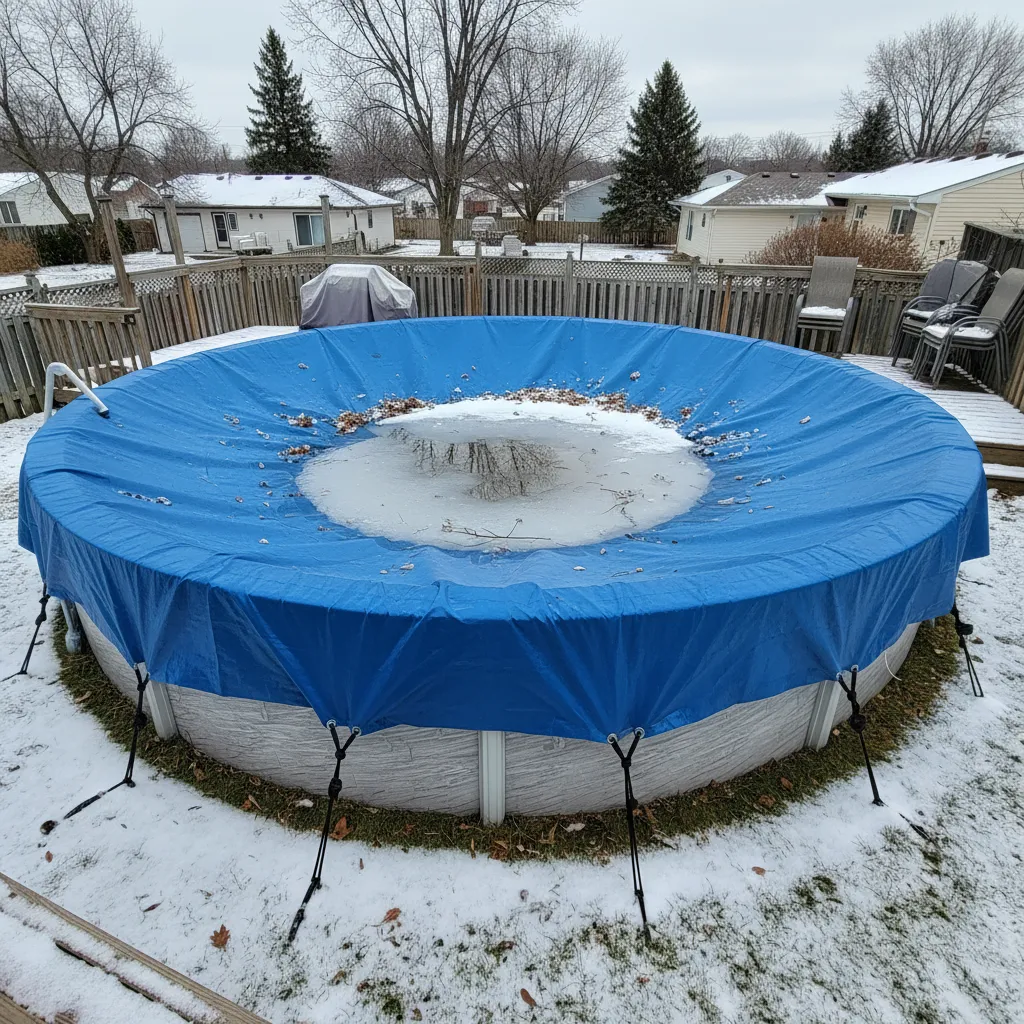
"Invest once to protect your liner and prevent a swamp in the spring."
Heavy-Duty Winter Pool Cover
Winter demand is high - check stock
Understanding Calcium Hardness in Swimming Pools
Calcium enters pools through fill water, chemicals, or plaster erosion. While some calcium stops metal parts from rusting, too much causes scale build-up. This chalky white crust forms on tiles, filters, and heaters, cutting their life span.
Ideal Hardness Levels for Pool Care
Keep calcium between 200-400 ppm for safe swims and gear care. The Pool & Spa Pros group backs this range. Below 200 ppm, water eats at surfaces. Above 400 ppm, scaling risks rise fast.
| Level | ppm Range | Risks |
|---|---|---|
| Low | <200 ppm | Eats metal, cracks plaster |
| Good | 200-400 ppm | Safe for gear and skin |
| High | >400 ppm | Scale, cloudy water, eye burn |
Pools with over 400 ppm hardness need quick fixes to avoid swim risks. Next, we’ll break down what high calcium does to your pool’s health.
What Does High Hardness Mean for Your Pool?
High hardness occurs when dissolved calcium minerals exceed 400 parts per million (ppm) in pool water. While calcium helps protect surfaces from corrosion, levels above this threshold create challenges for water balance and swimmer comfort. Keeping your pool in good condition also means ensuring it is properly secured when not in use. A pool safety cover size calculator can help you find the right cover size for your pool, ensuring safety and efficiency.
How Calcium Accumulation Affects Water Quality
Excess calcium forms calcium carbonate scale, a chalky white residue that clouds water and coats pool surfaces. This buildup reduces filtration efficiency by clogging skimmer baskets, filter media, and pump impellers. Scale also creates rough textures on pool walls and floors, providing hiding spots for algae even when sanitizer levels are properly maintained. Keeping your pool balanced is essential, especially when using calcium hypochlorite as a sanitizer. This type of chlorine not only sanitizes the water but can also contribute to calcium levels if not managed carefully.
Signs Of Excessive Calcium in Swimming Pools
Look for white streaks near waterlines, gritty textures on tile grout, or reduced water flow from return jets. Pools with hardness above 600 ppm may show visible calcium flakes floating in the water. Test strips often turn deep purple in high-hardness conditions, while liquid test kits produce milky solutions during titrations.
Is It Safe to Swim in a High Hardness Pool?
While short-term exposure to elevated calcium levels won’t cause immediate harm, prolonged contact creates avoidable risks for swimmers and pool systems. The real danger lies in cumulative effects over time. Keeping wave pools clean is essential for safety. Preventative measures can help stop algae growth and keep the water safe for everyone.
Potential Skin Irritation and Dryness
Hard water strips natural oils from skin, leaving a tight, itchy feeling post-swim. Those with eczema or psoriasis may experience flare-ups, as mineral deposits disrupt the skin’s moisture barrier. A 2022 study found swimmers in water with 800+ ppm hardness reported 3x more dermatologist visits for dryness-related issues compared to those in balanced pools.
Eye Discomfort From Elevated Calcium Levels
Calcium reacts with chlorine-based sanitizers to form chloramines faster at higher pH levels common in hard water. These compounds cause the red, stinging sensation often mistaken for “too much chlorine.” Optometrists note that pools above 500 ppm hardness increase corneal irritation risks by 18-22% compared to water within the 200-400 ppm ideal range.
Calcium Deposits on Pool Surfaces and Equipment
Scale buildup creates jagged edges on steps and ledges that can scrape skin. Heaters suffer most – just 1/8” of scale on heat exchangers reduces thermal efficiency by 25% and may lead to $500+ repair bills. Automatic pool cleaners with worn treads from abrasive surfaces often require replacement rollers 30-50% sooner in high-hardness environments.
Spotting these red flags early helps prevent long-term damage. Next, let’s explore methods to measure and manage your swimming pool hardness level effectively.
Also See: Can You Catch Lice From Swimming Pools? The Truth
How to Test and Monitor Pool Hardness
Maintaining balanced calcium levels requires regular testing with reliable tools. Weekly checks prevent sudden spikes that turn crystal-clear water into a cloudy, scaly mess. Just like keeping a pool clean is important for swimmers, ensuring the right conditions is essential for pets too. A swimming dog can have a great time splashing around in clean water!
Using Test Strips or Liquid Kits for Accuracy
Test strips like AquaChek or Taylor Technologies liquid kits measure calcium hardness within seconds. Dip a strip into elbow-deep water, wait 15 seconds, then match colors to the chart. Liquid kits involve adding reagents to a sample until it changes hue – precise but requiring more steps. Both methods detect levels between 0-1,000 ppm, catching issues before they escalate.
Interpreting Calcium Hardness Readings
Readings below 200 ppm risk corroding plaster or metal fixtures. Levels above 400 ppm trigger scaling on tiles, filters, and heaters. For saltwater pools, keep hardness under 350 ppm to avoid accelerated wear on chlorine generators. Document results in a logbook or pool care app to track trends over weeks.
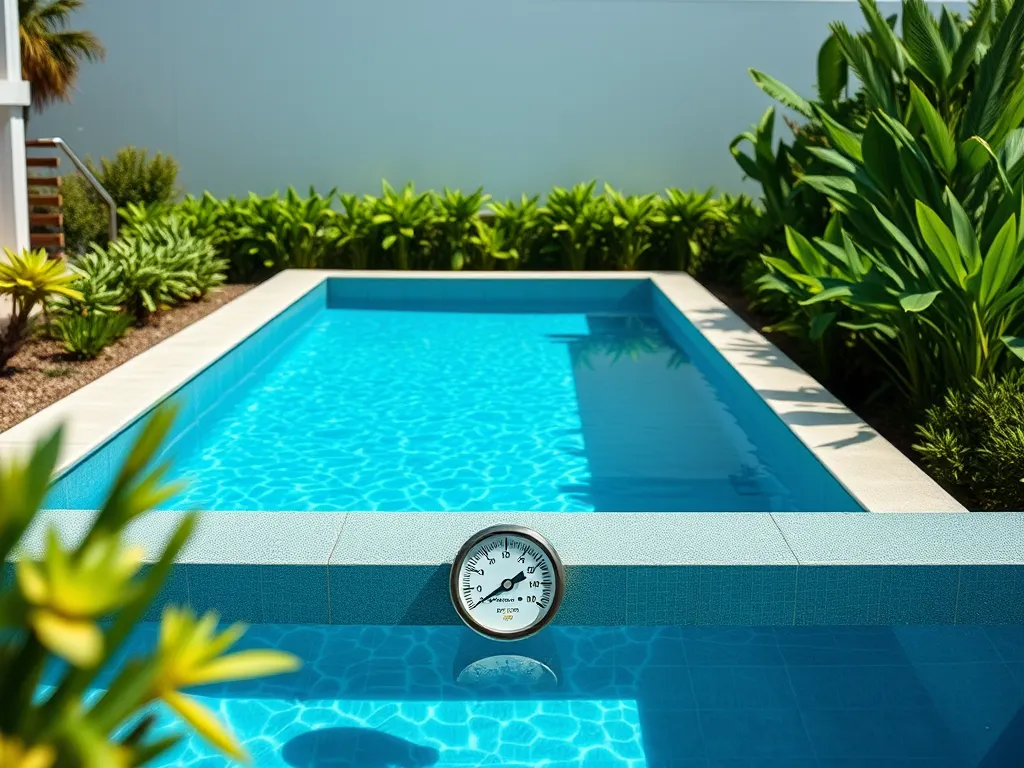
Solutions for High Calcium Hardness in Pools
When hardness exceeds 500 ppm, act fast to prevent permanent damage. Three proven methods restore balance without replacing all water.
Partial Drain and Refill Method
Drain 25-40% of pool water, then refill with soft tap water (tested first). This dilutes calcium concentration effectively. For a 15,000-gallon pool, removing 5,000 gallons lowers hardness by ~33%. Use submersible pumps to avoid damaging surfaces during drainage. This process can also help in addressing removing iron from your pool, which is essential for maintaining water clarity and preventing staining.
Reverse Osmosis Filtration Systems
Mobile RO units filter calcium, metals, and dissolved solids without draining. Water passes through semipermeable membranes at 300 PSI, stripping 80-90% of hardness minerals. Costs average $500-$800 per treatment but preserve water and chemicals.
Using Flocculants to Clarify Hard Water
Flocculants like Drop Down clump excess calcium particles into larger clusters that sink to the floor. Vacuum these deposits to waste within 48 hours. This temporary fix works best paired with partial drains but avoids full water replacement.
Adjusting Pool Hardness Levels
Balance isn’t just about lowering numbers – sometimes pools need targeted boosts. Strategic chemical adjustments keep surfaces protected and water swim-ready.
How to Safely Increase Calcium Hardness
Add calcium chloride (96% pure) at 1.5 lbs per 10,000 gallons to raise levels by 10 ppm. Broadcast powder slowly over deep areas while pumps run. Wait 6 hours before retesting. Never exceed 400 ppm – overcorrection leads to scaling.
Does Muriatic Acid Reduce Pool Hardness?
Muriatic acid lowers pH and alkalinity but doesn’t affect calcium levels. Use it to dissolve existing scale (1 quart per 15,000 gallons) by brushing affected areas. Always add acid to water, never water to acid, to prevent dangerous reactions. Proper pool maintenance also includes keeping free chlorine levels balanced. Adding free chlorine ensures that your pool water stays clean and safe for swimming.
Proper Use of Chemicals for Hardness Control
Wear gloves and goggles when handling calcium chloride or flocculants. Store products in airtight containers away from moisture. Test water 24 hours after treatments to confirm desired results. Never mix chemicals directly – add separately with circulation running for 2 hours between doses.
After tackling hardness levels, timing becomes key before taking that post-treatment plunge. Let’s explore how long to wait after balancing your water.
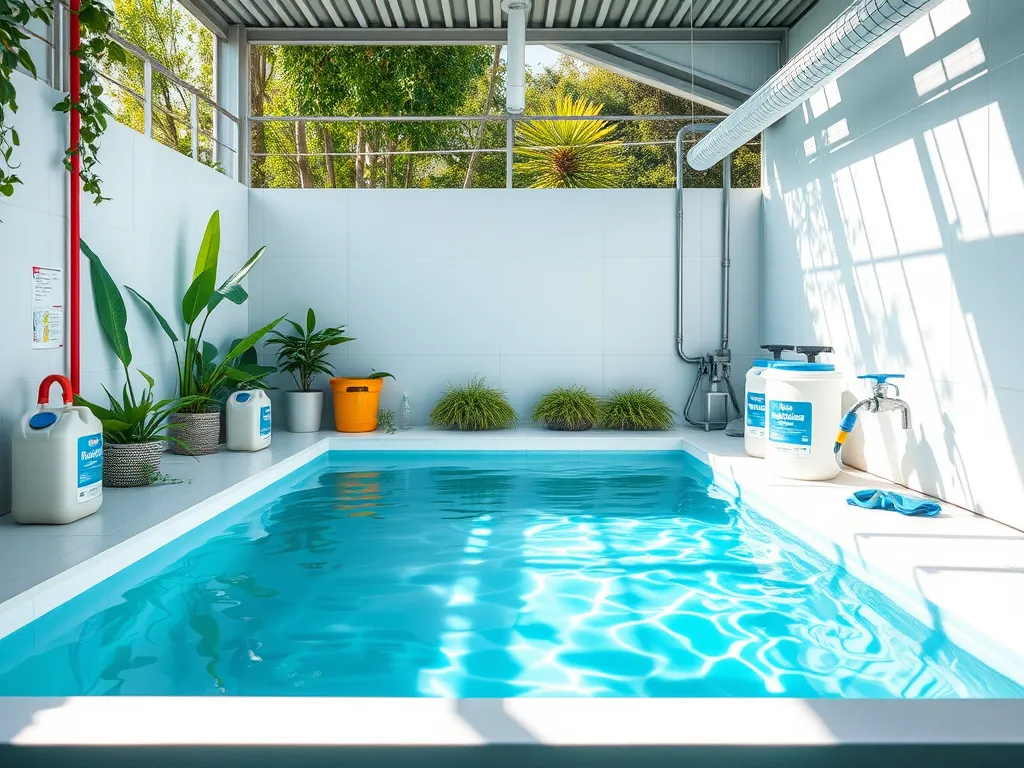
When Can You Swim After Adjusting Hardness?
Managing pool hardness requires precise timing between treatments and safe reentry. Whether you’ve added calcium chloride to boost levels or used a flocculant to reduce scaling, knowing when swimmers can dive back in prevents health risks and protects your pool’s balance. Keeping an eye on various pool chemicals is crucial. Lowering cyanuric acid levels can also help maintain a healthier pool environment.
Wait Times Following Chemical Treatments
Chemical adjustments demand patience. After adding calcium increasers, allow 2-4 hours for full circulation with the pump running at 200-300 ppm calcium hardness. For hardness reduction methods like partial draining (replacing 30-50% of water), wait 24-48 hours before retesting. Reverse osmosis systems – which filter water at 400-600 PSI – often permit immediate swimming post-treatment since no chemicals are used, but always confirm with your service technician. Maintaining the right chemical balance is crucial for all pools, including super chlorinate salt pools. These pools benefit from regular super chlorination to keep the water clean and safe for swimming.
Flocculant treatments require stricter timelines. These clarifiers clump excess calcium particles for vacuuming, leaving water cloudy for 8-12 hours. Keep swimmers out until visibility clears and calcium levels drop below 400 ppm. Muriatic acid applications to balance pH during hardness adjustments need 30-60 minutes of pump runtime before safe contact. Maintaining clear water is crucial, especially when considering pool maintenance. Many pool owners opt for pool water delivery services to ensure their water is always fresh and balanced.
Safety Checks Before Reentering the Pool
Never rely solely on wait times. Perform these checks first:
- Test calcium hardness (aim for 200-400 ppm) and pH (7.4-7.6) using digital testers or liquid kits
- Scan walls and tiles for new calcium scale formation – a sign treatments failed
- Verify filter pressure stays below 10 PSI above normal to prevent damage from hardened deposits
- Check water clarity – haze or grit indicates suspended calcium particles
Even with balanced chemicals, rough calcium deposits on ladders or liners can cause scrapes. Run your hand across surfaces to detect sharp scaling before allowing swimmers back in.
While temporary exposure to high hardness water (500+ ppm) isn’t toxic, persistent issues demand attention. Let’s address common concerns about long-term impacts of calcium-saturated pools. One important maintenance task is to ensure your pool pump motor is functioning properly. Testing the pool pump motor helps to maintain water clarity and prevent damaging effects of hard water.
FAQs About Swimming in High Hardness Pools
How Often Should I Test My Pool’s Calcium Hardness?
Test weekly during peak swimming season and after significant water changes. Monthly checks suffice in winter if the pool remains covered. Always test after adding chemicals or refilling with hard tap water.
Can High Hardness Damage Pool Accessories or Toys?
Yes, prolonged exposure to water above 600 ppm can degrade rubber seals in goggles and inflatables, while scale buildup clogs filter baskets and reduces cleaner suction efficiency. Rinse accessories with softened water after use.
What’s the Most Effective Method for Removing Existing Calcium Scale?
For light deposits, use a pumice stone on tile or a diluted muriatic acid solution (10:1 water-to-acid ratio) brushed onto plaster. Severe scaling may require professional pressure washing or bead blasting.
Does Pool Surface Material Influence Hardness Impact?
Concrete and plaster pools require higher calcium levels (250-400 ppm) to prevent leaching. Vinyl and fiberglass surfaces tolerate lower hardness (150-250 ppm) but become brittle if levels drop below 100 ppm. Maintaining the right balance of calcium is essential for overall pool health. Additionally, pool maintenance must also include checking for air leaks at pool valves to ensure efficient operation.
How Can Swimmers Mitigate Skin Irritation After Exposure?
Shower immediately using a pH-balanced soap to remove mineral deposits. Apply moisturizers containing ceramides or colloidal oatmeal to restore skin barrier function post-swim.
What Role Does Muriatic Acid Play in Managing Hardness-related Issues?
While it doesn’t reduce calcium levels, muriatic acid dissolves existing scale when applied topically and helps maintain optimal pH (7.4-7.6), preventing new calcium carbonate formation. Keeping the pool clean is essential for a great swimming experience. The Holland America Eurodam pool offers a perfect setting for relaxation and enjoyment on your cruise.
Closing Thoughts
Swimming in a pool with high hardness isn’t ideal, but it’s manageable with the right steps. Elevated calcium levels can cause skin irritation, cloudy water, and scaling on surfaces. Regular testing and adjustments keep your pool safe and comfortable.
For precise calculations on balancing your pool’s hardness, check out My Pool Calculator. Our tools help you maintain perfect water chemistry with ease.
Stay proactive—test weekly, address imbalances quickly, and enjoy crystal-clear water all season.
Useful References for You:
- Calcium Hardness in swimming pools how to get it right
- Understanding and Managing Calcium Hardness in Your Swimming Pool
- Calcium hardness in water | Know the right level for your pool type
- Dangers of high calcium hardness levels in your pool
A pool care geek who’s been testing water chemistry since she was tall enough to reach the skimmer.
Calcium Hardness, Pool Chemistry, Water Balance