Calcium Hypochlorite: Your Pool’s Powerful Sanitizer Explained
Published on: December 29, 2025 | Last Updated: November 17, 2025
Written By: Rachael Weatherbottom
Calcium hypochlorite is a granular chlorine compound used to sanitize pools by killing bacteria, algae, and contaminants. Unlike liquid chlorine (sodium hypochlorite) or slow-dissolving trichlor tablets, it contains 65-70% available chlorine and adds calcium to water, which helps maintain hardness levels between 200-400 ppm. This fast-acting oxidizer works in 15-30 minutes when pre-dissolved, requires 1 pound per 10,000 gallons for a 5 ppm boost, and must be stored in cool, dry HDPE containers to prevent degradation. Its high pH (10.8) means balancing water chemistry is critical to avoid scaling or cloudy water.
This guide breaks down how calcium hypochlorite outperforms other sanitizers in cost, storage, and algae control. You’ll learn why contractors favor it for shocking pools above 85°F, how to calculate doses for irregular-shaped pools, and why its 3-year shelf life makes it a backup staple during chlorine shortages. We’ll compare its pros and cons against saltwater systems, lithium hypochlorite, and dichlor granules.
By the end, you’ll know how to safely handle, apply, and store this chemical without spiking calcium hardness beyond 500 ppm. We’ll cover real-world fixes for common mistakes—like using a pool brush to prevent undissolved granules from bleaching liners—and share EPA-recommended ventilation practices when treating indoor pools. Get ready to master this powerhouse sanitizer.
What is Calcium Hypochlorite?
Calcium hypochlorite is a chlorine-based compound widely used for sanitizing swimming pools. Recognized for its potent disinfection capabilities, this chemical serves as a go-to solution for maintaining clean, safe water. Its versatility extends from routine maintenance to tackling severe contamination issues. When taking care of your pool, it’s also essential to monitor the salt levels. Regularly checking the salt level helps ensure optimal chlorine production and keeps the pool water balanced.
Crucial Winterizing Products
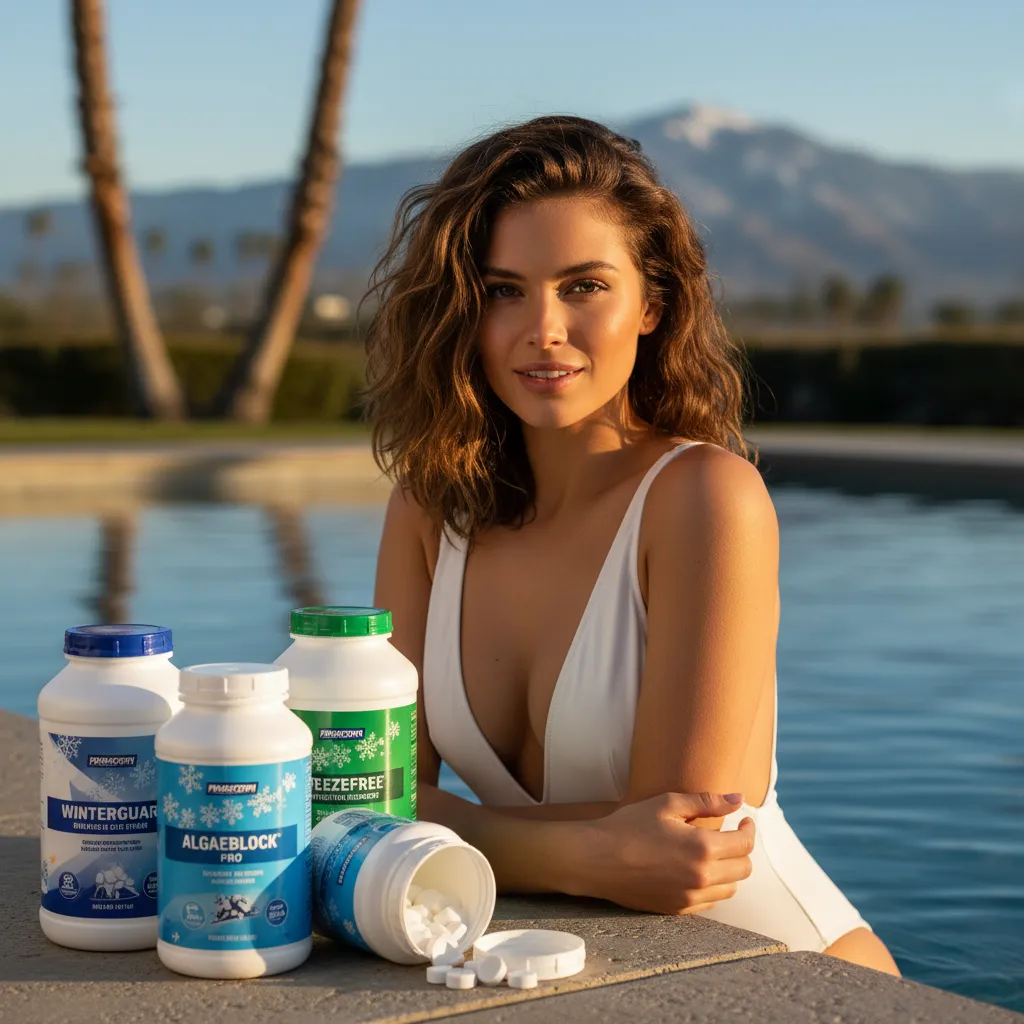
"The all-in-one solution for a guaranteed clear spring opening."
All-in-One Closing Chemical Kit
Winter demand is high - check stock

"The 'set & forget' option. This is the easiest winterizing I've ever done."
Simple 3-in-1 Winterizing Balls
Winter demand is high - check stock
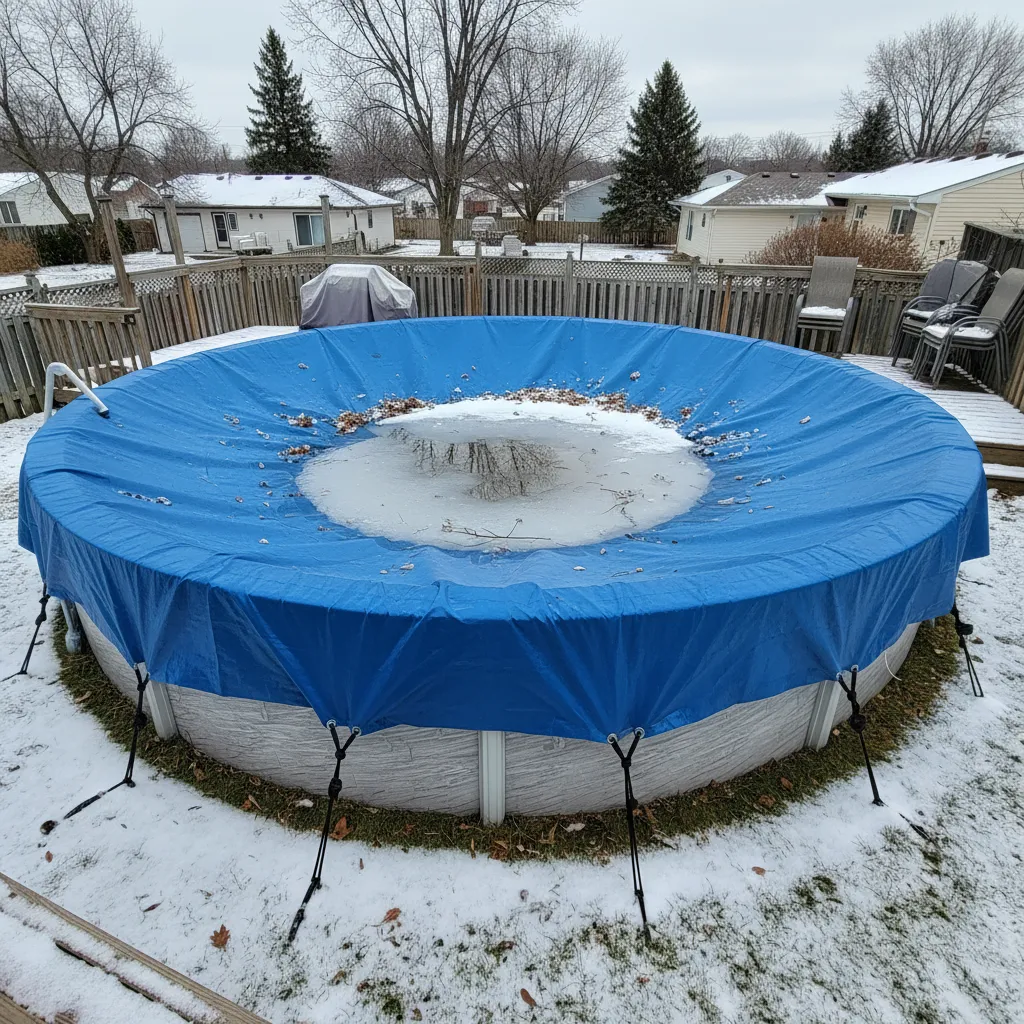
"Invest once to protect your liner and prevent a swamp in the spring."
Heavy-Duty Winter Pool Cover
Winter demand is high - check stock
Chemical Formula and Basic Properties
The calcium hypochlorite chemical formula is Ca(ClO)₂, representing a combination of calcium, chlorine, and oxygen. This granular or tablet-form compound contains 65-70% available chlorine, giving it higher concentration than liquid sodium hypochlorite (12.5% chlorine). It dissolves at 21g per 100ml of water at 25°C, releasing hypochlorous acid (HOCl) – the active sanitizing agent. Calcium hypochlorite has a pH of 10-12 in solution, requiring adjustments to maintain pool water within the ideal 7.2-7.6 range.
Calcium Hypochlorite in Pool Care: Key Functions
In pools, calcium hypochlorite performs three primary roles: sanitization, oxidation, and algae suppression. Its high chlorine output destroys bacteria, viruses, and organic contaminants within minutes. When used for shock treatments at 1 lb per 10,000 gallons, it breaks down chloramines – compounds causing eye irritation and chlorine odor. The chemical’s residual effect helps prevent algae blooms for up to 72 hours, reducing the need for algaecides. Unlike some alternatives, it also contributes 1.3 ppm calcium hardness per ppm chlorine added, helping maintain structural integrity of pool surfaces.
While effective, calcium hypochlorite requires careful handling. Its strong oxidative power makes it reactive with acids, ammonia, and organic materials – a factor influencing storage and application protocols. Let’s examine how these properties translate to measurable benefits for pool owners.
Benefits Of Using Calcium Hypochlorite in Pools
Maintaining pool hygiene requires powerful sanitizers with reliable performance. Calcium hypochlorite (chemical formula Ca(ClO)₂) stands out for its unique combination of strength, longevity, and versatility. Let’s explore why it’s favored by pool professionals. When considering the best options for pool care, Clorox pool chemicals come to mind. A review of Clorox pool chemicals can provide insights into their effectiveness and quality for keeping pools clean.
High Chlorine Output for Effective Sanitization
Calcium hypochlorite delivers 65-70% available chlorine, outperforming many alternatives. This high concentration rapidly eliminates bacteria, viruses, and organic contaminants. When dissolved in water, it releases hypochlorous acid (HOCl), the active sanitizer that oxidizes pathogens within minutes. Its potency makes it ideal for weekly shocking, restoring clarity even in heavily used pools.
Stability and Storage Advantages
Unlike liquid chlorine (sodium hypochlorite), which degrades within months, calcium hypochlorite retains 90% potency for up to 15 months when stored in cool, dry conditions. Granular forms resist moisture absorption better than tablets, reducing clumping. For maximum shelf life, keep it in sealed HDPE containers—these prevent UV degradation and chemical reactions with ambient humidity.
Role in Algae Prevention and Water Clarity
Consistent use of calcium hypochlorite inhibits algae spores from colonizing pool surfaces. Its oxidative power breaks down organic debris like leaves or sunscreen residue, preventing cloudy water. Pools treated with this compound often require fewer clarifiers or algaecides, cutting chemical costs by 20-30% seasonally. Additionally, a well-maintained pool can enhance the overall appeal of a property. In Florida, having a pool is a highly sought-after feature that can significantly increase home value.
Calcium Hypochlorite Vs. Other Pool Sanitizers
Choosing the right sanitizer depends on factors like pH impact, maintenance effort, and long-term costs. Here’s how calcium hypochlorite measures up against popular alternatives.
Comparison With Sodium Hypochlorite (Liquid Chlorine)
Sodium hypochlorite (liquid chlorine) has 10-12% available chlorine, requiring larger volumes for the same sanitizing effect. It also raises pH levels less drastically—ideal for pools prone to scaling. But its bulkier storage needs and shorter shelf life make calcium hypochlorite more practical for seasonal use or smaller pool setups. For pool owners considering additional features, a tanning ledge can enhance the overall experience. A tanning ledge pool offers a shallow area for relaxation and sunbathing while enjoying the water.
Calcium Hypochlorite Vs. Trichlor Tablets
Trichlor tablets dissolve slowly, providing steady chlorine release. But they contain cyanuric acid (CYA), which accumulates over time, reducing chlorine efficiency. Calcium hypochlorite introduces no CYA, though it increases calcium hardness by 5-8 ppm per pound applied. For pools with hard water sources, this demands regular monitoring to avoid scaling. After using soda ash to adjust pH levels, it’s essential to wait before swimming. This allows the chemical to distribute evenly and ensures safe water conditions for swimmers.
Cost-effectiveness Relative to Saltwater Systems
Saltwater systems generate chlorine via electrolysis but require $1,500-$2,500 upfront for equipment. Calcium hypochlorite avoids this investment, costing $3-$5 per pound versus $0.50-$1 daily for salt cell electricity. Over five years, salt systems may save 15-20%, but calcium hypochlorite offers lower entry costs with predictable maintenance.
With proper application techniques, calcium hypochlorite becomes a cornerstone of balanced pool chemistry. Let’s examine best practices for dosing, pH management, and seasonal adjustments.
Also See: Does Borax Lower Alkalinity in a Pool or Raise Ph?
How to Use Calcium Hypochlorite in Your Pool
Calcium hypochlorite for pools requires precise application to balance effectiveness with water chemistry. Following proper methods ensures sanitization without disrupting pH or calcium levels. Maintaining clear and clean water also involves effective filtration. A backwash pool cartridge filter helps in removing impurities, keeping the water safe and inviting.
Step-by-step Application Guide
Begin by testing your pool’s current chlorine levels using test strips or a digital kit. Maintain free chlorine between 1-3 ppm for safe swimming conditions.
Pre-Dissolving and Dosage Calculation
Calcium hypochlorite (chemical formula Ca(ClO)₂) dissolves slower than liquid chlorine. Pre-mix granules in a plastic bucket with warm water (1 lb per 5 gallons) before pouring into the deep end. For routine treatment, use 6 ounces per 10,000 gallons to raise chlorine by 1 ppm. Keeping your pool clean and safe is important for everyone. Maintaining the right chemicals can also help deter ducks from visiting your pool.
Ideal pH Levels and Adjustments
The calcium hypochlorite pH level rises temporarily during application. Target 7.4-7.6 for optimal sanitization. If pH exceeds 7.8, add muriatic acid (1 quart per 15,000 gallons lowers pH by 0.1). For pH below 7.2, use sodium carbonate.
When to Shock Your Pool With Calcium Hypochlorite
Shock treatments (10-12 ppm chlorine) combat algae outbreaks, post-storm contamination, or heavy swimmer loads. Use 1.5 lbs per 10,000 gallons at dusk for maximum potency. Circulate water for 6-8 hours before swimming. Similar care is needed when maintaining other water bodies. The Pool Bethesda stirred has its own set of traditions and rituals that reflect its significance in history.
Solubility Considerations for Even Distribution
Calcium hypochlorite solubility peaks at 21g per 100ml water at 77°F. Cold water slows dissolution, leading to undissolved granules. Brush pool floors post-application to prevent surface staining.

Safety Precautions and Health Hazards
Calcium hypochlorite safety protocols minimize risks during handling. The compound’s oxidizing nature demands careful storage and usage.
Handling Guidelines to Avoid Skin Contact
Wear nitrile gloves and splash goggles when measuring granules. Calcium hypochlorite skin contact causes irritation or burns. Rinse affected areas with cool water for 15 minutes if exposed.
Risks Of Inhalation or Ingestion
Inhaling dust particles triggers coughing or shortness of breath. Calcium hypochlorite if swallowed can damage internal tissues—store containers out of children’s reach. Seek medical help for accidental ingestion.
Proper Storage in HDPE Containers
Keep calcium hypochlorite in high-density polyethylene (HDPE) containers with tight lids. Avoid metal bins or damp areas, as moisture triggers decomposition. Store below 95°F to preserve shelf life.
| Storage Factor | Requirement |
|---|---|
| Temperature | Below 95°F |
| Humidity | Less than 50% |
| Container Type | HDPE with UV protection |
Chemical Reactions and Pool Water Balance
Calcium hypochlorite treatment impacts multiple water parameters. Monitoring prevents long-term imbalances.
Interaction With Water and Organic Compounds
Ca(ClO)₂ reacts with water to release chlorine gas (Cl₂) and hypochlorous acid (HOCl), which oxidizes bacteria and organic debris. This process raises calcium hardness by 3 ppm per pound added.
Impact on Total Dissolved Solids (TDS)
Each pound of calcium hypochlorite increases TDS by 1.2 ppm. TDS exceeding 1,500 ppm causes cloudy water, requiring partial drainage. Test monthly with a TDS meter.
Managing Calcium Hardness Over Time
Regular use elevates calcium levels, risking scale formation on tiles or equipment. Maintain 200-400 ppm hardness. If levels surpass 400 ppm, use a sequestering agent like HEDP or replace 20% of pool water. Keeping an eye on pool maintenance also involves checking for air leaks in pool valves. Air leaks can impact water circulation and lead to more significant issues if left unattended.
With these protocols in place, let’s explore common questions pool owners raise about calcium hypochlorite.
FAQs About Calcium Hypochlorite
Can Calcium Hypochlorite Be Used in Saltwater Pools?
Yes, calcium hypochlorite can supplement saltwater systems during high-demand periods or chlorine generator malfunctions. However, monitor calcium hardness closely, as saltwater pools already tend to have elevated mineral levels. Avoid exceeding 500 ppm hardness to prevent scaling.
How Often Should I Test Calcium Hardness When Using Calcium Hypochlorite?
Test calcium hardness monthly if using calcium hypochlorite weekly. Each pound added per 10,000 gallons raises hardness by ~5 ppm. Use a digital tester for accuracy and adjust water replacement cycles if levels approach 400 ppm. It’s also important to check your pool pump motor regularly. A well-functioning pump motor is essential for maintaining proper water quality and circulation.
Is Calcium Hypochlorite Safe for Vinyl Liner Pools?
Yes, but pre-dissolve granules completely to prevent settling. Undissolved particles can bleach liners—brush the pool floor vigorously after application. Maintain pH 7.2-7.6 to minimize liner degradation from alkaline conditions.
What Neutralizes an Overdose Of Calcium Hypochlorite?
Sodium thiosulfate or pool-grade hydrogen peroxide neutralizes excess chlorine. Add 1 quart of 27% H₂O₂ per 10,000 gallons to reduce chlorine by 10 ppm. Retest after 4 hours and avoid swimming until levels drop below 5 ppm. Maintaining proper chemical levels is important for pool safety. Hiring a pool guy can help ensure your pool stays balanced, but the cost can vary based on services provided.
How Soon Can You Swim After Adding Calcium Hypochlorite?
Wait until free chlorine drops below 5 ppm, typically 4-8 hours post-application. For shock treatments (10-12 ppm), allow 24 hours and verify levels with a FAS-DPD test kit before re-entry.
Can Calcium Hypochlorite Be Combined With Algaecides or Clarifiers?
Apply algaecides 24 hours before or after shocking. Calcium hypochlorite’s high pH reduces the efficacy of quaternary ammonium algaecides. Clarifiers like polyacrylamide can be used simultaneously but ensure proper circulation. Keeping a clean pool is key to safety. Neglecting maintenance can lead to rust, which makes the pool dangerous.
Does Calcium Hypochlorite Lose Potency After Opening the Container?
Opened containers retain full potency for 6-8 months if resealed tightly and stored below 95°F. Discard if granules clump severely or emit a strong chlorine odor without water contact—signs of accelerated decomposition.
Closing Thoughts
Calcium hypochlorite remains a powerhouse for pool sanitization, offering high chlorine output, stability, and cost-efficiency. Its granular form provides precise control, while its long shelf life makes it ideal for seasonal pool maintenance.
Proper handling—pre-dissolving before application, maintaining pH balance, and using protective gear—ensures safety and effectiveness. Monitoring calcium hardness levels prevents scaling, keeping your pool water balanced.
For precise dosage calculations tailored to your pool’s volume and chemistry, try My Pool Calculator. Our tools simplify chemical adjustments, helping you maintain crystal-clear water with confidence.
Whether shocking your pool or tackling algae, calcium hypochlorite delivers reliable results. Pair it with regular testing, and your pool will stay inviting all season.
Additional Resources for You:
- PoolPro Magazine (Industry News & Technical Articles)
- Amazon.com : Pool Shock by Aqua Org Plus – 65% Granular Cal Hypo – Swimming Pool Shock for In-Ground, Above Ground, Spas & Hot Tubs – 50 Pound Pail : Patio, Lawn & Garden
- fact sheet
- Calcium Hypochlorite/Sodium Hypochlorite | Medical Management Guidelines | Toxic Substance Portal | ATSDR
- CALCIUM HYPOCHLORITE | CAMEO Chemicals | NOAA
A pool care geek who’s been testing water chemistry since she was tall enough to reach the skimmer.
Chlorine, Pool Chemistry, Sanitizers