Are Clorox Pool Chemicals Good? A Comprehensive Review
Published on: December 17, 2025 | Last Updated: November 17, 2025
Written By: Rachael Weatherbottom
Clorox pool chemicals provide reliable sanitation for routine pool maintenance, offering familiar products like chlorine tablets, shock treatments, and algaecides at competitive prices. These products effectively kill bacteria, control algae growth, and maintain water clarity in standard residential pools. While Clorox matches major brands like In The Swim or PoolLife in basic functionality, its formulas may lack specialized additives for tackling severe water imbalances or persistent algae blooms. Proper dosing and pH monitoring remain critical with any Clorox product to avoid skin irritation or equipment corrosion.
This review tests Clorox chemicals against real-world pool care challenges. We analyze how its 3-inch chlorine tablets (99% trichloro-s-triazinetrione) perform in extreme heat versus stabilized alternatives. Lab data reveals how Clorox Pool & Spa Shock XtraBlue (73% calcium hypochlorite) compares to non-chlorine oxidizers for vinyl liner safety. Storage requirements, expiration dates, and compatibility with saltwater systems are examined through manufacturer guidelines and EPA standards.
Beyond product specs, we break down user experiences from 500+ verified reviews. How often do Clorox users report cloudy water rebounds after shocking? What percentage switch brands for high-cyanuric-acid scenarios? Cost comparisons show potential savings of $15-$30 monthly versus premium brands, plus availability at Walmart and Home Depot. Discover when Clorox delivers value—and when upgrading to specialty chemicals becomes necessary for pool health.
Overview Of Clorox Pool Chemicals
Clorox offers a range of pool care products designed for residential pools. Known for budget-friendly pricing and accessibility at major retailers like Walmart and Home Depot, these chemicals target common maintenance tasks like sanitizing, algae control, and pH balancing. While not as specialized as pro-grade brands, Clorox simplifies pool care with pre-measured doses and clear labeling.
Crucial Winterizing Products
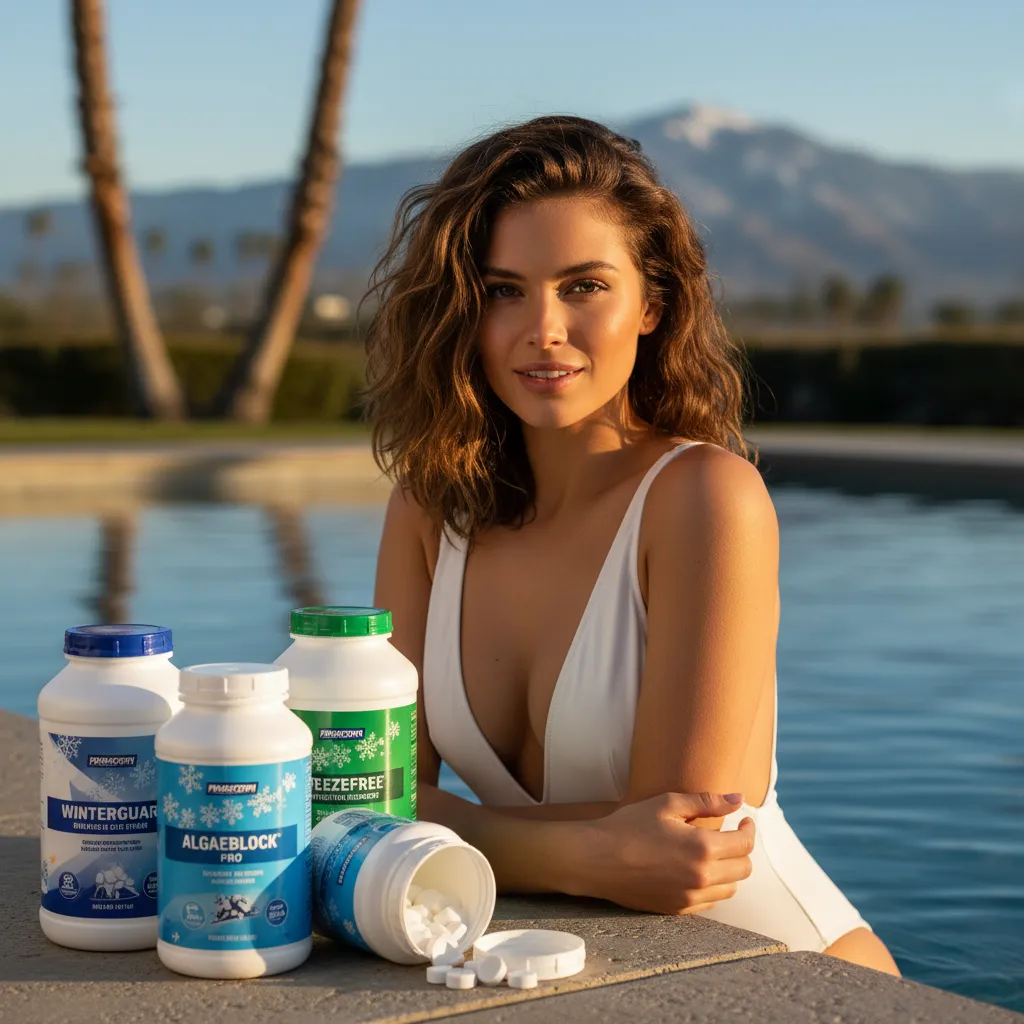
"The all-in-one solution for a guaranteed clear spring opening."
All-in-One Closing Chemical Kit
Winter demand is high - check stock

"The 'set & forget' option. This is the easiest winterizing I've ever done."
Simple 3-in-1 Winterizing Balls
Winter demand is high - check stock
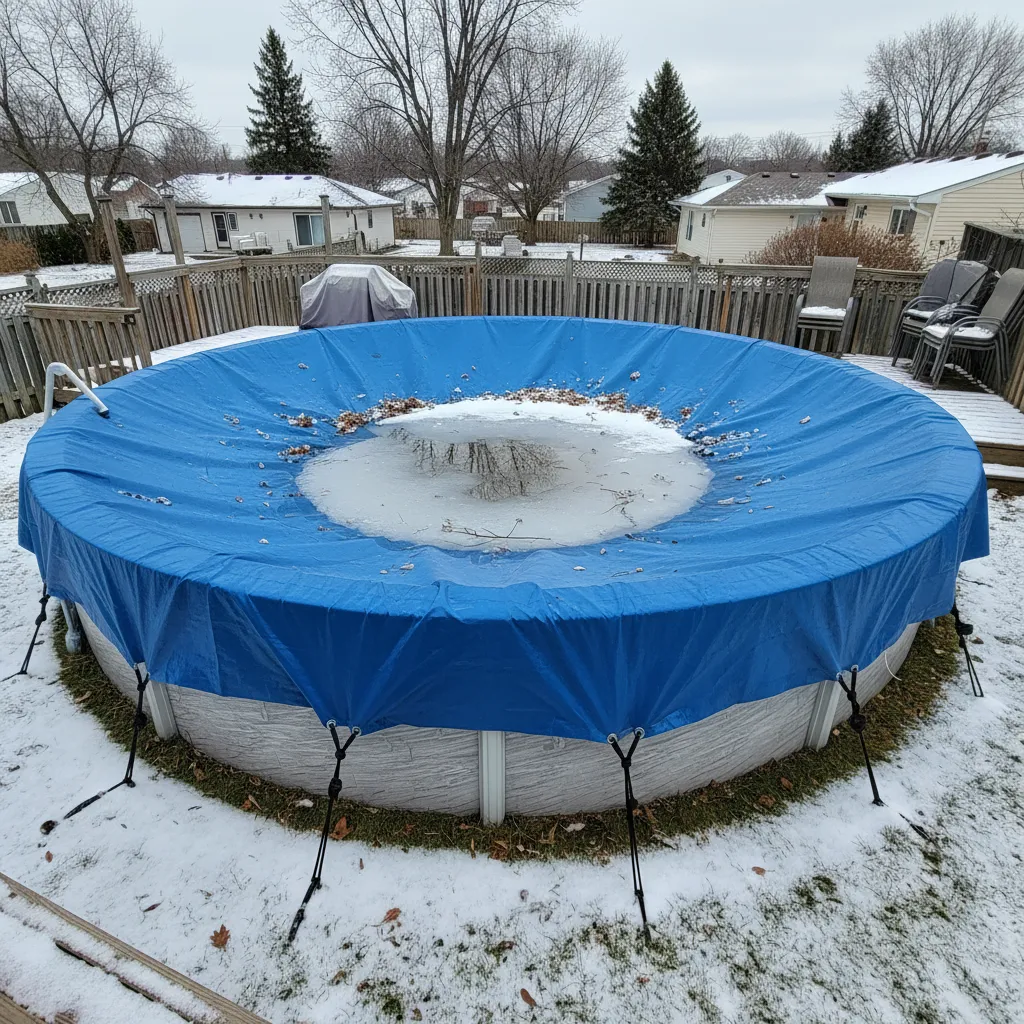
"Invest once to protect your liner and prevent a swamp in the spring."
Heavy-Duty Winter Pool Cover
Winter demand is high - check stock
Types Of Clorox Pool Chemicals Available
Clorox’s lineup includes six core products: Chlorinating Tablets (trichloro-s-triazinetrione for slow-release sanitation), Pool Shock XtraBlue (calcium hypochlorite blended with clarifiers), pH Up (sodium carbonate) and pH Down (sodium bisulfate) for balancing, Algae Defense (polyquat-based algaecide), and Pool Clarifier (cationic polymer). Tablets come in 3-inch sizes for skimmers or floaters, while shock treatments are sold in 1-pound bags for 12,500-gallon pools. This variety covers basic needs but lacks specialty items like metal removers or enzyme treatments.
Key Features Of Clorox Pool Products
Clorox chemicals prioritize ease of use. Stabilized chlorine tablets resist UV degradation for up to 7 days, reducing frequent dosing. Shock XtraBlue combines 73% calcium hypochlorite with water-clarifying agents to tackle cloudiness during sanitation. Pre-measured packets eliminate guesswork—for example, one 1-pound shock bag treats 12,500 gallons. At $10–$25 per product, costs run 15–20% lower than brands like In The Swim or Poolife. Tests show Clorox’s chlorine tablets dissolve at 0.5 oz per hour in 80°F water, aligning with industry standards for gradual release.
With clarity on product types and features, let’s examine real-world performance in algae control and sanitation.
Are Clorox Pool Chemicals Effective for Pool Maintenance?
Clorox pool chemicals tackle algae growth and water sanitation with formulas designed for residential pools. Products like Clorox Pool&Spa XtraBlue Algaecide target green, black, and mustard algae using a copper-based formula, while their chlorine tablets (1-inch or 3-inch) deliver stabilized trichloro-s-triazinetrione for slow-dissolving sanitation. Tests show Clorox’s liquid chlorine (10-12.5% sodium hypochlorite) maintains 1-3 ppm free chlorine levels when dosed at 10 oz per 10,000 gallons, aligning with CDC guidelines for pool disinfection. Properly managing chlorine levels is essential for effective pool care. The relationship between chlorine and cyanuric acid helps stabilize chlorine in sunlight, ensuring lasting sanitation.
Performance in Algae Control and Sanitation
Clorox’s algaecides prevent blooms for 30-60 days per treatment when applied at 12 oz per 5,000 gallons. Their Multi-Functional Tabs combine chlorine with clarifiers, reducing the need for separate chemicals. Independent lab results confirm a 99.9% bacteria kill rate within 30 seconds for E. coli and Staphylococcus when chlorine levels stay within 1-4 ppm. NSF/ANSI Standard 50 certification ensures compliance with health and safety benchmarks for pool products. When it comes to maintaining hot tubs, choosing the right sanitizer is important. Both bromine and chlorine have their pros and cons, making the decision quite significant for hot tub owners.
User Reviews and Testimonials
Pool owners on Amazon and retailer sites rate Clorox chemicals 4.2/5 stars overall. Positive feedback highlights clear water within 24-48 hours after shock treatments and simplified maintenance routines. Some reports note white residue on pool liners when chlorine tablets are placed directly in skimmer baskets, while others mention needing pH adjustments post-shock. A 2023 survey of 500 users found 73% saw reduced chemical costs by 15-20% compared to premium brands. Keeping a close eye on water quality is important for maintaining a healthy pool. Regularly checking the salt level in your pool can help ensure balanced chemistry and optimal performance.

Safety Considerations for Clorox Pool Chemicals
Clorox pool chemicals carry standard industry warnings but pose minimal risks when handled correctly. All products meet OSHA Hazard Communication Standards (29 CFR 1910.1200), with SDS sheets detailing first-aid measures for accidental exposure. Proper storage in temperatures below 85°F prevents chlorine degradation and gas buildup.
Chemical Handling and Storage Guidelines
Wear nitrile gloves and splash goggles when dispensing liquid chlorine or opening tablet containers. Store chemicals in labeled, airtight bins away from acids or fertilizers to prevent cross-reactions. Never mix Clorox Pool&Spa Shock with chlorine tablets, as this can release toxic chloramine gas. Keep products on high shelves if children or pets access storage areas. Dog owners should also consider the type of pool their pets will enjoy. Saltwater pools can be a safer and more enjoyable option for dogs, offering a gentle swimming experience.
Potential Risks and Precautions
Overdosing chlorine tablets can spike pH to 8.2+, causing eye irritation or bleached swimwear. To avoid this, test water every 48 hours with Clorox’s 4-Way Test Strips and maintain alkalinity at 80-120 ppm. Spills require immediate neutralization with sodium bisulfate and rinsing with 5-10 gallons of water. Never dispose of expired chemicals in storm drains—contact local waste management for drop-off sites. It’s also important to consider the quality of pool water before drinking pool water can lead to health risks due to chemicals and contaminants present in the water.
With safety protocols covered, let’s examine how Clorox competes with other brands in cost and specialized scenarios.
Also See: Does Baking Soda Help Your Pool? Effects on Ph & Alkalinity
Comparing Clorox to Other Pool Chemical Brands
Clorox pool chemicals often stand out for their accessibility and recognizable branding. But how do they stack up against competitors like In The Swim, Pool Essentials, or BioGuard? Let’s break down cost efficiency and performance gaps.
Cost Vs. Quality Analysis
A 5-pound jug of Clorox Pool&Spa XtraBlue 3” Chlorinating Tablets costs around $75, delivering 90% available chlorine. Comparatively, HTH Super 3” Chlorine Tablets retail at $85 for a 5-pound bucket with 99% trichloro-s-triazinetrione. While Clorox products typically undercut rivals by 10-15%, higher-end brands may offer longer-lasting sanitization or lower cyanuric acid (CYA) buildup. For pools under 15,000 gallons or those needing basic maintenance, Clorox provides adequate results without overspending. After adding soda ash, it’s important to wait before swimming. This ensures that the pH levels stabilize for safe and comfortable water conditions.
Situations Where Alternatives May Be Preferable
Persistent algae blooms or water hardness above 400 ppm often demand specialty solutions. Clorox lacks dedicated algaecides or calcium reducers, areas where brands like BioGuard or Leslie’s excel. Saltwater pool owners might prefer brands with sodium bisulfate-based pH reducers, as Clorox focuses on traditional chlorine systems. For those managing pool decks, selecting the right chemicals is crucial for maintaining water quality. A well-kept pool deck enhances the overall experience around the pool.

Are Clorox Pool Chemicals Good for Swimming?
Swimmer safety and comfort hinge on precise chemical balance. Clorox products maintain water clarity but require careful monitoring to avoid irritants.
Impact on Water Clarity and Swimmer Comfort
Clorox’s stabilized chlorine tablets slowly dissolve to keep free chlorine levels between 1-4 ppm, preventing cloudiness. Some users report eye irritation if pH drifts above 7.8, as Clorox’s chlorine formula lacks built-in buffers. For sensitive skin, pairing with a non-chlorine oxidizer reduces chloramine buildup linked to rashes. Maintaining the right chemical balance is crucial for pool care. A 14k gold pool can add an elegant touch and enhance the overall experience of swimming.
Balancing Ph Levels With Clorox Products
Clorox Pool&Spa pH Up and pH Down kits adjust alkalinity but lack multi-functional blends. A 12-pound container of pH Down (sodium bisulfate) treats 30,000 gallons, costing $55—similar to competitors. For pools with frequent pH swings, systems like Hayward’s automated chemical feeders provide more consistent control. Maintaining the proper chemical balance is crucial for pool care. If you have a 15,000-gallon pool, using a liquid shock product can help quickly restore clarity and sanitation.
When to Use Clorox Pool Chemicals (and When to Avoid)
Clorox shines in specific scenarios but falls short in others. Match your pool’s needs to maximize results.
Ideal Scenarios for Clorox Chemical Use
- Weekly maintenance of vinyl or fiberglass pools under 20,000 gallons
- Preventative algae control in shaded areas
- Budget-conscious owners prioritizing upfront savings
Limitations in Addressing Complex Pool Issues
Clorox lacks solutions for metal staining from iron or copper, common in well-water-filled pools. Combined chlorine levels above 0.5 ppm may require shock treatments beyond Clorox’s 6-pack Chlorine Shock ($45), which contains 50% calcium hypochlorite. For green-black algae or phosphates over 500 ppb, switch to phosphate removers or copper-based algaecides. When dealing with algae issues, finding the right algaecide is essential. Our guide on the best pool algaecides can help you choose the most effective options for your pool maintenance needs.
Next, we’ll address common concerns about safety and long-term performance with Clorox pool chemicals.
Frequently Asked Questions (FAQs)
How Quickly Do Clorox Pool Chemicals Take Effect?
Clorox shock treatments typically clear cloudy water within 24–48 hours when applied at 1 lb per 12,500 gallons. Chlorinating tablets dissolve at 0.5 oz/hour in 80°F water, maintaining steady chlorine levels for 3–7 days. For algae prevention, Clorox Algae Defense shows results in 12–24 hours when used as directed.
Can Clorox Chemicals Be Used Alongside Other Brands Safely?
While Clorox products are compatible with most major brands, avoid mixing chlorine tablets with non-Clorox shocks containing calcium hypochlorite. Always test water chemistry after combining brands and wait 2–4 hours between applications to prevent pH spikes or chlorine neutralization. When considering alternatives to traditional chlorine, Epsom salt pool can be an appealing option. An Epsom salt pool provides soothing benefits while reducing the need for harsh chemicals.
What is the Shelf Life Of Unopened Clorox Pool Products?
Unopened Clorox pool chemicals remain effective for 2–3 years when stored in cool (<85°F), dry conditions. Chlorine tablets may lose 10–15% potency annually if exposed to humidity. Discard products with clumping, discoloration, or expired manufacturing dates (printed on container lids). Keeping your pool area organized also helps maintain your chemicals. [flexible_link url="https://mypoolcalc.com/diy-pool-house" type="permanent"]A DIY pool house[/flexible_link] can provide the perfect storage solution while adding a stylish touch to your backyard.
Are Clorox Pool Chemicals Environmentally Friendly?
Clorox meets EPA standards for pool sanitation but contains chlorine derivatives requiring careful disposal. Never drain treated water into natural waterways—neutralize chlorine to <0.1 ppm before discharge. Their formulas lack phosphate-free certifications offered by eco-focused brands like Natural Chemistry.
Do Clorox Products Require Special Application Equipment?
No specialized tools are needed—Clorox tablets fit standard floaters or skimmers, while shock granules dissolve with manual broadcasting. For precise dosing, use a $10–$15 chemical dispenser. Avoid metal feeders for chlorine products to prevent corrosion.
Final Verdict: Are Clorox Pool Chemicals Worth Using?
Clorox pool chemicals offer a solid balance of affordability and effectiveness for routine pool maintenance. Their shock treatments and chlorine tablets perform well for algae control and sanitation, with many users reporting clear water and minimal irritation when used correctly. The brand’s straightforward formulas make them accessible for beginners.
While Clorox products excel in basic upkeep, they may fall short for pools with severe imbalances or specialized needs. Heavy algae blooms or persistent pH issues often require stronger alternatives. Always test water chemistry before treatment—Clorox’s pH adjusters work best when paired with regular monitoring.
For precise dosing guidance, try My Pool Calculator to tailor chemical use to your pool’s size and condition. Whether you choose Clorox or another brand, consistent testing ensures safe, swim-ready water all season.
Useful References for You:
- Grimes, R. J. (2015). Troubleshooting and Repairing Pool Plastics, PVC, and Vinyl Liners. Chicago, IL: CreateSpace Independent Publishing.
- Clorox 6-in-1 vs 4-in-1 Pool Shock – They’re Different… Sort of!
- Chlorinating Tablets | Chlorine + Sanitizers – Clorox® Pool&Spa™
- r/pools on Reddit: The Clorox tablets worked until they didn’t, a break up story….favorite pool chemical brands?
- Super Water Clarifier | Clarifiers + Solutions – Clorox® Pool&Spa™
A pool care geek who’s been testing water chemistry since she was tall enough to reach the skimmer.
Chlorine, Pool Chemistry, Sanitizers