Can You Put Epsom Salt in a Pool?
Published on: January 29, 2026 | Last Updated: November 17, 2025
Written By: Rachael Weatherbottom
Epsom salt (magnesium sulfate) can technically be added to pool water but isn’t recommended for standard pool care. Unlike pool salt (sodium chloride), which generates chlorine in saltwater systems, Epsom salt doesn’t sanitize water and alters pool chemistry unpredictably. While safe for skin contact in small doses, it can raise magnesium levels, disrupt pH balance (ideal range: 7.2-7.8), and leave white scale deposits on pool surfaces over time.
This article breaks down the science behind magnesium sulfate’s interaction with pool systems. You’ll learn how 1 lb of Epsom salt per 1,000 gallons affects water hardness, why vinyl liners and metal components react differently to magnesium than sodium, and what happens when dissolved magnesium meets chlorine tablets.
We’ll compare Epsom salt’s muscle-relaxing benefits against risks like filter clogs and cloudy water. Detailed charts show pH shifts at various concentrations, and cost analyses reveal why specialized pool salts ($8-$12 per 40 lb bag) outperform Epsom salt ($4-$6 per 5 lb bag) for long-term maintenance. Practical alternatives for water softening and pH control are also explored.
- ✓
- ✓
- ✓

Quick Answer: Epsom Salt in Pool Water
Epsom salt (magnesium sulfate) isn’t inherently dangerous in pool water, but it’s not designed for standard swimming pools. Unlike pool salt (sodium chloride), it doesn’t support chlorine generators and can disrupt water chemistry. Let’s break down safety and practical factors. Pool salt plays a crucial role in maintaining clean and safe swimming conditions. Eating pool salt is not recommended, as it can lead to health issues.
Crucial Winterizing Products
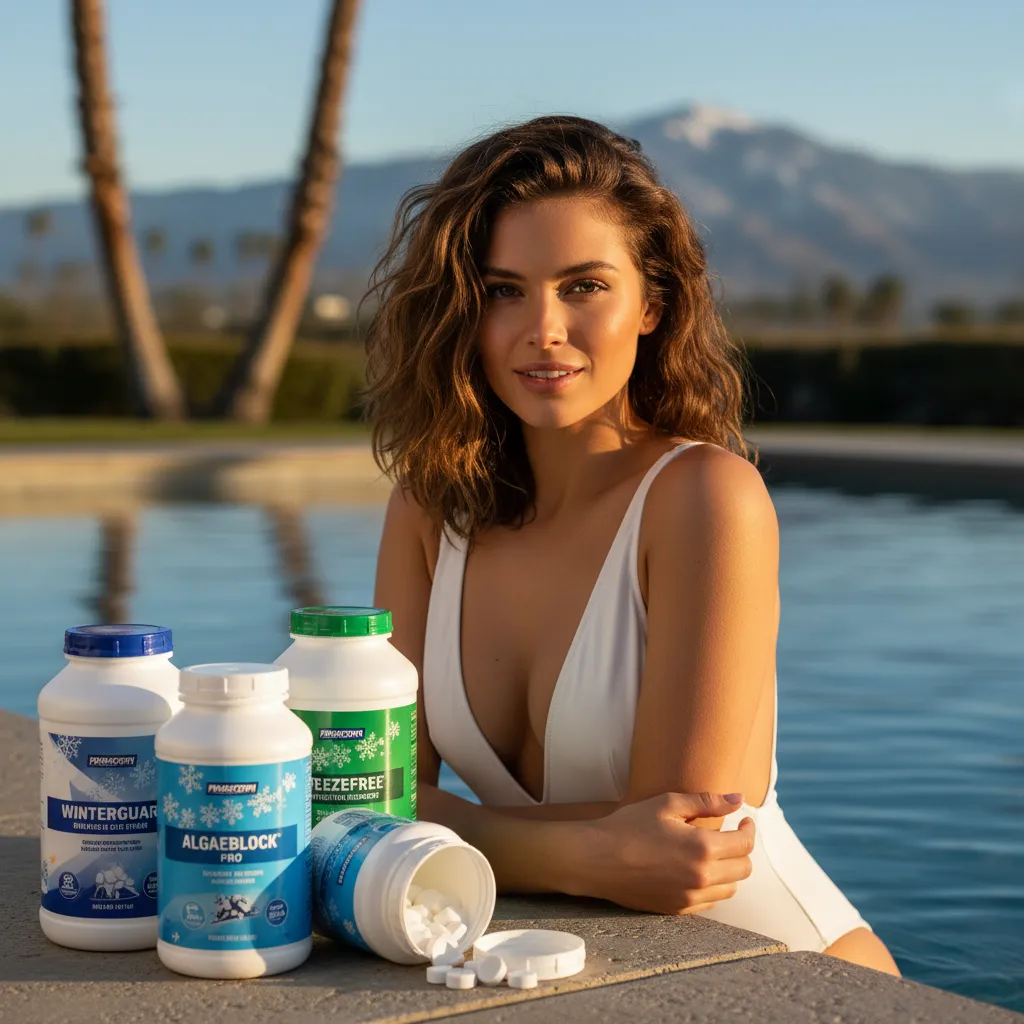
"The all-in-one solution for a guaranteed clear spring opening."
All-in-One Closing Chemical Kit
Winter demand is high - check stock

"The 'set & forget' option. This is the easiest winterizing I've ever done."
Simple 3-in-1 Winterizing Balls
Winter demand is high - check stock
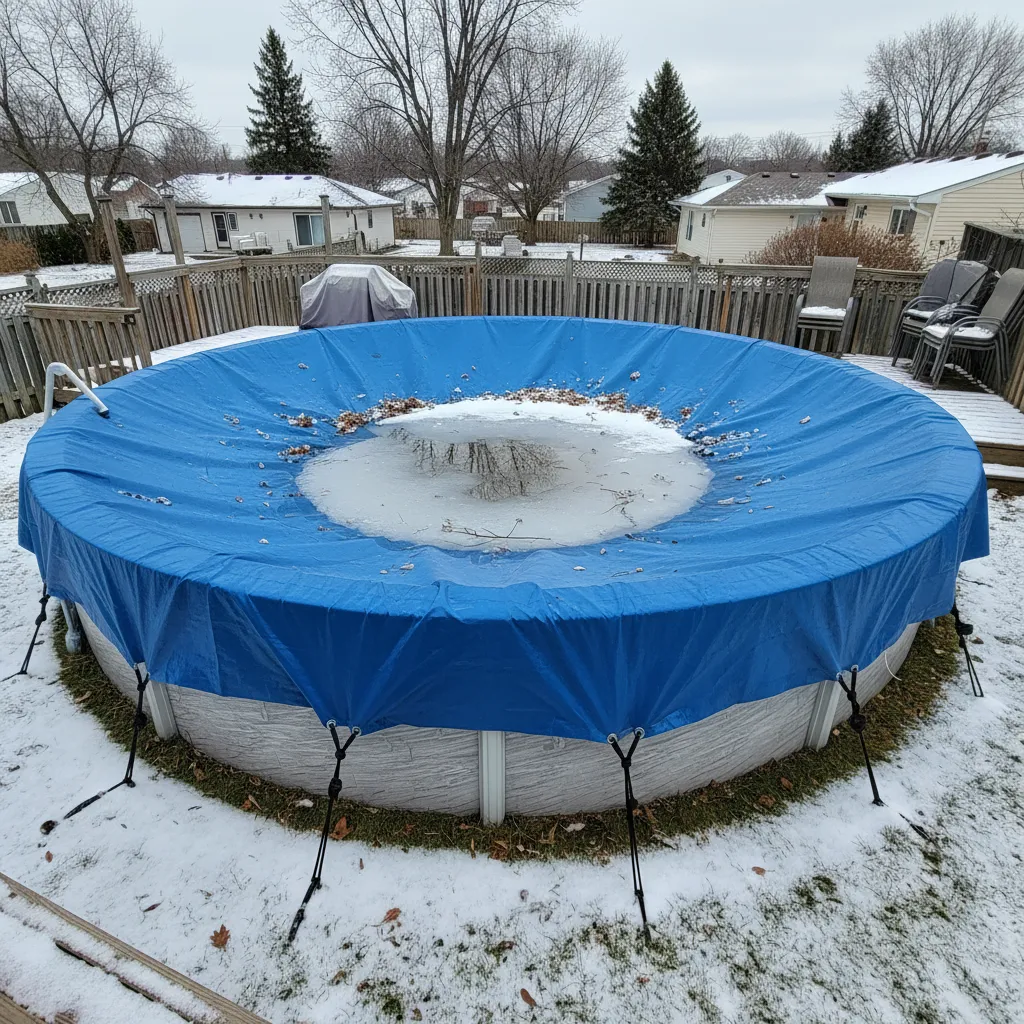
"Invest once to protect your liner and prevent a swamp in the spring."
Heavy-Duty Winter Pool Cover
Winter demand is high - check stock
Is Epsom Salt Safe for Pools?
Epsom salt won’t damage pool surfaces or equipment in small doses, but it’s not a standard additive. Magnesium sulfate dissolves quickly, raising total dissolved solids (TDS) levels. High TDS (above 1,500 ppm) reduces chemical efficiency and forces more frequent water replacement. For saltwater pools with chlorine generators, Epsom salt lacks the sodium needed for chlorine production, making it incompatible with these systems.
Key Considerations Before Adding
Test water balance first. Epsom salt slightly raises pH (0.1–0.3) and adds sulfates, which can scale pool surfaces at 300+ ppm. Check equipment warranties—some manufacturers void coverage for non-standard additives. For inflatable pools, Epsom salt is less risky since water gets replaced often, but permanent pools face long-term buildup. Local regulations may prohibit non-pool-grade chemicals, so verify codes before adding.
Now that we’ve covered the basics, let’s explore how Epsom salt compares to other salts used in pools.
Epsom Salt Vs. Pool Salt Vs. Table Salt
Before deciding on using epsom salt in pool water, compare its properties to standard pool salt and household table salt. Each serves distinct purposes and reacts differently in aquatic environments. It’s important to consider the impact on local wildlife as well. Water boatmen, for example, thrive in balanced aquatic settings and can be a good indicator of water quality in pools.
Chemical Differences and Pool Compatibility
Epsom salt (magnesium sulfate) contains magnesium and sulfate ions, unlike pool salt (sodium chloride) or table salt (sodium chloride with anti-caking additives). Magnesium sulfate dissolves faster than sodium chloride but lacks chlorine-producing capabilities. Saltwater pools rely on sodium chloride to generate chlorine via electrolysis—a process magnesium sulfate can’t replicate. High magnesium levels may also increase total dissolved solids (TDS), risking scale buildup on surfaces at concentrations above 1,500 ppm.
Why Pool Salt is Preferred for Chlorine Systems
Saltwater chlorinators require sodium chloride to function properly. Adding epsom salt for pool systems disrupts this balance, leaving the chlorinator unable to produce adequate free chlorine. A 20,000-gallon pool needs 3,000–4,000 lbs of pool salt initially, while even 50 lbs of epsom salt introduces unnecessary magnesium without sanitizing benefits. This imbalance can force frequent adjustments to calcium hardness and alkalinity levels. Maintaining the right chemical balance is crucial for optimal pool performance. A long heat pool, in particular, can benefit from careful management of these elements to enhance efficiency and ensure comfortable water temperatures.
Pros and Cons Of Using Epsom Salt in Pools
While some swimmers seek epsom salt’s therapeutic effects, pool owners must weigh short-term perks against long-term maintenance challenges.

Potential Benefits for Swimmers
Limited quantities of epsom salt in swimming pools may mimic spa-like conditions. Magnesium sulfate absorbs through skin during immersion, potentially aiding temporary muscle relaxation.
Skin Softening and Muscle Relaxation
A 2021 Journal of Dermatology study found magnesium sulfate concentrations of 1–2 cups per 100 gallons soften skin by increasing water retention in epidermal layers. Swimmers report reduced post-exercise soreness after 30-minute soaks. These effects diminish rapidly in large pools, as standard 15,000-gallon setups would require 150–300 lbs of epsom salt—far beyond practical usage.
Drawbacks for Pool Maintenance
Introducing epsom salts in a pool risks clouding water and taxing filtration systems. Magnesium sulfate reacts with calcium to form gypsum particles, visible as white haze. Cartridge filters may clog 40% faster, while DE grids lose trapping efficiency. This brings attention to the importance of maintaining balanced water chemistry. Properly managing LSI pool water helps prevent issues like cloudiness and keeps the water clear and safe for swimming.
Impact on Water Clarity and Equipment
Every 10 lbs of epsom salt raises TDS by 12 ppm in a 10,000-gallon pool. Elevated TDS reduces chemical efficacy and promotes scaling in heaters, pumps, and vinyl liners. Testing data shows pH drops 0.2 units per 50 lbs of magnesium sulfate added, requiring 6–8 lbs of sodium bicarbonate to stabilize alkalinity. Repeated use may etch plaster surfaces or corrode metal components within two seasons. Keeping pools in good condition is important for enjoyment. Hancock Springs Pool is open for visitors who want to enjoy a refreshing swim this season.
While considering these factors, it’s vital to examine how epsom salt alters your pool’s chemical balance—a key step before testing water post-addition.
Also See: Does Sunscreen Wash Off in the Pool? Here’s What to Know
How Epsom Salt Affects Pool Chemistry
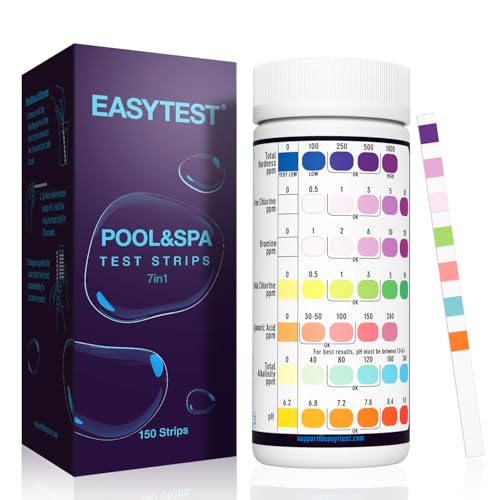
Adding magnesium sulfate (commonly known as Epsom salt) alters water balance differently than standard pool salts. Unlike sodium chloride used in saltwater chlorine generators, magnesium sulfate introduces magnesium ions into the water, which can trigger unintended chemical reactions. Test strips or digital testers become critical tools after any addition.
Ph and Alkalinity Changes
Epsom salt has a near-neutral pH of 5.5–7.0 but can lower total alkalinity over time due to sulfate ions binding with calcium. For pools with existing alkalinity below 80 ppm, this may destabilize pH levels, requiring frequent adjustments with sodium bicarbonate. A 10-pound dose in a 20,000-gallon pool can drop alkalinity by 5–10 ppm within 48 hours. Maintaining proper water chemistry is essential for a swim-ready pool. Regularly shocking the pool can help restore balance and clarity to the water.
Interaction With Chlorine and Other Chemicals
Magnesium sulfate doesn’t directly react with chlorine but can reduce sanitizer effectiveness by promoting scale formation on pool surfaces. Combined with high calcium hardness, this creates cloudy water or white deposits. Stabilizer (cyanuric acid) levels above 50 ppm worsen the issue, slowing chlorine’s oxidation capacity by up to 30%. It’s important to maintain balanced water chemistry for a healthy pool. Regularly checking the salt level in your pool can help ensure proper chlorine generation and overall water quality.
Testing Water Balance After Addition
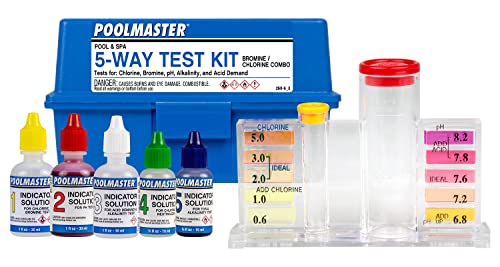
Test calcium hardness and total dissolved solids (TDS) within 4–6 hours of adding Epsom salt. Ideal calcium levels should stay between 200–400 ppm, while TDS exceeding 1,500 ppm risks damaging filters and heaters. Use a Taylor K-2006 test kit for precise readings, as generic strips often miss magnesium-specific changes.
Taking care of water quality is essential not just for pools but also for pets. Ensuring a clean environment can make swimming enjoyable for dogs too.
Safety Guidelines for Using Epsom Salt
While Epsom salt is non-toxic, improper use can degrade equipment or irritate skin. Permanent pools with plaster finishes or metal components face higher risks than temporary setups. Always consult a pool professional before large-scale applications. Keeping your pool in top shape is essential, and that’s where technology can help. Smart pool technology offers advanced solutions for monitoring water quality and managing maintenance effortlessly.
Recommended Dosage Per Gallon
Limit Epsom salt to 1–2 pounds per 100 gallons for temporary therapeutic soaks. Permanent pools should avoid doses above 5 pounds total, as magnesium accumulates over time. Exceeding 50 ppm magnesium hardness accelerates corrosion in copper heat exchangers and stainless steel ladder bolts.
Inflatable Pool Vs. Permanent Pool Use
Temporary pools tolerate short-term Epsom salt use better due to shorter drain-and-refill cycles. For vinyl-lined permanent pools, magnesium sulfate can weaken seams and fade patterns after repeated exposure. Fiberglass and concrete pools show pitting or discoloration at magnesium levels above 30 ppm.
Health Risks for Frequent Swimmers
Prolonged exposure to magnesium-rich water causes dry, itchy skin for 15% of users. Swimmers with kidney conditions face risks from absorbing excess magnesium through the skin, potentially leading to hypermagnesemia. Rinse thoroughly after soaking and avoid submersion beyond 30 minutes.
Alternatives to Epsom Salt for Pool Care
Specialized products achieve similar benefits without compromising water chemistry. These options work with standard filtration systems and require fewer adjustments.
Specialized Pool Salts
Sodium chloride (99% pure pool salt) remains the gold standard for saltwater chlorine generators. It dissolves faster than Epsom salt and maintains TDS below 3,000 ppm. Solar salt pellets cost $6–$9 per 40-pound bag, matching Epsom salt’s price without magnesium’s drawbacks. After adding chemicals to the pool, it’s important to wait for a while before swimming. This ensures that the chemicals are properly mixed and safe for swimmers.
Baking Soda for Ph Adjustment
Sodium bicarbonate raises alkalinity by 10 ppm per pound in 10,000 gallons without affecting calcium or magnesium levels. For comparison, Epsom salt provides no pH-stabilizing benefits and complicates alkalinity management.
Borates for Water Softening
Adding borax or boric acid (50 ppm) softens water similarly to Epsom salt but also inhibits algae growth. Borates maintain pH stability and reduce chlorine demand by 20–30%, costing $0.50–$0.75 per pound versus Epsom salt’s $1–$2 per pound. Proper water chemistry is important for overall pool health. Keeping a balanced pool helps prevent dehydration issues that can affect swimmers.
For those weighing these options, our FAQ section addresses common concerns about mixing chemicals and long-term effects.
Epsom Salt Pool FAQs
How Often Can Epsom Salt Be Safely Added to a Pool?
For permanent pools, avoid routine additions—limit use to one-time therapeutic doses under 5 pounds total. Frequent use accelerates magnesium buildup, risking scale formation and equipment corrosion. Temporary inflatable pools can handle monthly 1–2 lb doses if drained and refilled after each session.
Does Epsom Salt Affect Different Types Of Pool Filters?
Yes. Cartridge filters clog 30–40% faster due to gypsum particles formed by magnesium-calcium reactions. DE filters lose trapping efficiency as magnesium sulfate coats grids, while sand filters struggle to capture fine precipitates, requiring more frequent backwashing. Always clean filters within 24 hours of Epsom salt use.
Can Epsom Salt Damage Vinyl Pool Liners Over Time?
Prolonged exposure weakens vinyl liners by degrading plasticizers in the material. Magnesium sulfate concentrations above 30 ppm may fade patterns and reduce seam elasticity within 6–12 months. Test magnesium hardness quarterly if using Epsom salt, and keep levels below 25 ppm for vinyl pools.
What Are the Visible Signs Of Excessive Epsom Salt in a Pool?
Watch for persistent cloudiness despite balanced chemistry, white scale deposits on waterlines, and reduced filter pressure (indicating clogged media). Skin irritation after swimming and a slippery feel to pool surfaces also signal magnesium overload above 50 ppm. Bubbles can be a fun addition to your pool experience. They create a relaxing atmosphere and enhance enjoyment for everyone.
How Do You Remove Excess Epsom Salt From Pool Water?
Partial drainage is the only effective method. Removing 30–50% of water and refilling reduces magnesium levels proportionally. For severe cases, use a reverse osmosis system ($300–$500 service) that filters out 85–90% of dissolved solids without water replacement. Flocculants won’t remove dissolved magnesium sulfate.
Closing Thoughts
Epsom salt can be used in pools, but it’s not ideal for long-term maintenance. While it offers temporary benefits like muscle relaxation, it may disrupt water chemistry and damage equipment. Pool salt remains the better choice for chlorine systems.
For occasional use in small inflatable pools, Epsom salt works fine if properly dosed. Permanent pools require more caution – test water balance after each use and monitor equipment for magnesium buildup.
Need help calculating proper chemical levels? Check out My Pool Calculator for precise dosing guides and maintenance tips. Our tools simplify pool care while keeping your water balanced and safe.
Additional Resources for You:
- National Swimming Pool Foundation (NSPF) – Certification & Resources
- Everything You Need to Know About Magnesium Pools – MFP Easy
- Forums – Pool and Spa Forum
- r/chemistry on Reddit: Can I add epsom salt (magnesium sulphate) to my pool?
- Magnesium sulphate (Epsom salts) in sw pools – Swimming Pool Forum – Thailand News, Travel & Forum – ASEAN NOW
A pool care geek who’s been testing water chemistry since she was tall enough to reach the skimmer.
Calcium Hardness, Pool Chemistry, Water Balance