Is Pool Water Safe to Drink? The Truth About Boiling & Risks
Published on: January 6, 2026 | Last Updated: November 17, 2025
Written By: Marcus Thornfield
No, pool water is not safe to drink even if boiled. While boiling kills bacteria, it does not remove chlorine, bromine, or other chemicals added for pool maintenance. Pool water often contains contaminants like algae, urine, sunscreen residue, and parasites such as Cryptosporidium (a chlorine-resistant parasite). Drinking it can cause immediate nausea or diarrhea and long-term health risks like kidney stress or infections.
This article explains why pool water poses unique dangers compared to natural water sources. We’ll break down how chlorine interacts with organic matter to form harmful byproducts, why boiling fails as a purification method for treated pools, and what contaminants survive the process. You’ll also learn about parasites that resist both chlorine and heat.
We’ll explore practical scenarios, like using LifeStraw filters in emergencies, and reveal why rainwater is safer than pool water in survival situations. Detailed sections cover chemical toxicity thresholds, symptoms of cryptosporidiosis, and steps to take if you’ve swallowed pool water. Real-world data from the CDC and EPA guidelines are included to help you make informed decisions.
Is Swimming Pool Water Safe to Drink?
Pool water might appear clear and inviting, but its chemical composition and exposure to contaminants make it unsuitable for drinking. Even well-maintained pools contain substances that pose health risks when ingested.
Crucial Winterizing Products
"The all-in-one solution for a guaranteed clear spring opening."
All-in-One Closing Chemical Kit
Winter demand is high - check stock

"The 'set & forget' option. This is the easiest winterizing I've ever done."
Simple 3-in-1 Winterizing Balls
Winter demand is high - check stock
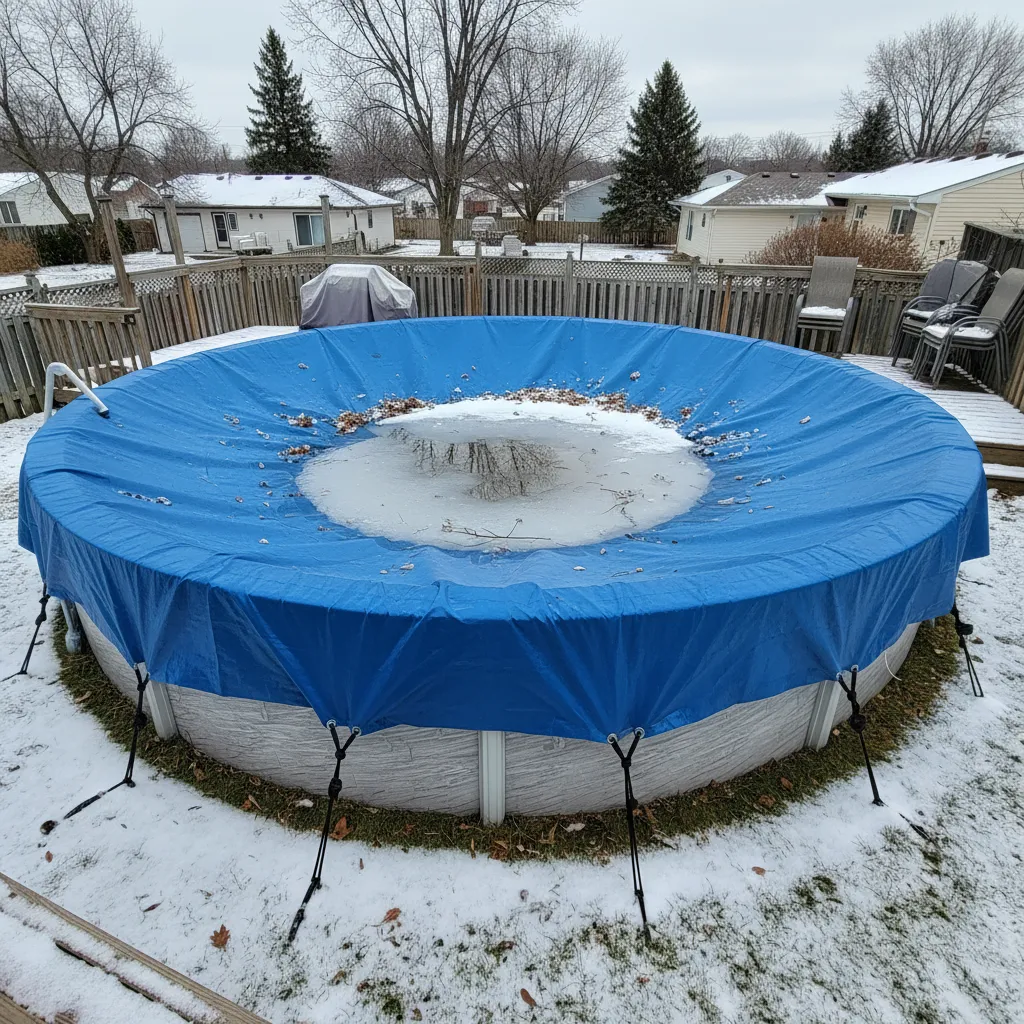
"Invest once to protect your liner and prevent a swamp in the spring."
Heavy-Duty Winter Pool Cover
Winter demand is high - check stock
Understanding Pool Water Contaminants
Pools harbor three primary categories of contaminants: chemicals added for sanitation, microorganisms from swimmers and the environment, and physical debris. These elements interact to create water that meets safety standards for swimming but fails basic drinking water criteria. Maintaining clear and safe water requires proper attention to pool chemicals. Above ground pool chemicals play a crucial role in keeping your pool clean and safe for enjoyment.
Chemicals, Bacteria, and Debris in Pools
Chlorine or bromine-based sanitizers dominate pool chemistry, with typical free chlorine levels between 1-3 ppm. While effective against pathogens, these chemicals form disinfection byproducts (DBPs) like trihalomethanes when reacting with organic matter. Studies link prolonged DBP exposure to respiratory irritation and potential long-term organ stress. To maintain safe water quality, regular monitoring of oxidizing-reduction potential (ORP) levels is important. ORP gives a clear picture of sanitizer effectiveness and helps keep the pool safe for swimmers.
Bacteria such as E. coli and parasites like Cryptosporidium (“Crypto”) survive in poorly maintained pools. The CDC reports Crypto causes 58% of U.S. pool-related illnesses, with just 10 Crypto cysts enough to infect someone. Algae spores, pollen, and dissolved solids from sunscreen further degrade water quality.
| Contaminant Type | Examples | Boiling Impact |
|---|---|---|
| Chemicals | Chlorine, DBPs, algaecides | No removal; may concentrate |
| Microorganisms | Crypto, Giardia, E. coli | Kills bacteria, not parasites |
| Debris | Leaves, microplastics, dirt | No removal |
Physical debris introduces microplastics and sediment that boiling cannot address. A single swimmer leaves 0.14 grams of particles per hour in pool water according to the Water Quality & Health Council.
While boiling addresses some biological risks, chemical contaminants remain. Up next: examining whether heat can transform pool water into emergency drinking water.
Can Boiling Pool Water Make It Safe to Drink?
Pool water might look clean, but boiling it isn’t a fix-all solution for making it drinkable. To know why, you must look at what’s in your pool and how high temps impact those parts.
How Effective is Boiling Against Chlorine?
Boiling works on germs but does almost nothing to cut chlorine. Pool water holds 1-4 ppm of free chlorine (per CDC guidelines) to fight pathogens. High temps break down free chlorine, but chloramines—a mix of chlorine with sweat or urine—stay put. Boiling for 10 minutes cuts free chlorine by half, but chloramines stay toxic. Drinking chloramine-heavy water can burn your throat or harm organs with long use.
Does Boiling Remove Harmful Parasites?
Boiling kills most pathogens at 212°F (100°C) after 1 minute. Giardia and Shigella die fast, but Cryptosporidium—a chlorine-resistant parasite—needs 3+ minutes to vanish. Still, boiling won’t strip away non-living risks: leftover pool chemicals (like cyanuric acid), dirt, or metals. A 2021 study found 68% of pools had total dissolved solids (TDS) over 1,500 ppm—levels no boil can fix.
Health Risks Of Drinking Pool Water
Swallowing pool water brings two types of risks: quick hits to your gut and slow-building harm from toxins or tough parasites.
Short-term Effects: Stomach Upset &Amp; Diarrhea
Just a mouthful of pool water can cause cramps, nausea, or loose stools within hours. Blame chlorine byproducts like trihalomethanes (THMs) or pathogens from swimmers. Kids face higher odds: their lower body weight means toxins hit harder. A splash of water with 1 ppm chlorine has 0.002 grams of chlorine—tiny, but mixed with urine-derived urea, it forms irritants that trigger vomiting. Effective sanitation is important in all types of pools, including saltwater pools. Saltwater pools can still harbor bacteria that can cause health issues if not properly maintained.
Long-term Risks: Cryptosporidiosis &Amp; Organ Stress
Cryptosporidium survives up to 10 days in chlorinated pools. If swallowed, it latches onto your gut lining, causing weeks of diarrhea, weight loss, and fatigue. Chronic contact with pool chemicals also matters: TDS over 2,500 ppm strains kidneys, and high cyanuric acid (over 100 ppm) links to liver issues. Saltwater pools aren’t safer—3,000-6,000 ppm salt levels dehydrate cells if drunk regularly.
Thinking about purification? Upcoming parts will show how filters and chemical tabs tackle what boiling can’t.
Also See: Does Shock Add Chlorine to Pool? Shock Vs Chlorine
How to Purify Swimming Pool Water for Drinking
Treating pool water for drinking requires methods beyond basic filtration. While standard pool pumps remove debris, they don’t eliminate dissolved chemicals or microorganisms. Specialized purification systems target these risks. The effectiveness of these systems can vary over time. This brings us to the importance of considering the lifespan of pool RX systems to ensure safe drinking water.
Using Advanced Filtration (Like Lifestraw)
Portable filters such as LifeStraw use hollow fiber membranes with pores as small as 0.2 microns. This blocks bacteria (E. coli, Salmonella) and protozoa (Giardia). Filters don’t remove chlorine or dissolved salts, though. A LifeStraw Personal Filter processes up to 1,000 gallons but works best with pre-filtered water to avoid clogging.
Chemical Tablets &Amp; Reverse Osmosis
Potable Aqua chlorine dioxide tablets neutralize viruses and Cryptosporidium, which survive standard pool chlorination. Each tablet treats 16-32 ounces of water. Reverse osmosis systems force water through semi-permeable membranes at 40-80 psi, removing 99% of dissolved solids, including calcium hypochlorite and cyanuric acid. Expect 3-4 gallons of wastewater per purified gallon. Keeping pools clean is important, especially when it comes to deterring unwanted animals. For instance, preventing ducks from entering pools can help maintain water quality and hygiene.
Is Chlorinated Pool Water Safe to Consume?
Chlorine levels determine safety. The CDC recommends 1-3 ppm free chlorine for pools. At this range, accidental sips pose minimal risk. Sustained consumption introduces problems. Proper chemical balance is essential for enjoyable swimming. After adjusting with soda ash, it’s important to wait before using the pool.
The Role Of Chlorine in Water Safety
Chlorine reacts with organic matter to form chloramines and trihalomethanes (THMs). Studies link prolonged THM exposure to liver/kidney issues. Public pools often use cyanuric acid to stabilize chlorine, adding another chemical layer. Saltwater pools generate chlorine via electrolysis but still maintain 1-3 ppm levels. To keep the pool safe and clean, it’s important to measure these chemicals regularly. Accurately measuring pool chemicals helps maintain proper balance and ensures swimmers’ health.
Safe Vs. Toxic Chlorine Levels
Water becomes unsafe to drink above 4 ppm chlorine. Symptoms like throat irritation or nausea emerge at 5 ppm. Industrial-strength shock treatments (10-200 ppm) require 24-48 hours of aeration before use. Test strips or digital meters (Taylor K-2006 kit) verify concentrations.
What to Do if You Accidentally Swallow Pool Water
Most incidents involve minimal ingestion. Risks escalate with larger amounts or compromised immune systems.
Immediate Actions &Amp; Symptom Monitoring
Rinse the mouth with clean water to remove residual chemicals. Drink 8-16 oz of fresh water to dilute stomach contents. Watch for cramps, fever, or diarrhea within 72 hours. Seek medical help if blood appears in stool or vomiting persists over 12 hours. Children under 5 and pregnant individuals should consult doctors promptly due to Cryptosporidium susceptibility.
While purification methods can reduce risks, emergency scenarios require different considerations. Let’s explore survival strategies when alternatives are unavailable.
Can You Drink Pool Water in an Emergency?
During survival situations with no access to clean liquid, pool water might look like a hydration option. But this choice carries significant hazards. Prior to taking a sip, think about factors like how long you’ve gone without hydration, availability of purification tools, and your body’s tolerance to contaminants. Keeping your pool clean and using a quiet pool pump can help reduce contaminants and ensure safer water. A quiet pool pump operates quietly while effectively filtering the water, providing peace of mind about pool quality.
Survival Scenarios &Amp; Risk Assessment
In natural disasters or isolation, short-term survival might justify using pool water. Chlorinated liquid from a maintained pool has a lower pathogen count than stagnant ponds or rivers. But hazards stay: residual chemicals (chloramines, algaecides) and hard-to-kill parasites like Cryptosporidium. Boiling tackles bacteria but won’t rid liquid of substances such as cyanuric acid (stabilizer) or copper algaecides. Without filtration, even heated pool liquid can harm organs if consumed long-term. This is important when considering the relationship between chlorine and cyanuric acid in chlorine’s effectiveness. The relationship between chlorine and cyanuric acid impacts how safe the water really is for consumption.
Prioritize locating rainwater or tapping into municipal systems first. If pool liquid is your only option, pair boiling with activated carbon filtration to cut chemical loads. Ingesting small amounts (under 16 oz) might not trigger issues right away, but avoid habitual intake.
How to Keep Your Pool Water Safe
A well-maintained pool minimizes risks from accidental sips during swims. Focus on two pillars: strict chemical balance and blocking pollution at its origin.
Regular Testing &Amp; Balanced Chemistry
Test liquid at minimum three times weekly using strips or digital kits. Aim for:
- Free chlorine: 1-3 ppm (kills pathogens without skin irritation)
- pH: 7.4-7.6 (stops corrosion and scaling)
- Total alkalinity: 80-120 ppm (buffers pH swings)
High cyanuric acid (over 50 ppm) slows chlorine’s germ-killing power. Calcium hardness above 400 ppm risks cloudy liquid and filter harm. Adjust with muriatic acid or calcium chloride as needed.
Preventing Contamination Sources
Stop pollutants before they hit your pool. Ban lotions, sweat, or dirt by rinsing off prior to swimming. Install a footbath for those coming from grassy zones. Keep pets out—animal waste introduces E. coli and parasites. Use a tight-fitting pool cover during storms to block runoff from fertilizers or pesticides. Clean skimmer baskets daily, and backwash sand or DE filters when pressure gauges jump 8-10 psi above normal. Maintaining a clean pool also helps keep away pests like horse flies. To effectively get rid of horse flies around your pool, consider using traps or natural repellents to deter them.
Moving past pollution control, many ask about tools to transform pool liquid into potable supply—a topic our next section tackles head-on.
Frequently Asked Questions (FAQs)
Can UV Purification Make Pool Water Safe to Drink?
UV purifiers neutralize bacteria and viruses but do not remove chlorine, chloramines, or dissolved chemicals. While effective against pathogens like Cryptosporidium when paired with pre-filtration, UV treatment alone leaves chemical contaminants intact.
How Do Pool Chemicals Affect Individuals With Allergies?
Chloramines and bromine byproducts can trigger allergic reactions, including skin rashes and respiratory irritation. Those with sulfa allergies may react to chlorine stabilizers like cyanuric acid. Always rinse thoroughly after accidental ingestion or contact.
Are Saltwater Pools Safer to Drink Than Chlorinated Pools?
No—saltwater pools still contain 1-3 ppm chlorine generated through electrolysis. High sodium levels (3,000-6,000 ppm) pose dehydration risks and are unsafe for those on low-sodium diets. Chemical byproducts remain a concern. When preparing for an above ground pool, it’s important to consider water quality and chemical balance. Proper preparation ensures a safe and enjoyable swimming experience.
Does Distillation Effectively Purify Pool Water?
Distillation removes 99% of contaminants, including chlorine and dissolved solids, by boiling and condensing vapor. However, volatile organic compounds (VOCs) with lower boiling points than water may carry over, requiring carbon filtration for complete safety.
What’s the Impact Of Drinking Pool Water on Children Vs Adults?
Children absorb toxins faster due to lower body weight and developing organs. Ingesting 8 oz of pool water exposes a 50 lb child to double the chemical concentration per pound compared to a 150 lb adult, increasing nausea and organ stress risks.
Closing Thoughts
Pool water isn’t designed for drinking. While boiling kills bacteria, it doesn’t remove chlorine, chloramines, or chemical byproducts. Even in emergencies, advanced filtration like reverse osmosis or LifeStraw is safer than untreated pool water.
Maintaining proper pool chemistry prevents contamination. Test chlorine (1–3 ppm), pH (7.2–7.8), and cyanuric acid (30–50 ppm) weekly. A well-balanced pool reduces risks if accidental ingestion occurs.
For precise water testing and maintenance guidance, use My Pool Calculator. Our tools help keep your pool safe—so you can swim without worrying about the water.
Useful References for You:
- Grimes, R. J. (2015). Troubleshooting and Repairing Pool Plastics, PVC, and Vinyl Liners. Chicago, IL: CreateSpace Independent Publishing.
- Can You Drink Swimming Pool Water in an Emergency? | SuperPrepper.com
- How to Use Water Safely in Your Swimming Pool During a …
- Emergency Water Supply – Your Swimming Pool! – Emergency Plan Guide
- Pool water safe to drink in emergencies? | Trouble Free Pool