Can You Add a Tanning Ledge to an Existing Pool? Here’s What You Need to Know
Published on: January 6, 2026 | Last Updated: November 17, 2025
Written By: Rachael Weatherbottom
Yes, you can add a tanning ledge to an existing pool, but it depends on your pool’s structure, material, and budget. A tanning ledge (also called a sun shelf or Baja shelf) is a shallow platform (6-12 inches deep) built into pools for lounging. Retrofitting one involves modifying your pool’s shell, which requires professional assessment. Costs typically range from $5,000 to $15,000+ based on size, materials like concrete or fiberglass, and added features like lighting or jets. This article breaks down feasibility for fiberglass, gunite, and vinyl pools, installation steps, design ideas, and how to avoid common pitfalls.
Wondering if your pool can handle a tanning ledge? We’ll explain how contractors evaluate your pool’s structural integrity, plumbing, and deck space. You’ll learn why gunite pools offer more flexibility than vinyl liners and how fiberglass shells limit design options. We’ll also explore cost-saving strategies, like opting for a freestanding ledge instead of in-pool construction.
By the end, you’ll know how to choose the right materials, navigate permits, and balance aesthetics with safety. Whether you want built-in seating, spillover water features, or non-slip textures, we cover smart upgrades that maximize your pool’s value. Let’s dive into the details.
What is a Tanning Ledge?
A pool tanning ledge is a flat, shallow spot in the water. It lets you lounge in the sun while partly submerged. Often called a “sun shelf” or “Baja shelf,” this feature adds both style and function. It turns a basic pool into a spot for rest and play.
Crucial Winterizing Products

"The all-in-one solution for a guaranteed clear spring opening."
All-in-One Closing Chemical Kit
Winter demand is high - check stock

"The 'set & forget' option. This is the easiest winterizing I've ever done."
Simple 3-in-1 Winterizing Balls
Winter demand is high - check stock
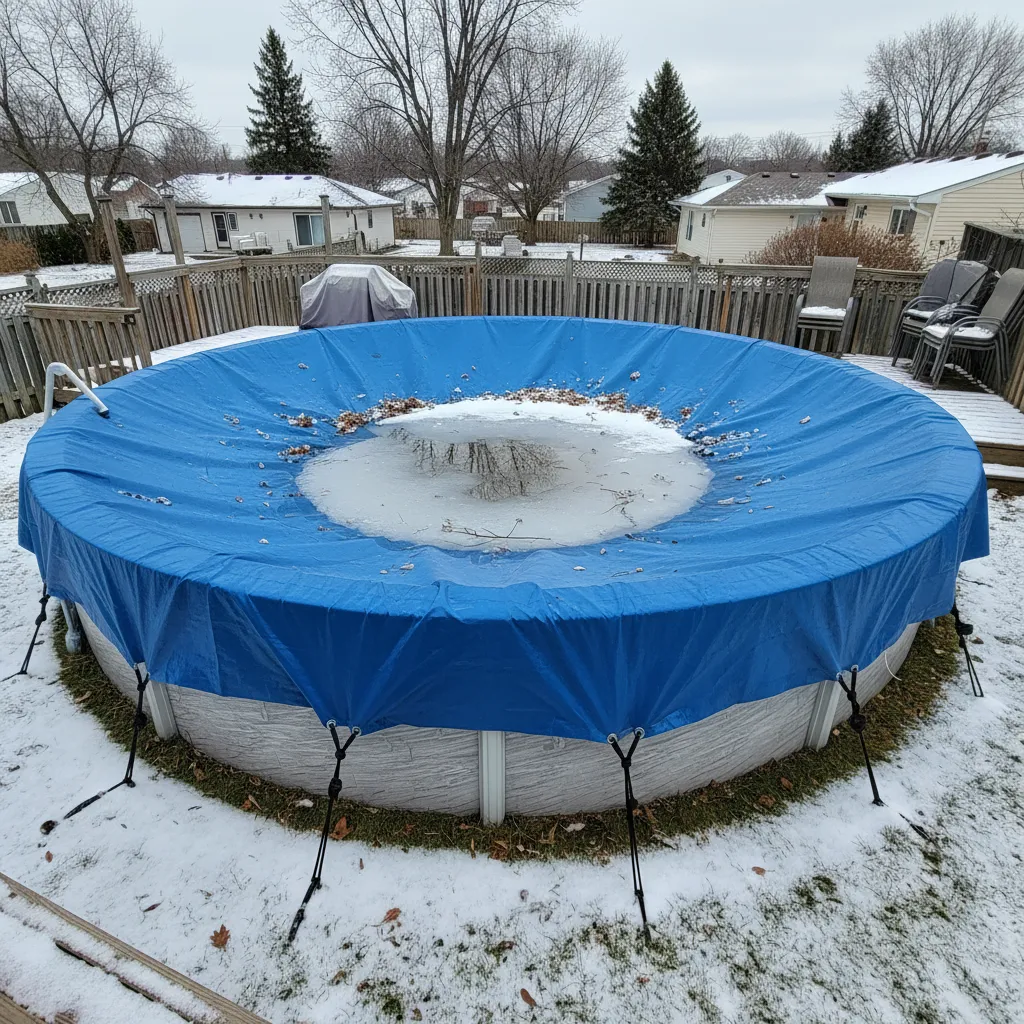
"Invest once to protect your liner and prevent a swamp in the spring."
Heavy-Duty Winter Pool Cover
Winter demand is high - check stock
Definition and Purpose Of a Pool Tanning Ledge
A tanning ledge is built into the pool’s edge or center. Most are 6 to 12 inches deep. This depth lets you sit or lie down without full submersion. The goal is to blend comfort with design. Parents use it as a safe spot for small kids. Others add chairs or umbrellas for shade. It also works as a spot to cool off without leaving the pool.
Common Features Of an Inground Pool Tanning Ledge
Inground pool ledges often include built-in seats or steps. Some have umbrella sleeves for shade. Materials like poured concrete or fiberglass shells shape the structure. Non-slip tiles or textured finishes prevent slips. You might see LED lights for night use or bubblers for sound. Depth stays under 12 inches to keep water shallow. Size varies, but most span 6 to 10 feet wide. This gives space for loungers or groups.
Knowing these details helps plan your tanning ledge addition. Next, let’s explore if your pool can handle this upgrade.
Can You Add a Tanning Ledge to an Existing Pool?
Adding a tanning ledge to an existing pool is possible but hinges on your pool’s build type, layout, and budget. Let’s break down what works for each setup.
Feasibility Based on Pool Type
Pool structure plays a key role in whether a tanning ledge can be added. Some designs allow for smooth mods, while others face big hurdles.
Adding a Tanning Ledge to Fiberglass Pools
Fiberglass pools are one-piece shells, so cutting into them risks cracks or leaks. Most pros steer clear of in-pool work here. Instead, a free-standing ledge built next to the pool with matching tiles or decking can mimic the look. Costs range from $3,000 to $8,000 based on size. As the demand for fiberglass pools increases, it’s important to consider all associated costs. This includes the potential expenses related to disappearing pool features that enhance both aesthetic and value.
Adding a Tanning Ledge to Gunite/Concrete Pools
Gunite or concrete pools are the best fit for adding a tanning ledge. Crews can chip out part of the shell, add rebar, and shape the ledge with shotcrete. Expect to drain the pool for 2-4 weeks. Prices start at $10,000 due to the heavy labor and new plaster needed post-build.
Adding a Tanning Ledge to Vinyl Liner Pools
Vinyl liner pools pose a unique challenge. The ledge needs a solid base, which means changing the steel or polymer frame. A new liner ($2,000-$4,000) is also a must. If the frame can’t be tweaked, a drop-in fiberglass shelf (6-12 inches deep) may work but limits size options.
Can You Add a Shelf to an Existing Pool?
Yes, but shelf depth and shape depend on your pool’s pump system. Ledges deeper than 9 inches may need extra water flow to stop dead spots. For small pools, a corner shelf (4×4 feet) uses less space and keeps swim areas clear.
Factors Influencing the Cost to Add a Tanning Ledge
Costs swing widely based on materials, labor, and perks. Let’s dig into what drives your price up or down.
Material Choices: Concrete Vs. Fiberglass
Concrete ledges blend with gunite pools but take 2-3 weeks to cure. Fiberglass units (pre-made) cost 20% less but come in set sizes. For a custom shape, concrete wins but adds $1,500-$3,000 to the bill.
Labor and Construction Complexity
Labor eats 60-70% of the budget. Digging near an existing pool needs care to avoid pipe damage. If soil is rocky or tight, costs rise by 15-20%. Permits ($200-$800) and inspections add time but keep your project legal. As you prepare for winter, considering the right chemicals for your pool is crucial. A pool winterization chemical calculator can help you determine the exact amounts you need for proper winter maintenance.
Additional Features (Lighting, Tiles, Etc.)
LED strip lights ($75-$150 per foot) add night-time glow but need waterproof wiring. Non-slip tiles ($12-$30 per sq. ft.) boost safety on wet ledges. For a spa vibe, add bubblers ($1,000-$2,500 each) to the ledge edge.
Ready to map out your tanning ledge build? Let’s walk through the step-by-step steps to nail the install.
Also See: Can You Build Your Own Inground Pool? A DIY Guide
Step-by-step Process for Pool Tanning Ledge Installation
Retrofitting a tanning ledge requires meticulous planning paired with technical execution. Contractors follow systematic phases to blend functionality with structural integrity, ensuring seamless integration with your current setup.
Assessing Structural Feasibility
Before breaking ground, professionals inspect the pool’s shell material, plumbing, and load-bearing capacity. Gunite pools typically support modifications due to their rebar-reinforced construction, while vinyl liners may need underlayment upgrades. Soil testing might be required for freestanding ledges to prevent shifting. Permits often mandate engineered drawings verifying the design won’t compromise the pool’s stability. When considering above ground pools, the choice of liner is crucial for both aesthetics and durability. A quality liner enhances the overall look and helps protect against wear and tear over time.
Designing the Tanning Ledge: Size and Location
Most ledges range from 6″ to 12″ deep, spanning 6–10 square feet. Placement depends on sun exposure, existing steps, or sightlines from the home. For geometric pools, corners work well; freeform designs might use curved edges. Contractors use 3D modeling software to visualize depth transitions, ensuring the ledge doesn’t obstruct swim lanes or diving zones.
Choosing Construction Methods (In-pool Vs. Freestanding)
In-pool ledges involve cutting into the existing shell, reinforcing with steel, and replastering—costs range from $4,000 to $10,000. Freestanding options, built separately from the pool, use poured concrete or fiberglass drop-ins, costing $2,500–$6,000. While freestanding units reduce construction time, they occupy more yard space. Hydraulic lifts might be needed for pools with limited deck access. Proper pool maintenance is essential for keeping the water safe and clean. Using hydrogen peroxide can help lower chlorine levels while still keeping the pool hygienic.
Post-installation Aesthetics and Safety
Once cured, the surface receives a finish matching the pool’s interior—pebble tech, quartz, or colored plaster. Textured coatings with a 0.5–1.0 mm grit enhance slip resistance. Tile borders or mosaics add visual contrast. Safety lines or glow-in-the-dark markers improve visibility for night use. Final inspections check for proper drainage to prevent water pooling. Micro cement can be used in pool designs to create a sleek and modern appearance. Its versatility makes micro cement pools not only stylish but also practical for any outdoor space.
Pros and Cons Of Adding a Tanning Ledge
While tanning ledges boost leisure value, weighing their impact on usability and budgets ensures informed decisions.
Benefits Of a Swimming Pool Tanning Ledge
Shallow lounging zones let users soak up sun without full submersion—ideal for toddlers or pets. Built-in benches with jets turn the space into a social hub. Properties with ledges often see a 5–10% value increase, per the National Association of Realtors. Heating costs drop by 15–20% since shallower water warms faster.
Potential Drawbacks to Consider
Construction disrupts pool use for 2–4 weeks. Ledges reduce swim space in smaller pools (under 400 sq ft), limiting lap swimming. Maintenance rises with more surface area prone to algae; weekly brushing becomes vital. Freestanding units require frost-proof footings in colder climates, adding $800–$1,200 to budgets. Considering these factors helps in estimating overall expenses. Small inground pools can have varying costs based on size, materials, and additional features.
Design Ideas to Enhance Your Tanning Ledge
Elevate your ledge from functional to luxurious with smart design touches that complement your backyard’s vibe.
Built-in Seating or Lounge Areas
Submerged benches with 18″–24″ depths let users sit partially immersed. Curved edges with 24″ overhangs work for poolside dining. For modern styles, cantilevered concrete slabs create minimalist loungers without visible supports.
Accent Lighting for Ambiance
LED strip lights embedded in the ledge’s coping provide a 3000K–5000K color range. Fiber-optic systems create starry-night effects without electrical risks. Solar-powered floating lights offer plug-free solutions, emitting 50–100 lumens for subtle glow.
Non-slip Surface Options
Textured exposed aggregate with 3/8″ pebbles offers traction without rough feel. Rubberized coatings like Rhino Liners (50 mil thickness) withstand UV rays. For upscale projects, tumbled travertine tiles with a coefficient of friction (COF) above 0.6 prevent slips.
Integrating Water Features
Bubblers with 2–4 nozzles shoot 6″–12″ arcs, producing white noise for relaxation. Sheet falls from the ledge’s edge mimic infinity pools. For compact setups, deck jets spaced 3 ft apart arch into the pool, using 1.5 GPM pumps. These features add beauty and tranquility to outdoor spaces. However, many Florida pool owners choose to enclose their pools for added protection and comfort.
While design possibilities spark creativity, practical challenges often influence the final plan. Up next: navigating common hurdles during construction.

Common Challenges When Adding a Tanning Ledge
Expanding an existing pool with a tanning ledge introduces unique hurdles. From spatial constraints to legal red tape, navigating these obstacles requires careful planning to ensure a smooth installation process. Making changes like this often leads to considering different pool sanitation methods. Switching from chlorine to bromine can be a beneficial option for many pool owners.
Space Limitations and Pool Layout
Existing pool dimensions directly impact whether a tanning ledge addition is viable. Pools with less than 12 feet of length may struggle to accommodate a standard 6-foot ledge without compromising swimming space. Deck clearance also matters—most codes mandate at least 3 feet of unobstructed walkway around the pool’s perimeter. Underground utilities like gas lines or electrical conduits near the proposed ledge area might require rerouting, adding $500-$2,000 to project costs depending on local rates. When considering pool upgrades, it’s crucial to take local flood zones into account. Building a pool in a flood zone requires special attention to drainage and elevation standards to prevent water damage.
Permit Requirements and Local Codes
Municipalities typically require permits for structural pool modifications exceeding 25 square feet. Setback rules often dictate ledge placement—for example, some regions prohibit built-in seating within 4 feet of property lines. Depth regulations may apply if the ledge is in shallow areas, as water under 18 inches deep might bypass certain safety codes. Always verify ADA compliance if integrating grab bars or ramps, as non-compliance can lead to fines up to $3,000.
Maintenance Considerations
Shallow ledge water (6-12 inches) warms faster, accelerating algae growth unless circulation is optimized. Retrofitting a secondary return jet near the ledge costs $150-$400 but improves flow. Textured materials like exposed aggregate or hydrazzo finishes reduce slip risks but demand quarterly acid washing to prevent staining. Expect a 10-15% increase in chemical usage due to expanded water surface area, particularly in pools using saltwater systems.
Addressing these challenges early streamlines the process. Up next, explore answers to frequent questions about costs, timelines, and design adaptability.
Frequently Asked Questions (FAQ)
How Long Does It Take to Install a Tanning Ledge in an Existing Pool?
Installation timelines vary by pool type and design complexity. Gunite pools typically require 3–6 weeks, including draining, shell modification, and plaster curing. Freestanding ledges take 1–2 weeks if no major excavation is needed. Delays may occur due to permit approvals or weather. Considerations for the overall pool experience can be greatly impacted by the hardness levels of the water. Lower hardness pools can lead to a softer feel and potentially reduce scale buildup over time.
Can Water Features Like Bubblers Be Added to a Retrofit Tanning Ledge?
Yes, but retrofitting water features post-installation requires accessing the pool’s plumbing system. Bubblers or deck jets may need additional pumps (0.5–1.5 HP) and PVC lines, adding $1,200–$3,500 to the project. Ensure your pool’s filtration system can handle the extra flow rate. When considering these additions, it’s also important to think about the overall cost of maintaining a pool. The expenses for a Highland Park pool can vary based on features and upkeep, making it crucial to budget accordingly.
Does a Tanning Ledge Require Special Safety Certifications?
Most regions require compliance with the International Swimming Pool and Spa Code (ISPSC). This includes slip-resistant surfaces (COF ≥0.6) and proper depth markings. If adding electrical features like lighting, a licensed electrician must certify waterproof connections to meet NEC standards. Additionally, safety is a major concern for pool owners. Installing an above ground pool fence can help keep children and pets safe around the water.
What Are Alternatives if My Pool Can’t Support a Built-in Ledge?
Freestanding ledges or modular drop-in shelves (made of fiberglass or composite) offer non-invasive solutions. Inflatable platforms or removable teak decks are budget-friendly options but lack permanence. These alternatives cost $800–$4,000, depending on materials and size.
Will a Tanning Ledge Impact My Pool’s Circulation or Filtration?
Shallow ledges can create “dead zones” with poor water flow. To prevent stagnation, install a dedicated return jet or adjust existing ones to direct flow toward the ledge. Upgrading to a variable-speed pump ($800–$1,500) improves circulation efficiency in modified pools.
Final Thoughts
Adding a tanning ledge to an existing pool is possible, but feasibility depends on your pool type, budget, and structural constraints. Fiberglass pools may require shell modifications, while concrete pools offer more flexibility. Vinyl liner pools present unique challenges but can still accommodate a ledge with proper planning.
Costs typically range from $3,000 to $15,000, influenced by materials, labor, and added features like lighting or water jets. The installation process involves assessing structural integrity, designing the ledge dimensions, and choosing between in-pool or freestanding construction methods.
While tanning ledges enhance relaxation and aesthetics, consider potential drawbacks like reduced swim space or increased maintenance. Smart design choices—non-slip surfaces, integrated seating, or accent lighting—can maximize functionality.
For precise cost estimates or to explore design options, try our My Pool Calculator tools. Whether you’re planning a minor upgrade or a full pool remodel, informed decisions lead to better results.
Additional Resources for You:
- National Swimming Pool Foundation (NSPF). (2022). Pool & Spa Operator Handbook (4th ed.). Colorado Springs, CO: NSPF.
- How to Improve Your Poolside Experience by Adding a Baja Shelf to Your
- Add a Sun Shelf – Swim-Mor Pools and Spas
- Pool Tanning Ledges | Vinyl & Fiberglass | Latham Pools
- Adding a tanning ledge in the deep end: is this a thing? | Trouble Free Pool
A pool care geek who’s been testing water chemistry since she was tall enough to reach the skimmer.
Inground Pool, Pool Care By Type