Can You Switch From Chlorine to Bromine in an Existing Pool?
Published on: February 9, 2026 | Last Updated: November 17, 2025
Written By: Rachael Weatherbottom
Yes, you can switch from chlorine to bromine in your existing pool with proper chemical adjustments and equipment changes. Bromine sanitizes water like chlorine but behaves differently—it stays active longer in heat (ideal above 85°F) and causes less eye irritation. The transition requires draining 30-50% of pool water, removing chlorine traces, and adding sodium bromide starter before activating bromine tablets or feeders.
This article explains the science behind bromine vs. chlorine, breaks down conversion steps, and addresses hidden costs. You’ll learn why bromine lasts longer in hot tubs but needs more frequent pH testing, how to calculate water replacement ratios based on chlorine levels, and why some pool heaters require compatibility checks before switching.
We’ll cover equipment upgrades like bromine floaters ($40-$120), optimal bromine levels (3-5 ppm), and shock treatments that mix chlorine with bromine safely. A troubleshooting section tackles common issues—like balancing bromamines or fixing cloudy water after conversion—with exact chemical measurements for each scenario.
Bromine Vs. Chlorine: Key Differences for Pool Care
Choosing between bromine and chlorine requires knowing how each interacts with water, fights contaminants, and impacts swimmer comfort. Both sanitizers eliminate bacteria and algae but operate through distinct chemical pathways. When considering pool maintenance, it’s also important to think about winterizing products. Using safe pool antifreeze can help protect your plumbing during colder months.
Crucial Winterizing Products
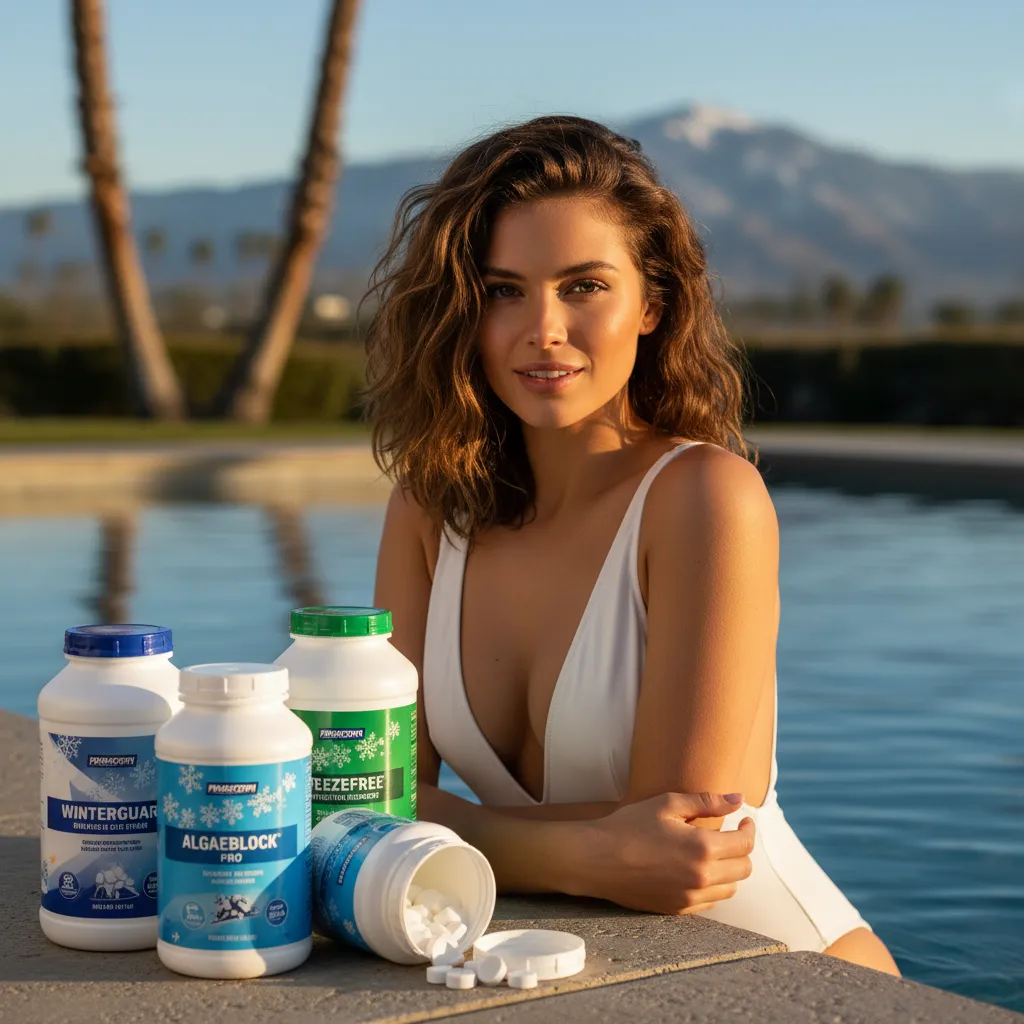
"The all-in-one solution for a guaranteed clear spring opening."
All-in-One Closing Chemical Kit
Winter demand is high - check stock

"The 'set & forget' option. This is the easiest winterizing I've ever done."
Simple 3-in-1 Winterizing Balls
Winter demand is high - check stock
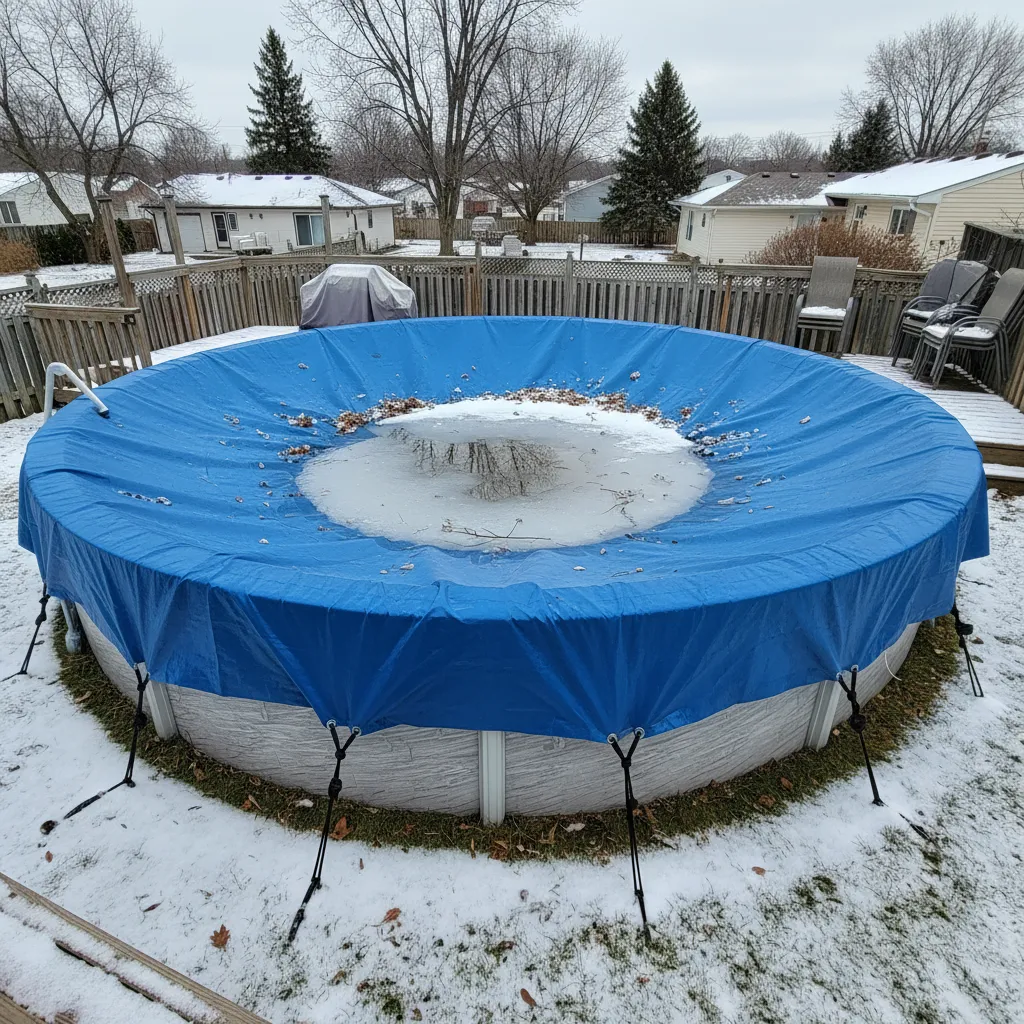
"Invest once to protect your liner and prevent a swamp in the spring."
Heavy-Duty Winter Pool Cover
Winter demand is high - check stock
How Bromine and Chlorine Work As Sanitizers
Chlorine sanitizes through rapid oxidation, breaking down organic matter and forming hypochlorous acid (HClO) at ideal pH levels (7.2–7.8). It’s fast-acting but degrades under UV light, requiring stabilizers like cyanuric acid. Bromine operates as a sustained-release sanitizer, creating hypobromous acid (HBrO) when activated. Unlike chlorine, bromine remains effective at higher pH ranges (7.0–8.0) and reacts less with ammonia compounds, reducing chloramine formation. Bromine also regenerates partially when exposed to shock treatments, extending its sanitizing lifespan. When enjoying a clean pool, comfort is also essential. Pool chairs provide a perfect spot to relax and soak up the sun by the water.
Pros and Cons Of Each System
Chlorine’s lower upfront cost ($2–$4 per pound for granular chlorine vs. $4–$7 for bromine tablets) makes it popular for outdoor pools. It’s easier to monitor with standard test strips and works well in sun-exposed areas with stabilizers. Downsides include strong odor, skin irritation at high concentrations, and frequent dosing due to UV degradation.
Bromine excels in indoor or covered pools where heat retention is common. It’s gentler on skin and eyes at 3–5 ppm compared to chlorine’s 1–3 ppm range. Bromamine compounds (bromine’s byproducts) stay active, unlike chloramines, which require shocking. However, bromine costs 20–30% more upfront, doesn’t dissipate quickly if overapplied, and requires specific feeders for tablet distribution. Once converted to bromine, pools can’t easily revert to chlorine without draining—bromide ions persist and will react with added chlorine, creating excess sanitizer levels.
With the chemistry differences clarified, evaluating your pool’s structure and usage patterns becomes the next critical step.
Is Switching From Chlorine to Bromine Possible in Existing Pools?
Yes, you can switch from chlorine to bromine in most pools. The process needs careful steps to avoid mix-ups that harm water quality. Check your pool gear and water balance first to set up for success. Keeping your pool clean is important not just for you, but also for wildlife. One way to deter ducks from your pool is to use a floating pool cover when it’s not in use.
Factors Affecting Compatibility
Not all pools handle bromine the same way. Two main factors decide if your setup works with this switch.
Pool Type and Equipment Considerations
Vinyl liners and concrete pools handle bromine well, but check gear like heaters and filters. Bromine works in standard systems but may need new feeders. Old chlorine tablets leave residue – scrub feeders before adding bromine tabs. Saltwater pools need a full drain to remove salt before switching. It’s important to keep track of the chemicals used in your pool. A well-organized pool chemicals order can help maintain water quality and ensure safety.
Water Chemistry Balance Requirements
Bromine needs tighter pH control (7.2-7.6) than chlorine. Test total alkalinity (80-120 ppm) first. High calcium? Bromine forms less scale but needs 200-400 ppm hardness. Drain 1/3 of water if levels sit outside these ranges. Keeping proper chemical balance in your pool is essential for safe swimming. An automatic pool chlorinator can help maintain the right levels effortlessly.
Step-by-step Guide to Converting Your Pool to Bromine
Follow these steps to shift from chlorine to bromine without cloudy water or skin burn risks.
Preparing Your Pool for Transition
Start by cutting chlorine levels. Skip shocks for 3-5 days to let free chlorine drop below 1 ppm.
Draining or Diluting Existing Chlorinated Water
Drain 50-75% of pool water if chlorine stays high. Refill with fresh water to thin out residuals. For small chlorine traces, add a neutralizer like sodium thiosulfate (1 lb per 10,000 gal lowers 10 ppm chlorine). It’s also important to regularly check chemical levels for safety and comfort. By measuring pool chemicals, you can maintain balanced water conditions.
Removing Chlorine Residuals
Test with DPD strips – any pink tint means chlorine remains. Use activated charcoal filters in the skimmer for 24 hours if levels won’t budge. Run pumps nonstop during this phase.
Bromine Activation and Application Process
Bromine needs a starter to work right. Skip this step, and you’ll waste chemicals.
Using Sodium Bromide as a Starter
Add 1 lb sodium bromide per 10,000 gal to create a bromide bank. This lets bromine tabs activate fast. Pour it near jets while pumps run. Wait 2 hours before adding tabs.
Installing Bromine Feeders or Floaters
Use separate feeders – never mix bromine and chlorine tabs. Fill floaters with 1″ bromine tabs (99% pure). Set them to keep 3-5 ppm bromine. Test every 4 hours for the first two days. Pool maintenance also involves dealing with water quality issues like hardness. Fixing hard water in your pool can help improve sanitizer efficiency and enhance the overall swimming experience.
With bromine levels stable, the next phase covers ongoing costs to keep your pool safe and clear.
Also See: Can You Swim After Adding Baking Soda or Soda Ash to Pool?
Cost Considerations for Chlorine to Bromine Conversion
Switching sanitizers impacts both your wallet and upkeep plan. Let’s break down where dollars go during the shift.
Equipment and Chemical Expenses
Bromine needs gear like floaters ($15-$50) or feeders ($200-$400). Sodium bromide starter salt runs $40-$60 per 25 lbs. Plan for 1.5 lbs per 10,000 gallons to build the “bromide bank.” Tablets cost more too – $120 for 25 lbs vs $90 for chlorine. Add test strips ($15) made for bromine checks.
Long-term Maintenance Costs
Bromine lasts longer in heat but breaks down faster. Expect to add tabs 2-3 times weekly vs 1-2 for chlorine. Monthly costs rise 20-30% for most pools. Hot tubs see less gap due to lower water volume. Factor in drain/refill savings – bromine lets you keep water 6-12 months vs 3-5 for chlorine. For pools using Klean Strip Muriatic Acid, maintenance becomes easier. This product helps manage pH levels effectively, ensuring a clean and balanced pool environment.
Maintaining Proper Bromine Levels After Conversion
Steady bromine keeps water clear without skin burn. Test daily at first, then 2-3 times weekly once stable.
Ideal Bromine Range for Pool Water
Aim for 3-5 ppm – higher than chlorine’s 1-3 ppm. Below 2 ppm invites algae; above 6 ppm fades suits and stings eyes. Use oxidizer shocks weekly to reactivate used bromine.
Shock Treatment Compatibility
Non-chlorine shock (MPS) works best, but chlorine shock (cal hypo) can be used smartly.
When to Use Chlorine Shock with Bromine
After heavy use or algae blooms, add 1 lb cal hypo per 10,000 gallons. Do this at dusk, wait 8 hours before swimming. The chlorine burns off fast, leaving bromine active. Test after 24 hours – bromine should stay in range. Keeping your pool’s chemical balance right is essential for safety. A muriatic acid pool calculator can help you determine the exact amount needed to adjust pH levels effectively.
Troubleshooting Common Conversion Challenges
Even smooth transitions hit snags. Catch issues early with these fixes.
Dealing With High Bromine Levels
At 8+ ppm, halt feeders and run pumps 12 hours. Add fresh water if needed – each 10% dilution drops levels by 1 ppm. Sunlight also cuts bromine faster than chlorine.
Managing Combined Chlorine/bromine Use
Mixing both creates bromochloramines – harsh fumes that linger. If you must use chlorine tablets, expect bromine levels to spike. Full swaps work best. Test with DPD kits that show both sanitizers. Choosing between bromine and chlorine can impact your hot tub experience. Each sanitizer has its benefits and drawbacks that are worth considering.
These fixes set the stage for handling the top questions pool owners ask about dual systems.
Frequently Asked Questions
How Often Should Bromine Tablets Be Added to Maintain Levels?
Bromine tablets typically require replenishment every 3-5 days in feeders, depending on pool usage and temperature. Outdoor pools in hot climates may need more frequent additions due to increased sanitizer demand. Always maintain 3-5 ppm bromine and adjust feeder settings based on daily test strip readings.
Is Bromine Compatible With Ozone Pool Systems?
Yes, bromine works synergistically with ozone generators. Ozone oxidizes contaminants, reducing bromamine formation and allowing bromine to focus on residual sanitation. This combination can lower bromine consumption by 30-40% in well-maintained systems. However, concerns about the environmental impact of bromine have prompted the search for more sustainable options. Eco-friendly alternatives can provide effective sanitation while being gentler on the planet.
Does Bromine Reduce Algaecide Effectiveness?
Bromine doesn’t interfere with most algaecides when used properly. However, avoid copper-based algaecides unless testing for metal content—bromine’s oxidizing properties can accelerate copper staining. Use polymeric or quaternary ammonium algaecides for best results.
What’s the Shelf Life Of Bromine Tablets Vs Chlorine?
Unopened bromine tablets last 2-3 years in cool, dry conditions—twice as long as chlorine tablets. Once opened, use within 6 months. Store in airtight containers to prevent moisture absorption, which causes premature breakdown. When setting up an above ground pool, it’s important to consider local regulations. Obtaining an above ground pool permit may be necessary to ensure safety and compliance.
How Does Heavy Rain Affect Bromine Levels?
Significant rainfall dilutes bromine concentration by 1-2 ppm per inch of water added. Test after storms and add sodium bromide (1 oz per 500 gal) to reactivate the bromide bank. Run pumps for 8 hours post-storm to redistribute chemicals evenly.
Closing Thoughts
Switching from chlorine to bromine in an existing pool is entirely possible with proper planning. The process involves water preparation, equipment adjustments, and ongoing maintenance to maintain ideal bromine levels between 3-5 ppm. While bromine offers advantages like better stability in heat and reduced odor, it requires different care than chlorine systems.
For pool owners considering the change, evaluate your specific needs—indoor pools often benefit more from bromine, while outdoor pools may prefer chlorine’s UV resistance. Budget for initial sodium bromide starter costs ($50-$100) and potential feeder system upgrades ($150-$400).
Need help calculating chemical adjustments? Visit My Pool Calculator for precise bromine dosage tools and conversion guides tailored to your pool’s volume and current chemistry.
Additional Resources for You:
- Chemical Interaction Risks| Pool & Spa News
- Chlorine vs. Bromine: What’s the Difference?
- r/hottub on Reddit: Switch bromine to chlorine – swim spa
- Making the Switch from Bromine to Chlorine | PDC Spas
A pool care geek who’s been testing water chemistry since she was tall enough to reach the skimmer.
Bromine, Pool Chemistry, Sanitizers