Can You Build a Pool in a Flood Zone?
Published on: January 8, 2026 | Last Updated: November 17, 2025
Written By: Rachael Weatherbottom
Yes, you can build a pool in a flood zone, but it requires specific permits, flood-resistant construction methods, and strict compliance with federal and local regulations. The Federal Emergency Management Agency (FEMA) mandates that pools in high-risk floodplains (like Zone A or V) must include features such as flood vents to equalize water pressure or elevated designs to minimize structural damage. State rules vary—for example, California requires additional engineering reviews for pools in Special Flood Hazard Areas, while Florida enforces strict anchoring for pool cages. Costs typically rise 20-30% compared to standard builds due to materials like fiberglass-reinforced polymer or sealed concrete decks.
This article breaks down the step-by-step process for flood zone pool projects. You’ll learn how to identify your property’s flood risk using FEMA’s Flood Map Service Center and local county databases. We’ll explain critical regulations, including elevation certificates and setbacks from waterways, and compare state-specific codes affecting design choices. Detailed construction strategies—like installing automatic flood vents rated for 1 cubic foot per second per square foot or using helical anchors for equipment pads—are covered to help you navigate engineering challenges.
Beyond compliance, we’ll explore long-term maintenance for flood-prone pools, including post-storm water testing protocols and NSF/ANSI 50-certified pumps. Insurance experts weigh in on flood endorsements and average premium increases (often $500-$1,200 annually). Real-world case studies reveal how Florida homeowners use removable aluminum fencing and Texas builders opt for permeable pavers to reduce erosion. Whether you’re in a coastal VE zone or a moderate-risk AE area, this guide provides actionable solutions to protect your investment.
Understanding Flood Zones and Their Impact on Pool Construction
Building a pool in a flood zone involves navigating complex environmental and regulatory factors. Flood zones dictate design requirements, material choices, and long-term maintenance strategies. Identifying your property’s flood risk category serves as the first step toward determining feasibility.
Crucial Winterizing Products

"The all-in-one solution for a guaranteed clear spring opening."
All-in-One Closing Chemical Kit
Winter demand is high - check stock

"The 'set & forget' option. This is the easiest winterizing I've ever done."
Simple 3-in-1 Winterizing Balls
Winter demand is high - check stock
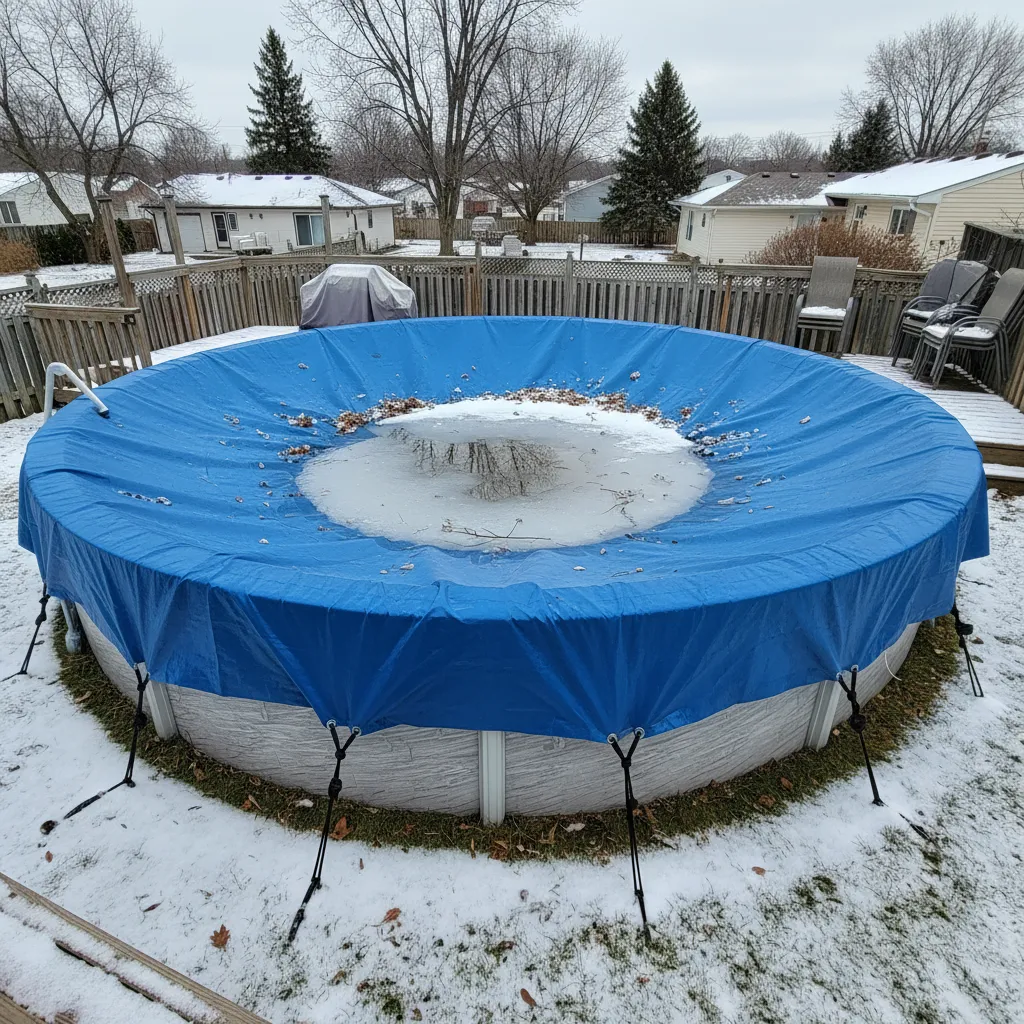
"Invest once to protect your liner and prevent a swamp in the spring."
Heavy-Duty Winter Pool Cover
Winter demand is high - check stock
Types Of Flood Zones: High-risk Vs. Low-risk Areas
Flood zones fall into two primary categories under FEMA’s Flood Insurance Rate Maps (FIRMs). High-risk zones, labeled as AE, VE, or Coastal A zones, face a 1% or higher annual chance of flooding. These areas often require pools to meet Base Flood Elevation (BFE) standards—the projected height floodwaters may reach during a 100-year storm. Low-risk zones (Zones X or B) have reduced flood probabilities but still demand drainage plans to handle excess water during extreme weather.
| High-Risk Zones | Low-Risk Zones |
|---|---|
|
|
How to Check if Your Property is in a Flood Zone
Start by entering your address into FEMA’s Flood Map Service Center. This tool provides FIRM overlays showing exact zone boundaries. Cross-reference results with local planning departments—some municipalities enforce stricter rules than federal guidelines. For properties near zone edges, hire a licensed surveyor to assess elevation certificates. Note: Flood maps update every 5–10 years; verify data aligns with the latest revisions before finalizing pool plans.
Beyond flood zone classification, legal requirements shape what’s possible for your project. Permitting processes and material standards vary widely, particularly in states with unique environmental challenges.
Legal and Regulatory Requirements for Flood Zone Pools
Building pools in flood zones requires navigating strict rules designed to minimize risks linked to rising water. Permits often involve multiple layers of oversight, blending federal mandates with local codes. As spring approaches, many pool owners begin to think about preparing their pools for warm weather. Starting the pool opening process early can help ensure everything is ready for summer fun.
FEMA Regulations for Building Swimming Pools in Floodplains
FEMA’s National Flood Insurance Program (NFIP) sets standards for structures in Special Flood Hazard Areas (SFHAs). Pools must comply with elevation rules, often needing placement above the Base Flood Elevation (BFE). For in-ground designs, walls must withstand hydrostatic pressure—water pushing against the structure during floods. Above-ground pools might need breakaway walls to prevent debris buildup. Non-compliance risks fines or denied flood insurance claims. When considering an above-ground pool, it’s important to choose a durable liner that can withstand the elements. A good quality liner not only enhances the pool’s appearance but also protects it from wear and tear.
State-specific Rules (E.g., California Flood Zone Pool Laws)
States layer their own requirements on top of federal guidelines. California’s Department of Water Resources enforces Title 24 codes, requiring pools in floodplains to include drainage systems preventing overflow into neighboring properties. Coastal zones like Ventura County mandate setbacks from tidal areas. Builders must file hydraulic studies proving the pool won’t redirect floodwaters. Violations can lead to stop-work orders or liens.
Construction Techniques for Pools in Flood Zones
Engineering pools for flood-prone regions demands specialized methods balancing durability with flexibility. Contractors prioritize materials and designs that endure submersion while allowing water to flow through. Proper off season care ensures the pool remains in good condition during harsh weather.
Elevated Pool Designs to Mitigate Flood Damage
Raising the pool shell 12–18 inches above BFE reduces flood contact. Fiberglass or polymer composite shells resist shifting better than concrete. Hybrid designs combine retaining walls with graded slopes to divert runoff. In coastal regions, some opt for modular pools mounted on pilings, which can be disassembled if storms approach. Keeping the pool clean and safe is also important. A vacuum pool waste cartridge filter is a great option for effectively managing debris and maintaining water quality.
Installing Flood Vents and Drainage Systems
Hydrostatic relief valves embedded in the area beneath the pool equalize pressure, preventing “pop-up” damage. Perimeter French drains with 4-inch PVC piping channel water toward storm sewers. For zones with frequent saturation, sump pumps rated for 5,000+ gallons per hour keep the surrounding soil dry. This careful management of water is essential for maintaining the right conditions. The area beneath the pool must remain stable to ensure the structure stays intact.
Anchoring Pool Equipment to Prevent Displacement
Heat pumps, filters, and chlorinators bolt onto 6-inch concrete pads with stainless steel straps. Electrical panels mount on platforms 2 feet above BFE. Gas heaters require shutoff valves accessible during floods. Loose items like ladders or diving boards get stored in flood-proof sheds when not in use.
Using Removable Fencing and Flood-resistant Materials
FEMA-compliant fences feature aluminum or vinyl panels that detach quickly, letting floodwaters pass without debris snags. Decking materials like permeable pavers or reinforced composites withstand prolonged soaking. Coping stones secure with epoxy adhesives instead of mortar, simplifying post-flood repairs.
While these methods improve flood resilience, they also influence long-term upkeep costs. Next, we’ll explore how insurance providers evaluate pools in high-risk zones.
Also See: Can You Add a Tanning Ledge to an Existing Pool?
Insurance and Cost Considerations
Building a pool in a flood zone introduces unique financial factors tied to risk management and regulatory compliance. These expenses extend beyond standard installation costs, requiring specialized planning for flood-prone environments. When considering such factors, it’s also important to think about features that enhance the pool experience. Bubbling pool jets can add relaxation and enjoyment, making the pool feel like a personal retreat.
How Flood Zones Affect Pool Insurance Premiums
Flood zone classifications directly influence insurance rates. Properties in FEMA-designated Special Flood Hazard Areas (SFHAs) like Zone AE or VE may see pool coverage premiums rise by 15-30% compared to low-risk zones. Most standard homeowners’ policies exclude flood-related pool damage, requiring separate NFIP (National Flood Insurance Program) coverage. Insurers assess risks based on pool elevation, anchoring systems, and proximity to water bodies. For example, an in-ground pool built below Base Flood Elevation (BFE) in Florida could face annual premiums exceeding $2,500. Additionally, maintaining a pool can also significantly impact your electric bill. Pool-related expenses, such as heating and filtration, can add up quickly, making it essential to budget for these costs.
Additional Construction Costs for Flood Zone Compliance
Meeting floodplain regulations adds $8,000-$25,000+ to pool projects. Common requirements include:
- Flood vents ($1,200-$4,500) to equalize water pressure
- Elevated equipment pads with concrete anchors ($3,000-$7,000)
- Permeable decking materials like gravel-tech systems ($12-$28/sq ft)
- Demountable pool fences meeting FEMA’s “breakaway” standards ($45-$65/linear foot)
California’s AB 1886 further mandates hydrostatic relief valves ($800-$1,500) for pools in floodplains to prevent buoyant uplift.

Safety Risks and Long-term Maintenance Challenges
Pools in flood zones face persistent threats from storm surges and seasonal flooding. These risks demand proactive maintenance strategies and structural safeguards.
Health Hazards From Floodwater Contamination
Floodwaters often carry sewage, agricultural runoff, and industrial pollutants. A 2022 CDC study found 78% of flooded pools tested positive for E. coli or cryptosporidium. Post-flood protocols require: Proper cleaning and sanitation of affected areas. To prevent these dangers in the future, one effective solution is to use pool safety covers. These covers help block debris and contaminants, ensuring a safer swimming environment.
- Immediate superchlorination (20-30 ppm free chlorine)
- Complete filtration system flush
- Professional testing for heavy metals like lead or arsenic
Protecting Pool Structure and Equipment During Floods
Anchor systems rated for 10-year flood velocities (typically 5-10 ft/sec) prevent equipment displacement. Best practices include:
- Epoxy-coated rebar in concrete shells
- Stainless steel cable tethers for pumps/filters
- Watertight equipment enclosures with IP68 ratings
Texas A&M research shows these measures reduce flood repair costs by 62% compared to unsecured installations.
Pool Care Tips for Flood Zone Locations
Proactive maintenance minimizes long-term damage in flood-prone areas. These strategies combine water management with structural monitoring.
Post-flood Water Quality Testing and Treatment
After flood events, test for:
- Turbidity levels (target < 0.3 NTU)
- pH balance (7.2-7.8 ideal range)
- Chlorine residual (1-3 ppm)
Use enzyme-based clarifiers and phosphate removers to combat organic contaminants. For severe contamination, drain and acid-wash the pool using NSF/ANSI 50-certified products. Proper maintenance is essential for clear water. Swim floc can also help by binding particles together for easier removal.
Maintaining Pool Integrity in High-risk Areas
Conduct quarterly inspections of:
- Copings and tile joints (check for 1/8″ maximum separation)
- Hydrostatic valve operation
- Deck drainage slope (minimum 2% grade)
Apply silane-siloxane sealants annually to concrete surfaces. These penetrate 4-7mm into substrates, reducing water absorption by 95% according to ASTM C67 test standards.
Now that we’ve covered operational strategies, let’s examine common legal questions about flood zone pool projects.

FAQs About Building a Pool in a Flood Zone
What Are the Most Flood-resistant Materials for Pool Construction?
Fiberglass-reinforced polymer and sealed concrete are top choices due to their low water absorption and resistance to shifting. Stainless steel components for anchors and epoxy-coated rebar in structural elements further prevent corrosion from prolonged water exposure.
Can Saltwater Pools Withstand Flood Conditions Better Than Traditional Chlorine Pools?
Saltwater systems aren’t inherently more flood-resistant, but they avoid chemical storage risks. However, saltwater mixing with floodwater can increase soil salinity, requiring post-flood drainage adjustments to protect surrounding vegetation. Keeping areas free of standing water is crucial for reducing mosquito populations. One way to effectively tackle mosquito larvae is by using bleach, which can eliminate them in stagnant water.
How Do Local Zoning Laws Interact With FEMA Requirements for Flood Zone Pools?
Local laws often add layers to FEMA rules—for example, requiring larger setbacks from waterways or mandating additional drainage studies. Always consult municipal planning departments to ensure designs meet both federal and community-specific standards.
What Landscaping Strategies Help Protect Pools in Flood-prone Areas?
Swales and permeable pavers direct water away from the pool, while rain gardens with native plants absorb runoff. Grading the yard at a 2% slope away from the pool deck is critical to prevent standing water. Keeping water away from the edges of your pool helps maintain clean lines. Regularly checking for debris can also help keep your pool area looking sharp.
What Emergency Steps Should Homeowners Take to Secure a Pool Before an Approaching Flood?
Lower the water level by 12–18 inches to reduce overflow risk, secure removable equipment (e.g., heaters, furniture), and install flood barriers around the perimeter. Shut off power to pumps and electronics to prevent short-circuiting. It is important to maintain a proper water level in the pool. A full pool ensures safety and enjoyment for everyone.
Closing Thoughts
Building a pool in a flood zone demands careful planning, from navigating FEMA regulations to selecting flood-resistant materials. Elevated designs, proper drainage, and anchored equipment are non-negotiable for long-term durability. Insurance costs will rise, and maintenance becomes more complex—but with the right strategies, it’s achievable.
For precise calculations on pool maintenance, chemical balancing, or cost estimates in flood-prone areas, explore the tools at My Pool Calculator. Whether you’re assessing post-flood water treatment or construction budgets, we’ve got the data to keep your project on track.
Flood zones add layers of complexity, but informed decisions lead to successful installations. Prioritize safety, compliance, and resilience—your pool should withstand more than just summer swims.
Additional Resources for You:
- National Swimming Pool Foundation (NSPF) – Certification & Resources
- Building a pool in a flood zone? Here’s what to expect. — Arieli Custom Homes
- Swimming Pools | FEMA.gov
- Guidance for Pools and Outdoor Kitchens/Bars in Flood …
- Designing & Building a Pool in a Flood Zone | Aqua Blue Pools
A pool care geek who’s been testing water chemistry since she was tall enough to reach the skimmer.
Inground Pool, Pool Care By Type