Off-season Pool Care Made Simple: Protect Your Investment Year-round
Published on: December 7, 2025 | Last Updated: November 17, 2025
Written By: Rachael Weatherbottom
Off-season pool care involves targeted maintenance during colder months to prevent damage and simplify spring reopening. This process differs from regular upkeep by focusing on winterization tasks: balancing pH levels between 7.2-7.6, lowering water 4-6 inches below skimmers, and adding winterizing chemicals like 60% algaecide concentrates. Proper care protects liners from ice expansion, avoids equipment corrosion, and can save $300-$800 in spring repair costs by preventing cracked pipes or stained surfaces.
This guide breaks down winter pool protection into actionable steps. You’ll learn how to winterize equipment using air compressors to blow out plumbing lines, compare solid covers (blocking 100% sunlight) versus mesh options (handling 1,500 lbs of debris), and apply chlorine-free shock treatments. We cover cost-saving measures like DIY vacuum plate installations and using enzyme-based cleaners to reduce chemical costs by 40%.
Explore specialized techniques for above-ground pools, including positioning air-filled winterizing pillows under covers to prevent ice damage. Discover why monthly bromine tablets outperform traditional chlorine in freezing temperatures and how to avoid common errors like improper backwashing before closing. Whether battling leaf debris in Maine or preventing freeze-thaw damage in Texas, these strategies keep pools intact until swim season returns.
Why Off-season Pool Maintenance Matters
Winterizing a pool isn’t just about covering it and walking away. Proper pool care during cold months preserves structural integrity and keeps equipment functional. Skipping steps can lead to cracked pipes, algae infestations, or damaged liners that demand expensive fixes come spring. To keep your pool in good shape during winter, consider ways to winterize without draining. This approach can save you time and ensure your pool is ready for use when warmer weather returns.
Crucial Winterizing Products
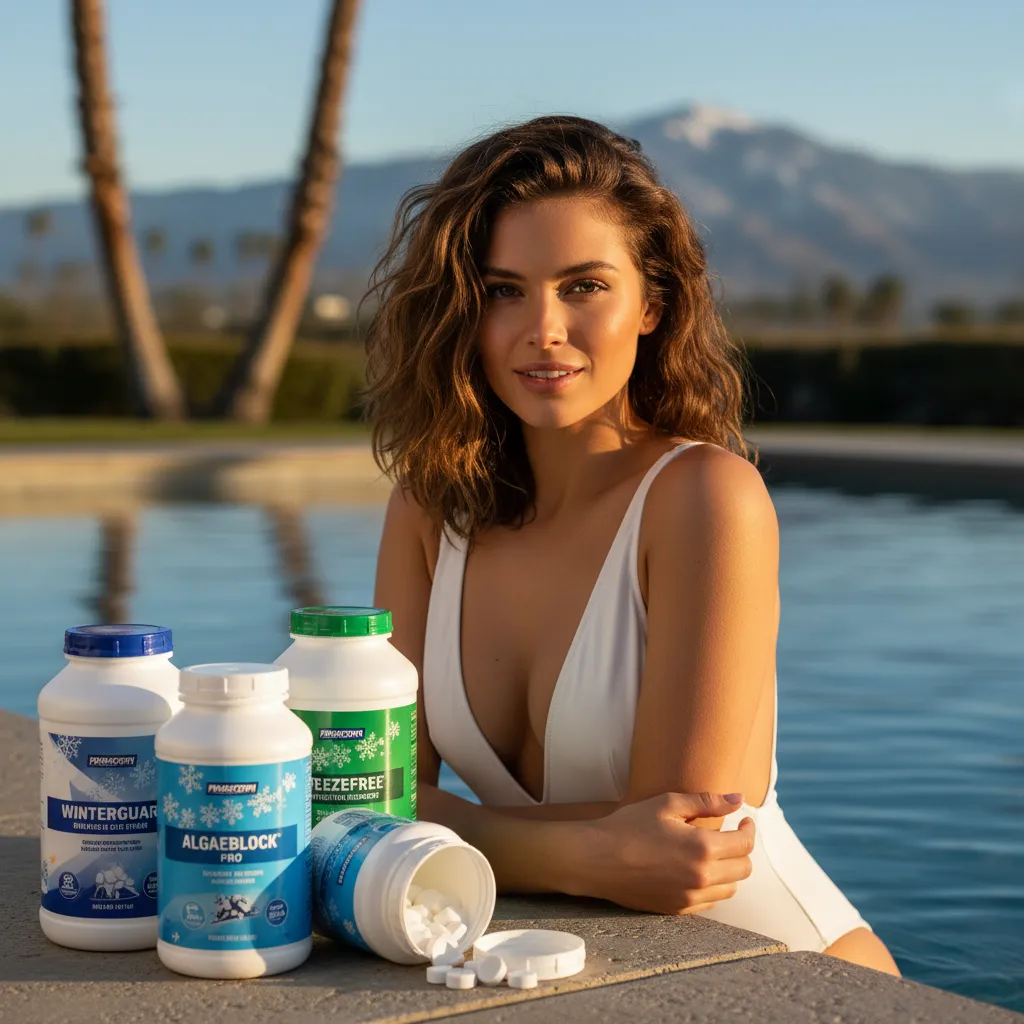
"The all-in-one solution for a guaranteed clear spring opening."
All-in-One Closing Chemical Kit
Winter demand is high - check stock

"The 'set & forget' option. This is the easiest winterizing I've ever done."
Simple 3-in-1 Winterizing Balls
Winter demand is high - check stock
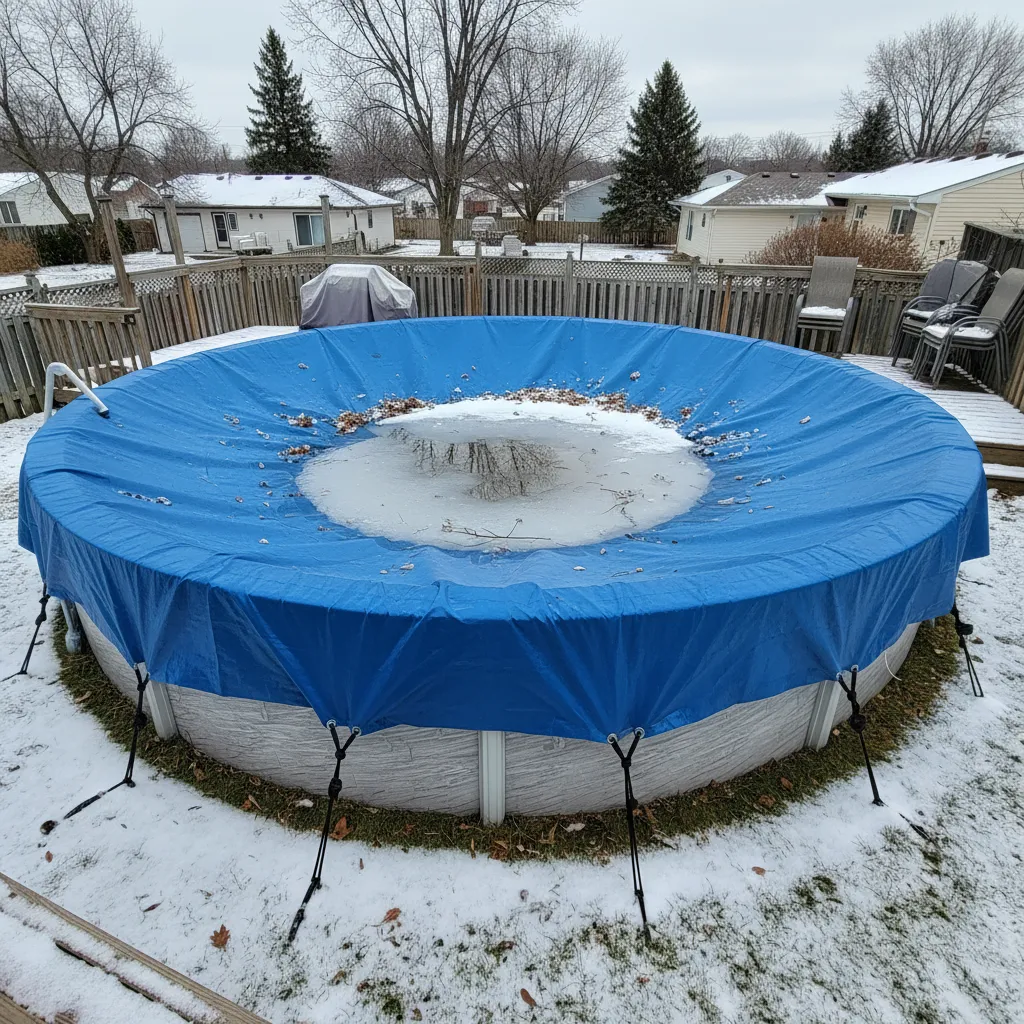
"Invest once to protect your liner and prevent a swamp in the spring."
Heavy-Duty Winter Pool Cover
Winter demand is high - check stock
Preventing Costly Spring Repairs
Unmaintained pools face algae blooms that stain surfaces and clog filters. Water left unbalanced during winter can etch plaster or corrode metal components. Ice expansion in concrete pools creates cracks requiring $500-$2,000 repairs. A single season of neglect might degrade vinyl liners, forcing full replacements costing $3,000-$5,000. Weekly checks for pH (7.2-7.6) and alkalinity (80-120 ppm) prevent these silent destroyers.
Protecting Equipment From Freeze Damage
Pool pumps and heaters hold residual water that freezes at 32°F, expanding by 9% volume. This pressure can rupture pump housings or crack heat exchangers. Winterizing a pool requires blowing out lines with 25-50 PSI air pressure and adding antifreeze rated for -50°F. Undrained filters may split under ice force, with replacement cartridges costing $80-$250. Covering equipment with insulated blankets adds $20-$50 protection against subzero temperatures.
Once you grasp these risks, the next step becomes clear: proactive measures to prepare your pool for winter. Let’s break down the systematic approach to safeguard your investment.
Preparing Your Pool for Winter
Proper steps before cold months stop algae growth, shield surfaces, and save time when reopening. Follow these steps in order for best results.
Balancing Water Chemistry
Test pH (aim for 7.2-7.6), alkalinity (80-120 ppm), and calcium hardness (175-225 ppm). Use test strips or a digital kit. Add muriatic acid to lower pH or baking soda to raise alkalinity. Unbalanced water causes scaling or stains that worsen over winter.
Shocking the Pool Before Closing
Add 2-3x the normal chlorine dose (up to 30 ppm) to kill bacteria. Do this 24 hours after balancing chemicals. For vinyl pools, use lithium hypochlorite shock to avoid bleaching. Saltwater pools need extra shock since systems shut down in cold temps. It’s important to consider how cyanuric acid affects chlorine’s effectiveness. Proper levels of cyanuric acid help stabilize chlorine in the pool, making it work better and last longer.
Removing Debris and Cleaning Surfaces
Skim leaves, vacuum floors, and brush walls. Empty skimmer baskets and hair traps. Use a leaf rake for large debris. Leftover dirt becomes sludge that stains concrete or clogs lines. For heavy stains, apply a citric acid wash before closing.

Winterizing Your Pool Equipment
Cold weather cracks pumps, warps filters, and splits pipes. Protect gear in 3 key areas:
Draining and Storing Pumps/heaters
Turn off power at the breaker. Open drain plugs on pumps, heaters, and chlorinators. Tip units sideways to remove trapped water. Store small pumps indoors. Cover above-ground equipment with tarps secured by bungee cords.
Protecting Pipes From Freezing
Blow out lines with an air compressor (do not exceed 50 PSI). Use pool antifreeze in return jets and skimmer lines—choose propylene glycol formulas safe for pets. Insulate exposed pipes with foam sleeves taped at both ends.
Winterizing Filters and Skimmers
- Sand filters: Backwash, rinse, and set to “Winterize” mode
- Cartridge filters: Clean with TSP cleaner, dry, and store indoors
- DE filters: Remove grids, hose off, and coat with talcum powder
Install a freeze protector called a Gizzmo in skimmer necks to absorb ice pressure.
With gear secured, focus shifts to selecting the right cover for your pool type and climate.
Also See: How to Close a Pool: Above Ground, Saltwater, Permanent
Choosing and Using a Winter Pool Cover
A strong pool cover shields water from leaves, dirt, and ice while cutting down on spring clean-up time. The right pick depends on your climate, pool type, and budget.
Solid Vs Mesh Covers: Pros and Cons
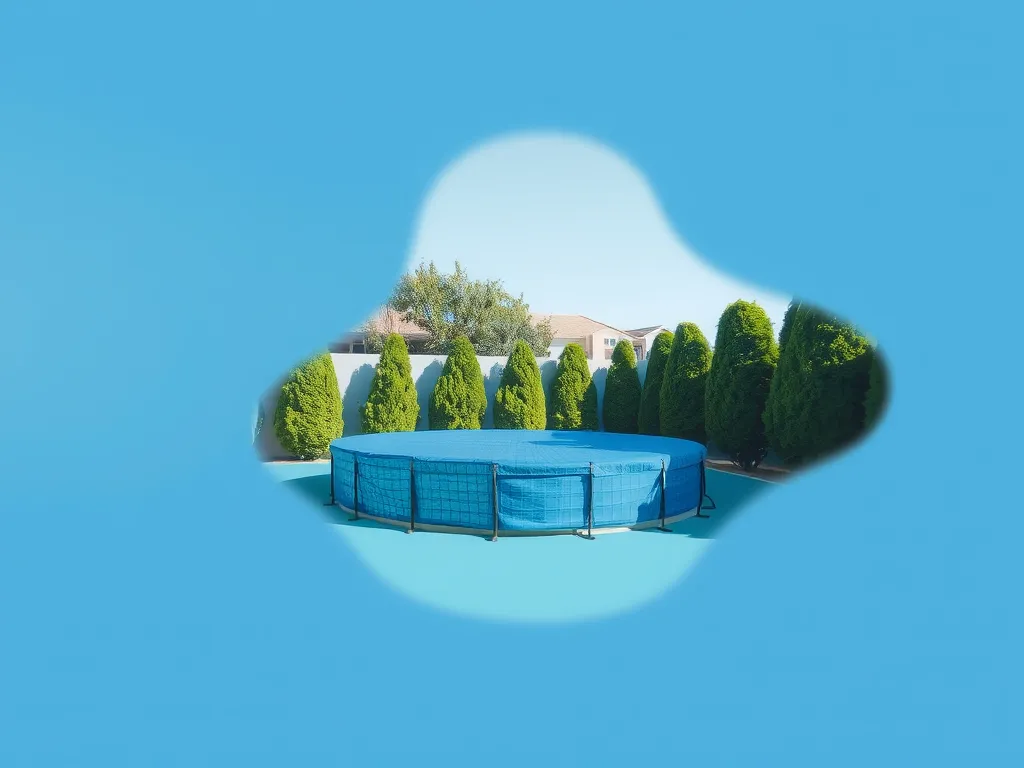
Solid covers block 100% of sunlight, stopping algae growth but need pumps to drain rain or melt water. Costs run $200-$500 for 18×36 ft pools. Mesh covers let water pass through but may allow tiny debris. They work best in areas with heavy snow loads since they don’t trap water. Use solid covers if fallen leaves in swimming pool are a big issue. However, both types of covers can experience sagging over time. Proper installation and regular maintenance are important to prevent sagging and ensure the cover remains effective.
Proper Install Techniques
Secure covers with water bags (fill 75% to avoid freeze bursts) or cable ties for hard tops. Leave no gaps—stretch the cover tight across the pool. For above-ground pools, use a winterizing pillow under the cover to stop ice from pushing on walls. Place it dead center with 1-2 inches of air space. Keeping your pool well-covered is essential for protection during the off-season. Installing an above-ground pool cover properly ensures safety and longevity for your pool.
Stop Water Buildup
Use a cover pump ($80-$150) to clear pools of rain or snow melt. Check every 2-3 weeks. For mesh covers, add a chlorine floater to keep water clean since small debris can sink through. Trim nearby trees to limit leaf drop on the cover.
Key Winter Pool Chemicals
Cold water still grows algae below 60°F. Winterizing chemicals slow this down and stop stains or scale build-up over months of no use.
Chlorine Stops for Cold Months
Use chlorine tabs with cyanuric acid (CYA) to keep levels at 3-4 ppm all winter. CYA acts as a “sunscreen” for chlorine, even in low light. Test CYA before closing—aim for 30-50 ppm. Too low? Add stabilizer. Too high? Drain 1/4 of the water.
Algae Killers for Long Haul
Polyquat 60% algaecide ($25-$40 per quart) works best for 3-6 months. Pour 1 oz per 10,000 gallons after shocking. Avoid copper-based types—they can stain plaster or vinyl. For salt pools, add extra algaecide since salt cells don’t run in cold temps. Keeping your saltwater pool free of algae is important for water clarity. An effective algaecide can help maintain the balance and health of your pool.
Winter Chemical Kits
Pre-made kits ($50-$90) include shock, algaecide, and stain guard. Look for ones with 4-in-1 tabs that handle chlorine, CYA, clarifier, and anti-scale. Store extras in a dry, cool spot—never leave liquids where they can freeze.
Above-ground Pool Winter Care
Vinyl walls and weaker frames need extra steps to handle ice, wind, and weight shifts during cold months.
Drop Water Levels Right
Lower water 4-6 inches below the skimmer. Use a sub pump or siphon hose—never drain fully. This stops ice from cracking skimmer boxes or liners. For pools with mesh covers, keep water 12-18 inches below the top rail to handle snow load. Properly draining the pool below the skimmer is vital for winter protection. It helps maintain the pool’s structure and prevents damage during freezing temperatures.
Winter Pillows Save Walls
Air pillows ($15-$30) shift ice pressure away from walls. Inflate to 75% capacity—cold air shrinks them. Tie the pillow to two sides of the pool with nylon rope. Check monthly for leaks and refill with a bike pump if needed. Having the right pool pillows can make a big difference in winter protection. Choosing good quality options ensures your pool stays safe and secure during the colder months.
Guard Walls From Ice Push
Wrap foam board (1-inch thick) around the top 2 feet of walls under the cover. Tape seams with duct tape. For extra safety, place sandbags (20-40 lbs) around the base to stop wind lift. Remove any ice chunks over 1 inch thick with a pool rake.
While these steps guard your pool through winter, keeping it algae-free needs more tricks. Next up: smart ways to fight off gunk without daily work.

Preventing Algae and Debris Buildup
Keep your pool safe from green growth and trash while closed. Focus on three key steps to stop issues before spring.
Regular Cover Cleaning
Clear dirt and rain puddles off your winter pool cover every 2-3 weeks. Use a soft broom or leaf blower for dry debris. For wet leaves, lift the edge slightly and scoop with a pool net. Clean covers stop sunlight from feeding algae under the surface. As winter ends, it’s essential to prepare your pool for the warmer months ahead. Taking these steps now will make cleaning your pool after winter much easier.
Using Floating Chlorinators
Add a slow-release chlorine floater to fight algae all season. These devices hold 3-inch chlorine tabs and work in water as cold as 40°F. Place one floater per 15,000 gallons to keep 1-3 ppm chlorine levels. Remove them once temps drop below freezing to avoid damage. Proper maintenance of your pool cover is also important in reducing buildup of pool cover algae. Regular cleaning and inspection can help prevent the buildup of pool cover algae.
Managing Fallen Leaves
Use a leaf net over solid covers to catch tree trash. Empty it weekly to stop rot and stains. For mesh covers, sweep leaves off fast after storms. Trim branches within 10 feet of the pool to cut leaf drop by 60%.
Monitoring and Adjusting During Cold Months
Winter pool care needs check-ups even when not in use. Set monthly tasks to avoid surprises.
Monthly Water Testing
Test pH and alkalinity every 30 days through skimmer openings or cover gaps. Keep pH 7.2-7.6 to stop metal stains. Use winter test strips that read down to 30°F. Add liquid acid or baking soda as needed – powders won’t mix well in cold water. It is also important to test pool alkalinity regularly. Proper alkalinity levels help maintain balanced pH and water quality.
Checking Cover Tension
Inspect cover straps and anchors after heavy snow or wind. Loose covers let in debris and risk tears. Tighten springs 1-2 inches if gaps form. For air pillows under covers, refill with a bike pump if they sag more than 50%.
Addressing Ice Formation
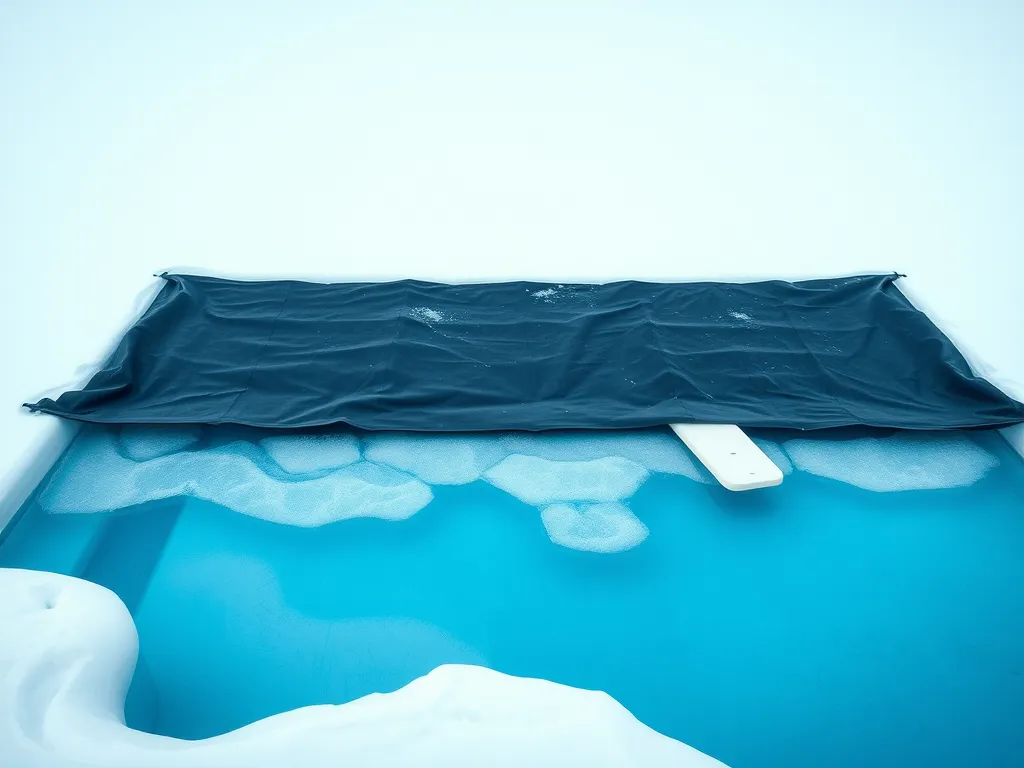
Never break ice on covers – it can rip liners. Melt thin layers with pool-safe ice melt (calcium chloride). For thick ice, lay a black tarp on the cover to speed thawing. Use ice compensators (foam boards) in skimmers to handle expansion.
Common Off-season Pool Care Mistakes
Avoid these errors that lead to spring repair bills over $500.
Neglecting Partial Water Replacement
Drain 4-6 inches of water if winter rains overfill the pool. High levels strain covers and let debris seep in. Use a submersible pump set 2 inches below the skimmer. Keep total dissolved solids under 1500 ppm to prevent scale. After these steps, it’s important to consider how the night rain affects your pool cover. Proper maintenance is essential to ensure your cover is effective during heavy rain at night.
Improper Chemical Storage
Store liquids like chlorine and algaecide in a dry spot above 50°F. Granular chems go in airtight bins off concrete floors. Never mix different product types – some combos can create toxic fumes or fires.
Ignoring Equipment Draining
Water left in pumps or heaters cracks housings when frozen. Blow out lines with a 6 HP air blower until no spray comes out. Remove drain plugs and store them in the pump basket so you don’t lose them.
With these steps handled, you’re ready to tackle the final phase of cold-weather prep.
Frequently Asked Questions
When is the Optimal Time to Begin Winterizing My Pool?
Start winterization when water temperatures consistently stay below 65°F (18°C) but before the first freeze. This typically falls between September and November in most climates. Closing too early risks algae growth, while delaying risks equipment freeze damage.
Can Automotive Antifreeze Be Used in Pool Plumbing?
No – only use NSF-certified pool antifreeze (safe pool antifreeze) (propylene glycol). Automotive antifreeze often contains ethylene glycol, which is toxic and can contaminate your pool system. Pool-specific formulas are non-toxic and designed for plumbing protection down to -50°F (-45°C). It’s important to choose the right products to keep your pool safe and functional. Using a safe pool antifreeze helps ensure everyone’s health and maintains the quality of your swimming environment.
How Can I Deter Rodents From Nesting in Pool Equipment?
Seal equipment compartments with steel wool, install ultrasonic repellents nearby, and place peppermint oil-soaked cotton balls around pipes. Remove vegetation near equipment pads and store winter chemicals in airtight containers to eliminate nesting incentives.
Is Complete Pool Drainage Ever Advisable During Winter?
Almost never. Empty pools risk structural collapse from groundwater pressure and can cause vinyl liners to shrink. Only partial drainage (4-6″ below skimmers) is recommended. Exceptions require professional assessment of hydrostatic relief systems.
What Should I Do if My Pool Cover Sustains Storm Damage?
Immediately patch tears larger than 2″ with waterproof cover tape. For extensive damage, use a temporary tarp weighted with water bags until you can replace the cover. Always remove debris from damaged areas to prevent further tearing.
Do Enzyme Cleaners Work Effectively in Cold Water?
Yes – modern enzyme formulas remain active down to 40°F (4°C). They break down organic debris 3x faster than chemicals alone in cold conditions. Use monthly doses of 8-16 oz depending on pool size to maintain effectiveness.
Closing Thoughts
Proper off-season pool care prevents spring headaches and extends your pool’s lifespan. From balancing chemicals to winterizing equipment, each step ensures a smoother reopening when warmer weather returns.
Remember that monthly checks during winter months help catch issues early. A well-maintained winter pool saves hundreds in potential repair costs and reduces cleanup time by up to 70% come spring.
For precise chemical measurements and customized maintenance schedules, try our My Pool Calculator. It simplifies winter prep with accurate dosing recommendations based on your pool’s specific dimensions and conditions.
Stay proactive with these winter care strategies, and you’ll enjoy crystal-clear water when swim season begins again.
Useful References for You:
- PoolPro Magazine (Industry News & Technical Articles)
- 10 Off Season Pool Care Tips by Swim University – South Shore Pool Supply
- 10 Important Off Season Pool Care Tips From The Experts – Envision Pools
- 11 Off Season Pool Care Tips (Winter Pool Maintenance Guide)
- Winter Pool Maintenance: 7 Off Season Pool Care Pro Tips
A pool care geek who’s been testing water chemistry since she was tall enough to reach the skimmer.
Seasonal Care, Winterizing