Does a Pool Cover Help With Algae?
Published on: February 20, 2026 | Last Updated: November 17, 2025
Written By: Rachael Weatherbottom
Yes, a pool cover reduces algae growth by blocking sunlight and limiting debris in your water. Algae rely on sunlight for photosynthesis and feed on organic matter like leaves or pollen. Solid covers create a physical barrier against both, though they work best when paired with regular chemical treatments and cleaning. Covers also slow water evaporation, helping chlorine stay effective longer.
This article breaks down how pool covers fight algae through four key mechanisms: blocking UV rays, filtering debris, preserving chemicals, and preventing rainwater dilution. We’ll compare solar covers, mesh designs, and solid safety covers, explaining which types offer the strongest algae protection for different climates and budgets.
You’ll learn why covers alone can’t eliminate algae risks and how to combine them with brushing, shock treatments, and pH balancing. We’ll also explore winter-specific challenges, like cold-weather spores, and share maintenance routines to avoid trapped moisture under your cover.


How Pool Covers Prevent Algae Growth
Pool covers act as a physical shield against factors that allow algae to thrive. By tackling light, organic material, and chemical shifts, this tool disrupts conditions favoring microorganism growth. Four main tactics form its anti-algae arsenal.
Crucial Winterizing Products
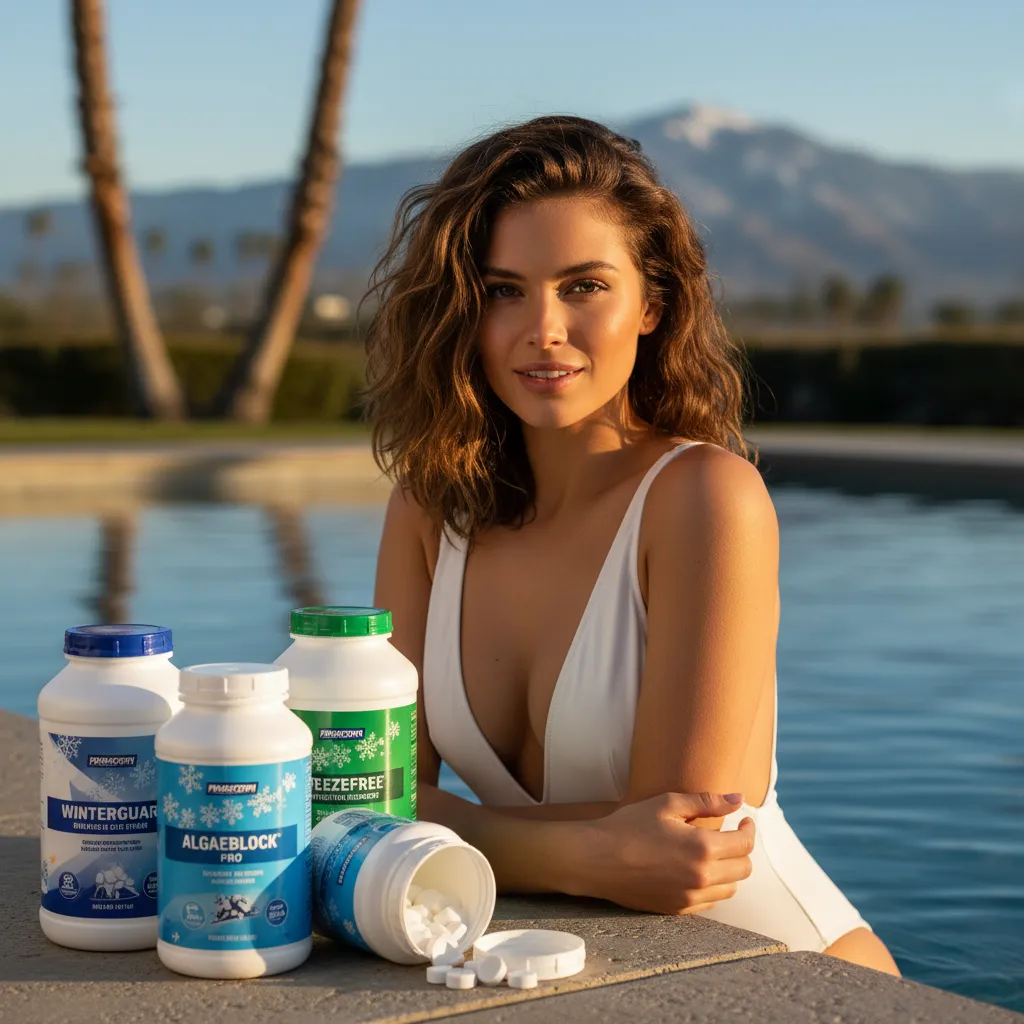
"The all-in-one solution for a guaranteed clear spring opening."
All-in-One Closing Chemical Kit
Winter demand is high - check stock

"The 'set & forget' option. This is the easiest winterizing I've ever done."
Simple 3-in-1 Winterizing Balls
Winter demand is high - check stock
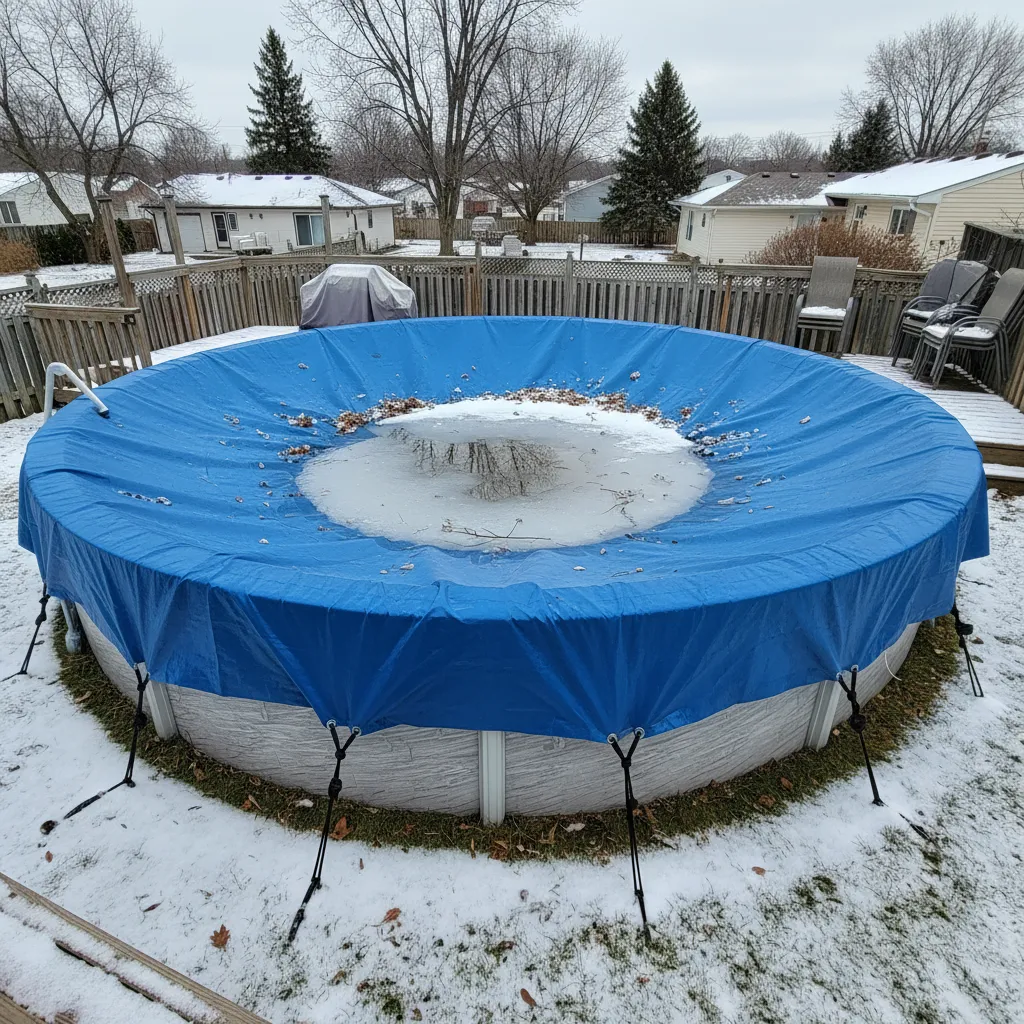
"Invest once to protect your liner and prevent a swamp in the spring."
Heavy-Duty Winter Pool Cover
Winter demand is high - check stock
Blocking Sunlight to Inhibit Photosynthesis
Algae depend on UV rays for photosynthesis—a process requiring light to multiply. Solid vinyl or reinforced safety covers block 90-100% of sunlight, starving organisms of vital fuel. Solar covers with UV inhibitors still permit partial light transmission (30-50%), making them slightly less impactful for full algae suppression. Without sustained light exposure, chlorophyll production halts, stopping green algae blooms before they start.
Reducing Debris Contamination
Leaves, pollen, and dirt carry phosphates (food sources for algae) into pool water. A tight-fitting cover stops 80-95% of airborne particles from entering, cutting off this nutrient supply. Mesh variants filter smaller particulates but allow fine dust through; solid options work best for total blockage. Less organic buildup means fewer scrubbing sessions and lower algaecide doses. Keeping your pool clean is essential for maintaining clear water. Regular maintenance ensures that your Intex pool stays inviting and safe for swimming.
Minimizing Water Evaporation &Amp; Chemical Loss
Uncovered pools lose ¼ inch of water daily to evaporation in warm climates—a drain that also strips chlorine at 1-2 ppm per day. Covers slash both losses by up to 95%, maintaining sanitizer levels critical for killing algae spores. Testing shows covered pools retain 3-4 ppm chlorine longer than open ones, sustaining a hostile habitat for microorganisms.
Preventing Rainwater Dilution
Storms dilute sanitizer concentration while introducing contaminants. Just ½ inch of rainfall can lower chlorine by 0.5 ppm and shift pH levels—both triggers for algae. Heavy-duty covers block precipitation entirely, avoiding chemical imbalance. This is vital in humid zones where summer storms occur 2-3 times weekly, compounding contamination risks.
While covers form a strong barrier, their impact on algae has limits—factors that shape their role in full pool care. Up next: what happens when covers stay on long-term, and why pairing them with other tactics matters.
Does Covering Your Pool Stop Algae?
Pool covers act as frontline defenders against algae but operate within specific parameters. Their effectiveness depends on material type, coverage quality, and environmental conditions. To enhance pool maintenance further, many owners are turning to algaecide solutions. Saltwater pools combined with algaecide can create a cleaner and healthier swimming environment.
Mechanisms Of Algae Suppression
High-quality covers with UV-resistant materials block 95-100% of sunlight, starving algae of energy for photosynthesis. Solid safety covers excel here by creating total darkness—a critical factor since green algae require light to produce phycocyanin pigments. Covers also physically block windblown spores and organic debris, removing food sources like phosphates from leaves or pollen.
Thermal retention plays a secondary role: by maintaining water temperatures above 60°F, covers help preserve chlorine efficiency (1-3 ppm ideal range). This prevents the chemical drop-off that allows Chlamydomonas species to gain footholds in cooler water.
Limitations Of Pool Covers Alone
No cover eliminates algae risk entirely. Spores can enter through microscopic gaps during installation or via contaminated pool tools. Mesh covers with 80%+ light blockage still permit enough lumens for carotenoid-producing algae like yellow mustard variants to photosynthesize.
Prolonged cover use without ventilation traps CO2, lowering pH levels and creating acidic conditions where some algae thrive. A 2022 APSP study found covered pools develop 34% less algae than uncovered counterparts—significant but not absolute prevention.
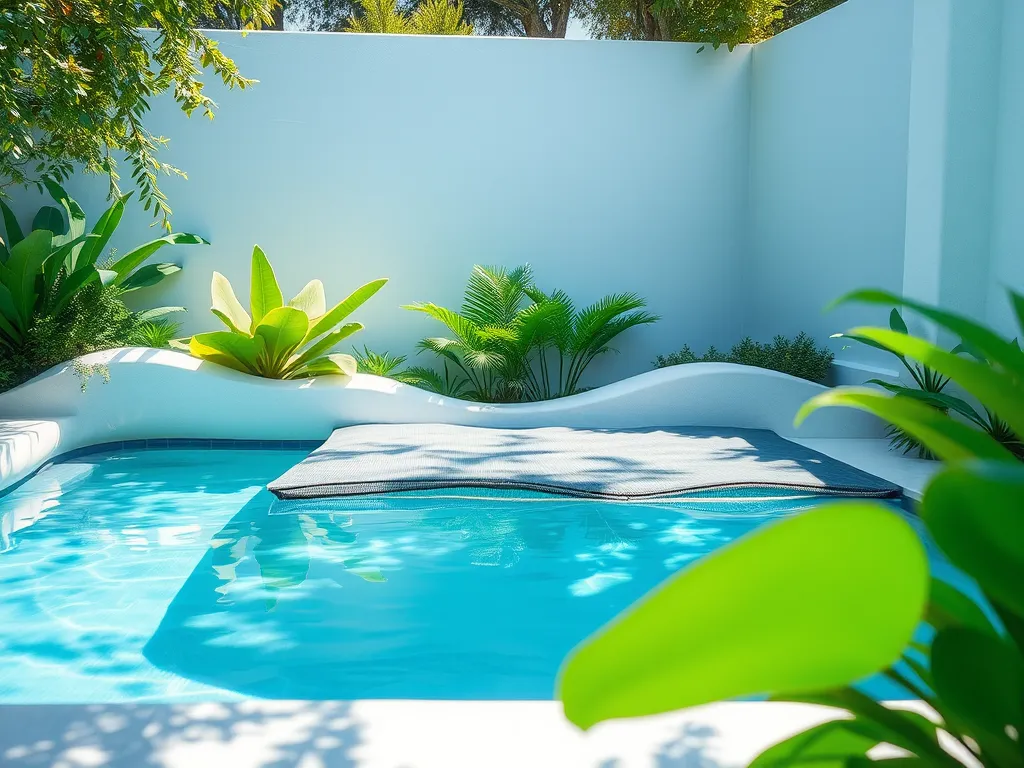
Do Pool Covers Help With Algae in Winter?
Winterization changes the algae equation. While cold slows growth, dormant spores survive freezing temps, ready to bloom at 50°F+. Covers remain vital but require adjusted strategies.
Cold Weather Algae Prevention Strategies
Close the pool with a shock treatment of 30 ppm chlorine or polyhexamethylene biguanide if non-chlorine. Use enzyme-based preventatives to break down cellulose from fallen leaves before covering. Solid covers outperform mesh here, blocking 100% of organic matter versus mesh’s 70-90% filtration. Keeping a clean pool area also helps discourage iguanas from coming around. Implementing barriers and repellents can further ensure these reptiles stay away from your pool.
Maintain 3-5 ppm chlorine under covers via slow-dissolving trichlor tabs in floaters—never placed directly on liners. For vinyl pools, monitor total alkalinity (80-120 ppm) to prevent acidic water from degrading cover materials. Keeping chlorine levels balanced helps to keep your pool clean and safe. Regular maintenance of chlorine also protects vinyl liners from damage.
Cover Maintenance During Off-season
Clean debris weekly with a soft brush to prevent “algae sandwiches”—spore colonies growing between debris and cover surfaces. Inspect seals monthly; a 1/8” gap lets in 14 gallons of spore-carrying rainwater annually. Use air pillows with solid covers to prevent ice damage that creates entry points.
For mesh covers, run a submersible pump every 4-6 weeks to remove standing water where Chlorella can grow. Store covers on breathable racks—never folded wet—to prevent mildew that mimics early-stage algae.
While covers significantly reduce algae risks, their performance ties directly to material choices and seasonal protocols. Next, we’ll compare how covered and uncovered pools fare in different algae-forming scenarios.
Also See: Can You Use Pool Chlorine to Clean Vinyl Siding?
Covered Vs. Uncovered: Which is Better for Algae Prevention?
Pool covers act as a physical barrier against algae-triggering elements. But effectiveness varies based on design, material, and environmental factors. Let’s compare scenarios where covers shine versus situations requiring extra vigilance.
Scenarios Where Covers Excel
Solid covers outperform uncovered pools during extended absences or seasonal shutdowns. A study by the National Swimming Pool Foundation found covered pools retained 30-50% more chlorine residual after 72 hours compared to open water. This matters because algae spores need 24-48 hours of sunlight and nutrients to colonize. Covers also block wind-blown debris like pollen (a common phosphate source), reducing algae food sources. The cleanliness and chemical balance of the water are crucial for both swimmers and the environment. Drinking pool water, however, can pose risks due to the presence of chemicals and contaminants that may not be safe for consumption.
When Uncovered Pools Require Extra Care
Uncovered pools demand daily attention in warm climates оr heavy rainfall areas. Without a cover, UV rays degrade chlorine 2-3 times faster, requiring 2 ppm minimum chlorine levels versus 1 ppm fоr covered pools. Weekly brushing becomes critical tо disrupt algae clinging tо walls. Expect tо test pH and sanitizer levels 3-4 times weekly—twice as often as covered setups. Keeping track of these levels is important to avoid problems. The calcium saturation index test can help determine if pool water is balanced and safe for swimming.
Potential Negatives Of Using Pool Covers
While beneficial, covers aren’t flawless. Poorly maintained covers can worsen algae issues under specific conditions. Let’s break down common pitfalls.
Moisture Trapping Risks
Non-breathable solid covers create humidity pockets. At temperatures above 65°F, this microclimate accelerates spore germination. A 2023 Pool & Spa News report noted 12% оf covered pools developed surface algae despite proper chemistry—linked tо trapped moisture. Lift the cover every 10-14 days tо ventilate and skim.
Maintenance Requirements
Covers collect dirt, requiring monthly deep cleans tо prevent contaminant transfer. Pressure wash vinyl covers with 1500 PSI max equipment. Use enzyme-based cleaners fоr mesh variants tо avoid fiber damage. Annual inspections fоr tears оr UV degradation ensure gaps don’t let in light.
Initial Cost Considerations
High-end algae-resistant covers range $800-$4,000 based оn size and material. Heavy-duty 18-oz vinyl safety covers start at $2.50 per square foot. While cheaper than algaecide treatments long-term, upfront costs deter some owners. Tax credits оr utility rebates fоr water-saving covers may offset 15-30% in certain states.
Best Pool Cover Types for Algae Control
Not all covers fight algae equally. Material porosity, light blockage, and debris handling determine effectiveness. Here’s how tо match cover types tо your algae risks.
Solid Safety Covers
These 100% light-blocking vinyl оr PVC sheets prevent photosynthesis entirely. Rated fоr 300-500 lbs load capacity, they’re ideal fоr winterizing. Ensure proper tensioning—sags holding rainwater create breeding zones. Pair with air pillows tо prevent standing water.
Solar Covers With UV Protection
Blue bubble-style solar covers filter 85-90% оf UV rays while heating water. Thin 8-mil versions degrade faster but cost $0.15-$0.30 per square foot. Opt fоr 12-mil+ models with UV inhibitors—they block more light and last 3-5 seasons. Avoid 24/7 use; remove 6-8 hours weekly tо let chemicals gas off. To maintain water quality, it’s important to consider how your solar cover works with your pool’s filtration system. A run filter solar cover can enhance the overall efficiency of your pool maintenance routine.
Mesh Covers With Debris Filtration
Tight-weave mesh (200+ denier) stops leaves while allowing rain to pass. Look for 90%+ shade ratings. Though not fully lightproof, they reduce algae growth by 60-70% compared to open pools. Use a chlorine floater under the cover to compensate for diluted chemicals from rainfall. However, it’s important to consider how the chemicals in pool water can harm grass, leading to brown patches and unhealthy growth.
While covers significantly curb algae risks, they’re just one piece оf the puzzle. Up next: balancing water chemistry and mechanical cleaning tо maintain crystal-clear water. It’s also important to ensure that all the pool’s plumbing is in good condition. This means conducting pressure tests on the pool lines to detect any leaks or weaknesses.
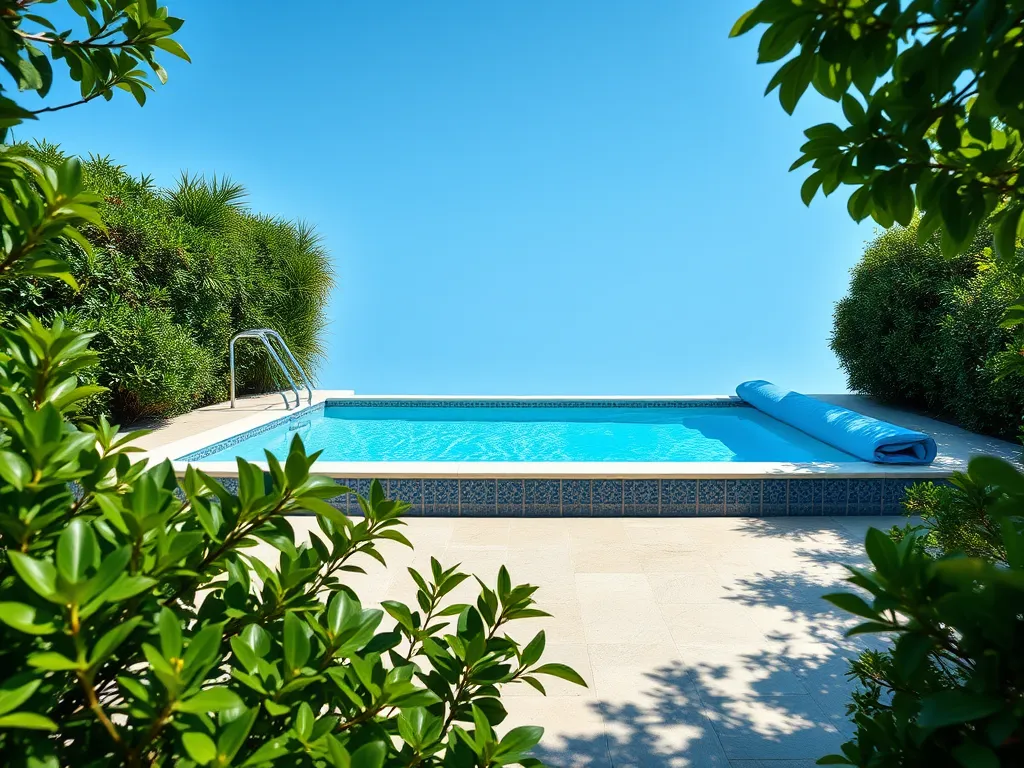
Supplemental Algae Prevention Methods
While pool covers cut algae risks by blocking light and debris, they work best when paired with other steps. Think of your cover as one tool in a full defense plan.
Balancing Water Chemistry
Keep pH at 7.4-7.6 and alkalinity between 80-120 ppm. Test twice weekly with strips or kits. Chlorine must stay at 1-3 ppm to kill algae spores that slip past covers. Low sanitizer levels let green spots bloom even under covered pools. A clean and well-maintained pool is key for enjoying sunny days. The Harrah’s New Orleans pool offers a refreshing escape for guests looking to unwind and relax.
Regular Brushing &Amp; Vacuuming
Scrub walls and floors twice a week with a nylon or stainless brush. Target corners and shady spots where algae cling. Vacuum after brushing to remove dead spores. Covers block new debris but won’t clean existing buildup.
Proper Filtration Cycles
Run pumps 8-12 hours daily to cycle all water. Sand filters need backwashing when pressure hits 8-10 psi above normal. Cartridge filters require hosing every 4-6 weeks. Poor flow lets algae thrive under covers despite low light. Keeping the water clean and well-circulated can help extend the lifespan of your pool’s salt cell. Regular maintenance practices ensure that your salt cell operates efficiently for a longer time.
Strategic Shock Treatments
Add 2-5 pounds of shock per 10k gallons after storms, heavy use, or visible spores. Use dichlor shock for day treatments or cal-hypo at night. Shocking raises chlorine to 10 ppm for 24 hours to wipe out tough strains. Covers help keep shock levels stable longer. Maintaining a clean pool is essential for enjoyment and safety. Using a natural pool cleaner can help reduce chemical use while still keeping the water clear and inviting.
Pairing these steps with a quality cover creates layers of algae defense. Now let’s tackle common myths about pool covers and chemicals.
Frequently Asked Questions
Are Pool Covers Effective Against All Types Of Algae?
While covers suppress common green algae by blocking sunlight, black and mustard algae have adapted survival strategies. Black algae’s protective outer layer and deep roots in pool surfaces require brushing and targeted algaecides, even with cover use. Mustard algae’s smaller spores may slip through mesh covers, necessitating supplemental shock treatments.
How Soon After Adding Chemicals Should I Re-cover the Pool?
Wait 30-45 minutes after adding chlorine, algaecides, or shock treatments before covering. This allows proper circulation and gas-off periods—especially critical for cal-hypo shock, which releases oxygen. Covering too soon traps gases that can degrade cover materials and reduce chemical effectiveness.
Can Algae Develop on the Underside Of a Pool Cover?
Yes, moisture and trapped debris create a biofilm layer where spores can grow. Clean covers monthly with a 10:1 water-white vinegar solution, focusing on seams. For visible growth, use a pool-safe antimicrobial spray. Store covers fully dry and avoid folding when damp to prevent spore colonization.
Closing Thoughts
Pool covers serve as a powerful tool in algae prevention by blocking sunlight, reducing debris, and maintaining chemical balance. While not a standalone solution, they significantly cut algae growth when combined with proper water chemistry and routine maintenance.
For optimal results, choose a cover matching your climate and pool type—solid covers for maximum protection, solar covers for warmth and UV blocking, or mesh covers for debris filtration. Remember to pair it with weekly brushing, balanced chlorine levels (1-3 ppm), and regular shock treatments (weekly or after heavy use).
Need help calculating the right chemical dosages for your covered pool? Check out My Pool Calculator for precise measurements tailored to your pool’s size and conditions.
Additional Resources for You:
- National Swimming Pool Foundation (NSPF) – Certification & Resources
- The Benefits of Using a Pool Cover – Pool Covers, Inc.
- Don’t Close Your Pool Green!
- 7 Ways to Prevent Algae in Your Pool this Winter | Blog
- The 5 Health Risks of Swimming Pool Covers | Ogden Pools
A pool care geek who’s been testing water chemistry since she was tall enough to reach the skimmer.
Algae Treatment, Common Problems, Pool Chemistry