Can You Put Regular Clorox in a Pool? Here’s What You Need to Know
Published on: January 27, 2026 | Last Updated: November 17, 2025
Written By: Rachael Weatherbottom
Regular Clorox bleach can technically sanitize pool water because it contains sodium hypochlorite—the same active ingredient in liquid pool chlorine. But unlike pool-grade chlorine, Clorox bleach includes additives like thickeners, fragrances, and polymers that harm pool surfaces and equipment. Household bleach also lacks stabilizers like cyanuric acid (CYA), which protect chlorine from rapid sun degradation. For a 10,000-gallon pool, you’d need roughly 1 gallon of 6% Clorox to raise chlorine by 5 ppm, but this risks cloudy water, algae outbreaks, and corrosion.
This article breaks down the science behind using household bleach in pools, including how its chemical makeup differs from pool chlorine. You’ll learn why Clorox’s additives damage filters, liners, and pumps over time and how unstabilized chlorine fails to protect against UV loss. We’ll also explore how bleach impacts pH and alkalinity compared to stabilized chlorine tablets or granules.
From step-by-step dosing guides to cost breakdowns, we cover safe alternatives like calcium hypochlorite and non-chlorine shock. You’ll see real data on how much more bleach you’ll need versus pool-specific products and why short-term savings often lead to expensive repairs. Whether you’re dealing with algae or balancing pH, we’ll help you decide if Clorox is worth the risk.
Is Regular Clorox Bleach Safe for Pool Use?
Many pool owners wonder whether pouring regular Clorox bleach into their pool can serve as a substitute for pool-grade chlorine. While both products contain sodium hypochlorite, the similarities end there. Pool maintenance requires precise chemical balance, and household bleach lacks components critical for safe, sustained water treatment.
Crucial Winterizing Products
"The all-in-one solution for a guaranteed clear spring opening."
All-in-One Closing Chemical Kit
Winter demand is high - check stock

"The 'set & forget' option. This is the easiest winterizing I've ever done."
Simple 3-in-1 Winterizing Balls
Winter demand is high - check stock
"Invest once to protect your liner and prevent a swamp in the spring."
Heavy-Duty Winter Pool Cover
Winter demand is high - check stock
Why Regular Clorox Isn’t Recommended for Pools
Regular Clorox bleach typically contains 6-8.25% sodium hypochlorite, while pool chlorine ranges from 10-12.5%. The lower concentration means you’d need nearly double the volume of bleach to match standard pool chlorine’s sanitizing power. Household bleach also lacks stabilizers like cyanuric acid, which shields chlorine from UV degradation. Without this protection, sunlight can break down 90% of bleach’s active chlorine within two hours on a sunny day, leaving your pool vulnerable to bacteria and algae.
Another issue stems from additives in Clorox products. Many variants contain thickeners, fragrances, or surfactants designed for laundry use. These can create foamy water, clog filters, or leave residues on pool surfaces. Pool-grade chlorine undergoes strict formulation to avoid these contaminants, ensuring compatibility with pumps, heaters, and vinyl liners.
Potential Health and Equipment Risks
Using Clorox bleach in pools introduces several hazards. The high pH of household bleach (11-13) can spike pool water’s alkalinity, leading to scaling on tiles or equipment. Over time, this buildup can reduce heater efficiency by 15-20% and damage saltwater chlorine generators. Additives like sodium hydroxide in bleach also accelerate corrosion of metal ladder components or pool lights.
From a health perspective, improperly balanced bleach-treated water can cause skin rashes or eye irritation. The CDC recommends maintaining 1-3 ppm free chlorine in pools, but achieving this with bleach requires frequent testing and adjustment due to its unstabilized formula. A single miscalculation could result in chlorine levels spiking beyond 5 ppm, creating unsafe swimming conditions.
Next, let’s examine how regular bleach compares to pool-specific chlorine products in terms of chemical makeup and performance.
Regular Clorox Vs. Pool Chlorine: Key Differences
While both products aim to kill germs, their formulas vary in ways that matter for pools. Let’s break down what sets them apart.
Chemical Composition Of Household Bleach Vs. Pool Chlorine
Regular Clorox bleach has sodium hypochlorite (NaClO) as its main part, with 6-8.25% strength. Pool chlorine uses either liquid sodium hypochlorite (10-12.5%) or solid forms like calcium hypochlorite (65-75%). The higher strength in pool products means less liquid is needed to hit target chlorine levels. This is important when managing water quality in pools. Using these chemicals can help control unwanted organisms, like tadpoles, in the water.
Additives and Stabilizers in Pool-specific Chlorine
Pool chlorine has cyanuric acid (CYA), a UV shield that slows chlorine loss from sunlight. Most house bleach lacks CYA, so chlorine burns off faster. Some pool tabs also have algaecides or clarifiers to stop cloudy water. These extras aren’t in store-bought bleach. The relationship between chlorine and cyanuric acid is crucial for maintaining pool chemistry. When CYA is present, it helps keep chlorine levels stable, ensuring effective sanitization.
How Bleach Affects Pool Water Chemistry
Using Clorox in pools changes water balance in ways you must track. Here’s what happens once bleach hits the water.
Impact on Ph and Alkalinity Levels
House bleach has a high pH (11-13), which can push pool pH up. For each gallon of 6% bleach in a 10k-gallon pool, pH may rise by 0.2-0.3. High pH lowers chlorine power and can cause scale on tiles. You’ll need more muriatic acid to fix this shift.
Does Bleach Effectively Kill Algae in Pools?
Bleach can kill green algae if you use enough. To treat a mild bloom, add 3 gallons of 6% bleach per 10k gallons. But bleach works best for small issues—it lacks the boosters found in algaecides for tough cases like black algae.
Using Bleach to Treat Pool Algae: Limitations
Bleach alone won’t stop algae from coming back. Without CYA, sunlight eats up free chlorine fast, leaving the pool at risk. You might also see cloudy water since bleach doesn’t bind to dirt like polyquat algaecides. For heavy growth, combo treatments work better. Keeping the water clean and balanced is essential for maintaining a healthy environment. A clean pollen pool reduces allergens and creates a more enjoyable swimming experience.
Now that we’ve seen how bleach changes pool chemistry, let’s explore safe ways to add it if you choose this route.
Also See: Can You Swim With Floc in the Pool? Know This
Step-by-step Guide to Using Bleach in Pool Maintenance
While regular Clorox bleach isn’t designed for pools, some homeowners use it temporarily for chlorination. Precision matters to avoid water imbalance or equipment damage. Follow these steps carefully if choosing this route. It’s also important to check the salt level in your pool. Checking the salt level ensures that your pool water stays balanced and safe for swimming.
How Much Bleach to Add for a 10,000-gallon Pool
Standard Clorox bleach contains 6-8.25% sodium hypochlorite. To raise free chlorine by 1 ppm in a 10,000-gallon pool, add 10-13 fluid ounces. Test levels first with a kit, aiming for 1-3 ppm. Avoid exceeding 5 ppm to prevent irritation or surface damage.
| Current Chlorine Level | Bleach Needed for 1 ppm | Bleach Needed for 3 ppm |
|---|---|---|
| 0 ppm | 10-13 oz | 30-39 oz |
| 1 ppm | 10-13 oz | 20-26 oz |
Shocking a Pool With Bleach: Dosage and Process
Shocking requires 10-12 ppm chlorine. For a 10,000-gallon pool, this means adding 1.25-1.5 gallons of 6% bleach at sunset. Circulate water for 4-6 hours, then retest. Never swim until levels drop below 5 ppm.
Granulated Chlorine vs. Liquid Bleach for Shocking
Calcium hypochlorite granules (65-75% strength) dissolve slower but stabilize pH better. Liquid bleach acts faster but lacks stabilizers like cyanuric acid, which shield chlorine from UV degradation. For weekly maintenance, pool-specific products prevent rapid chlorine loss.
Risks Of Using Regular Clorox in Swimming Pools
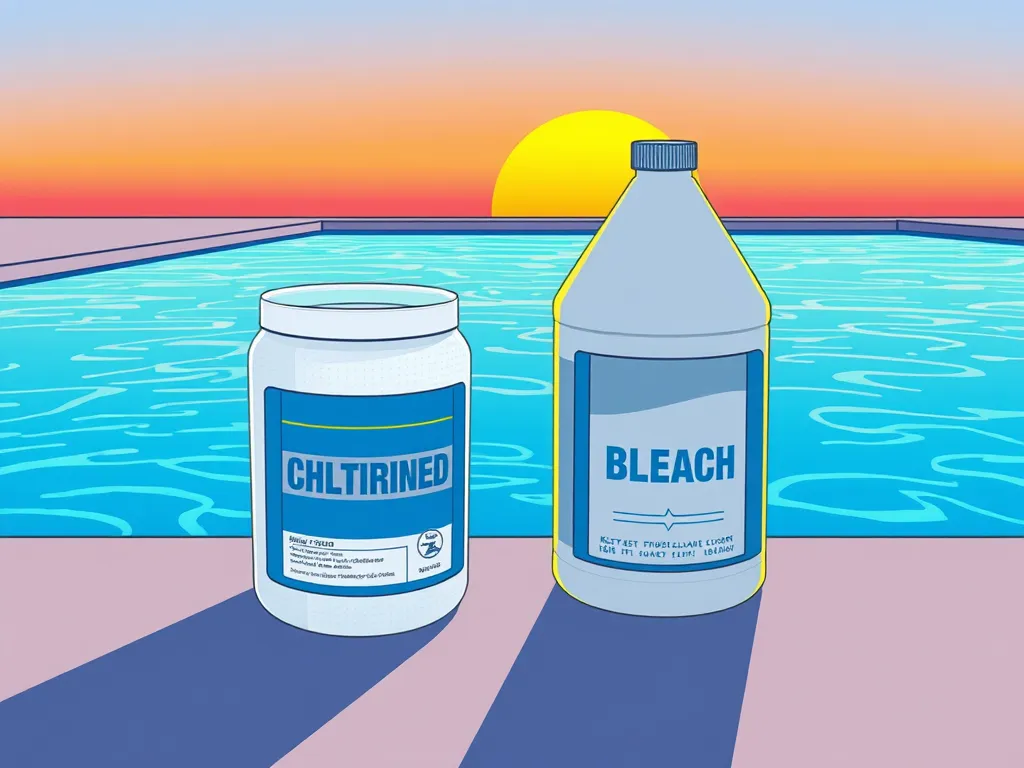
Household bleach introduces additives that disrupt pool systems. Fragrances, thickeners, and sodium hydroxide (pH 11-13) create long-term issues even if chlorine levels seem correct.
Corrosion Of Pool Equipment and Surfaces
High pH in Clorox bleach accelerates corrosion. Metal ladders, pump seals, and heater coils degrade faster. Plaster surfaces may etch, while vinyl liners become brittle. Repeated use can shorten equipment lifespan by 30-50%.
Inconsistent Sanitization and Water Balance Issues
Without stabilizers, UV rays break down bleach chlorine 2-3x faster than stabilized pool products. This leads to algae blooms between treatments. Bleach also raises pH, requiring frequent acid adjustments—up to 16 oz of muriatic acid per gallon of bleach added.
| Additive | Clorox Bleach | Pool Chlorine |
|---|---|---|
| Stabilizer (Cyanuric Acid) | No | Yes |
| pH Level | 11-13 | 7-9 |
Alternatives to Regular Clorox for Pool Sanitization
Specialized products maintain water balance while reducing maintenance. Chlorine-based options mimic bleach’s sanitizing power without extra additives, while non-chlorine systems avoid pH swings entirely.
Calcium Hypochlorite and Liquid Chlorine Options
Liquid pool chlorine (10-12.5% sodium hypochlorite) has no thickeners. Calcium hypochlorite tablets (65% chlorine) dissolve slowly, ideal for floaters. Both include stabilizers to prevent UV loss, cutting chemical use by 40% versus bleach. Another popular option for pool sanitation is calcium hypochlorite. This chlorine type effectively maintains clean and clear water in swimming pools.
Non-chlorine Alternatives for Pool Care
Bromine tablets work at higher pH levels, reducing acid needs. Biguanide systems sanitize without chlorine, though they’re incompatible with traditional shocks. Saltwater generators produce chlorine naturally, maintaining 1-3 ppm automatically.
While bleach offers a quick fix, weighing these factors helps determine if it’s worth the trade-offs. Up next, we’ll break down the true costs of using household bleach versus dedicated pool chemicals. When caring for your pool, it’s also important to consider all the materials you need. One helpful tool is a pool sand calculator, which can assist you in figuring out how much sand to use for your filter.
Cost Comparison: Regular Bleach Vs. Pool Chlorine
Pool owners often weigh the price of regular Clorox bleach against pool-grade chlorine. While both contain sodium hypochlorite (the active sanitizer), key differences in strength and additives impact both cost and results. When considering pool maintenance, it’s also important to focus on safety. Ensuring that pool antifreeze is safe for your pool can help protect your investment during colder months.
Short-term Savings Vs. Long-term Effectiveness
A jug of regular bleach (6% strength) costs $4-$6 for 121 oz. Pool chlorine (10-12.5% strength) runs $6-$8 per gallon. At first glance, bleach seems cheaper. But pool chlorine packs 2x the strength, so you use half as much. For a 10k-gallon pool, 1 gallon of 6% bleach raises free chlorine by 5 ppm. The same effect needs just 0.5 gallons of 12.5% pool chlorine. Along with these options, many pool owners also consider using baking soda. Baking soda can help balance pH levels and create a healthy swimming environment.
Bleach lacks stabilizers like cyanuric acid (a sun shield) found in pool chlorine. Without it, UV rays break down bleach faster. This means adding 2-3x more bleach per week to keep levels safe. Over a month, costs can climb past pool chlorine prices. When considering pool maintenance, many opt for bleach pool due to its lower initial cost. However, a bleach pool may end up being more expensive over time due to the frequent additions needed.
Hidden Costs Of Using Household Bleach
Regular Clorox has extra additives for home use, like thickeners and scents. These can:
- Cloud pool water
- Wear down pump seals and vinyl liners
- Alter pH, needing more acid or soda ash to fix
Tests show bleach raises pH by 0.8 per 1 ppm chlorine added. Pool chlorine has a smaller pH spike (0.4 per 1 ppm). Fixing imbalanced water costs $10-$30 in extra chemicals monthly. Damaged gear, like a $200 heater or $150 liner, adds more. Keeping your pool water balanced is important for both safety and comfort. Adding a phosphate remover can help prevent algae growth and maintain water clarity.
While bleach might cut costs today, pool chlorine saves time and cash over weeks. Up next: answers to common questions on bleach use in pools.
FAQs About Using Bleach in Pools
How Frequently Should I Add Bleach to Maintain Chlorine Levels?
Because household bleach lacks stabilizers like cyanuric acid, sunlight degrades its chlorine content rapidly. In outdoor pools, you may need to add bleach daily—or even twice daily in intense UV conditions—to maintain 1-3 ppm free chlorine. Indoor pools might require every other day. Always test levels before each addition.
Can Scented or Splashless Clorox Variants Damage Pool Equipment?
Yes. Scented bleaches contain fragrances that create foamy water and clog filters, while splashless formulas have thickeners that coat pool surfaces and equipment. These additives can reduce pump efficiency by 15-25% over time and leave oily residues on liner seams.
What Immediate Steps Should I Take if I Overdose My Pool With Bleach?
First, turn off circulation to prevent uneven distribution. Test chlorine levels—if above 5 ppm, add sodium thiosulfate (chlorine neutralizer) at 1 oz per 10k gallons to lower by 1 ppm. Alternatively, partially drain and refill the pool with fresh water. Avoid swimming until levels drop below 5 ppm. Keeping track of your pool’s chemical balance is important for safety and maintenance. Regularly measure pool chemicals to ensure a clean and safe swimming environment.
How Does Using Bleach Compare to Saltwater Chlorination Systems?
Saltwater systems generate chlorine naturally through electrolysis, maintaining steady 1-3 ppm levels automatically. They avoid bleach’s pH spikes (saltwater pools typically run at 7.2-7.6 pH) and eliminate daily dosing. Initial setup costs are higher, but long-term savings on chemicals and equipment repairs often offset this. After adding chemicals to a pool, it’s important to wait before swimming. This ensures that the chemicals have properly mixed and are safe for swimmers.
Closing Thoughts
While regular Clorox bleach can technically sanitize pool water in a pinch, it’s not the best long-term solution. The lack of stabilizers, potential for equipment damage, and unpredictable impact on water chemistry make it a risky choice. Pool-specific chlorine products like calcium hypochlorite or liquid chlorine offer better control and safety.
For precise dosing and water balance tips, check out My Pool Calculator. Our tools help you maintain ideal chlorine levels without guesswork—whether you’re shocking your pool or tackling algae. Stick to products designed for pools, and you’ll avoid costly repairs and cloudy water.
Useful References for You:
- ASTM International – Pool & Spa Standards
- Using Bleach to Maintain a Crystal-Clear Swimming Pool
- Can You Put Bleach in a Pool to Keep It Clean?
- OK to use this Clorox bleach? | Trouble Free Pool
- Can I Use Bleach Instead of Chlorine to Clean My Swimming Pool?
A pool care geek who’s been testing water chemistry since she was tall enough to reach the skimmer.
Chlorine, Pool Chemistry, Sanitizers