Can You Add Shock to a Saltwater Pool? Let’s Break It Down
Published on: January 5, 2026 | Last Updated: November 17, 2025
Written By: Rachael Weatherbottom
Yes, you can shock a saltwater pool with chlorine-based products like liquid chlorine or calcium hypochlorite. Saltwater pools produce chlorine naturally through a salt cell, but shocking remains critical for killing bacteria, breaking down organic waste, and restoring water clarity. The process requires specific timing around salt additions and careful chemical selection to protect your pool equipment and swimmers.
This guide explains how saltwater pool shocking differs from traditional chlorine pools. You’ll learn which shock types work best, why non-chlorinated options risk damaging your system, and how to time treatments after adjusting salt levels. We’ll compare liquid versus granular chlorine for cost, ease of use, and effectiveness in saltwater environments.
Discover step-by-step instructions for testing water chemistry, adjusting your chlorinator, and applying shock safely. We’ll clarify common confusion points like shocking before versus after adding salt, managing wait times for swimming, and avoiding conflicts between your salt system and shock treatments. Troubleshooting tips for cloudy water and equipment protection are also included.
Can You Shock a Saltwater Pool?
Yes, you can shock saltwater pools. Even with a chlorinator making chlorine, shock helps clear bad stuff fast. Think of it like a reset button when your water looks dull or tests show low free chlorine. Knowing when to over shocking your pool can make a big difference. Over shocking helps ensure your pool stays clean and safe for swimming.
Crucial Winterizing Products
"The all-in-one solution for a guaranteed clear spring opening."
All-in-One Closing Chemical Kit
Winter demand is high - check stock

"The 'set & forget' option. This is the easiest winterizing I've ever done."
Simple 3-in-1 Winterizing Balls
Winter demand is high - check stock
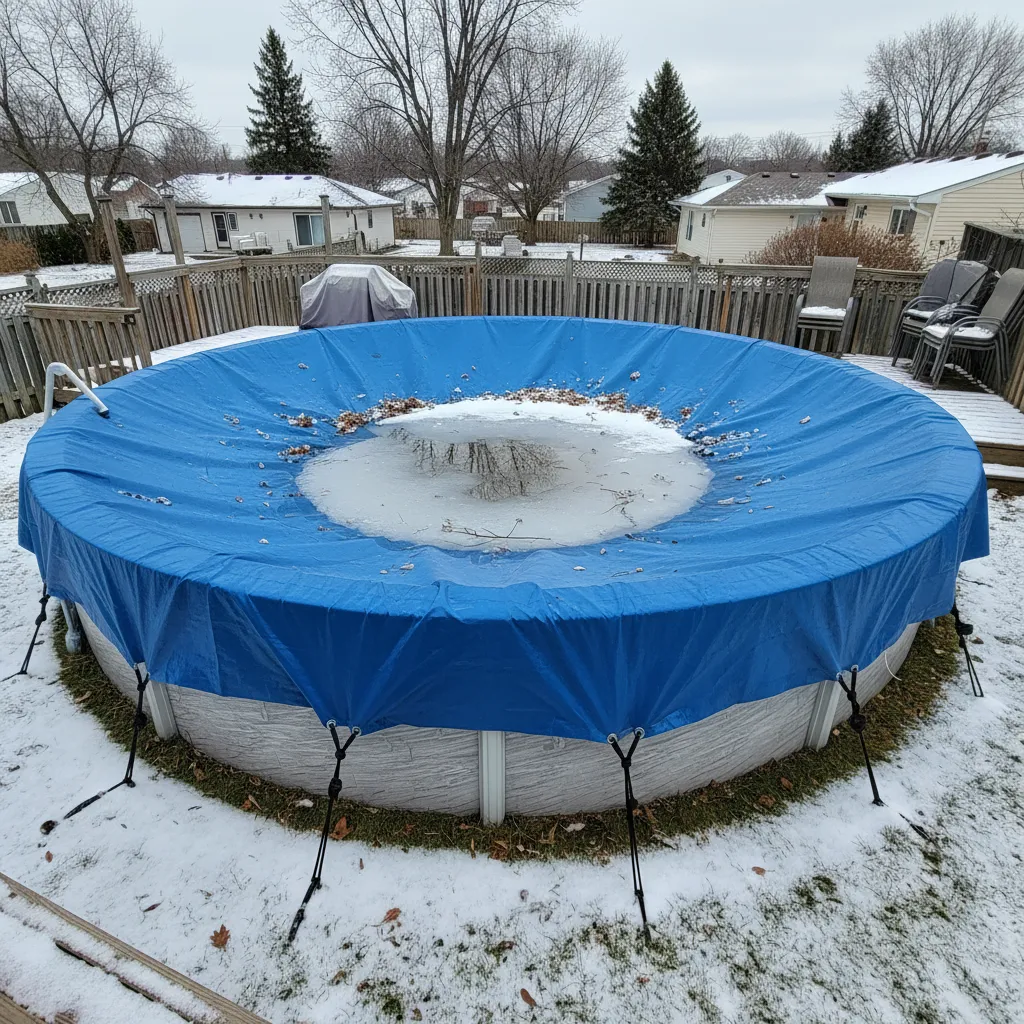
"Invest once to protect your liner and prevent a swamp in the spring."
Heavy-Duty Winter Pool Cover
Winter demand is high - check stock
Understanding the Purpose Of Pool Shock
Pool shock kills germs, breaks down oils, and burns off stuff that eats up chlorine. Salt pools make 1-3 ppm chlorine daily, but swimmer waste, rain, or leaves can use it up. Shock brings chlorine to 10+ ppm for a short time to clean the water. Use it after big pool parties, storms, or if the water gets hazy.
Saltwater Pool Systems Vs Traditional Chlorine Pools
Salt pools turn salt into chlorine through a cell. Regular pools need you to add chlorine tabs or liquid. Both types need shock when the chlorine can’t keep up. The key point? Salt pools may need less shock if the system works well. But heavy use or bad weather hits both the same. Shock type matters more – salt pools avoid some products that harm the salt cell.
Now let’s break down which shock types work best with saltwater setups.
Choosing the Right Shock for Saltwater Pools
Saltwater pools require specific shock types to maintain system efficiency and water clarity. Using incompatible products can damage equipment or create chemical imbalances. When preparing for your above ground pool, it’s important to consider the right chemicals for your setup. Proper preparation ensures a safe and enjoyable swimming experience.
What Type Of Shock is Best for Saltwater Pools?
Chlorine-based shocks dominate saltwater pool care. Calcium hypochlorite (68-73% strength) and sodium dichlor (56-62% available chlorine) work best with salt systems. These oxidizers eliminate contaminants without disrupting salt cell function. Avoid stabilized shocks with cyanuric acid levels above 50 ppm, as saltwater generators already produce chlorine continuously. The taste of saltwater pools can be quite different from traditional chlorine pools. Many swimmers find the mild saltiness refreshing and enjoyable.
Why Non-chlorinated Shock Isn’t Recommended
Potassium monopersulfate (MPS) shocks lack chlorine, forcing salt cells to overcompensate. This strains the chlorinator and risks algae blooms during peak swim seasons. While MPS works for weekly maintenance in traditional pools, saltwater systems need chlorine shocks to align with their electrolytic chlorine generation process.
Liquid Chlorine Vs Granular Shock Options
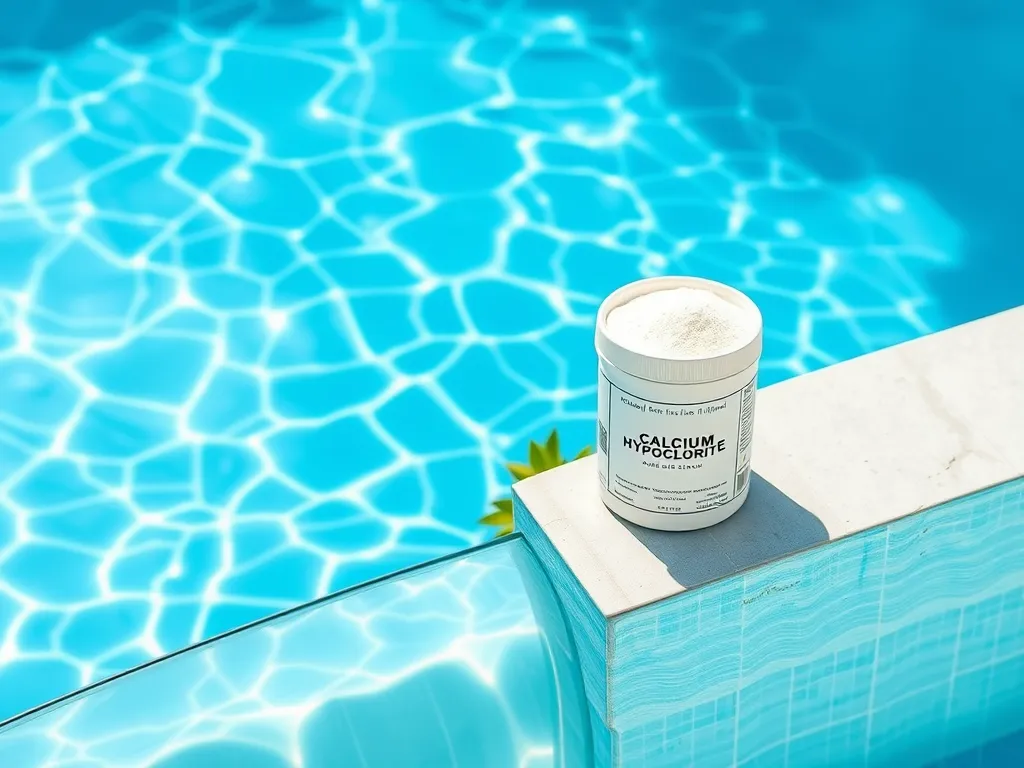
Liquid chlorine (12.5% sodium hypochlorite) integrates faster, raising free chlorine by 5 ppm within 30 minutes. Granular cal-hypo requires pre-dissolving but offers longer residual action. For salt pools with calcium hardness below 250 ppm, cal-hypo adds necessary minerals. Those above 400 ppm should opt for liquid to prevent scaling on salt cells. Calcium hypochlorite is a common choice for many pool owners. It helps maintain a clean and clear swimming environment.
Timing Considerations: Salt Addition and Shocking
Coordinating salt adjustments with shock treatments prevents chemical conflicts. Salt concentration impacts chlorine production efficiency and shock effectiveness.
Should You Shock Before or After Adding Salt?
Always shock before adding salt. Fresh salt dilutes chlorine levels, reducing shock’s sanitizing power. Test water after shocking, confirm chlorine drops below 5 ppm, then add salt. This sequence prevents sodium chloride from binding with active chlorine molecules.
How Long After Adding Salt Can You Shock Your Pool?
Wait 24 hours post-salt addition. This allows complete dissolution and even distribution through the system. Salt levels typically stabilize at 2,700-3,400 ppm within this period. Use a digital salinity meter before shocking to verify readings.
Can You Shock a Saltwater Pool After Adding Salt?
Yes, but only after the 24-hour waiting period. Immediate shocking post-salt addition creates chlorine lock, where excess sodium chloride inhibits proper chlorine release. For pools needing urgent treatment, partial drainage (20-30%) reduces salinity before shocking.
With proper product selection and timing mastered, let’s examine the exact steps for shocking without damaging your salt system.
Also See: Can You Use Granular Chlorine to Shock Pool?
Step-by-step: How to Shock a Saltwater Pool Properly
Proper shocking requires precise execution to prevent system strain while eliminating contaminants. Follow these protocols to maintain water balance while boosting sanitizer levels.
Pre-shock Preparation Checklist
Begin by gathering materials: test strips, calcium hypochlorite shock (60-70% strength), protective gear, and a mixing bucket. Verify pump functionality for circulation needs.
Testing Water Chemistry
Use fresh test strips to measure:
- Free chlorine: Must be below 3 ppm pre-shock
- pH: Maintain 7.2-7.6 for optimal efficacy
- Stabilizer: Keep cyanuric acid under 80 ppm
Balance water if readings fall outside ideal ranges.
Adjusting Chlorinator Settings
Set the saltwater generator to “Off” mode. Disable supplemental features like ozone or UV systems to prevent chemical interference. Confirm flow rates match manufacturer specs for post-shock reactivation.
Mixing and Application Process
Dissolve granular shock (1 lb per 10,000 gallons) in five gallons of pool water. Pour the solution slowly around the deep end during evening hours to minimize UV degradation. Run the pump continuously for eight hours to distribute evenly. Maintaining your pool properly can make a big difference in its overall condition. When considering a weekly pool service, it’s important to know how costs can vary based on the size of your pool and the services needed.
Post-shock Procedures
Wait until free chlorine drops below 5 ppm before swimming—typically 12-24 hours. Brush pool walls to remove residual particles. Retest water chemistry, focusing on chlorine demand reduction. Reactivate the chlorinator once levels stabilize. Keeping your pool’s high hardness pool hardness balanced is also important for a safe swimming experience. It helps to prevent corrosion and scale buildup in a high hardness pool.
Saltwater Pool Chlorinator Management
Coordinating shock treatments with chlorine generation prevents equipment damage while maximizing sanitizer output. Master these three operational factors for seamless integration.
Should You Turn Off the Chlorinator When Shocking?
Deactivate the system during treatment. Continuous chlorine production combined with shock creates excessively high levels (10+ ppm), risking liner fading or corrosion on metal components like ladders or heaters.
How Long to Wait Before Reactivating the System
Resume normal operation only when free chlorine measures between 1-3 ppm. Most systems require 8-24 hours post-shock depending on dosage. Monitor the control panel for error codes indicating salt concentration shifts.
Can You Run the Chlorinator While Shocking?
Operating both simultaneously wastes resources. Chlorinators generate 0.5-2 ppm chlorine daily—insufficient for oxidation during shocking. Independent shock dosing provides the 10x surge needed to destroy chloramines without overtaxing the generator.
Maintenance Tips for Crystal Clear Water
Proactive care reduces shock frequency while preserving water quality. Implement these strategies between treatments for sustained results.
How Often Should You Shock a Saltwater Pool?
Shock monthly during peak season or after heavy use (parties, storms). Salt cells lose efficiency when scaling accumulates—test cell plates quarterly. Systems producing under 70% rated output need more frequent shocking.
Combining Shocking With Regular Pool Care
Pair weekly brushing with quarterly shock cycles. Clean skimmer baskets daily during treatments to capture debris. Check salt levels monthly (ideal 2,700-3,400 ppm) using digital testers for precision.
Troubleshooting Cloudy Water Issues
Cloudiness post-shock signals imbalanced chemistry or filtration failures. Test for:
- Total dissolved solids (TDS) over 4,500 ppm: Drain partially
- Filter pressure above 10 psi: Backwash sand filters
- Combined chlorine over 0.5 ppm: Repeat shock process
For those encountering persistent clarity challenges, our next section details frequent errors during shock treatments—from overdosing to incompatible chemical pairings.
Common Saltwater Pool Shocking Mistakes
Even experienced pool owners can slip up when maintaining saltwater systems. Let’s break down three frequent errors that affect water balance, equipment performance, and chemical effectiveness. Choosing the right pool liner can also impact how well your maintenance efforts work. This buyer’s guide will help you select the perfect liner for your pool needs.
Over-shocking Dangers
Adding more shock than needed creates chlorine levels above 5 ppm, which can corrode salt cell plates and pool liners. High concentrations may also trigger skin irritation or faded swimsuits. For saltwater pools, never exceed 2 lbs of calcium hypochlorite (68% strength) per 10,000 gallons unless tackling severe algae blooms. Test free chlorine 4-6 hours post-shock to verify levels stay within 1-3 ppm. Properly managing chlorine levels is also important for liquid chlorine salt pools. These pools provide a safe and comfortable swimming environment while utilizing the benefits of salt for chlorine generation.
Improper Chemical Mixing Errors
Combining shock with algaecides or saltwater clarifiers without proper dilution risks cloudy water or scaling. Calcium-based shocks mixed with high-alkalinity water create white deposits on pool surfaces. Always pre-dissolve granular shock in a 5-gallon bucket before pouring into the deep end. Avoid adding stabilizer (cyanuric acid) within 48 hours of shocking – target 30-50 ppm cyanuric acid beforehand for optimal results. Maintaining a clean pool requires attention to various factors like water chemistry. One easy way to ensure a well-kept pool is by using a Flex Seal pool liner, which helps protect against leaks and wear.
Timing Misconceptions With Salt Additions
Adding salt immediately after shocking reduces chlorine effectiveness due to sodium thiosulfate interactions. Wait 24-48 hours post-shock before increasing salt levels beyond 3,200 ppm. Conversely, shocking right after salt additions can overwhelm the chlorinator – test salinity first using test strips (ideal range: 2,700-3,400 ppm). If salt was recently added, run the pump for 12 hours before initiating shock treatment to ensure even distribution.
Mastering these techniques helps prevent costly repairs. For precise guidance on balancing chemicals, let’s explore frequently asked questions about saltwater pool shock treatments.
FAQs: Shocking Saltwater Pools
Does Shock Treatment Affect Salt Cell Longevity?
Properly executed shock treatments won’t damage salt cells. However, frequent over-shocking (chlorine above 10 ppm) or using calcium-hypochlorite in hard water conditions accelerates scale formation on cell plates. Always balance calcium hardness (200-400 ppm) and rinse cells after shocking to prevent mineral buildup.
Can Shocking Reset Saltwater Generator Errors?
Shock treatments often resolve low-chlorine alerts caused by organic overload. If your system shows “Low Salt” warnings post-shock, test salinity independently—high chlorine levels can temporarily skew sensor readings. Wait 24 hours before adjusting salt concentrations. Keeping your pool clean naturally can help prevent these issues. Using a natural pool cleaner can reduce the need for chemical treatments and create a healthier swimming environment.
Do Weather Conditions Impact Saltwater Pool Shocking?
Yes. UV exposure degrades chlorine faster—shock at dusk for maximum effectiveness. Heavy rain dilutes salt concentration; test and adjust salinity before shocking after storms. Water temperatures below 60°F require 50% more shock due to reduced chemical reactivity.
How Does Shock PH Impact Saltwater Chemistry?
Calcium hypochlorite raises pH temporarily (up to 8.2), while liquid chlorine has minimal effect. Always test pH post-shock—saltwater pools perform best at 7.4-7.6. High pH after treatment may require muriatic acid adjustments to prevent scaling. After swimming in a shocked pool, it’s essential to wait for the right levels to ensure safety. Proper post-shock care keeps the water clean and enjoyable for all swimmers.
Are Saltwater Pool Shock Requirements Seasonal?
Warmer months typically require 2-3x more frequent shocking. For every 10°F increase above 70°F, bacteria growth rates double. Winterize salt pools with a closing shock (2x normal dose) and maintain 1 ppm chlorine during cold months.
Final Thoughts
Shocking a saltwater pool keeps water clean and safe, but requires specific techniques. Use chlorine-based shock (calcium hypochlorite or sodium dichlor) for best results, avoiding non-chlorinated options that disrupt salt systems. Wait 24 hours after adding salt before shocking to prevent chemical interactions.
For precise calculations on shock dosage, salt levels, or pump runtime adjustments, try My Pool Calculator. Our tools help maintain ideal chemistry with exact measurements tailored to your pool’s volume and conditions.
Remember these key points: shock at dusk for maximum effectiveness, temporarily disable your chlorinator during treatment, and always retest water 24 hours post-shock before swimming. Regular shocking every 2-4 weeks prevents algae and maintains clarity in saltwater pools.
Additional Resources for You:
- PoolPro Magazine (Industry News & Technical Articles)
- Saltwater Pool Shock – Do I Need To Shock a Saltwater Pool?
- Everything About Shocking Your Saltwater Pool
- Shock Your Pool in 7 Easy Steps | Zodiac Australia
- How Often Should I Shock My Swimming Pool – The Pool Factory
A pool care geek who’s been testing water chemistry since she was tall enough to reach the skimmer.
Chlorine, Pool Chemistry, Sanitizers