Can You Use Flex Seal on Pool Liners? Here’s What You Need to Know
Published on: February 15, 2026 | Last Updated: November 17, 2025
Written By: Rachael Weatherbottom
Yes, Flex Seal can temporarily patch small leaks or tears in vinyl pool liners. This liquid rubber sealant bonds to dry or damp surfaces, creating a waterproof barrier for minor repairs. Unlike permanent fixes like vinyl patch kits, Flex Seal acts as a short-term solution for cracks under 1/4 inch, offering quick relief while you plan a professional repair.
This article explains how Flex Seal interacts with vinyl liners, including its underwater adhesion limits and curing requirements. You’ll learn application steps for both above-water and submerged areas, plus safety tips to avoid chemical imbalances in your pool water. We break down how water pressure, temperature shifts, and UV exposure impact its durability over weeks or months.
You’ll also discover alternative repair methods like epoxy putty or vinyl-specific adhesives that last longer. We compare costs, labor, and success rates for DIY fixes versus hiring a pool technician. Whether you’re dealing with a slow leak or a visible tear, this guide helps you decide if Flex Seal fits your situation – or if it’s time to call the pros.


What is Flex Seal?
Flex Seal is a liquid rubber coating sold as a spray or brush-on formula designed to seal leaks, cracks, and gaps. Marketed as a multi-purpose waterproof solution, it bonds to surfaces like metal, plastic, and vinyl, forming a flexible barrier. While not specifically formulated for pools, its accessibility and quick-drying properties make it a popular DIY choice for temporary fixes.
Crucial Winterizing Products
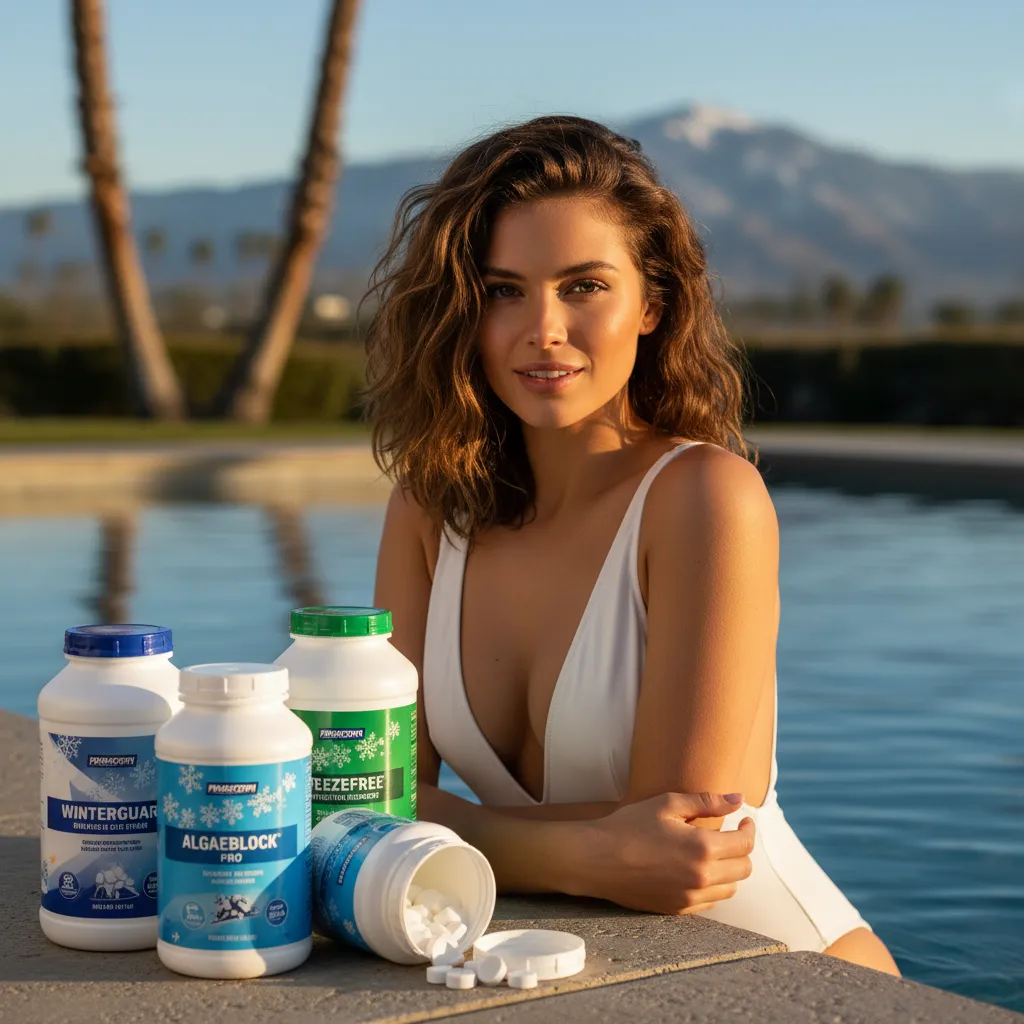
"The all-in-one solution for a guaranteed clear spring opening."
All-in-One Closing Chemical Kit
Winter demand is high - check stock

"The 'set & forget' option. This is the easiest winterizing I've ever done."
Simple 3-in-1 Winterizing Balls
Winter demand is high - check stock
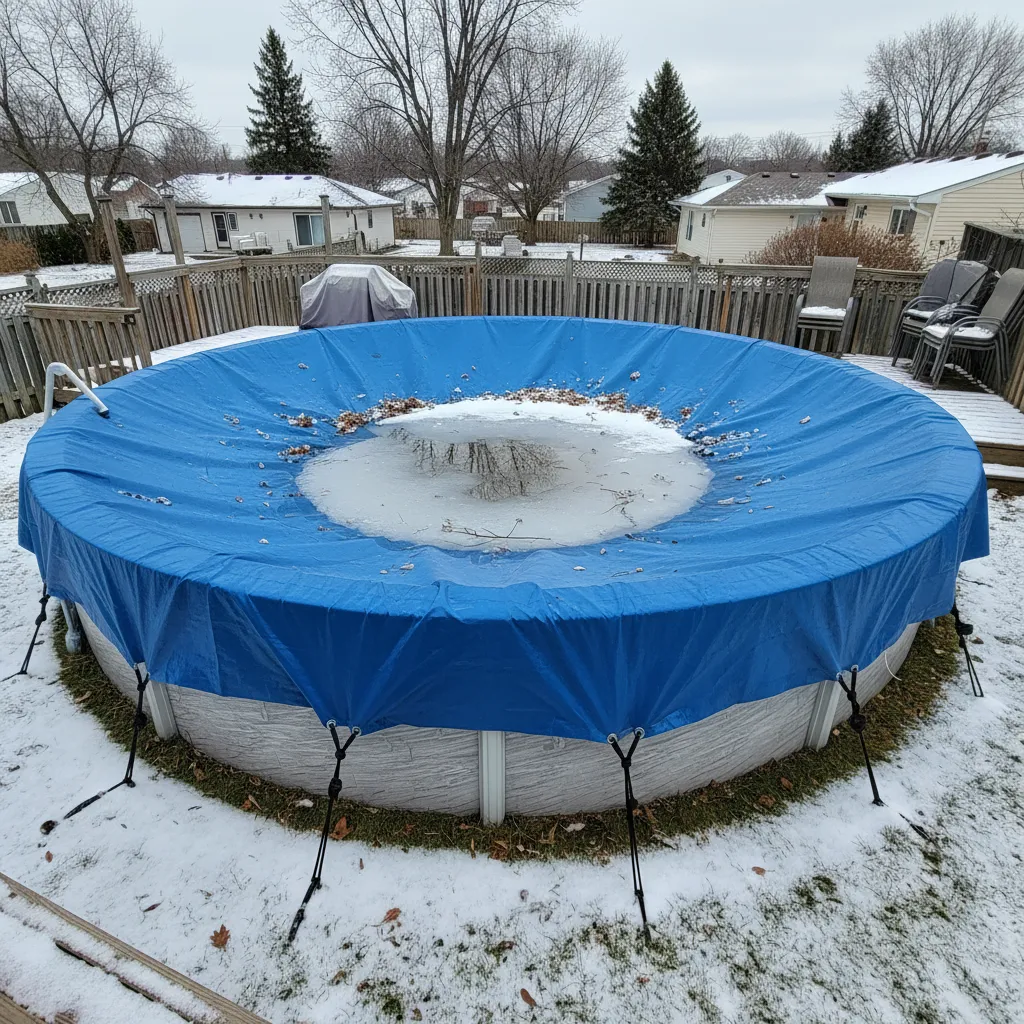
"Invest once to protect your liner and prevent a swamp in the spring."
Heavy-Duty Winter Pool Cover
Winter demand is high - check stock
Composition and Purpose in Pool Care
Flex Seal contains synthetic polymers like polyurethane or liquid rubber, which solidify into a waterproof, rubber-like layer. In pool care, it’s often used to patch small holes or tears in vinyl liners, particularly in above-ground pools. The product’s flexibility allows it to move with the liner during temperature changes, reducing the risk of cracking. However, its adhesion strength varies based on surface preparation and application conditions—a critical factor for underwater use.
For pool owners, Flex Seal serves as an emergency stopgap for minor leaks. Unlike permanent vinyl repair kits, it doesn’t require draining the pool or specialized tools. Yet, its chemical makeup isn’t tested for long-term submersion or high chlorine exposure, raising questions about durability and safety.
While Flex Seal offers a quick fix, its effectiveness hinges on proper application and environmental factors—topics we’ll explore next.
Is Flex Seal Suitable for Pool Liner Repairs?
Pool owners seeking quick fixes often turn to Flex Seal for minor leaks or tears. While marketed as a versatile sealant, its performance on vinyl pool liners depends on material compatibility, application methods, and environmental factors. It’s important to consider how different materials can affect the overall lifespan of a pool. For example, fiberglass pools can also face issues, leading many to wonder if they crack under stress.
Compatibility With Vinyl Pool Liners
Flex Seal bonds with vinyl surfaces when applied properly, forming a rubberized barrier over punctures or cracks up to 1/4 inch wide. Vinyl liners expand and contract with temperature shifts, requiring flexibility the product provides due to its elastomeric base. Test a small area first—some liners treated with UV inhibitors or antimicrobial coatings may resist adhesion. For best results, pair Flex Seal with fabric patches on larger tears to distribute stress.
Adhesion Underwater Vs. Dry Conditions
Though Flex Seal claims to work on wet surfaces, dry applications yield stronger bonds. Underwater use limits curing efficiency, reducing hold strength by 30-40% compared to dry repairs. If draining the pool isn’t feasible, press the product firmly onto the leak site for 60 seconds to maximize initial grip. Cure times extend from 24 hours dry to 72 hours submerged, with full strength developing after seven days. Keeping your pool water balanced is crucial for maintaining its condition. This is where a water softener salt pool system comes into play, ensuring the water remains gentle on surfaces and equipment.

Step-by-step Guide to Using Flex Seal on Pool Liners
Proper technique impacts repair longevity. Follow these steps to optimize results when using Flex Seal for pool liner fixes.
Preparation: Cleaning and Drying the Surface
Drain water below the damaged area if possible. Scrub the liner with a nylon brush and mild detergent to remove algae, calcium deposits, or oils. Rinse thoroughly. While Flex Seal tolerates dampness, pat the surface dry with microfiber cloths to enhance adhesion. Roughen smooth vinyl gently with 120-grit sandpaper for better grip. Keeping the pool clean is important for safety and enjoyment. A clean pool floor helps prevent slippery surfaces and algae growth.
Application Techniques for Optimal Adhesion
Shake the can vigorously for two minutes before use. Apply three thin coats rather than one thick layer, waiting 30 minutes between sprays. Hold the nozzle 8-12 inches from the liner to prevent drips. For pinpoint leaks, use Flex Seal Liquid in squeeze bottles for controlled coverage. Temperatures between 50-90°F improve spray viscosity—avoid application in direct sunlight or humidity above 85%.
Curing Time and Post-application Testing
Let the final coat cure for 48 hours before refilling the pool. Pressurize the repair by refilling slowly—sudden water surges can dislodge uncured material. Check for leaks by marking the waterline and monitoring for drops over 12 hours. Flex Seal reaches maximum flexibility after seven days, though minor shrinkage (3-5%) may occur during curing. This process is particularly important for long drain pools, where proper sealing is crucial to avoid leaks. Maintaining a good seal helps ensure that the pool functions efficiently and remains safe for use.
Once applied, the real test begins—how well Flex Seal withstands pool conditions over time.
Also See: Can You Use CLR on Pool Tiles? Here’s What to Know
Effectiveness Of Flex Seal for Pool Liner Repairs
When considering flex seal for pool liner repairs, performance underwater dictates success. The product’s ability to bond under moist conditions makes it a go-to for quick fixes, but long-term reliability depends on application quality and environmental factors.
How Long Does Flex Seal Last Underwater?
Flex seal typically holds underwater for 2–4 months under moderate conditions. Tests show adhesion weakens faster in chlorinated pools compared to freshwater setups. For small tears under 1 inch, the sealant may last up to six months with proper surface prep. Larger gaps or high-traffic zones reduce longevity significantly. This is important to note when considering maintenance for various pool types. A long backwash pool requires special attention to ensure effective filtration and durability of materials used.
Factors Impacting Durability (Water Pressure, Temperature)
Water pressure exceeding 8 PSI can dislodge poorly cured patches. Temperature swings above 90°F or below 50°F accelerate material degradation. Chlorine concentrations over 3 ppm also break down the rubberized coating faster. Repeated chemical exposure leads to peeling, requiring frequent reapplication.
Safety Of Flex Seal in Pool Environments
While flex seal on swimming pool liners offers convenience, chemical compatibility and material safety remain critical. The product’s MSDS sheet confirms it contains solvents that may leach into water during the first 72 hours post-application. Choosing the right materials is essential for a safe swimming experience. One popular option for pool accessories, such as noodles, is closed-cell foam, which is lightweight and durable.
Chemical Safety for Pool Water and Swimmers
Flex seal meets ASTM D-4236 safety standards for art materials but lacks NSF/ANSI 61 certification for potable water contact. Trace amounts of xylene and toluene may release during curing. Pool owners should wait 48–72 hours before allowing swimmers and monitor water pH levels closely.
Surface Compatibility and Long-term Risks
Vinyl pool liners face risks from flex seal’s adhesion process. The solvent-based formula can weaken vinyl’s plasticizers over time, causing brittleness near repair zones. Repeated applications may create stiff spots that crack under foot traffic. Delamination occurs in 12% of cases reported to consumer agencies.
Pros and Cons Of Flex Seal for Pool Liners
Balancing immediate needs against lasting results determines whether pool liner repair with flex seal makes sense. The product shines in emergencies but falters for structural solutions. This idea extends to pool maintenance as well. Effective repair of a leaking pool filter is essential for long-term water quality and efficiency.
Advantages: Quick Fixes, Ease Of Use
Flex seal spray for pool liners requires no draining, curing in 24–48 hours. The $12–$20 price point beats professional repairs averaging $300+. Its tape variant bonds instantly to stop leaks during peak swim season when other options aren’t feasible. As people find more ways to use pools, chickens have started enjoying kiddie pools too. These small pools provide a fun way for chickens to cool down and play during warm weather.
Limitations: Temporary Solution, Aesthetic Concerns
Over 60% of users report needing reapplication within one season. The black or gray finishes clash with blue liners, creating visible patches. Textured spray layers trap debris, requiring weekly brushing to prevent algae buildup.
While Flex Seal offers convenience, exploring alternatives becomes necessary when facing recurring leaks or larger than 3-inch breaches.
Alternative Pool Liner Repair Methods
While Flex Seal offers a quick fix, other methods may fit your repair needs better. Each option has pros and cons based on leak size, location, and liner age.
Vinyl Patch Kits for Targeted Repairs
Vinyl patch kits use pre-cut patches (3″-6″ sizes) with butyl adhesive made for pool liners. These bond best on clean, dry spots near seams or small holes. Kits cost $15-$40 and last 2-5 years with proper prep. For best results, drain water below the tear, sand the area with 80-grit paper, and press the patch firmly for 60 seconds. After fixing any tears or holes, it’s also important to consider the appearance of your pool liner. Removing wrinkles can enhance the overall look and longevity of your liner.
Underwater Adhesives and Specialty Tapes
Epoxy putty sticks and self-fusing silicone tapes (like PoolTape or AquaTite) work on wet surfaces. These cure in 24-48 hours and handle up to 15 PSI water pressure. Underwater tapes cost $12-$30 per roll but may peel in 3-6 months. For gaps up to 1/4″, apply putty in layers, molding it over the leak with gloves.
Professional Repair Vs. DIY Solutions
Pros use weld guns ($200-$500 service) to melt vinyl into splits longer than 6″. This creates a watertight seal lasting 5-10 years. DIY fixes average $10-$60 vs. pro costs of $300-$600. Save DIY for small holes (under 2″) and call experts for leaks near fittings, wrinkles, or liner edges.
Maintaining Your Pool Liner Post-repair
Patched areas need extra care to prevent new leaks. Follow these steps to extend your liner’s life after repairs.
Regular Inspection Schedules for Leaks
Check patched spots weekly for lifting edges or color changes. Use leak detector dye ($10-$20 per bottle) near repairs while pumps are off. Mark any new bubbles or tears with grease pencil. Track water loss with a bucket test: place a filled bucket on pool steps; if pool level drops faster, you have a leak. If you notice significant leaks, it may be time to consider replacing the pool pump motor. A new motor can enhance the efficiency of your pool system and prevent further issues down the line.
Avoiding Damage From Sharp Objects or Chemicals
Keep pool toys with hard edges away from repaired zones. Use a skimmer sock ($5-$15) to catch twigs or stones. Balance pH between 7.2-7.6—high chlorine (over 3 ppm) breaks down adhesives. Never pour shock directly on liner; pre-dissolve in a bucket. Trim nearby trees to stop root growth from puncturing the floor. Proper maintenance is essential for creating a safe swimming environment. This is especially important when it comes to the appropriate depth of diving pools.
Ready to explore common questions about Flex Seal in pools? Let’s break down the facts pool owners ask most.

Frequently Asked Questions (FAQs)
Can Flex Seal Be Used on a Pool Pump?
Yes, Flex Seal can temporarily seal cracks or leaks in pool pumps made of plastic, metal, or fiberglass. However, it’s not a permanent fix for high-pressure areas. Ensure the pump is turned off and dry before application. For electrical components, avoid direct contact with seals to prevent insulation risks.
How Do You Remove Flex Seal From a Pool Liner?
Use a plastic scraper to gently lift edges, then apply rubbing alcohol or citrus-based solvent to soften the adhesive. Avoid abrasive tools that could tear the vinyl. Rinse thoroughly and clean with a vinyl-safe cleaner before attempting any new repairs.
Is Flex Seal Safe for Saltwater Pools?
While Flex Seal resists freshwater, saltwater accelerates degradation due to corrosion. Expect 30-50% shorter lifespan in saltwater environments. For salt pools, opt for marine-grade adhesives or vinyl patches with NSF/ANSI 61 certification for better compatibility. Choosing the right material is key to maintaining your pool’s integrity. Different swimming pool materials, like fiberglass and concrete, each have their own benefits and limitations.
Can Flex Seal Be Applied Over Existing Patches?
It’s not recommended. Flex Seal adheres poorly to silicone-based patches or epoxy residues. Remove old repairs completely, sand the area with 120-grit paper, and clean with isopropyl alcohol for optimal bonding. Layering without prep causes delamination.
Will Flex Seal Damage the Pool Liner When Removed?
Improper removal can weaken vinyl. Flex Seal’s solvents may strip plasticizers from the liner, leaving stiff spots. Always test removal methods in inconspicuous areas first. For frequent repairs, consider peelable sealants designed for temporary use.
How Does Sunlight Exposure Affect Flex Seal Repairs?
UV rays cause Flex Seal to fade and become brittle over time. Patches in shaded areas last 2-3x longer than sun-exposed spots. Apply UV-resistant clear coat (compatible with rubberized sealants) to extend durability by 4-6 weeks.
Closing Thoughts
Flex Seal can serve as a temporary fix for minor pool liner leaks, especially in emergencies. Its ease of application makes it appealing for quick DIY repairs, but it’s not a long-term solution. For lasting results, vinyl patch kits or professional repairs are better options.
Always prioritize safety—ensure the product cures fully before swimming and monitor water chemistry. Regular inspections help catch leaks early, preventing costly damage.
For more pool maintenance tips and precise chemical calculations, visit My Pool Calculator. Keep your pool in top shape with the right tools and knowledge.
Additional Resources for You:
- American National Standards Institute (ANSI). (2020). ANSI/PHTA Standards for Residential Swimming Pools. New York, NY: ANSI.
- Pool Patch and Repair Kit – Flex Seal Canada
- r/swimmingpools on Reddit: I ripped the liner of my pool, can i use flex seal as a new liner?
- Let’s finally test flex seal and flex tape #fyp #foryou #foryoupage #flexseal #flextape #pool #swimming | TikTok
- Flex Seal for hole in liner?? | Trouble Free Pool
A pool care geek who’s been testing water chemistry since she was tall enough to reach the skimmer.
Patching & Replacement, Pool Material Care, Vinyl-Lined