
Pool Flow Rate Calculator: Keep Your Water Clean and Efficient
Published on: May 6, 2025 | Last Updated: April 13, 2025
Written By: Rachael Weatherbottom
A pool flow rate calculator helps you measure how fast water moves through your pool’s filter system. Getting this right means better cleaning, lower energy costs, and clearer water. Learn how to calculate your ideal flow rate using two simple numbers: your pool’s volume and desired turnover time.
Pool Flow Rate Calculator
How to Use
- Enter total pool gallons
- Choose desired turnover hours (usually 6-8)
- Click calculate
Note: Most pools need 1 full turnover daily. Always consult a professional for complex systems.
Crucial Winterizing Products
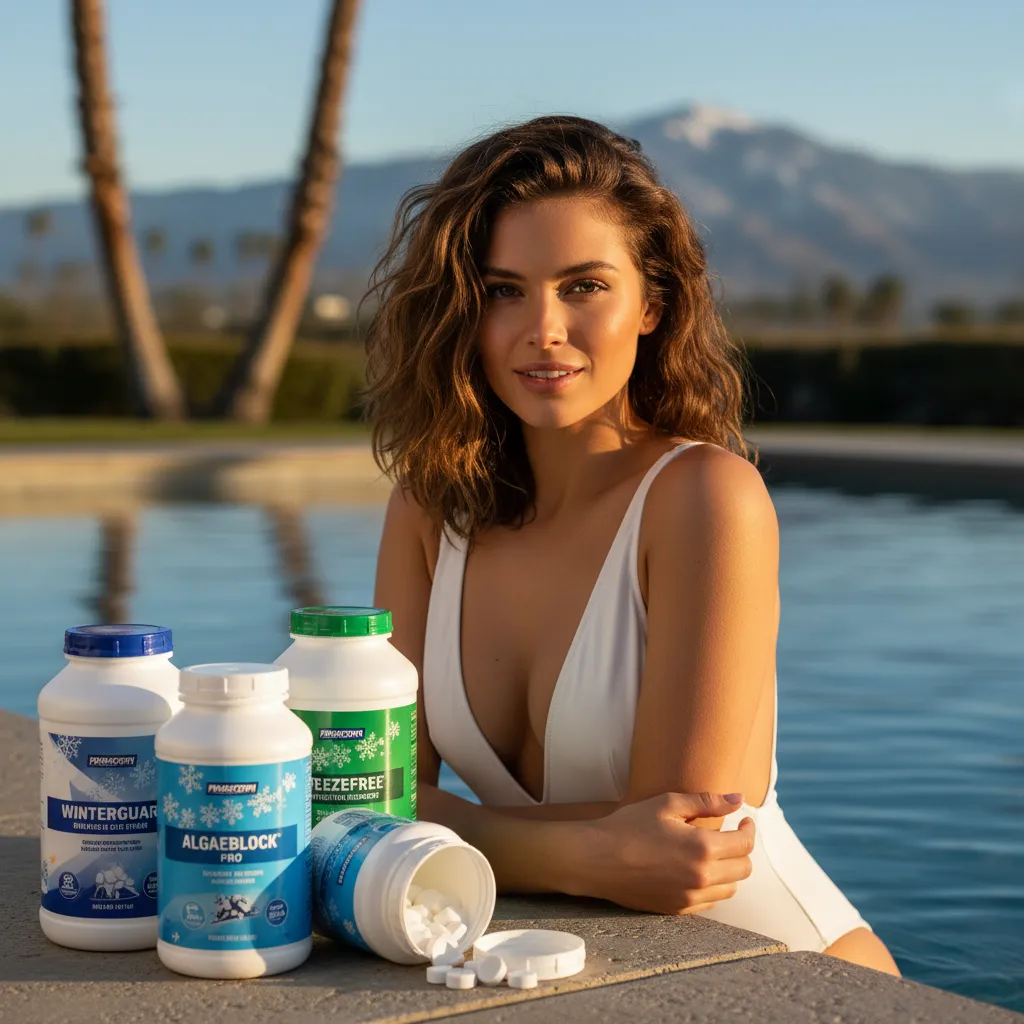
"The all-in-one solution for a guaranteed clear spring opening."
All-in-One Closing Chemical Kit
Winter demand is high - check stock

"The 'set & forget' option. This is the easiest winterizing I've ever done."
Simple 3-in-1 Winterizing Balls
Winter demand is high - check stock
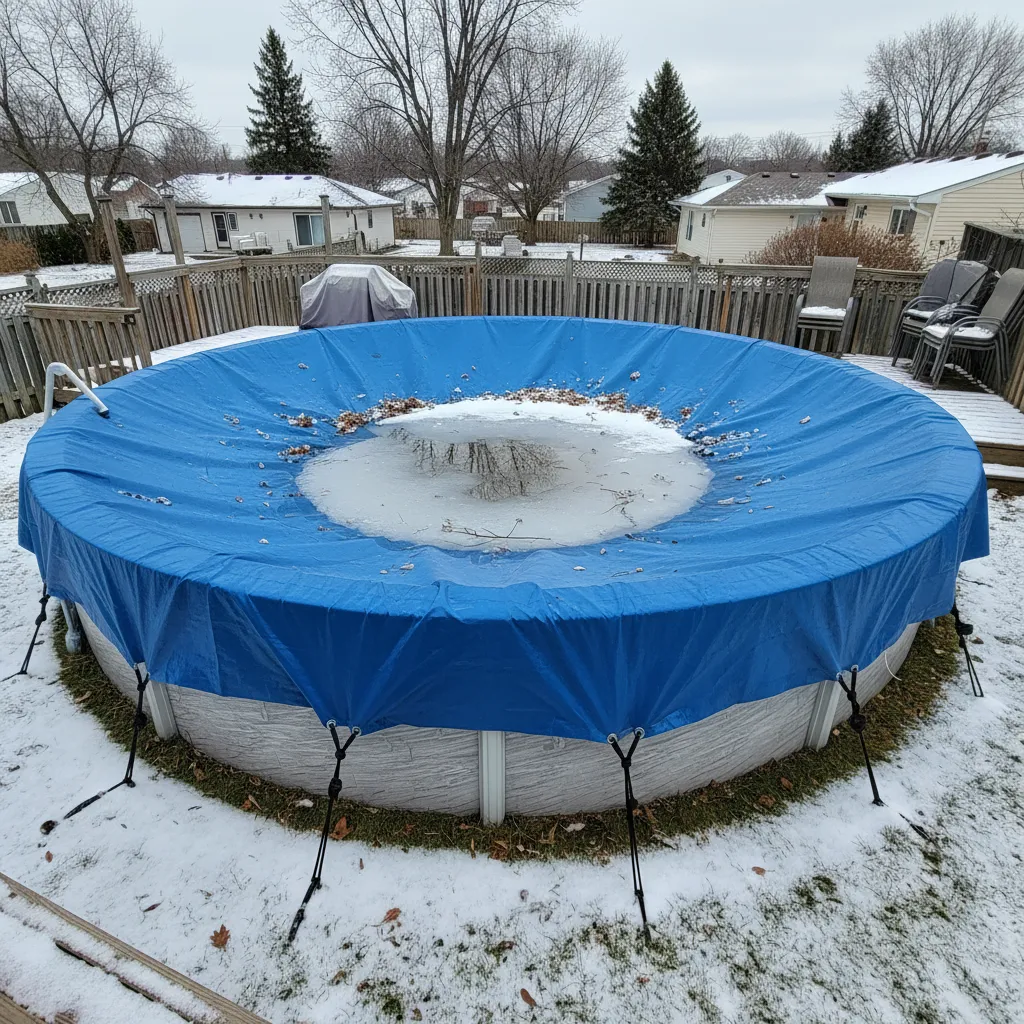
"Invest once to protect your liner and prevent a swamp in the spring."
Heavy-Duty Winter Pool Cover
Winter demand is high - check stock
Factors Influencing Pool Flow Rate
Flow rate determines how efficiently water circulates through your pool system. Measured in gallons per minute (GPM), it impacts filtration quality, chemical distribution, and energy use. Four primary factors dictate this metric. Choosing the right pool depth is also important for overall performance. A pool depth calculator can help you find the best depth for your needs.
Pump Horsepower and RPM
Pool pumps are rated by horsepower (HP), typically ranging from 0.75 HP to 3 HP. Higher HP increases potential flow, but oversizing causes turbulence and energy waste. Variable-speed pumps allow RPM adjustments, optimizing GPM while reducing kWh consumption by up to 80%. To achieve the best performance for your pool, knowing the right flow rate is essential. A pool pump GPM calculator can help you determine the ideal pump specifications for your needs.
Pipe Diameter and Plumbing Layout
Pipe size directly affects resistance. A 1.5-inch pipe handles 38-42 GPM, while 2-inch pipes manage 63-73 GPM. Elbows, valves, and skimmers add friction. Systems with more than six 90-degree bends may require 15-20% flow rate compensation. When choosing pipes, it’s important to consider both their benefits and drawbacks. Copper pipes have distinct pros and cons that can affect your plumbing decisions.
Filter Type and PSI
Sand filters operate best at 15-25 GPM per square foot, cartridge filters at 0.15-0.25 GPM per square foot, and DE filters at 1.5-2 GPM per square foot. Clean filters have 8-10 PSI; a 25% rise indicates clogging, reducing flow by 30-50%. In larger pools, like those with 10,000 gallons of water, using a sand filter designed for a 10,000-gallon pool can ensure efficient water circulation. A sand filter designed for a 10,000-gallon pool often provides the best balance of performance and maintenance ease.
Total Dynamic Head (TDH)
TDH quantifies resistance in feet. Calculate it using: TDH = Static Head + Friction Loss + Pressure Head Most residential pools require pumps with 40-70 feet TDH capacity. Exceeding this strains motors and lowers GPM.
System Restrictions and Blockages
Debris in skimmer baskets, clogged impellers, or stuck weir doors can cut flow by 40%. Calcium buildup in heat exchangers or scale in salt cells also restricts movement. Inspect these quarterly.
Pool Flow Rate Standards and Recommendations
Industry guidelines ensure systems operate safely and efficiently. Deviating risks equipment damage or poor water quality.
Minimum Flow Rate for Proper Filtration
All water must pass through the filter at least once daily (turnover rate). For a 20,000-gallon pool: 20,000 ÷ 24 hours = 833 GPH ÷ 60 = 14 GPM This baseline prevents algae but may need adjustment for heavy usage. Running the pool filter continuously helps ensure cleaner water. Many pool owners choose to run their filters 24/7 for better maintenance and clarity.
Ideal Turnover Rate for Different Pool Types
| Pool Type | Turnover Time | Flow Rate (GPM) |
|---|---|---|
| Residential | 8-12 hours | 28-42 |
| Commercial | 6-8 hours | 42-56 |
| Saltwater | 10-12 hours | 28-33 |
| Therapy/Spa | 30-60 minutes | 80-100 |
Maximum Flow Capacity Of Common Pool Pumps
- 0.75 HP: 45-55 GPM
- 1.5 HP: 75-85 GPM
- 2.5 HP: 100-120 GPM
- 3 HP: 130-150 GPM
Exceeding manufacturer limits causes cavitation, leading to pump seal failure.
Also See: Pool Shock Dosage Calculator for Clear Water

Calculating Flow Rate for Different Pool Sizes
Flow needs scale with volume. Undersized pumps fail to circulate; oversized units waste energy.
Flow Rate Requirements for Small Pools (10,000-20,000 Gallons)
Aim for 6-hour turnover: 20,000 ÷ 6 = 3,333 GPH ÷ 60 = 56 GPM A 1 HP pump (60 GPM) suffices. Use 1.5-inch plumbing to maintain 40-50 PSI.
Medium Pools (20,000-40,000 Gallons)
Target 8-hour turnover: 40,000 ÷ 8 = 5,000 GPH ÷ 60 = 83 GPM A 2 HP pump (85 GPM) with 2-inch pipes balances pressure and velocity.
Large Pools (40,000+ Gallons)
Commercial-grade systems need 4-5 HP pumps (120-150 GPM). Use 2.5-inch pipes to keep velocity below 8 ft/sec, minimizing friction loss.
Adjusting Flow Rate for Spas and Water Features
Waterfalls require 50-70 GPM per foot of width. Spa jets need 12-15 GPM per jet. Dedicate a separate pump (e.g., 3 HP) for features to avoid overtaxing the main filter system. Choosing the right pump size is essential for optimal performance. A pool pump size guide can help you decide how much power you need based on the features in your pool.
Troubleshooting Flow Rate Issues
Irregular flow manifests in multiple ways. Early detection prevents costly repairs.
Common Signs Of Low Flow Rate
- Weak return jets (pressure drop over 10 PSI)
- Air bubbles in pump basket
- Heater error codes (e.g., TriStar E05)
- Cloudy water despite chemical balance
Identifying and Resolving High Flow Rate Problems
Excessive GPM causes:
- Filter tank leaks (over 50 PSI)
- Noisy pump bearings
- Rapid chlorine depletion
Install a flow control valve or reduce RPM by 25%.
Impact Of Seasonal Temperature Changes
Cold water increases viscosity, raising TDH by 12-18%. In winter, lower flow by 20% to prevent strain. Summer heat demands 10-15% higher flow to combat algae.
Advanced Flow Rate Management
Modern systems allow precision control, adapting to real-time needs.
Variable-speed Pump Optimization
Program schedules: – 8 AM-12 PM: 75% speed (45 GPM) – 12 PM-4 PM: 100% speed (60 GPM) – Overnight: 40% speed (24 GPM) This cuts energy use by 70% compared to single-speed models. Knowing how to optimize these schedules is important for pool maintenance. A pool pump run time calculator can help determine the best run times for your specific pool needs.
Flow Rate Adjustments for Saltwater Systems
Salt chlorine generators require 25-35 GPM to produce 1.5-3 ppm chlorine. Below 20 GPM, cells shut off. Pair with flow switches to prevent damage.
Integrating Solar Heaters and Flow Dynamics
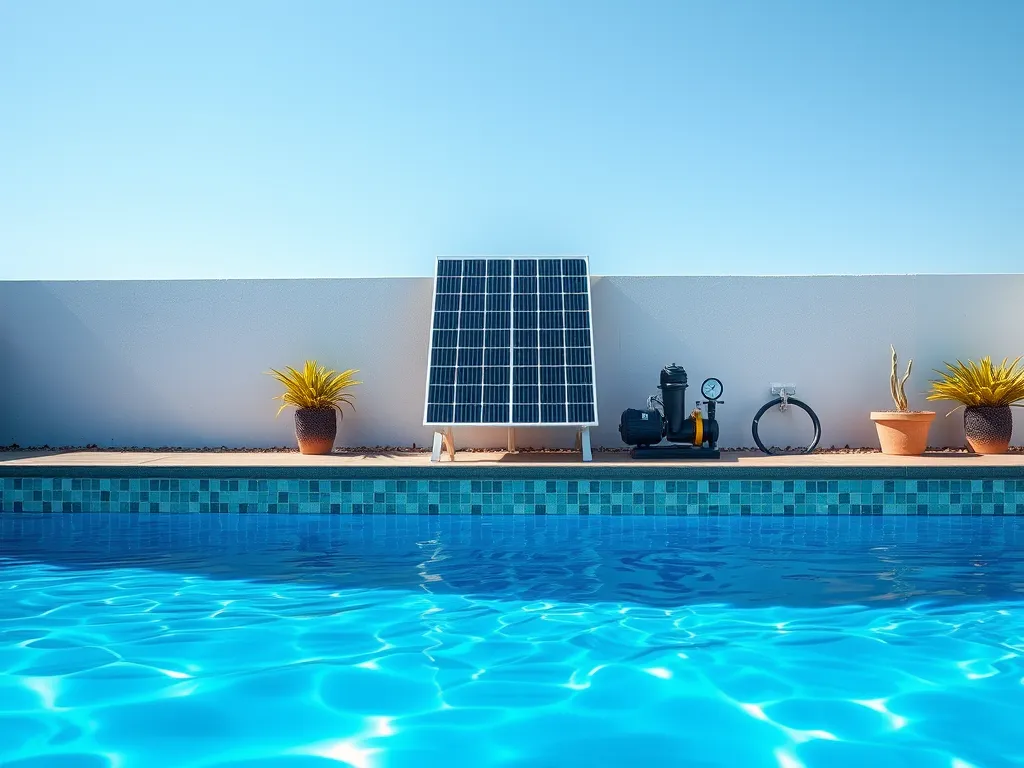
Solar panels add 8-12 feet of TDH. Increase pump speed by 10-15% during heating cycles. Use a bypass valve to divert excess flow when panels aren’t active.
FAQs – Common Questions About Pool Flow Rate
Why Does Flow Rate Affect Chemical Distribution?
Low GPM creates stagnant zones where chlorine drops below 1 ppm. Ideal flow ensures uniform dispersion, keeping variance under 0.5 ppm across the pool.
How Often Should Flow Rate Be Measured?
Check monthly with a flow meter or gauge. Digital systems like Pentair IntelliFlo log data automatically. Seasonal pools need pre- and post-winter tests.
Can High Flow Rate Damage Pool Equipment?
Yes. PVC pipes erode at velocities above 8 ft/sec. Heaters crack if flow exceeds 125 GPM. Always match equipment to manufacturer specs.
What’s the Relationship Between Flow Rate and Energy Consumption?
Doubling GPM quadruples energy use (affinity laws). Reducing from 60 GPM to 40 GPM saves 65% in kWh. Variable-speed pumps optimize this balance.
Maintaining Optimal Flow Rate Year-round
Winterization Procedures
Lower flow to 30% to prevent freezing. Drain pumps and filters. Install Gizzmo plugs in skimmers. Use non-toxic antifreeze in pipes.
Summer Peak Usage Adjustments
Increase turnover to 6 hours. Backwash sand filters weekly. Clean cartridge pleats monthly. Monitor pressure gauges daily for spikes.
Monthly Maintenance Checklist
- Lubricate pump O-rings with silicone
- Check valve diaphragms for tears
- Test flow with a bucket (time how long to fill 5 gallons)
- Inspect pressure relief valves
For precise metrics tailored to your setup, explore tools on My Pool Calculator. Input your pool’s specs to generate custom flow rate profiles and maintenance schedules.
Additional Resources for You:
- Pool & Hot Tub Alliance (PHTA) – Industry Standards & Training
- Pool Flow Rate Calculator – Blue-White Industries
- Pool Turnover Rate Calculator – Calculator Academy
- How to Calculate Swimming Pool Pump Run Time | Doheny’s – Pool Supplies Superstore
- Pool Flow Rate Tutorial | Certified Pool & Spa Operator Classes
A pool care geek who’s been testing water chemistry since she was tall enough to reach the skimmer.
Pool Calculators, Pool Volume