Does Your Pool Filter Really Need to Run All Day and Night?
Published on: February 27, 2026 | Last Updated: November 17, 2025
Written By: Rachael Weatherbottom
No, pool filters don’t require 24/7 operation for clean water. Most pools need 8-12 hours of daily filtration to maintain proper circulation and remove contaminants. The exact time depends on your pool’s size, pump type (single-speed vs. variable-speed), and environmental factors like leaf debris or extreme heat. Running your filter continuously can spike energy bills by $30-$100/month without significant cleanliness benefits.
This article breaks down how pool circulation systems function and why full-time operation rarely makes sense. You’ll learn how factors like gallon capacity, pump horsepower, and local weather patterns affect your ideal filtration schedule. We’ll explore specific scenarios where extended runtimes become necessary, like after heavy storms or pool parties.
Discover actionable strategies to balance water quality and energy costs. We’ll compare different pump types’ efficiency rates, share peak operating times for summer months, and explain Florida’s unique requirements due to high humidity and frequent rainfall. By the end, you’ll know exactly how to adjust your filter schedule while avoiding cloudy water or equipment damage.
Crucial Winterizing Products
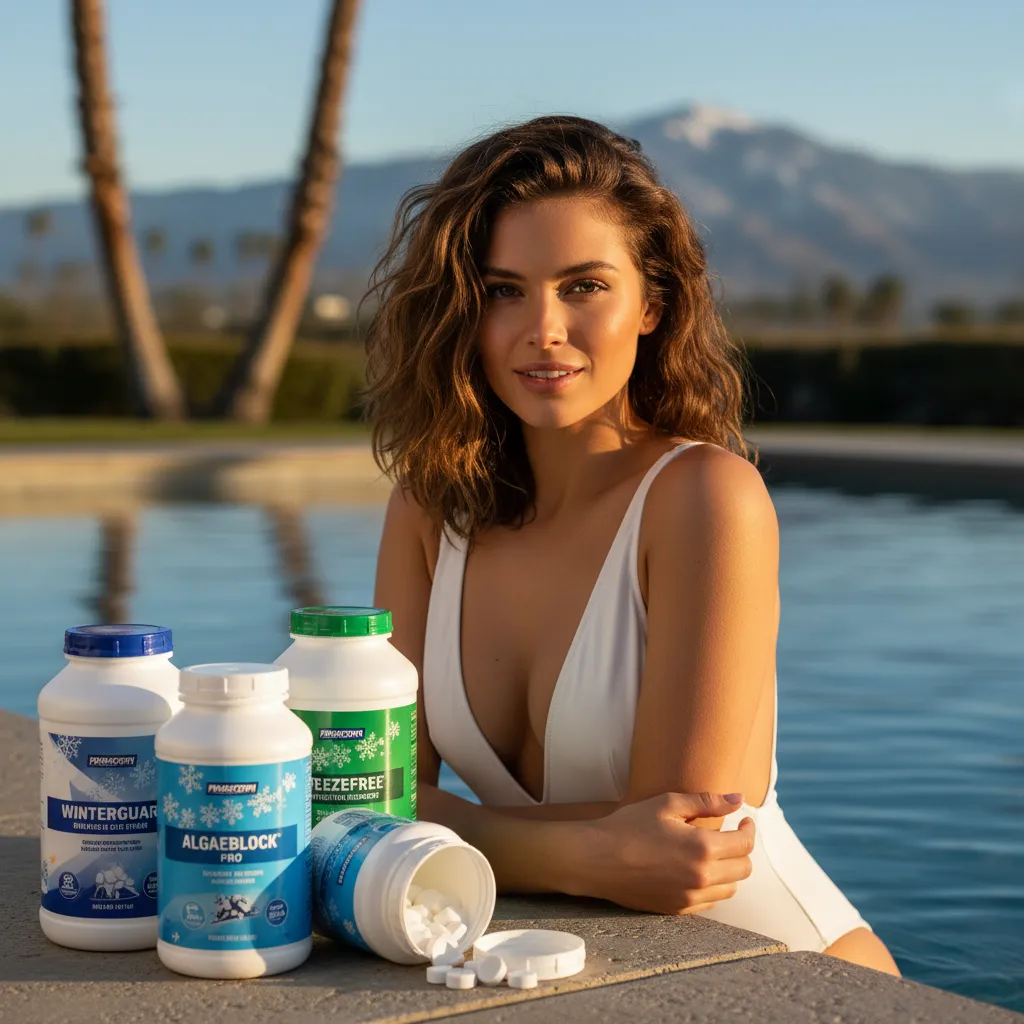
"The all-in-one solution for a guaranteed clear spring opening."
All-in-One Closing Chemical Kit
Winter demand is high - check stock

"The 'set & forget' option. This is the easiest winterizing I've ever done."
Simple 3-in-1 Winterizing Balls
Winter demand is high - check stock
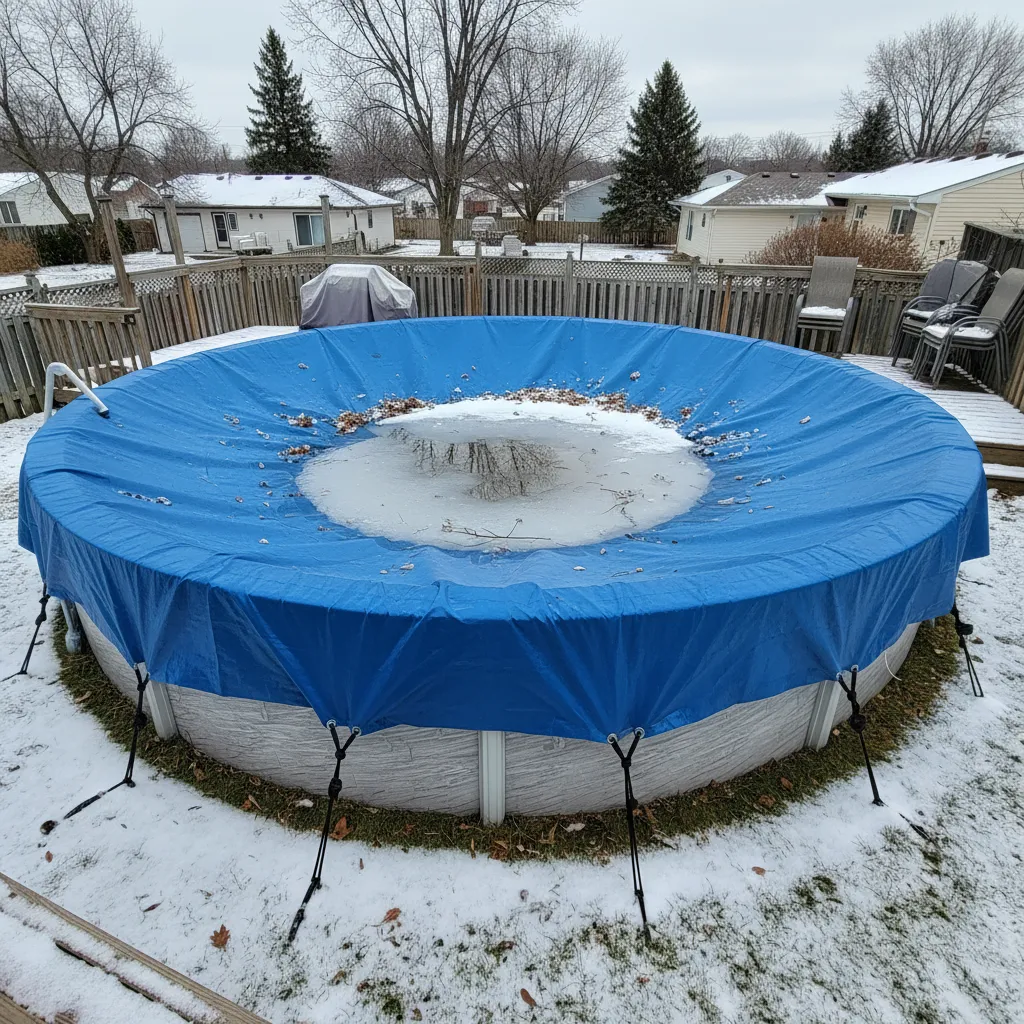
"Invest once to protect your liner and prevent a swamp in the spring."
Heavy-Duty Winter Pool Cover
Winter demand is high - check stock
How Pool Filtration Systems Work
Pool filtration systems combine mechanical components and hydraulic principles to maintain clean, safe swimming conditions. The system’s effectiveness depends on water movement through pumps, plumbing lines, and filter media. To ensure everything is functioning well, monitoring pressure is important. A pool filter pressure gauge helps you keep track of the system’s health.
The Role Of Pool Filters in Water Circulation
Filters serve as the system’s cleaning hub, trapping debris as small as 5-10 microns (depending on filter type) while allowing treated water to flow back into the pool. Proper circulation prevents stagnant zones where algae thrive and ensures even chemical distribution. For example, a 20,000-gallon pool requires moving all water through the filter at least once daily – a process called achieving one “turnover.” To maintain this effective circulation, it’s important to regularly check that the open pool valves are open. Open pool valves allow water to flow smoothly, supporting the filter system and keeping the pool clean and clear.
Basic Mechanics Of Pool Pumps &Amp; Filters
Pumps create flow using centrifugal force: an electric motor spins an impeller at 3,450 RPM, drawing water through skimmers and main drains. This water gets pressurized through the pump housing into the filter tank. Three primary filter types handle this task:
| Filter Type | Flow Rate (GPM) | PSI Range | Cleaning Frequency |
|---|---|---|---|
| Sand | 20-50 | 10-25 | Weekly backwash |
| Cartridge | 40-60 | 8-15 | Monthly rinse |
| DE (Diatomaceous Earth) | 30-45 | 15-30 | Post-use recharge |
Flow rates directly impact required run time. A 1.5 HP pump moves ~60 gallons per minute (GPM), needing 8.3 hours to cycle 20,000 gallons once. Higher horsepower models achieve faster turnovers but increase energy costs by 15-30%.
Now that we’ve covered filtration mechanics, let’s analyze whether non-stop operation delivers benefits or just burns electricity.
Do Pool Filters Need to Run 24/7?
Pool owners often wonder if their filtration system requires nonstop operation. While 24/7 pumping ensures constant water movement, it’s rarely mandatory for residential pools. Let’s break down the realities of continuous filtration and its practical applications.
Pros and Cons Of Continuous Filtration
Running a pool filter constantly maintains crystal-clear water by continuously trapping debris and distributing chemicals evenly. This approach minimizes algae growth and prevents “dead zones” where water stagnates. Single-speed pump users might see energy bills spike by $50-$100 monthly during summer, while variable-speed models cut costs by 30-70% at lower RPMs. Keeping the water cool with a pool chiller can also add to your overall expenses. It’s important to consider these costs when budgeting for pool maintenance and efficiency.
Extended operation accelerates wear on pump seals and filter components. Cartridge filters lasting 5-7 years under normal use might degrade in 3-4 years with 24/7 runtime. Environmental impacts also matter: a 1.5 HP pump running nonstop consumes ~3,000 kWh annually – equal to powering three refrigerators year-round.
When 24/7 Operation Might Be Necessary
Three scenarios justify round-the-clock filtration: • Post-shock treatment cycles requiring 24-48 hours of circulation • Commercial pools with heavy daily bather loads (50+ users) • Extreme weather events like Florida’s summer algae blooms or post-hurricane debris influx
Some Southern states mandate minimum 8-hour daily run times, extending to 12-16 hours during peak season. Saltwater pools with chlorine generators often need longer cycles than traditional chlorinated pools to maintain consistent sanitizer production. Proper circulation and filtration help keep the water clean and inviting. This is key to achieving a clear green pool that looks appealing and is safe for swimming.
Determining Ideal Pool Filter Run Time
Finding the sweet spot between cleanliness and efficiency requires analyzing multiple variables. The goal isn’t just moving water – it’s achieving complete “turnover” (filtering the entire pool volume) at least once daily.
Key Factors: Pool Size, Usage, and Climate
A 10,000-gallon pool needs half the runtime of a 20,000-gallon pool using the same pump. Heavy usage from frequent parties or multiple swimmers adds organic contaminants, demanding 1-2 extra hours daily. In humid climates like Texas or Arizona, where temperatures regularly exceed 90°F, run times increase by 25% to combat accelerated algae growth.
Leaf load matters too: Pools under trees might need 2-3 extra hours versus open-area pools. Automated cleaners can offset some filtration needs – robotic models reduce required pump time by 1-3 hours through independent circulation.
Pump Type and Flow Rate Considerations
| Pump Type | Flow Rate (GPM) | Recommended Daily Hours |
|---|---|---|
| Single-Speed | 50-75 | 8-10 |
| Dual-Speed | 30-70 | 6-12 (varies by setting) |
| Variable-Speed | 20-80 | 12-18 (low RPM) |
Flow rate directly impacts turnover efficiency. Calculate your ideal run time by dividing pool gallons by pump GPM x 60. Example: A 15,000-gallon pool with a 50 GPM pump needs (15,000 ÷ (50×60)) = 5 hours for one turnover. Most experts recommend 2-3 turnovers daily during swimming season. When considering the total cost of pool construction, every detail matters. A pool construction cost calculator can help you estimate expenses based on features like pump capacity and flow rate.
With these variables mapped out, we can explore how to translate them into daily operational schedules. The next section details specific hourly recommendations based on pool type and seasonal demands.
Also See: Can You Run Pool Filter With Solar Cover on?
Recommended Daily Pool Pump Run Time
Finding the sweet spot for pool filter run time balances water clarity with energy costs. While “how long should a pool filter run each day” depends on multiple variables, industry standards provide a strong starting point.
General Guidelines for Average Pools
For most residential pools (15,000-30,000 gallons), running the pump 8-12 hours daily achieves proper circulation. This allows the system to:
- Process all pool water 2-3 times (complete turnover)
- Distribute chlorine evenly
- Capture debris through skimmers and drains
Calculate minimum runtime by dividing pool gallons by pump flow rate (GPM). A 20,000-gallon pool with a 40 GPM pump needs 500 minutes (8.3 hours) for one full turnover.
Adjustments for Heavy Usage or Debris
Increase run time by 4-6 hours during:
- Pool parties/swim events
- Pollen seasons (spring)
- Post-storm cleanup
Florida pool owners battling daily thunderstorms might temporarily extend to 16 hours. Variable-speed pumps handle these surges efficiently, using 300-600 watts versus single-speed pumps’ 1,500-2,500 watts.
Optimal Scheduling for Pool Filtration
Strategic timing maximizes filtration effectiveness while minimizing energy bills. The “best” schedule depends on local electricity rates and environmental factors.
Best Time to Run Pool Pump in Summer
Run pumps during daylight hours when:
- UV rays break down chlorine (requires more frequent distribution)
- Swimmers introduce contaminants
- Debris falls into pool
Split runtime into two cycles – 6 AM to 10 AM and 2 PM to 6 PM – to maintain chemical balance during peak activity.
Day Vs. Night Operation: Energy &Amp; Efficiency
While off-peak night rates (8 PM-6 AM) save $0.02-$0.05 per kWh in some regions, daytime operation:
- Prevents algae growth during warmest hours
- Works with solar heating systems
- Aligns with automatic chlorinator schedules
Test water chemistry weekly if switching to nighttime-only operation. Saltwater pools often require continuous daytime circulation for chlorine generation.
Energy-saving Strategies for Pool Owners
Modern equipment and smart scheduling can cut filtration costs by 30-70% without compromising water quality.
Reducing Runtime Without Sacrificing Cleanliness
Three proven methods:
- Install variable-speed pumps (ENERGY STAR certified models use 80% less power)
- Use timers to avoid over-filtration
- Maintain 1-3 psi filter pressure through regular backwashing
A 1.5 HP pump running 8 hours daily costs $40/month. Reducing to 6 hours with a variable-speed model drops costs to $15/month.
Cost Implications Of Extended Pump Operation
Every extra hour of daily pump use adds:
- $2.50-$4.50/month for single-speed pumps
- $0.75-$1.25/month for variable-speed models
At $0.15/kWh, 24/7 operation costs $90-$270 monthly versus $15-$45 for optimized 6-8 hour cycles. Pool covers reduce debris load, enabling shorter run times.
While proper filtration keeps water safe, equipment choices and local climate play equally important roles – particularly in storm-prone regions like Florida.
Regional Considerations: Florida Pool Filter Requirements
Florida’s subtropical climate creates unique challenges for pool owners. Humidity levels averaging 70-90% year-round and frequent afternoon thunderstorms demand tailored filtration strategies. These environmental factors directly influence answers to questions like “should pool pumps run 24 hours a day” or “how many hours a day should I run my pool filter.”
Impact Of Humidity and Frequent Storms
High humidity accelerates algae growth rates – a 2023 University of Florida study found pools in Tampa required 22% more chlorine maintenance during the rainy season. Summer storms dump an average of 6-8 inches of monthly rainfall, introducing pollen, soil, and organic debris. This combination forces filters to work harder: single-speed pump users often need 10-12 daily runtime hours versus the national 8-hour average. Variable-speed pumps set to 2,450 RPM during daylight hours combat these issues efficiently. However, the chemicals used in pool maintenance can also harm nearby grass. Excess chlorine and other pool chemicals can cause yellowing and eventually kill the grass surrounding the pool area.
Local Maintenance Recommendations
Orlando-based pool service companies advise post-storm protocols: – Run pumps continuously for 4-6 hours after heavy rainfall – Clean skimmer baskets twice daily during storm season – Test free chlorine levels every 48 hours June-September Miami-Dade County health codes mandate secondary sanitation systems (ozone/UV) for public pools, reducing but not eliminating mechanical filtration needs. For residential pools, pairing a 1.5 HP pump with a 200 sq.ft. cartridge filter typically handles Florida’s demands at 10-14 daily operational hours.
Consequences Of Inadequate Filtration
Running pumps fewer hours than required creates a domino effect of problems. A 1,500 RPM reduction on variable-speed models increases water turnover time by 35%, directly impacting cleanliness and safety. When water is not circulated properly, harmful bacteria can thrive. Using UV water treatment can help eliminate these contaminants effectively.
Water Quality Issues and Health Risks
Undercirculated water develops chloramine buildup within 12 hours – compounds causing red eyes and respiratory irritation. Pseudomonas aeruginosa bacteria can colonize pool walls in 48 hours of poor filtration, risking ear/skin infections. Cloudy water with >0.5 NTU turbidity hides debris, increasing slip hazards. Florida’s warm temperatures exacerbate these issues; algae spores germinate 3x faster at 85°F versus 70°F.
Long-term Equipment Damage
Insufficient runtime lets debris accumulate in pump impellers, increasing wear by 40% according to Hayward’s 2022 pump longevity study. Sand filters develop channeling – hardened pathways reducing effectiveness – requiring media replacement every 3 years instead of 5. Salt cells scale up prematurely when water isn’t properly filtered, cutting lifespan from 10,000 to 6,500 hours. Energy costs also rise: a clogged filter makes pumps draw 18-25% more watts per hour. Taking care of your filtration system directly impacts how long your salt cell lasts. Keeping it clean and well-maintained can help extend its lifespan significantly.
These filtration challenges highlight why personalized schedules matter. Next, we’ll address common concerns about nighttime operation and seasonal adjustments in our FAQ section.
FAQs About Pool Filter Run Time
Can Using a Pool Cover Reduce Required Filter Run Time?
Yes, quality pool covers cut debris by 60-80%, allowing 1-3 fewer daily filter hours. Covers also minimize evaporation and chemical loss, reducing the need for constant water turnover.
Do Solar-powered Pool Pumps Have Different Run Time Requirements?
Solar pumps often require longer daytime operation (10-14 hours) due to lower flow rates, but their energy-free operation makes extended runtimes cost-effective. Pair them with battery backups for consistent nighttime circulation. When considering a pool heater, it’s important to think about how its compatibility with solar pumps can affect its lifespan. Proper use and maintenance can help ensure your pool heater lasts for many years.
How Does Winter Weather Affect Pool Filtration Needs?
In freezing climates, reduce runtime to 4-6 hours daily while maintaining water circulation to prevent ice damage. Always keep pumps running during sub-32°F temperatures to avoid frozen plumbing.
What Are the Signs Of an Undersized Pool Pump?
Watch for weak skimmer suction, incomplete chemical mixing, or visible debris after 8+ hours of operation. A properly sized pump should achieve one full water turnover in ≤8 hours.
Are Smart Timers Effective for Optimizing Filter Schedules?
Wi-Fi enabled timers adjusting runtimes based on weather forecasts can save 15-20% in energy costs. They automatically extend cycles before storms and reduce hours during cool, dry periods.
Closing Thoughts
Running your pool filter 24/7 isn’t necessary for most pools, but the right schedule depends on factors like pool size, pump type, and local climate. A typical pool needs 8-12 hours of daily filtration, while high-usage or debris-heavy pools may require longer cycles. Energy-efficient pumps and smart scheduling can cut costs without compromising water clarity.
For Florida pool owners, frequent storms and humidity may demand adjusted run times—sometimes up to 16 hours daily—to combat algae growth. Always prioritize water turnover rates (aim for 1-2 full cycles per day) and monitor pressure gauges to spot inefficiencies early.
Need help fine-tuning your pool’s filtration? Use My Pool Calculator to determine the ideal run time based on your pool’s specs and regional conditions. Clean water and lower energy bills are just a few calculations away.
Additional Resources for You:
- Pool & Hot Tub Alliance (PHTA). (2021). ANSI/APSP/ICC-11 Standard for Water Quality in Public Pools and Spas. Alexandria, VA: PHTA.
- Should you run your pool pump 24 hrs a day? – Answers
- r/pools on Reddit: Do you need to let pool filter pump run 24/7
- Is it okay to leave the pool pump on all night? – Quora
- Should a pool pump run 24×7? – Quora
A pool care geek who’s been testing water chemistry since she was tall enough to reach the skimmer.
DE Filters, Filters, Pool Equipment Repair