Ducks in Your Pool: Maintenance, Safety, and Duck-friendly Solutions
Published on: March 23, 2026 | Last Updated: November 17, 2025
Written By: Rachael Weatherbottom
A “ducks pool” refers to any swimming pool that becomes a regular stop for wild ducks, creating unique maintenance challenges for owners. Unlike human-focused pools, duck-friendly designs prioritize shallow areas, gentle slopes, and wildlife-safe materials while balancing water quality. Ducks leave waste, introduce organic debris, and may affect chemical balance, requiring specific cleaning protocols and preventive measures.
This guide tackles the realities of sharing your pool with ducks. You’ll learn how chlorine impacts duck health at different life stages, spot behavioral patterns that signal frequent visits, and manage risks like E. coli contamination or algae blooms. We break down practical fixes, from installing $50-$120 floating ramps to adjusting pump cycles for faster waste removal.
Explore duck-deterrent landscaping designs, shock treatment formulas for post-duck cleaning, and cultural beliefs linking ducks to prosperity. Whether you’re troubleshooting murky water after a duck visit or creating a safe oasis, these strategies help maintain both pool integrity and respect for local wildlife.
Is It Safe to Have Ducks in Your Pool?
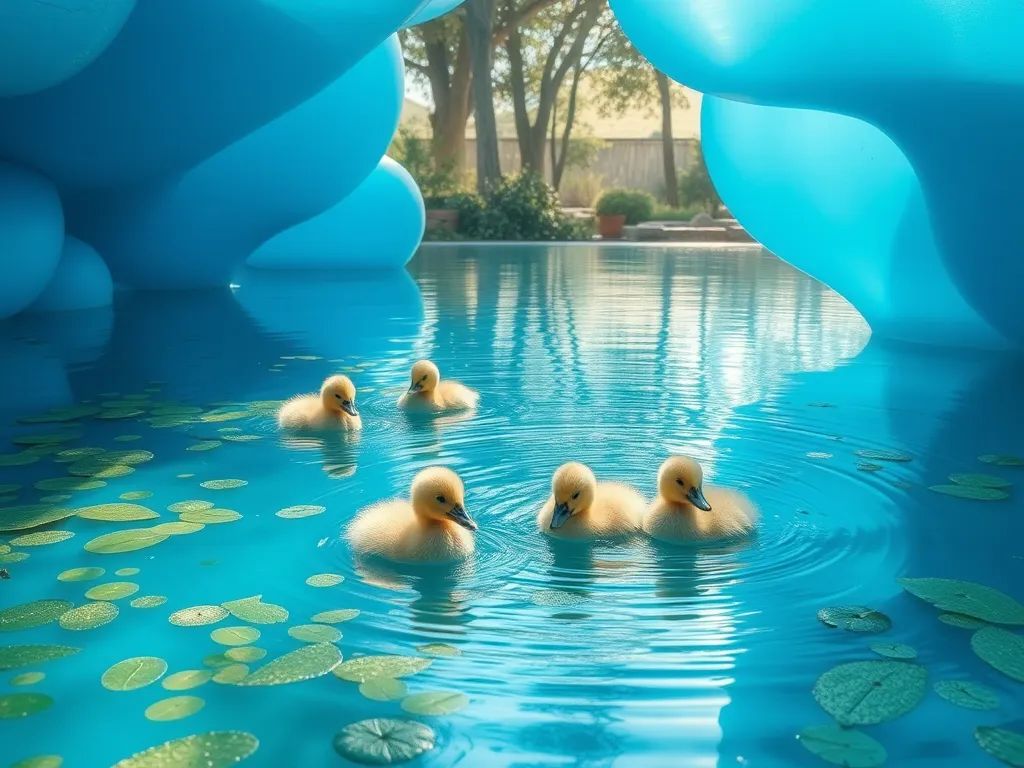
Ducks swimming in pool water create a picturesque scene, but their presence raises questions about safety for both birds and swimmers. Pool chemistry, duck health risks, and water quality maintenance all play roles in determining whether your pool can coexist with visiting waterfowl. Managing these factors is essential for a healthier swimming environment. In this context, saltwater pools can be more cost-effective and easier to maintain than traditional chlorine pools.
Crucial Winterizing Products
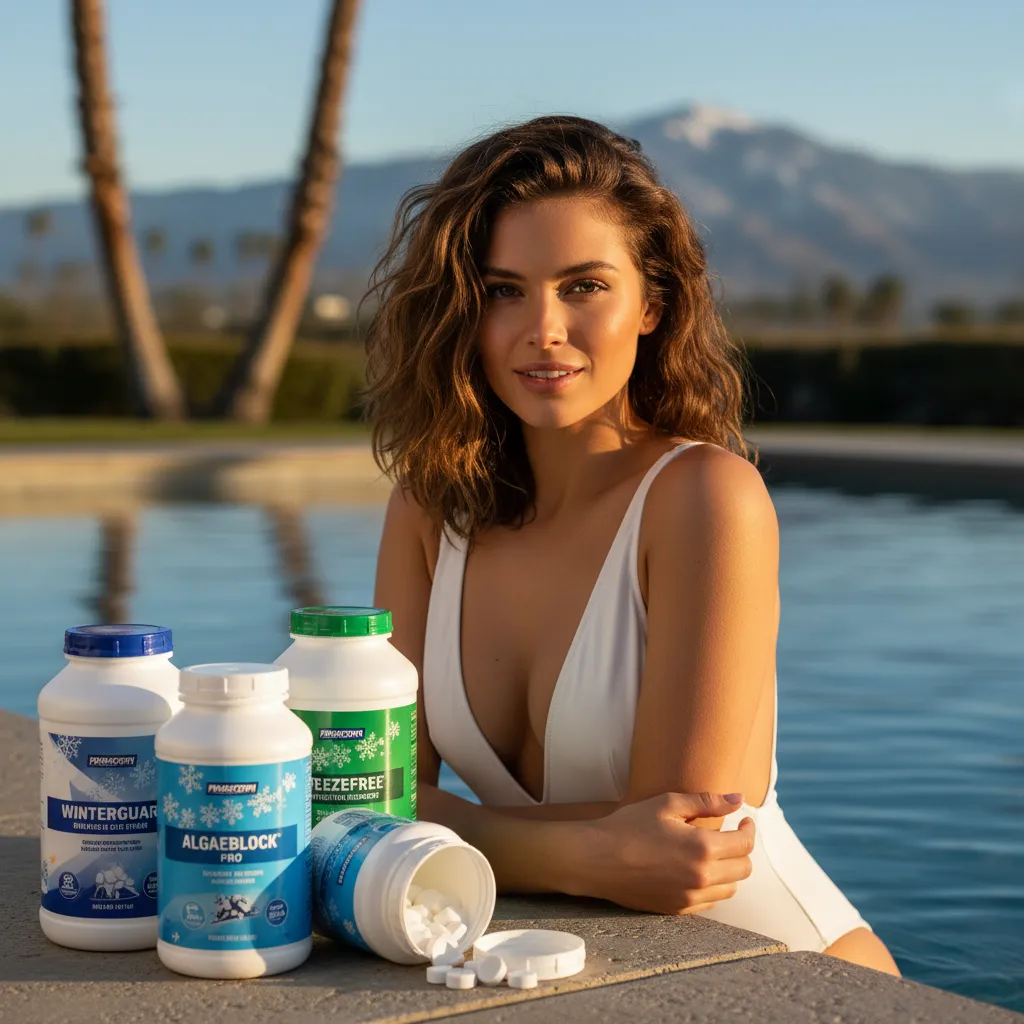
"The all-in-one solution for a guaranteed clear spring opening."
All-in-One Closing Chemical Kit
Winter demand is high - check stock

"The 'set & forget' option. This is the easiest winterizing I've ever done."
Simple 3-in-1 Winterizing Balls
Winter demand is high - check stock
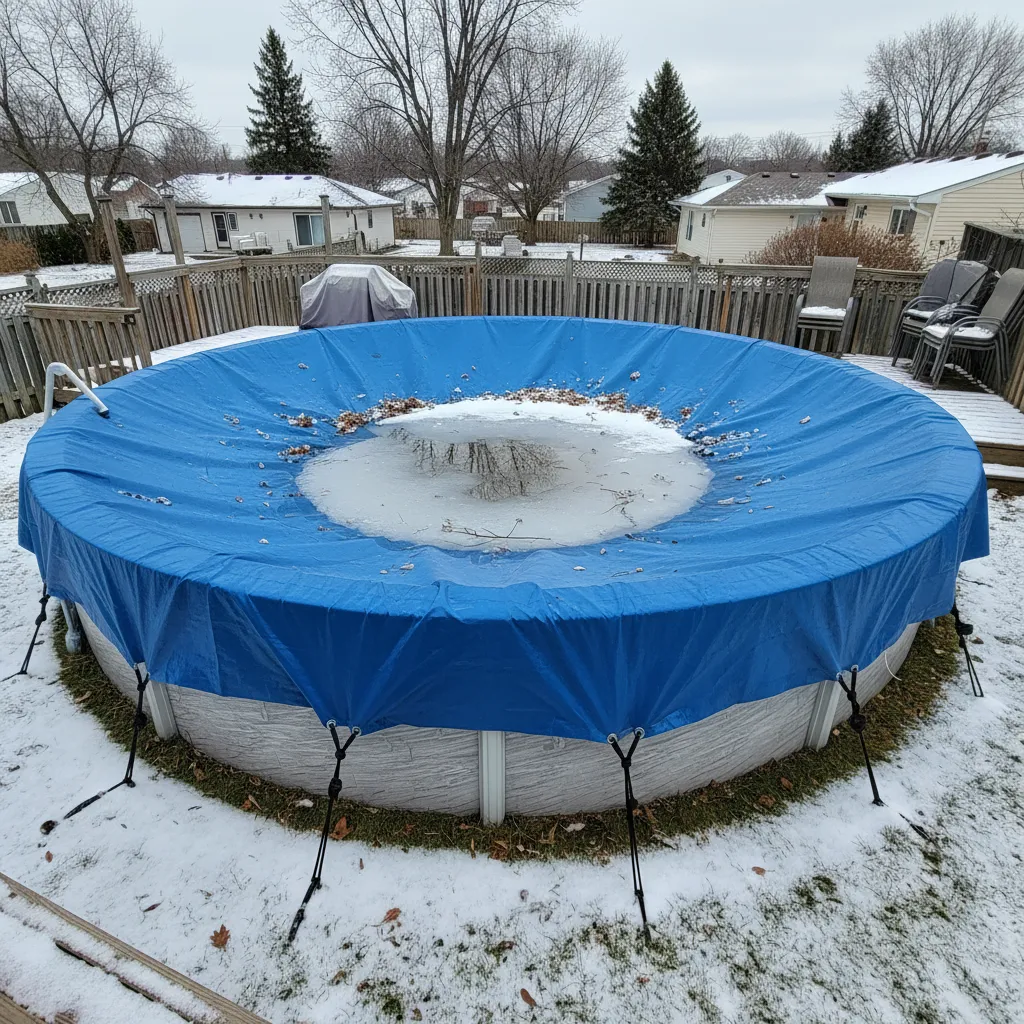
"Invest once to protect your liner and prevent a swamp in the spring."
Heavy-Duty Winter Pool Cover
Winter demand is high - check stock
Pros and Cons Of Ducks Swimming in Pool Water
Wild ducks in pools create unique benefits and challenges:
- Natural pest control: Mallard ducks eat mosquito larvae and other insects near water
- Entertainment value: Ducks playing in pool areas provide wildlife viewing opportunities
- Aesthetic appeal: Swimming ducks add natural beauty to pool environments
Potential drawbacks require equal attention:
- Bacteria risks: A single duck produces ½ pound of waste daily, potentially introducing E. coli or salmonella
- Algae triggers: Duck waste contains phosphates that fuel algae growth within 24-48 hours
- Equipment strain: Filters work 30% harder to process duck-related debris
Chlorine Sensitivity for Ducklings and Adult Ducks
Pool chemicals pose different risks to ducks at various life stages. Ducklings in pool water face greater vulnerability due to their developing systems:
- Safe chlorine levels: 1 ppm or less causes minimal irritation to adult ducks
- Duckling risks: Chicks under 4 weeks show respiratory distress at 0.5 ppm chlorine
- pH factors: Water acidity between 7.2-7.8 proves safest for webbed feet and feathers
Signs of chemical stress include excessive preening, lethargy, or avoidance of pool water. Provide fresh water sources within 10 feet of the pool edge to encourage ducks to rinse chemical residues.
With safety considerations addressed, let’s examine why your pool attracts ducks in the first place – and how their behavior impacts your aquatic space.
Understanding Duck Behavior in Pools
Ducks gravitate toward pools for specific reasons tied to survival instincts. Observing their patterns helps pool owners address interactions effectively while maintaining water quality.
Why Ducks Are Attracted to Swimming Pools
Pools mimic natural ponds with reflective surfaces that signal safety to ducks. The absence of predators like foxes or raccoons in suburban areas makes chlorinated water appealing. Ducks also seek out consistent water sources during nesting seasons—a pool’s steady water level acts as a reliable resource when lakes or rivers dry up. Mallard ducks, common visitors, often return daily once they identify a pool as a feeding or resting spot. However, maintaining a pool also involves checking the salt level. It’s important to ensure the salt level is optimal for both the health of the pool and any wildlife that may visit.
Signs Ducks Are Using Your Pool Regularly
Look for these indicators of frequent duck activity:
- Multiple droppings along pool edges or floating in skimmers
- Feather clusters near filters or on deck surfaces
- Nesting materials like twigs or grass near equipment areas
- Scratches on vinyl liners from duck claws during entry/exit
Ducks playing in pools often leave circular ripples from dabbling—a feeding behavior where they tip forward to reach algae or insects below the surface.
How Ducklings in Pools Differ From Adult Duck Behavior
Ducklings lack the wing strength to hop out of pools, leading to exhaustion or drowning if ramps aren’t available. They produce waste more frequently—up to every 15 minutes—which strains filtration systems. Unlike adults that graze on land, ducklings stay in water for warmth, increasing the time spent in pools by 60-70% during their first 4 weeks.
Health and Maintenance Risks Of Ducks in Pools
While ducks swimming in pools create picturesque moments, their presence introduces specific challenges for water safety and equipment longevity.
Managing Duck Poop in Pool Water
A single duck produces 14-20 droppings daily, each containing 0.5g of nitrogen that reacts with chlorine. This reaction creates chloramines, reducing free chlorine levels by 2-4 ppm within hours. Immediate action steps:
- Skim visible waste with a net rated for organic debris
- Add a phosphate remover to prevent nutrient buildup
- Use enzyme-based clarifiers to break down oils from duck feathers
For severe cases, triple-shock the pool with calcium hypochlorite at 10 ppm for 8 hours before reswim.
Preventing Algae Growth From Duck Activity
Duck waste contains phosphates—a primary algae food source. Pools with regular duck visits see algae blooms 3x faster than those without. Maintain 0.05 ppm phosphate levels using lanthanum-based treatments. Install a variable-speed pump to run 12 hours daily, ensuring constant circulation to disrupt spore settlement.
Bacterial Contamination Concerns
Tests show 68% of pools with ducks harbor E. coli levels exceeding EPA limits. Salmonella and Campylobacter risks spike when water temps exceed 80°F—common in summer months. Use UV-C sanitizers alongside standard chlorine systems to achieve 4-log pathogen reduction. Test water daily with DPD-4 kits, focusing on combined chlorine readings below 0.5 ppm. Maintaining proper water chemistry is crucial for safe swimming. One important test to consider is the calcium saturation index test, which helps ensure balanced water to prevent issues like scaling or corrosion.
Addressing water quality sets the stage for exploring physical deterrents—a key component in sustainable duck management strategies.
Also See: Can You Use Pool Water to Flush Toilet? What to Know
Duck-proofing Your Pool: Prevention Strategies
Keep feathered visitors from turning your pool into a playground with targeted prevention methods. Focus on physical barriers, habitat adjustments, and behavioral deterrents to maintain a duck-free zone while supporting local wildlife needs.
Installing Pool Ramps for Safe Duck Exit
Ducks struggle to exit steep pool edges, particularly ducklings with limited mobility. Set up an angled ramp (30-45 degrees) using materials like treated wood or non-slip PVC. Position near shallow areas where ducks typically gather.
Step-by-Step Ramp Construction Guide
| Material | Dimensions | Installation Tip |
|---|---|---|
| Treated 2×6 planks | 4-6 ft length | Attach pool noodles along edges for buoyancy |
| PVC pipe grid | 18″ width | Anchor with suction cups to pool wall |
| Rubber matting | 3/4″ thickness | Secure to concrete deck with waterproof adhesive |
Using Water Features to Deter Ducks
Ducks seek calm surfaces for landing. Add a splashy deterrent with a 3/4 HP waterfall pump or floating fountain creating surface turbulence. Motion-activated sprayers like the Orbit 62100 Yard Enforcer provide sudden bursts that startle without harming wildlife.
Landscaping Modifications to Discourage Ducks
Remove duck attractions by replacing grassy perimeters with gravel borders. Plant prickly shrubs like barberry or holly near pool decks. Use reflective tape or owl decoys rotated weekly to prevent habituation.

Cleaning and Maintenance After Ducks Leave
Post-duck pool care requires aggressive sanitation. A single duck can leave 2-3 oz of waste daily, drastically altering water chemistry. Act quickly to prevent lasting damage to equipment and surfaces. To help maintain a clean pool environment, pool safety covers can play an important role. They not only keep debris out but also prevent unwanted animals from entering the water.
Shock Treatment Protocols for Duck-used Pools
Boost chlorine levels to 10-15 ppm for 24 hours using calcium hypochlorite shock. Scrub all surfaces with a stainless-steel brush to remove biofilm. Run filtration continuously until water clarity returns to 0.5 NTU or lower. Properly measuring pool chemicals is crucial for maintaining water safety. Regular testing ensures that you keep the right balance of chemicals in your pool.
Filter System Cleaning Best Practices
Backwash sand filters three times post-contamination. For cartridge systems, soak elements overnight in trisodium phosphate solution (1 cup per 5 gallons). Check pressure gauges every 2 hours during initial cleanup cycles. Cleaning and maintaining these filters ensures they operate effectively. Backwash sand filters are essential for keeping water clear and free from impurities.
Ph Balance Restoration Methods
Duck waste typically lowers pH to 6.8-7.0. Use sodium carbonate to raise levels by 0.2 increments, testing every 4 hours. Target 7.4-7.6 to optimize sanitizer effectiveness while protecting pool surfaces. Keeping the pH balanced is important for swimmers too. This balance helps ensure a safe and pleasant experience in a swim shocked pool.
Designing a Duck-friendly Pool Environment
For those embracing duck cohabitation, tailor your aquatic space to support wildlife needs. Balance habitat features with practical maintenance access.
Ideal Pool Depth and Slope Configurations
Create a 12″ deep wading shelf with a 1:6 slope ratio. Use exposed aggregate concrete for secure footing. Maintain 3:1 transition zones between deep and shallow areas to help ducklings navigate safely.
Natural Filtration Systems for Duck Pools
Integrate a bog filter with aquatic plants like horsetail reed and water iris. Size the wetland area to 30% of pool surface volume. Add zeolite to sand filters for enhanced ammonia removal from duck waste. A well-designed pool filter pond can improve water quality while adding beauty. These setups create a natural ecosystem that supports various aquatic life.
Incorporating Safe Exit/entry Points
Build graduated beach entries using smooth river rocks. Space textured stepping stones 18″ apart across the pool width. For raised pools, set up floating platforms every 8 ft along the perimeter. These design elements can make any pool area more inviting. A place like Build Pool Hill will benefit from these creative touches.
As sunset paints the water gold, another aspect of pool duck encounters emerges – one steeped in cultural history and symbolism.
Spiritual and Symbolic Meanings Of Pool Ducks
Ducks swimming in pools hold more than visual charm—they carry layered meanings across traditions. Their presence often bridges the gap between daily life ducks in pool observations duck swimming in pool ducks in my pool swimming pool with ducks and symbolic interpretation, merging nature with human-made spaces.
Cultural Interpretations Of Ducks in Swimming Pools
In Native traditions, ducks symbolize fluid movement between worlds due to their ability to thrive in water, land, and sky. Finding mallard ducks in swimming pool might signal the need for emotional balance or transitions. Feng Shui practitioners view duck in pool scenarios as enhancers of relationship energy—paired ducks mirror the mandarin duck motif representing lifelong partnership.
Modern pool owners report unexpected calmness watching ducks playing in pool, linking to Celtic beliefs where ducks denote depth beneath surface appearances. Urban myths from Phoenix to Minneapolis describe ducklings in pool visits preceding positive life shifts, blending folklore with personal symbolism.
Folklore Surrounding Ducklings in Backyard Pools
Appalachian tales frame ducklings in a pool as luck-bringers—one Ohio family’s viral story details how rescuing stranded ducklings correlated with their business revival. Conversely, Swedish lore cautions against disturbing swimming pool duck families, believing they carry ancestral messages.
Texan pool technicians share stories of clients refusing chemical treatments during ducks in swimming pool nesting periods, fearing karma from disrupting nature’s rhythms. These narratives often influence pool design choices, with some opting for gentler saline systems to accommodate duck swimming visitors.
From symbolic messengers to modern muses, these winged guests spark reflection beyond pool maintenance. Their stories linger long after they depart, shaping how we coexist with transient wildlife.
Next, we’ll address common queries about balancing pool care with duck encounters.
FAQs About Ducks in Pools
Are Ducks Protected by Law if They Frequent My Pool?
Many duck species fall under migratory bird protections (MBTA in the U.S.), making it illegal to harm or relocate nests without permits. Always consult local wildlife authorities before modifying habitats during nesting seasons (typically March-August).
What Immediate Steps Should I Take for Distressed Ducks in My Pool?
For ducks showing labored breathing or inability to fly: 1. Turn off pool pumps to calm water 2. Float a makeshift raft (cooler lid + towel) 3. Contact licensed wildlife rehabilitators – never attempt direct handling. Pool maintenance is important for the health of all creatures. Keeping an eye on the pool liner can help detect any holes that might lead to bigger problems.
Do Solar Pool Covers Help Deter Ducks?
Yes – solid covers eliminate reflective surfaces ducks recognize as water. However, ensure proper tensioning; sagging covers can trap ducklings. Use automated covers rather than liquid solar blankets for consistent deterrence.
How Effective Are Decoy Predators for Duck Prevention?
Motion-activated owl decoys reduce duck visits by 40-60% when paired with weekly relocation. Add reflective tape “wings” to enhance realism. Avoid static decoys – ducks quickly recognize them as non-threats.
Can I Use Pool Salt Systems With Visiting Ducks?
Saltwater pools (2,500-4,000 ppm salinity) are generally safer than chlorinated systems. However, monitor duck behavior for excessive drinking – high salt intake can cause dehydration. Provide fresh water stations ≥10 feet from pool edges. Ducks may prefer fresh water for drinking, while turtles need clean waters to thrive. Keeping pools with chlorine clean and safe is important for all aquatic life.
What Are Ethical Ways to Discourage Nesting Near Pools?
During pre-nesting season (late winter): • Install angled boards over favored spots • Use citrus-based repellents on landscaping • Create alternative nesting boxes 50+ feet from pool Never disturb active nests – contact wildlife experts instead. Keeping birds away from the pool is important to prevent leaves and debris from falling in. Simple prevention methods can help maintain a clean pool area.
Closing Thoughts
Managing ducks in your pool requires balancing wildlife safety with water quality. While their presence can create maintenance challenges, simple solutions like ramps and shock treatments keep both your pool and visiting ducks healthy.
For precise water chemistry adjustments after duck visits, try My Pool Calculator. Our tools help restore chlorine levels, pH balance, and filtration efficiency with duck-specific contamination in mind.
Whether deterring ducks or creating a temporary sanctuary, understanding their behavior leads to better outcomes. Always prioritize gentle deterrents over harmful methods—these resilient birds often return to familiar water sources.
Useful References for You:
- Grimes, R. J. (2015). Troubleshooting and Repairing Pool Plastics, PVC, and Vinyl Liners. Chicago, IL: CreateSpace Independent Publishing.
- Amazon.com: Duck Pool
- Ducks in your pool | U.S. Fish & Wildlife Service
- Amazon.com: Rubber Ducks For Pools
- r/pools on Reddit: Ducks in the pool
A pool care geek who’s been testing water chemistry since she was tall enough to reach the skimmer.
Pool Cleaning & Maintenance, Routine Care, Skimming & Debris Removal