
Copper Sulfate Pool Dosage: A Simple Guide
Published on: May 11, 2026 | Last Updated: April 13, 2025
Written By: Marcus Thornfield
Copper sulfate helps control algae in pools. It’s a cost-effective solution but needs careful measurement. Too little won’t work. Too much can stain surfaces or turn hair green. Always test your water first. This guide explains how to calculate the right amount for your pool.
Copper Sulfate Calculator
How to Use
- Test your current copper levels
- Enter pool volume in gallons
- Input current and target levels
- Click calculate
Never exceed 0.5 ppm copper concentration. Always dissolve copper sulfate in water before adding to pool. Wear gloves when handling.
Crucial Winterizing Products
"The all-in-one solution for a guaranteed clear spring opening."
All-in-One Closing Chemical Kit
Winter demand is high - check stock

"The 'set & forget' option. This is the easiest winterizing I've ever done."
Simple 3-in-1 Winterizing Balls
Winter demand is high - check stock
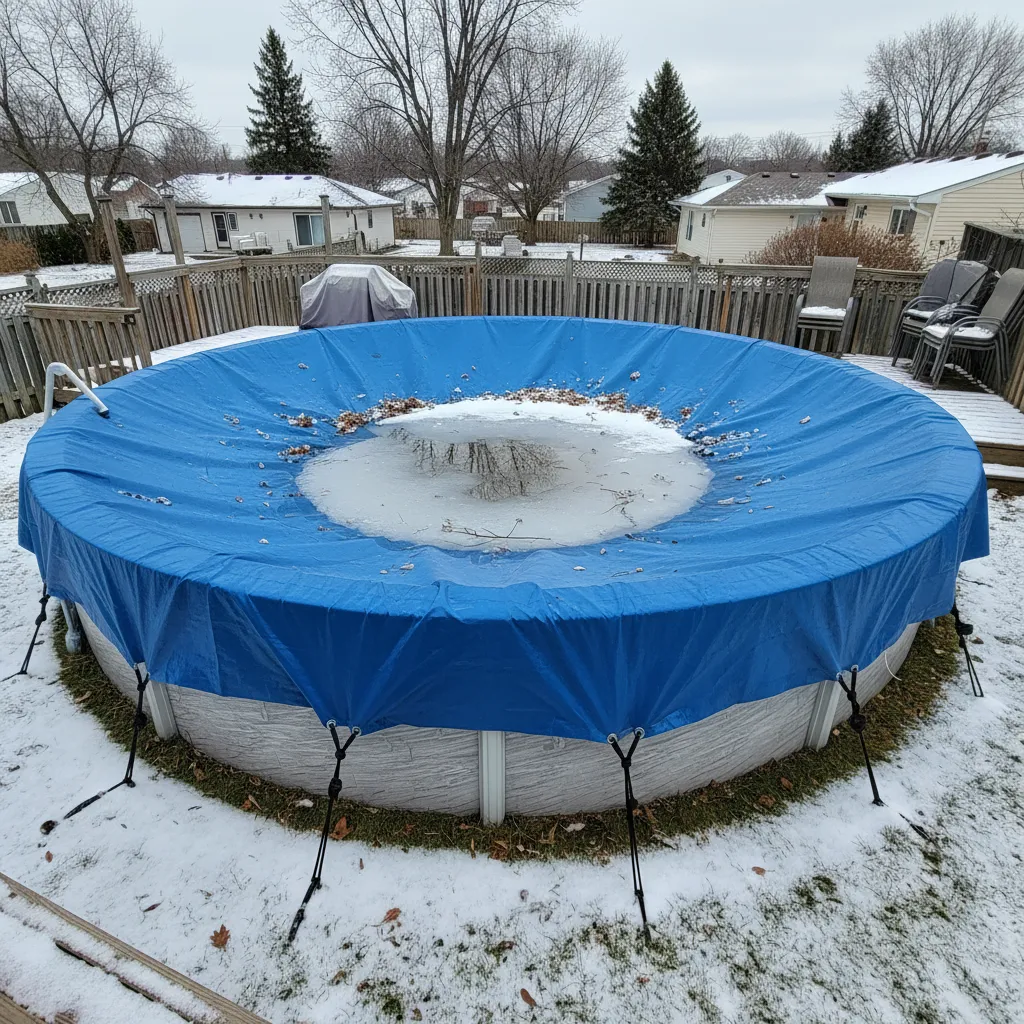
"Invest once to protect your liner and prevent a swamp in the spring."
Heavy-Duty Winter Pool Cover
Winter demand is high - check stock
Factors Influencing Copper Sulfate Pool Dosage
Determining the correct copper sulfate dosage for your pool requires analyzing multiple variables. Misapplication can lead to staining, equipment damage, or ineffective algae control. Let’s break down the critical factors. To achieve optimal results, it's important to calculate the precise amount needed. A specialized algaecide pool dose calculator can help you get it right every time.
Pool Volume and Water Chemistry
Copper sulfate effectiveness depends on precise concentration measured in parts per million (ppm). For algae prevention, aim for 0.2-0.5 ppm. To treat active infestations, increase to 0.5-1.0 ppm. Calculate dosage using this formula: Copper pipe systems can sometimes face issues with algae growth in copper pipe systems. Maintaining appropriate copper sulfate levels helps prevent these problems.
- Dosage (lbs) = Pool Volume (gallons) × Target PPM ÷ 2.7
A 20,000-gallon pool needing 0.5 ppm requires 3.7 lbs of copper sulfate. Always test alkalinity and pH first. Levels above 7.8 reduce copper ionization, diminishing efficacy. It’s also important to monitor pH levels closely. A low pH pool can lead to corrosion and skin irritation.
Algae Type and Severity
Different algae species demand adjusted dosages:
| Algae Type | Initial Dose | Follow-Up Dose |
|---|---|---|
| Green Algae | 0.5 ppm | 0.3 ppm after 24 hrs |
| Mustard Algae | 0.7 ppm | 0.4 ppm after 48 hrs |
| Black Algae | 1.0 ppm | 0.6 ppm weekly for 3 weeks |
Black algae often require brushing to penetrate protective biofilms. Combine copper sulfate with 30 ppm chlorine for synergistic effects.
Pool Surface Material
Vinyl liners and fiberglass are prone to cuprosolvency – a reaction causing blue-green stains. Limit exposure to 0.3 ppm in these pools. Plaster surfaces tolerate up to 1.0 ppm but may develop scale if calcium hardness exceeds 400 ppm.
Application Methods and Best Practices
Proper technique ensures even distribution and prevents localized copper buildup.
Pre-dissolving Copper Sulfate
Never broadcast crystals directly. Dissolve 1 lb per 5 gallons of warm water (80-90°F) in a plastic bucket. Stir until fully dissolved – about 15 minutes. Pour the solution around pool edges with the pump running. Keeping your pool balanced is crucial for optimal performance. Properly dissolving and adding pool stabilizer can help protect your chlorine levels from being broken down by sunlight.
Targeted Algae Treatment
For wall algae, use a sprayer to apply dissolved copper sulfate directly to affected areas. Maintain pump operation for 6-8 hours post-treatment. Backwash filters 24 hours later to remove dead algae and copper residues. Keeping your pool clean and free from algae is important for overall water quality. Regular maintenance can help prevent algae stains from forming in the first place.
Post-treatment Maintenance
- Test copper levels weekly using test strips (ideal range: 0.2-0.4 ppm)
- Add 4 oz of sequestering agent per 10,000 gallons to prevent staining
- Vacuum pool floors 48 hours after treatment
Also See: Sodium Thiosulfate Pool Calculator: Water Balance Tool

Dosage Guidelines by Pool Type
Material compatibility dictates safe copper thresholds. Always consult surface manufacturer guidelines.
Plaster Pools
Maximum safe dosage: 1.2 ppm. Apply in evening to reduce UV degradation. Brush surfaces daily during treatment to distribute copper ions.
Vinyl Liner Pools
Limit to 0.3 ppm. Use chelated copper formulas if available. Monitor for liner wrinkling – a sign of copper precipitation.
Fiberglass Pools
Apply 0.25 ppm every 10 days instead of single large doses. Avoid shocking within 12 hours of copper application.
Safety Considerations and Potential Risks
While effective, improper use carries significant consequences.
Metal Staining
Copper oxidizes at pH >7.6, causing blue-green stains on surfaces and hair. Treat stains with 2 lbs ascorbic acid per 10,000 gallons. Always balance water before copper applications. If you're having trouble with copper in your pool, it might be time to find a solution. Getting rid of copper can help maintain clear water and prevent stains. You can learn more about how to get rid of copper.
Bioaccumulation Risks
Copper doesn’t evaporate – it accumulates over time. Drain 25% of pool water if levels exceed 1.0 ppm. Some regions prohibit copper discharge; check local regulations.
Environmental Impact
Backwashing copper-laden water harms aquatic ecosystems. Use a portable sump pump to divert backwash to sanitary sewer lines where permitted.
FAQs - Common Copper Sulfate Questions
Can I Overdose Copper Sulfate?
Yes. Levels above 1.5 ppm may require partial drainage. Symptoms of overdose include metallic water taste and blonde hair turning green.
Are Copper-based Algaecides Better Than Chlorine?
Copper provides residual protection (7-10 days) versus chlorine’s immediate but short-lived action. Combine both for 99% algae eradication rates.
How Often Should I Apply Copper Sulfate?
Monthly preventive doses of 0.2-0.3 ppm. Increase frequency to weekly during heavy rainfall or swimmer loads above 20 people/day.
Does Copper Sulfate Affect Saltwater Pools?
High chloride levels (3000+ ppm) can oxidize copper electrodes. Maintain 0.2-0.3 ppm copper maximum in salt systems.
What Neutralizes Excess Copper?
Citric acid (1 lb/5000 gal) or EDTA-based sequestrants (12 oz/10,000 gal). For severe cases, drain 50% water and refill.

Special Cases and Advanced Tips
Saltwater Pool Adjustments
Reduce standard doses by 20% in saltwater pools. Test copper monthly – saline environments accelerate corrosion of copper heat exchangers.
Winterizing With Copper Sulfate
Apply 0.5 ppm before closing. Use sinking algicides in mesh bags for continuous release under cover.
Combining With Other Chemicals
- Avoid simultaneous use with sodium bromide (creates toxic copper bromide)
- Wait 4 hours between copper and enzyme treatments
- Shock 24 hours before copper application for best results
Benefits Of Proper Copper Sulfate Use
When applied correctly, copper sulfate:
- Reduces chlorine usage by 30-40%
- Prevents recurrent algae blooms for 14-21 days
- Works in pH ranges from 7.2-8.0 (broader than polyquats)
For precise calculations tailored to your pool’s dimensions and chemistry, visit My Pool Calculator. Our algorithms account for over 12 variables to generate customized dosing schedules.
Useful References for You:
- National Swimming Pool Foundation (NSPF). (2022). Pool & Spa Operator Handbook (4th ed.). Colorado Springs, CO: NSPF.
- What Does Copper Sulfate Do To Pool Water? - Swimming Pool SG
- How much copper sulfate should i use in my pool? - JacAnswers
- How To Add Copper Sulfate To Pools
- Copper Sulfate - TECHNICAL BULLETIN