Can Ducks and Turtles Swim in Chlorinated Pools?
Published on: December 31, 2025 | Last Updated: November 17, 2025
Written By: Rachael Weatherbottom
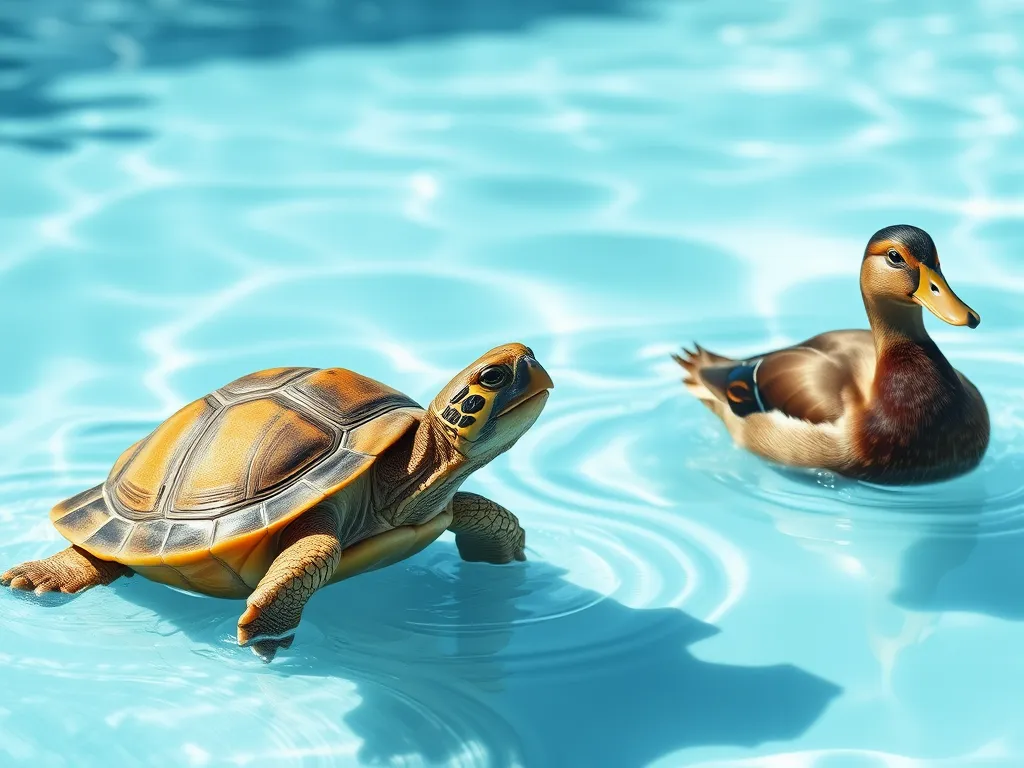
Ducks and turtles can physically swim in chlorinated pools, but the chemicals in the water pose serious risks to their health. Chlorine irritates their sensitive skin, eyes, and respiratory systems, while prolonged exposure can damage feathers, shells, or internal organs. Even brief contact with pool water containing 1-3 parts per million (ppm) chlorine—common in residential pools—may cause harm to these animals.
This article explores how chlorine impacts ducks and turtles differently. For ducks, we’ll break down how their waterproof feathers break down in chemically treated water, leaving them vulnerable to hypothermia. For turtles, you’ll learn why their semi-permeable skin absorbs chlorine faster than land animals, leading to poisoning risks. We’ll also cover immediate symptoms like lethargy or eye redness that signal distress.
You’ll get actionable solutions too. Discover humane duck deterrents like motion-activated sprinklers or reflective tape that keep pools bird-free. For turtle encounters, we detail safe removal techniques using pool skimmers and temporary holding containers. We’ll also explain how adjusting pH levels to 7.2-7.8 and using chlorine-neutralizing agents can make accidental exposure less dangerous.
Can Ducks Swim in Chlorine Pools?
Ducks naturally gravitate toward water sources, but chlorinated pools pose hidden dangers. While they may paddle briefly without immediate harm, extended exposure creates risks tied to chemical irritation and habitat mismatch. This raises important questions about water quality in different environments. Many natural pools, like fairy pools, can also be hazardous if not approached with caution.
Crucial Winterizing Products
"The all-in-one solution for a guaranteed clear spring opening."
All-in-One Closing Chemical Kit
Winter demand is high - check stock

"The 'set & forget' option. This is the easiest winterizing I've ever done."
Simple 3-in-1 Winterizing Balls
Winter demand is high - check stock
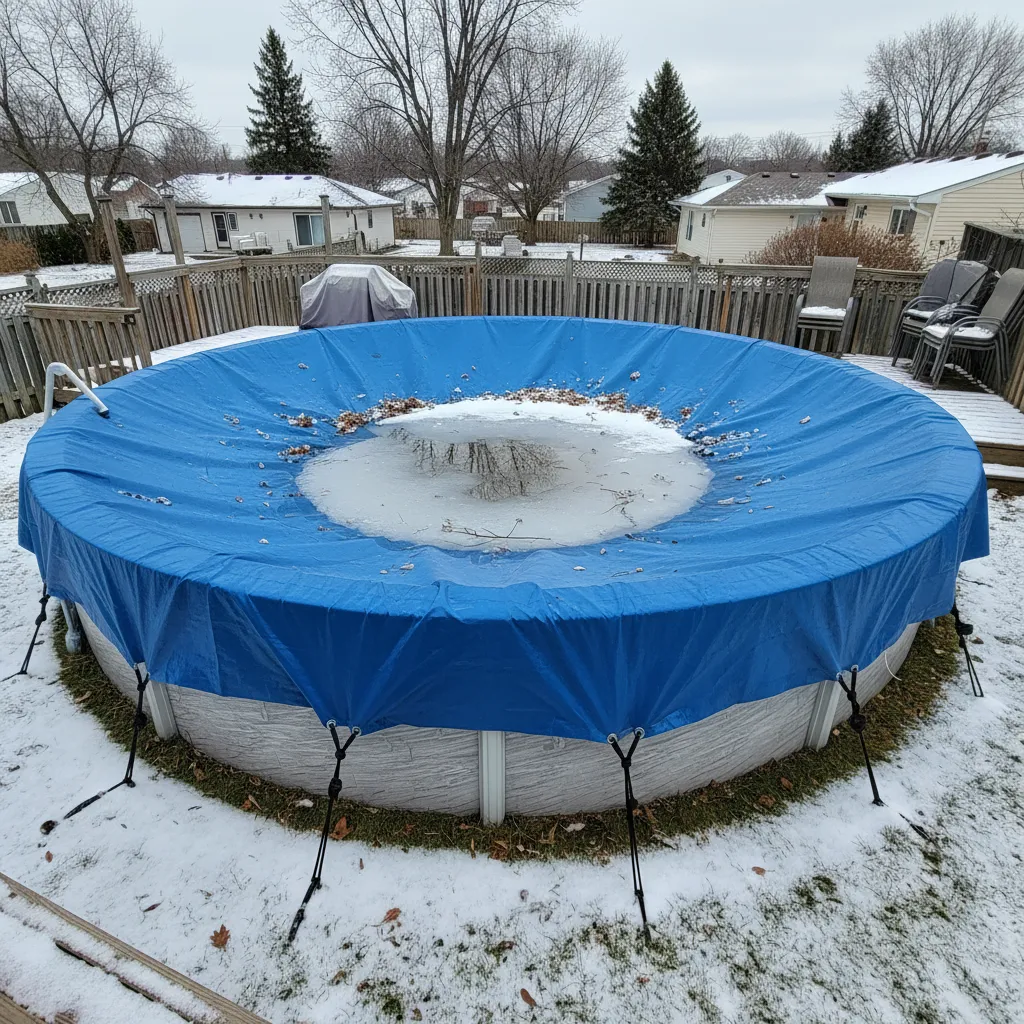
"Invest once to protect your liner and prevent a swamp in the spring."
Heavy-Duty Winter Pool Cover
Winter demand is high - check stock
Are Chlorinated Pools Safe for Ducks?
Pool water with chlorine concentrations above 1-3 ppm (standard for residential pools) disrupts duck health. Unlike natural ponds, chlorinated water strips oils from feathers, reducing waterproofing and thermal insulation. Ducks struggling to stay buoyant expend extra energy, leading to exhaustion. This highlights the importance of proper pool maintenance for all aquatic life. A well-managed pool helps ensure that both swimming and wildlife experience a healthier environment, influencing the lifespan of any products like Pool RX used for maintenance.
How Chlorine Affects Duck Health
Chlorine damages preen glands near the tail, which produce oils critical for feather maintenance. Prolonged contact causes skin dryness, eye irritation, and respiratory distress if ducks ingest water. Studies show chlorine levels as low as 2 ppm trigger inflammation in mucous membranes within 30 minutes.
Preventing Ducks From Entering Your Pool
Physical barriers remain the most reliable solution. Installing a pool cover or netting deters landings, while removing nearby food sources like insects or plants reduces attraction. Motion-activated sprinklers ($50-$200) startle ducks without harm, training them to avoid the area.

Effective Deterrent Methods for Pool Owners
Floating decoys resembling predators (e.g., alligator-shaped pool floats) exploit natural fear responses. Adding reflective tape or spinning pinwheels along the pool edge creates visual disturbances. For persistent cases, ultrasonic bird repellent devices emit frequencies above 20 kHz, imperceptible to humans but irritating to ducks.
While ducks face challenges in treated pools, turtles encounter different risks in chlorinated water. Let’s explore how shelled reptiles handle pool chemistry.
Can Turtles Swim in Chlorinated Pools?
While turtles are natural swimmers, chlorinated pools pose challenges for their health. Unlike ponds or lakes, treated water lacks the balanced ecosystem these reptiles need to thrive. Additionally, many people choose screened pools to create a comfortable swimming environment. However, these screens can block sunlight, which can further impact the wellbeing of turtles and other aquatic life.
Are Turtles Sensitive to Chlorine?
Turtles have permeable skin and shells, making them prone to absorbing chemicals. Chlorine, often at 1-3 ppm in pools, irritates their eyes, skin, and respiratory systems. Sodium hypochlorite—the active ingredient in pool chlorine—can strip protective oils from their carapace (shell), leaving it brittle.

Risks of Chlorine Exposure in Turtles
Short-term effects include redness around the eyes and lethargy. A 2020 study found turtles exposed to 2 ppm chlorine for 30 minutes showed 40% reduced activity levels. Prolonged contact may lead to shell ulcers or respiratory infections, as chlorine disrupts their mucous membranes.
Temporary Vs. Prolonged Pool Exposure
A brief dip (under 15 minutes) in a chlorinated pool is survivable for most turtles but not ideal. Always rinse the turtle with dechlorinated water afterward. Extended stays degrade their health—pool water lacks algae and insects they eat, leading to starvation even if chemical burns don’t occur first. Keeping the pool water balanced is essential for any creature’s health. This includes regularly checking the salt level in the pool to ensure it’s safe for any animals that may come in contact with it.
Safe Handling of Turtles in Pools
If a turtle enters your pool, remove it gently with a soft net. Soak it in fresh water treated with a reptile-safe conditioner like Reptisafe ($12–$18 per bottle) to neutralize residual chlorine. Consult a herpetologist if the turtle shows labored breathing or refuses food. Keeping your pool safe for wildlife includes monitoring the chemical levels. Regularly measuring pool chemicals ensures a healthy environment for both pets and animals.

Risks Of Chlorinated Pools for Aquatic Animals
Pool chemicals designed for human safety create hostile environments for wildlife. Ducks and turtles face unique threats due to their biology and behaviors.
Chemical Hazards in Pool Water
Beyond chlorine, pools contain cyanuric acid (stabilizer), algaecides like polyquaternium-40, and sometimes bromine. These compounds disrupt the natural oils on duck feathers, reducing buoyancy. For turtles, chemical cocktails can impair kidney function over time. Proper filtration is essential for keeping pool water clean and safe. A backwash pool cartridge filter effectively removes these chemicals and contaminants from the water.
Chlorine Levels and Animal Safety
The EPA’s maximum chlorine level for drinking water is 4 ppm, but ducks and turtles thrive best at 0 ppm. Even 0.5 ppm—common in lightly treated pools—can irritate a duck’s preen gland, affecting feather waterproofing. Saltwater pools (3,000–6,000 ppm salinity) are equally risky, causing dehydration in both species.
Long-term Health Impacts on Ducks and Turtles
Ducks repeatedly entering chlorinated pools may develop chronic dermatitis or liver damage from ingesting tainted water. Turtles face carapace erosion and suppressed immune systems. A 2018 case study revealed box turtles exposed weekly to pool water had a 60% shorter lifespan than pond-dwelling counterparts.
To minimize risks, pool owners should explore animal-friendly sanitation alternatives—a topic we’ll explore next.
Also See: Can You Swim in a Purple Pool? Read This First
Pool Care Tips for Pet Owners
Keep your pool safe for ducks, turtles, and pets with smart steps. Learn how to tweak pool chems and add simple tools to help wildlife stay unharmed.
Reducing Chlorine Risks for Visiting Wildlife
Ducks and turtles face harm from pool chems. High chlorine can burn eyes, harm scales, or hurt their gut if drank. Use less chlorine (0.5-1 ppm) when animals visit often. Try saltwater systems or UV lights to cut chem use. Cover the pool when not in use to block access. The balance of chlorine and cyanuric acid is crucial for pool safety. Proper levels of cyanuric acid can help stabilize chlorine, making it safer for wildlife.
Balancing Pool Chemistry for Animal Safety
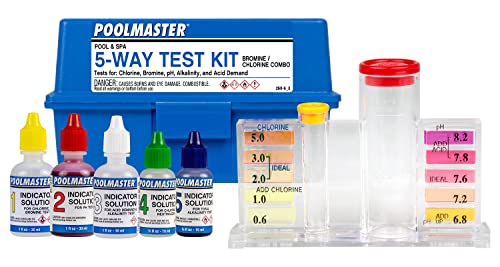
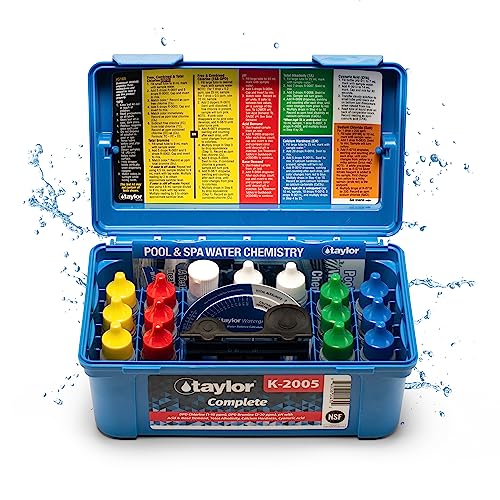
Test water each week. Keep pH between 7.2-7.6 to avoid skin harm. Add a stabilizer (cyanuric acid) to slow chlorine loss, but keep levels under 50 ppm. See safe ranges below: Testing and adjusting cyanuric acid levels can help maintain effective chlorine and protect your pool. Regular monitoring ensures a balanced water environment for swimmers.
| Factor | Safe Range | Cost to Fix |
|---|---|---|
| Free Chlorine | 0.5-1 ppm | $10-$30 |
| pH Level | 7.2-7.6 | $15-$50 |
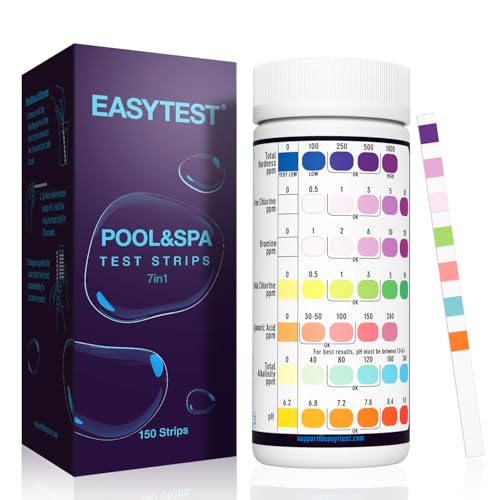
For salt pools, keep salt under 3,500 ppm. Check with test strips ($10-$20).
Creating a Pet-friendly Pool Environment
Add ramps or steps to let ducks and turtles climb out fast. Use mesh covers that hold weight but block falls. Plant bushes like lavender or rosemary near the pool edge—their smell keeps turtles away. Set up a motion spray ($40-$100) to scare off ducks.
If a turtle or duck gets in, rinse them with fresh water right away. Dry their wings or shell with a soft cloth to stop chills. Offer a shallow bowl of fresh water nearby to lure them from the pool. After the rain, you might notice a pool of water collecting in your yard. It’s important to drain that pool to prevent attracting unwanted animals.
Even with these fixes, risks remain. Let’s tackle common questions next.
FAQs: Ducks, Turtles, and Chlorinated Pools
How Does Chlorine Exposure Affect a Duck’s Ability to Fly?
Chlorine degrades the natural oils in duck feathers, compromising their waterproofing. This causes feathers to become waterlogged, adding weight and reducing insulation. Ducks expend excessive energy trying to stay afloat, leaving them too exhausted for sustained flight.
Are Saltwater Pools a Safer Alternative for Wildlife?
No. Saltwater pools (3,000–6,000 ppm salinity) dehydrate ducks and turtles through osmosis. While less irritating than chlorine, high salt concentrations disrupt fluid balance in both species, leading to kidney strain and lethargy over time. This impact on wildlife can create a perfect environment for lice to thrive. Lice can spread quickly in pools where animals gather, making it important to monitor their health carefully.
What Wildlife-safe Pool Sanitizers Can Replace Chlorine?
UV-C light systems and ozone generators reduce reliance on chlorine by neutralizing bacteria and algae. These methods maintain water clarity without harsh chemicals, though initial installation costs ($1,000–$3,000) are higher than traditional systems. As a result, many pool owners are exploring safer alternatives for sanitizing their pools. UV pool sanitation offers an effective way to keep water clean while minimizing chemical use.
When Should I Contact a Wildlife Rehabilitator?
Seek professional help if a duck or turtle shows labored breathing, seizures, or inability to move after pool exposure. For turtles, shell softening or cracked scutes also warrant immediate veterinary intervention. It’s important to consider how these signs can relate to the overall health of the pool environment. Regularly checking for issues like a hole in the pool liner can help prevent harm to wildlife.
Closing Thoughts
Chlorinated pools pose risks to ducks and turtles, from skin irritation to long-term health issues. While brief exposure may not always be fatal, prolonged contact with chlorine damages their delicate systems. Pool owners should deter wildlife with barriers like pool covers or netting.
For those with pet turtles, avoid chlorinated water entirely—opt for filtered, dechlorinated setups. Maintaining balanced pool chemistry (1-3 ppm chlorine) helps minimize harm if animals accidentally enter. Regular testing ensures safer conditions.
Need help managing your pool’s chemical levels? Check out My Pool Calculator for precise water balance tools and wildlife-safe maintenance tips.
Additional Resources for You:
- Pool & Hot Tub Alliance (PHTA). (2021). ANSI/APSP/ICC-11 Standard for Water Quality in Public Pools and Spas. Alexandria, VA: PHTA.
- How harmful is a chlorine pool for ducks? – Quora
- Will a regular chlorine swimming pool hurt ducks | BackYard Chickens – Learn How to Raise Chickens
- Can ducks swim in Chlorine water? – Quora
- Expert Advice on Turtles in Pools | JustAnswer
A pool care geek who’s been testing water chemistry since she was tall enough to reach the skimmer.
Chlorine, Pool Chemistry, Sanitizers