Can Lice Spread in Swimming Pools? Here’s What Science Says
Published on: December 31, 2025 | Last Updated: November 17, 2025
Written By: Rachael Weatherbottom
Head lice cannot spread through pool water according to the CDC. These pests grip tightly to hair shafts, don’t swim, and survive less than 24 hours when submerged. While direct water transmission is unlikely, shared towels, brushes, or close head-to-head contact near pools pose real risks. Chlorine levels in pools (typically 1-3 ppm) won’t reliably kill lice eggs (nits), making prevention critical for active infestations.
This article breaks down how lice behave in aquatic environments, backed by studies from the American Academy of Pediatrics and public health data. You’ll learn why saltwater pools don’t guarantee protection, how long nits survive underwater, and why floating lice don’t equal contagious threats. We’ll explore the science behind chlorine’s limitations and why shared poolside items matter more than the water itself.
Get actionable strategies: Discover proper swim cap use, towel hygiene, and filter cleaning protocols proven to reduce risks. We’ll also debunk myths about drowning lice with conditioner or relying solely on water temperature. Whether managing a community pool or planning family swim days, these evidence-based tips help balance safety with practicality.
Understanding Lice Transmission and Pool Environments
Lice spread through direct head-to-head contact or shared items like hats. But pools add water and shared spaces to the mix. Let’s break down how lice types and habits shape risk in these settings.
Crucial Winterizing Products

"The all-in-one solution for a guaranteed clear spring opening."
All-in-One Closing Chemical Kit
Winter demand is high - check stock

"The 'set & forget' option. This is the easiest winterizing I've ever done."
Simple 3-in-1 Winterizing Balls
Winter demand is high - check stock
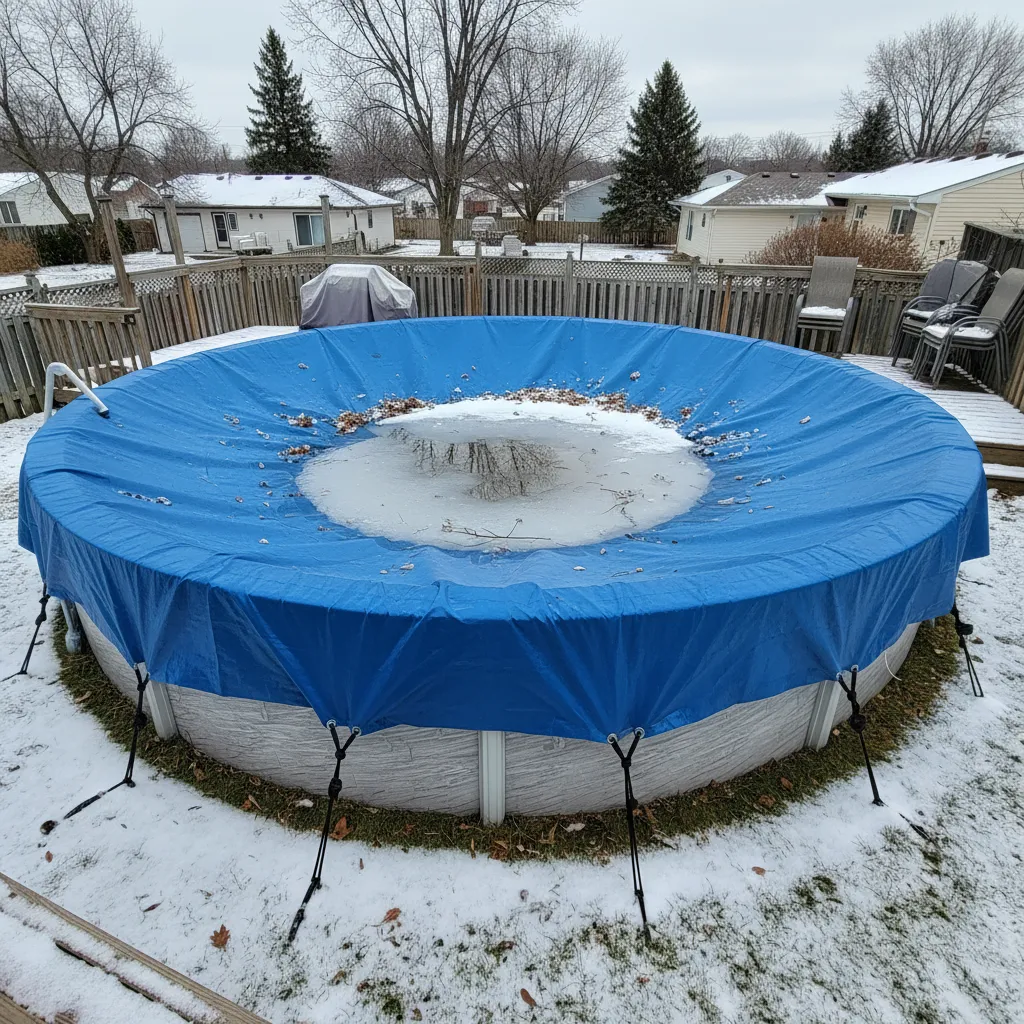
"Invest once to protect your liner and prevent a swamp in the spring."
Heavy-Duty Winter Pool Cover
Winter demand is high - check stock
Types Of Lice and Their Survival Mechanisms
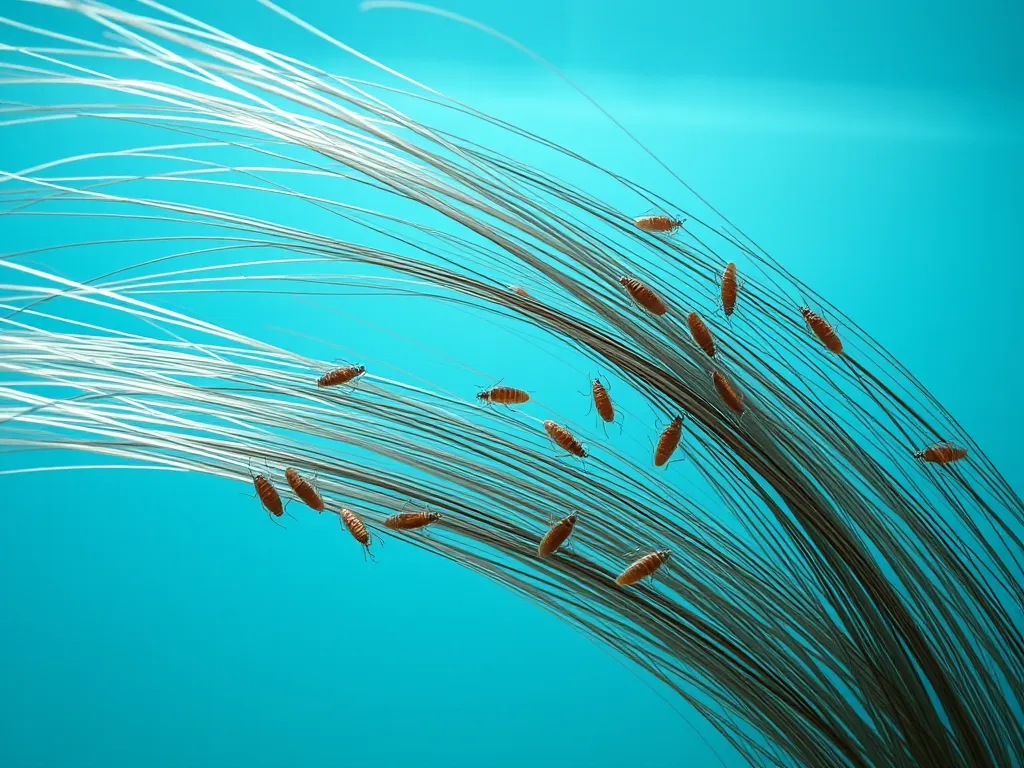
Three lice types affect humans: head, body, and pubic lice. Only head lice (Pediculus humanus capitis) raise pool concerns. These pests grip hair shafts with hook-like claws, surviving up to 24 hours off a host. Body lice live in clothes, not pools.
Head Lice vs. Body Lice: Key Differences
Head lice cling to hair and die within 1-2 days away from scalps. Body lice nest in fabric seams, feeding on skin but avoiding water. Pool water won’t harbor body lice, making head lice the sole focus for swimmers. Nits (eggs) glue to hair near the scalp, resisting rinsing or shaking.
How Lice Spread in General
Lice crawl—they don’t jump or fly. Transfer requires direct hair contact or sharing items that trap stray hairs. In locker rooms, hats or brushes pose risks, but water changes the game.
Close Contact vs. Shared Items
Swim lessons or games with head bumps raise transmission odds more than pool water itself. Shared towels or gear left damp may host stray lice for 6-12 hours. Chlorine doesn’t kill lice instantly, but submersion limits movement. A louse in water holds its breath via spiracles (air tubes) for up to 4 hours, drifting until it finds hair.
While pool settings pose unique questions, lice rely on human contact, not water, to spread. Next, we’ll test claims about their survival in pool water and chlorine’s role.
Can Lice Survive in Pool Water?
Examining whether lice can thrive in aquatic environments requires a look at their physical traits and survival strategies. These parasites rely on human hosts for nourishment and warmth, but pool conditions present unique challenges.
Do Lice Swim or Float in Water?
Lice lack the ability to swim. Their claw-like legs evolved to grip hair shafts, not propel through water. When submerged, adult head lice enter a dormant state, often floating due to trapped air bubbles around their bodies. This buoyancy might create the illusion of movement, but they cannot navigate toward new hosts actively.
How Long Can Lice Live in Swimming Pools?
Studies show submerged lice survive up to 6 hours in pool water. Their resilience stems from a unique respiratory system that slows oxygen consumption when deprived of air. While temporary submersion won’t eliminate an infestation, extended exposure beyond 8 hours typically proves fatal.
Impact of Submersion Time on Lice Survival
| Submersion Duration | Survival Rate |
|---|---|
| 0-2 hours | 95% |
| 2-4 hours | 70% |
| 4-6 hours | 30% |
| 6+ hours | 0% |
While prolonged water exposure reduces survival odds, lice rarely detach from hair during typical swim sessions, making pool-to-person transfer unlikely.
Do Chlorine Pools Kill Lice?
Chlorine’s role in sanitizing pools raises questions about its effectiveness against these parasites. Standard pool chemistry targets bacteria and viruses, not lice specifically. The presence of cyanuric acid in the pool can affect how chlorine works. It helps to stabilize chlorine, ensuring that it remains effective for a longer period.
Effectiveness Of Chlorine Against Adult Lice
Research from the Journal of Medical Entomology reveals adult lice survive over 30 minutes in water with 3 ppm chlorine – the upper limit for residential pools. Chlorine damages their exoskeletons gradually but doesn’t guarantee elimination during standard swim times.
Does Chlorine Eliminate Lice Eggs (Nits)?
Nits prove even more chlorine-resistant than adults. The glue-like substance binding eggs to hair shafts creates a protective barrier. Tests show nits remain viable after 8 hours of chlorine exposure at 5 ppm, a concentration exceeding safe swim levels.
Recommended Chlorine Levels for Pool Safety
The CDC advises maintaining chlorine levels between 1-3 ppm for optimal pool hygiene. While effective against pathogens like E. coli, these levels don’t reliably neutralize lice or nits. Regular water testing with digital test strips (0-10 ppm range) helps maintain proper chemical balance without irritating swimmers’ skin. Keeping track of cyanuric acid levels is also crucial. Proper testing can help ensure it is raised or lowered as needed to protect chlorine from sunlight and keep the water safe.
While pool chemicals play a vital role in general sanitation, their limited impact on lice survival shifts focus to saltwater systems – a topic we’ll explore next.
Also See: Can You Swim With Floc in the Pool? Know This
Saltwater Pools and Lice Survival
Many pool owners wonder if saltwater systems offer better protection against parasites like lice. While saltwater pools use electrolysis to generate chlorine, the environment differs from traditional chlorinated setups. Let’s break down how lice interact with these systems. When considering the best type of swimming pool, it’s interesting to look at the materials used. Different materials can affect maintenance, durability, and aesthetics, which all play a part in the overall pool experience.
Can Salt Water Kill Lice?
Saltwater pools typically maintain salinity levels between 2,500-4,000 parts per million (ppm). While salt can dehydrate lice over time, these concentrations are far lower than what’s needed to kill them quickly. Studies show lice survive submerged in saltwater for up to 6 hours by entering a dormant state, closing their breathing pores to conserve energy. Only prolonged exposure to concentrations exceeding 20% sodium chloride proves lethal—far beyond pool standards. The effectiveness of pool sanitation methods can depend on how long the pool pump runs each day. Therefore, managing the pump run time is essential for maintaining water quality and clarity.
Comparing Saltwater Vs. Chlorinated Pools
Neither system reliably eliminates lice. Chlorinated pools maintain 1-3 ppm free chlorine, which irritates lice but doesn’t kill them outright. Saltwater’s lower chlorine output (0.5-1 ppm) offers no advantage. Both environments temporarily immobilize lice, but survival rates remain similar. The real risk lies in shared towels or gear, not the water itself. When considering safety in a pool, it’s also important to think about different chemicals used, like using pool antifreeze that is safe. This can help protect your pool without harming swimmers or the environment.
Preventing Lice Spread in Pool Settings
Focusing on hygiene reduces risks more effectively than relying on water chemistry. Proactive measures keep pools safe without unnecessary closures.
Essential Pool Hygiene Practices
Regular maintenance matters. Skim debris daily to remove potential contaminants. Test water chemistry weekly, keeping pH between 7.2-7.8 to optimize sanitizer effectiveness. Use enzyme-based cleaners for scum lines where organic matter accumulates.
Cleaning Filters and Surfaces
Backwash sand or DE filters monthly during peak season. Cartridge filters need hosing every 2 weeks. Scrub ladder steps and pool edges with a 10:1 water-to-bleach solution, focusing on textured surfaces where lice could temporarily cling. Additionally, keeping the surrounding area clean is equally important. This includes maintaining clean cement around the pool to enhance safety and cleanliness.
Guidelines for Swimmers With Active Infestations
Those with live lice should avoid shared pools until treated. The CDC recommends waiting 24 hours after the first medicated shampoo application. Swim caps reduce but don’t eliminate transmission risks—lice can’t swim, but loose hairs carrying nits might detach. Just like lice, certain chemicals in a pool can pose health risks. A sulfuric acid pool needs careful handling to ensure safety for swimmers.
Pre-Swim Hair Care Recommendations
Apply dimethicone-based products before swimming. These silicone oils coat hairs, making it harder for lice to grip. Avoid heavy conditioners, which can create a slippery film on pool surfaces. Post-swim, use fine-toothed combs to remove pool water residue. Keeping your pool clean is essential for a great swimming experience. A program Pentair pool pump can ensure your pool remains in top shape.
Debunking Myths About Lice and Pools
Misinformation persists about how lice interact with aquatic environments. Let’s separate fact from fiction.
Can You Drown Lice With Conditioner or Shampoo?
Thick hair products don’t suffocate lice. They can survive up to 8 hours submerged by slowing their metabolism. While coatings like mayonnaise or olive oil might slow movement temporarily, they won’t kill lice. Medicated treatments containing permethrin or pyrethrins remain the gold standard.
Does Hot Water in Pools Kill Lice?
Most pools operate between 78-82°F—nowhere near the 130°F required to kill lice. Even heated pools or hot tubs rarely exceed 104°F for safety reasons. Thermal shock isn’t a viable solution. Keeping pool environments clean is crucial for health and safety. This is why staffing solutions like a float pool can be essential for maintaining proper hygiene and support in facilities that have to manage such challenges.
Can Lice “Transfer” Via Pool Liners or Toys?
Lice can’t live longer than 24 hours without human contact. Vinyl liners and plastic toys don’t provide the warmth or food source they need. Simply rinsing shared items with 140°F water (tolerable for brief hand contact) removes any stray insects.
While pools pose minimal lice transmission risks, proper hair care and maintenance routines help everyone stay comfortable. Next, we’ll explore common questions about managing lice concerns in community swim areas. It’s also important to think about safety when using a pool. Pool safety covers can help prevent accidents when the pool is not in use.
FAQs: Addressing Additional Pool-related Lice Concerns
Can UV Pool Sanitation Systems Kill Lice?
UV systems effectively neutralize bacteria and viruses but have no proven impact on lice or nits. These parasites’ exoskeletons and egg casings protect them from ultraviolet light, making UV treatment ineffective for lice control in pools.
What’s the Proper Way to Disinfect Pool Towels After Use?
Wash towels in water ≥130°F (54°C) for at least 20 minutes, followed by high-heat drying. This combination eliminates stray lice and nits that might cling to fabrics during poolside use.
Are Children More Susceptible to Lice in Pool Environments?
Children face higher lice risks due to frequent head-to-head contact during play, not pool water exposure. Their tendency to share towels and pool toys amplifies transmission opportunities compared to adults. When considering outdoor activities, many families look for ways to create a fun environment. Building your own inground pool can be a great solution for providing a safe and enjoyable space for children to play and socialize.
Can Lice Infestations Be Linked to Recent Pool Visits?
Science shows pool water itself rarely causes infestations. If lice appear after swimming, transmission likely occurred through shared items like brushes or direct head contact near the pool, not the aquatic environment. However, there are other factors to consider regarding pool maintenance. One important aspect is how pool water can evaporate at night.
Do Waterproof Hair Products Prevent Lice Transmission?
While silicone-based serums (e.g., dimethicone) create a slippery hair surface, they don’t fully block lice attachment. These products may reduce—but not eliminate—grip opportunities for stray lice during close-contact activities.
Closing Thoughts
While lice can survive briefly in pool water, the risk of transmission in swimming pools is minimal. Chlorine and saltwater reduce their viability, but direct head-to-head contact remains the primary way lice spread. Proper hygiene and regular pool maintenance further lower any potential risks.
For more pool safety tips and water chemistry guidance, explore My Pool Calculator. Keep your pool balanced and your swim sessions worry-free with our expert-backed resources.
Additional Resources for You:
- American National Standards Institute (ANSI). (2020). ANSI/PHTA Standards for Residential Swimming Pools. New York, NY: ANSI.
- Do head lice spread in swimming pools? – PubMed
- Can Lice Survive Chlorine In Swimming Pools? – Lice Sisters – Safe Non-toxic Lice Treatment
- Bath Time – Did you know lice can survive under water?
- DOES CHLORINE KILL LICE? | LiceDoctors
A pool care geek who’s been testing water chemistry since she was tall enough to reach the skimmer.
Algae Treatment, Common Problems, Pool Chemistry