Can You Build and Dig Your Own Inground Pool?
Published on: January 9, 2026 | Last Updated: November 17, 2025
Written By: Rachael Weatherbottom
Building and digging your own inground pool is possible with proper planning, physical labor, and adherence to local regulations. While professional installations typically cost $35,000-$65,000, a DIY approach can reduce expenses by 40-60% if you handle excavation, plumbing, and structural work. Success depends on obtaining permits, understanding soil conditions, and investing 200-300 hours of labor over several weeks.
This article breaks down every phase of DIY pool construction. Explore the pros and cons of self-installation versus hiring contractors, including skill requirements for tasks like operating compact excavators (rental: $300-$500/day) or hand-digging small pools. Learn how to navigate zoning laws, calculate material costs for vinyl liner or fiberglass shell options, and avoid common pitfalls like improper drainage or code violations.
Upcoming sections provide detailed checklists for permits in most states, safety protocols during excavation, and comparisons of pool kit brands. Whether you’re considering a 12’x24’ vinyl pool or a hand-dug plunge pool, we’ll help you assess if DIY is realistic for your budget, timeline, and backyard conditions.
Is Building Your Own Inground Pool Feasible?
Constructing your own inground pool demands more than just enthusiasm. While the idea of digging earth or pouring concrete might seem straightforward, the process involves precise engineering, local code compliance, and physical labor most homeowners underestimate. Let’s break down what it truly takes to turn this project from dream to reality. Creating a beautiful pool area can significantly enhance your backyard. With careful planning, you can design a space that combines relaxation and fun for your family and friends.
Crucial Winterizing Products

"The all-in-one solution for a guaranteed clear spring opening."
All-in-One Closing Chemical Kit
Winter demand is high - check stock

"The 'set & forget' option. This is the easiest winterizing I've ever done."
Simple 3-in-1 Winterizing Balls
Winter demand is high - check stock
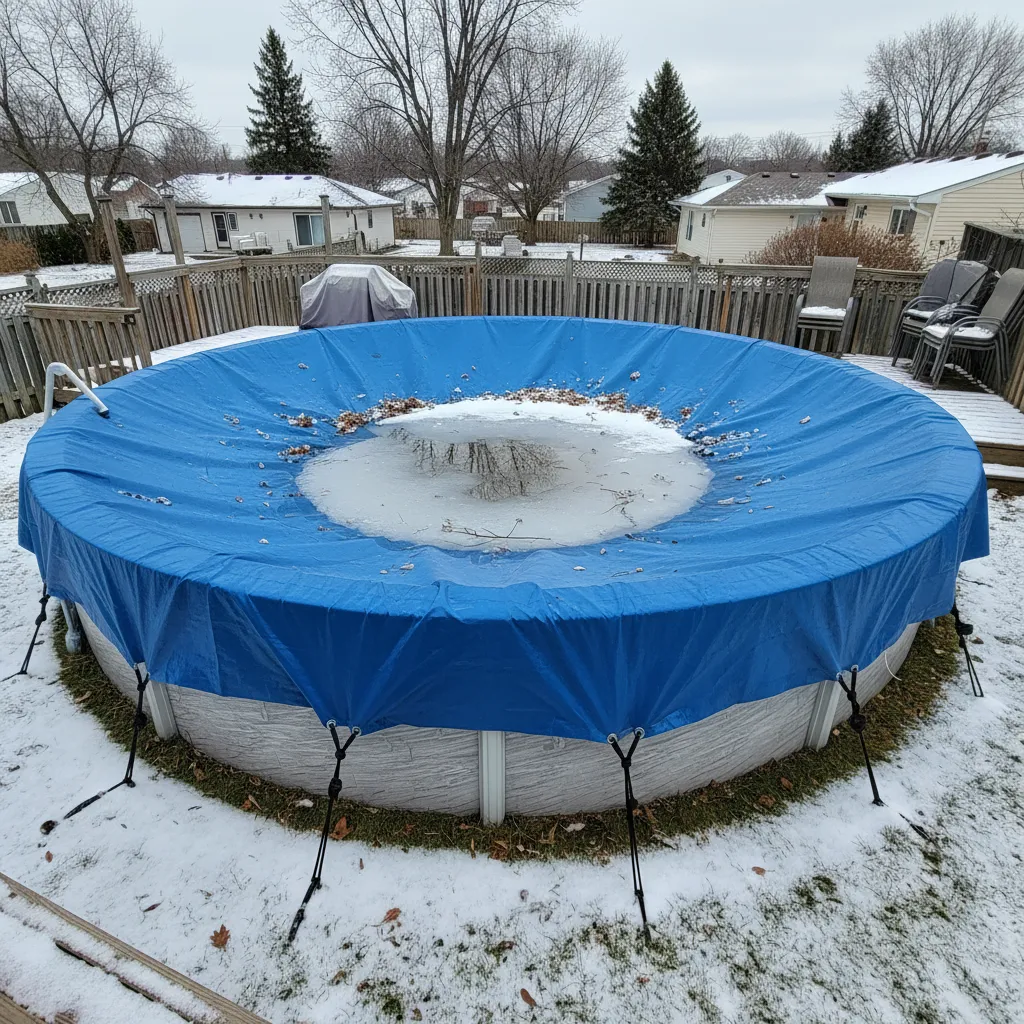
"Invest once to protect your liner and prevent a swamp in the spring."
Heavy-Duty Winter Pool Cover
Winter demand is high - check stock
Pros and Cons Of DIY Pool Construction
Building your own inground pool could save up to 60% compared to hiring pros—$15,000-$35,000 versus $50,000-$100,000 for contractor-built pools. But those savings come with trade-offs: By taking on this project yourself, you’ll need to consider various costs, including the cost of filling your pool with a water truck. The cost of filling your pool with a water truck can vary based on location and pool size.
| Pros | Cons |
|---|---|
| Full design control (shape, depth, features) | Permit delays (4-8 weeks common) |
| No labor markup on materials | Heavy machinery rentals ($200-$500/day) |
| Potential 40-60% cost reduction | Risk of structural flaws without engineering checks |
Hand-digging a 16’x32’ pool requires moving 20-40 tons of soil. Even with machinery, slopes exceeding 3:1 ratios risk collapse. Without proper shoring, walls cave in—a leading cause of DIY failures. Considering these challenges, it’s important to think about the overall design of your pool area. A well-planned pool hill can enhance both the safety and aesthetics of your backyard.
Skill and Labor Requirements
Successful DIY builds require proficiency in five core areas: excavation, plumbing, electrical, shotcrete application, and waterproofing. For example, setting steel rebar grids needs precise 12” spacing for structural integrity. Mistakes like using non-corrosion-resistant pipes or misaligned returns lead to leaks costing $2,000+ to fix.
Physical demands are extreme. Digging just 6” deep per day in compacted clay might take 8-12 weeks manually. Teams of 3-5 people working 6-hour shifts are typical for projects lasting 4-8 months. Specialty tools like transit levels ($300-$900) or rebar benders ($150-$400) add complexity.
Legally, most counties require stamped engineering plans for pools deeper than 5’. Inspections at four stages—footings, plumbing, electrical, final—are mandatory. Missing permits risk fines up to $10,000 or forced removal.
With labor demands in mind, let’s examine how costs stack up against professional installations.
Cost Analysis: DIY Vs Professional Installation
Building your own inground pool can save money but needs smart budget choices. Let’s break down costs for digging, materials, and tools.
How Much Does It Cost to Dig a Buried Pool?
Digging a pool hole costs $500-$5,000+ based on method. Pros use heavy gear like backhoes (machines with digging arms), but rentals add up. Manual digging is cheaper but takes weeks of hard work. Once the pool hole is dug, you should consider additional costs like the total cost to drain a pool. The total cost to drain a pool can vary significantly depending on the size and type of pool.
Excavator Rental vs Manual Digging Costs
Renting a mini-excavator runs $250-$450 per day. A 12×24-foot pool may need 3-5 days. Hand tools like shovels and picks cost under $200 total but add labor time. Soil type matters—rocky ground hikes machine rental fees by 30%. When planning a shipping container pool, it’s important to consider these additional costs. Overall, the expenses for excavation can significantly impact the total shipping container pool cost.
What is the Cheapest Way to Build an Inground Pool?
Vinyl liner pools cost $25-$35 per square foot. Fiberglass shells start at $20,000 but cut install time. Concrete is pricier at $50-$100 per square foot due to forms and curing. When considering outdoor activities, it’s fun to think about how other types of pools can bring joy. Chickens can also enjoy their own kiddie pools, creating a playful spot for them to cool off and splash around.
Budget-Friendly Material Options
- Vinyl liners: $1,500-$3,500 (last 5-9 years)
- Pre-built fiberglass walls: $10,000-$15,000
- Recycled steel panels: 20% less than new
My Pool Calculator: Estimating Your Project Expenses
Use our free tool at My Pool Calculator to plug in size, depth, and materials. Get real-time quotes for gear rentals, permits ($200-$800), and water fill-up (15,000 gallons ≈ $90-$150). You can also find out how many gallons your oval pool will hold with our easy-to-use gallon calculator. This helps you to accurately plan your pool maintenance and chemical needs.
Step-by-step Guide to Building Your Own Pool
Ready to build your own pool? Follow these steps to avoid common traps.
Step 1: Planning and Design
Draw your pool shape with exact depth zones. Most DIY pools stay under 12 feet deep for safety and ease. Mark spots for skimmers, drains, and steps.
Creating a Custom Blueprint
Use software like Pool Studio or graph paper. Note where soil drains well—slopes over 2 inches per foot need extra leveling.
Local Zoning Laws and Permit Acquisition
Check setback rules (often 10 feet from property lines). Fence height (4-6 feet) and gate locks are common needs. Submit plans to your city’s building office with a $75-$300 fee.
Step 2: Site Preparation
Clear grass, rocks, and roots. Rent a sod cutter for $80/day to strip turf fast. Call 811 to mark buried wires or pipes first.
Ground Leveling and Utility Checks
Use a laser level ($100/week rental) to check slopes. Fill low spots with gravel—not topsoil—to stop shifts. Double-check gas/water line marks before digging.
Step 3: Digging Process
Start at the deep end. For machine digs, keep walls at a 45-degree angle to stop cave-ins. Hand-digging? Work in sections—aim for 6 inches of progress per hour.
Using Machinery vs Hand-Digging Techniques
Mini-excavators move 5 cubic yards per hour. Shovels move 1-2 cubic feet. Wear gloves and knee pads for hand work. Rent a dirt hauler ($40/day) to clear debris.
Step 4: Structural Installation
Set walls or pour concrete footers first. For vinyl, snap panels together and add braces every 4 feet. Run PVC pipes (1.5-2 inch width) to the pump site.
Setting Walls/Liners and Plumbing
- Vinyl liners: Smooth wrinkles with a shop vac
- Glue pipes with PVC cement ($10/tube)
- Test for leaks at 10-15 PSI pressure
Step 5: Filling and Initial Maintenance
Fill the pool over 24-48 hours to avoid liner shifts. Start the pump right away. Balance pH first (7.4-7.6 ideal), then add chlorine (1-3 ppm).
Water Treatment Basics from Pool Care Perspective
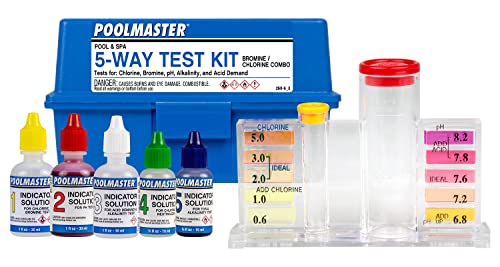
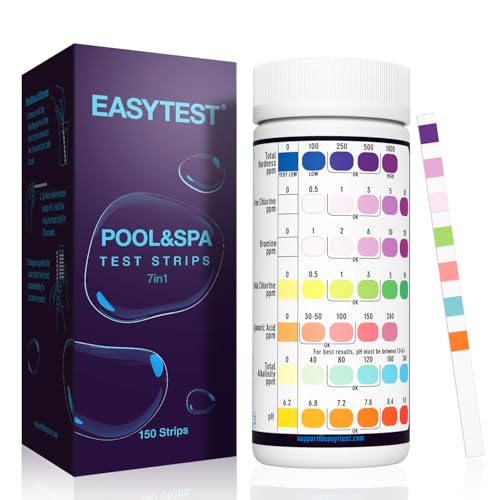
Test strips ($15/50 strips) check alkalinity (80-120 ppm) and calcium (200-400 ppm). Shock the water with 1 pound of granular chlorine per 10,000 gallons weekly.
Once your pool is full, the real work begins—keeping it clean and safe. Let’s explore how to handle daily care without pro help.
Also See: Can You Build a Pool on a Hill? Consider Key Factors
Methods for Digging Your Pool
Choosing the right excavation method impacts project timelines, costs, and physical effort. While machinery speeds up the process, manual digging offers flexibility for tight spaces or budget-conscious builders.
How to Dig a Pool Without an Excavator
Renting a mini-excavator costs $200-$400 daily, but alternatives exist. A backhoe attachment for tractors can dig 8-10 feet depths, while manual tools like post-hole diggers work for small plunge pools. For larger projects, consider hiring a skid-steer loader with a bucket attachment ($175/day) to move soil faster than hand-digging. Slope walls at 45 degrees to prevent collapses during excavation.
Can You Dig a Swimming Pool Entirely by Hand?
Yes, but expect 80-120 hours of labor for a 12’x24’ pool. Hand-digging suits shallow designs (under 5 feet) like cocktail pools or natural swimming ponds. Deeper pools risk soil instability—clay or rocky terrain increases difficulty by 40% compared to sandy soil. Proper maintenance is important, especially in winter. Running the pool pump during colder months helps prevent freezing and keeps the water clean.
Tools Needed for Manual Excavation
A mattock breaks compacted earth, while trenching shovels remove loose soil. Pair a 10-gallon wheelbarrow with a laser level ($50) to maintain consistent depth. Rent a plate compactor ($75/day) to stabilize the base before installing pool walls.
Reviving Filled-in Pools: Can You Re-dig Them?
Re-digging requires locating the original pool footprint through property records or ground-penetrating radar ($300-$500). Check local codes: some areas mandate full removal of old liners or concrete shells. Expect 20% higher costs due to debris disposal and potential soil contamination testing. When considering a pool renovation, factors like surface choice can influence overall expenses. Pebble Tec, for example, can add to the pool cost but offers durability and aesthetic appeal.
Legal and Safety Requirements
Ignoring regulations risks fines up to $10,000 or forced pool removal. Always consult municipal offices before breaking ground.
Essential Permits for DIY Pool Construction
Building permits ($500-$2,000) verify pool structural plans meet International Residential Code standards. Electrical permits ($150-$300) cover pump wiring, while plumbing permits apply if connecting to sewer lines. Most states require fencing (4-6 feet tall) with self-latching gates—factor $15-$35 per linear foot for materials. Once you have all the necessary permits in place, it’s important to consider chemical balance in your pool. A stabilizer is essential for maintaining water quality, especially in a 10,000-gallon pool.
Insurance and Liability Considerations
Update homeowners insurance to include “pool structures” coverage ($50-$100 annually). If hiring helpers, temporary workers’ compensation ($4-$7 per $100 payroll) protects against worksite injuries. Install erosion control barriers like silt fences ($0.70-$1.20 per foot) to avoid neighbor disputes over runoff damage. It’s also important to think about the costs associated with building a pool. A small inground pool can typically range anywhere from $20,000 to $50,000, depending on materials and additional features.
Equipment and Material Checklist
Proper tools prevent delays and ensure code compliance. Pool kits simplify construction but vary in customization options.
Must-have Tools for DIY Builders
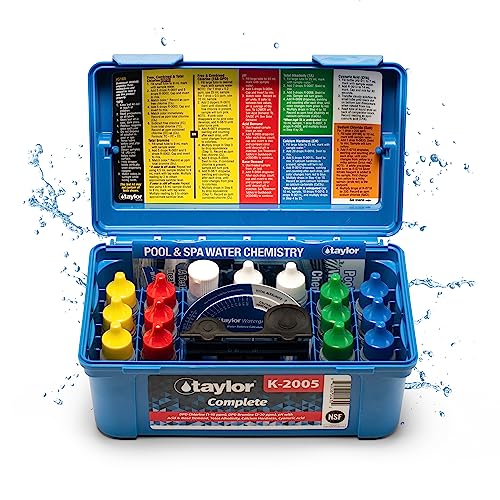
Rent a transit mixer ($95/day) for concrete pools or a rebar bender ($40/day) for steel-reinforced walls. Buy a torque wrench ($60) for securing pump fittings and a water-testing kit ($30) for initial chemical balancing. Safety gear: hard hats, steel-toe boots, and respirators for concrete dust. It’s also important to manage the pool’s chemical levels effectively. Using hydrogen peroxide can help lower chlorine levels while still keeping the water clean and safe.
Pool Kit Options for Self-installation
Vinyl liner kits ($8,000-$15,000) include pre-cut walls and steps but last 8-12 years. Fiberglass shells ($12,000-$25,000) ship as one piece—rent a crane ($500/hour) for placement. Concrete kits ($20,000-$40,000) provide shotcrete forms and rebar grids but need professional finishing.
With tools and materials ready, let’s explore common questions in our FAQs section.
FAQs: Answering Critical Questions
How Do You Prevent Groundwater Issues During DIY Pool Excavation?
Groundwater can flood the excavation site, especially in areas with high water tables. Use submersible pumps ($150-$300) to remove water during digging. Install a perforated French drain around the perimeter, backfilled with gravel, to divert water away. For severe cases, consult a hydrogeologist ($500-$1,500) to assess needs like sheet piling or dewatering systems.
What Hidden Costs Should DIY Pool Builders Anticipate?
Beyond materials and rentals, budget for soil testing ($200-$500), permit revisions ($100-$400), and waste disposal fees ($20-$50/ton). Unexpected rock removal adds $1,000-$5,000. Temporary fencing for safety compliance costs $0.50-$2.00 per linear foot during construction.
Can DIY Pools Support Custom Features Like Heating or Lighting?
Yes, but electrical features require licensed contractor sign-off in most states. Solar heating ($3,000-$4,000) needs roof-mount expertise. LED lighting kits ($200-$600) are DIY-friendly if low-voltage. Waterfalls require reinforced plumbing—use 2” PVC pipes and 1.5 HP pumps instead of standard 1.5” lines.
What Environmental Rules Apply to DIY Pool Water Drainage?
Federal Clean Water Act prohibits chlorine-heavy water from entering storm drains. Neutralize chemicals (pH 6.5-8.5) before draining into sewer systems with permits. Some states mandate backwash filters—install cartridge filters ($400-$800) to reduce wastewater violations risking $1,000+ fines.
Closing Thoughts
Building and digging your own inground pool is an ambitious project that demands careful planning, physical labor, and technical know-how. While DIY construction can save 30-50% compared to professional installations, it requires significant time investment—typically 4-12 weeks for completion. Hand-digging a pool is possible but limits depth to 6-8 feet due to safety concerns.
Successful self-builders prioritize proper permits, soil testing, and equipment like compactors (rental: $150-$300/day) and laser levels. Fiberglass pool kits ($18,000-$40,000) offer the most beginner-friendly installation, while concrete requires advanced skills. Always consult local building codes—most areas mandate fencing and inspections.
For precise cost breakdowns and project planning tools, explore My Pool Calculator. Our resources help estimate excavation hours, material quantities, and chemical startup needs based on your specific pool dimensions and location.
Additional Resources for You:
- Grimes, R. J. (2015). Troubleshooting and Repairing Pool Plastics, PVC, and Vinyl Liners. Chicago, IL: CreateSpace Independent Publishing.
- Is it difficult to build my own swimming pool myself for my new home without construction skills? – Quora
- How to Build a Pool: A Complete Step-By-Step Guide | Angi
A pool care geek who’s been testing water chemistry since she was tall enough to reach the skimmer.
Inground Pool, Pool Care By Type