Can You Build a Pool on a Hill? Let’s Break It Down
Published on: January 9, 2026 | Last Updated: November 17, 2025
Written By: Rachael Weatherbottom
Yes, you can build a pool on a hill—but it requires careful planning and engineering. Sloped yards need specialized solutions like retaining walls, stepped designs, or partial excavation to create stable foundations. Costs typically run 30-50% higher than flat-ground installations due to extra labor, materials like steel-reinforced concrete, and erosion control measures. Safety factors like soil stability, drainage systems, and local building codes heavily influence the project’s success.
This guide explains how slope angles, pool types, and construction methods determine what’s possible for your hillside. We’ll compare inground versus semi-inground options, break down 2023 price ranges ($70,000-$150,000+ for complex slopes), and explore how infinity edges or terraced designs turn challenges into visual assets. You’ll learn why soil tests and permits are non-negotiable first steps.
From choosing between cantilevered walls and gabion baskets to avoiding common mistakes in drainage planning, we cover the details that make or break hillside pools. See how professionals handle steep grades over 15%, integrate natural rock formations, and meet safety standards for fencing and barriers. Whether your slope is gentle or severe, you’ll find actionable steps to transform uneven terrain into a functional oasis.
Is Building a Pool on a Hill Feasible?
Constructing a pool on sloped terrain demands careful planning but remains fully achievable with modern engineering. Success depends on slope steepness, soil composition, local climate patterns, and municipal codes. While slopes exceeding 25% gradient typically require specialized structural supports, many hillsides under 15% slope can accommodate pools without major modifications. When building a lap pool, it’s also essential to consider the depth requirements. The depth of a lap pool can vary, typically ranging from 4 to 6 feet, to ensure safe and efficient swimming.
Crucial Winterizing Products

"The all-in-one solution for a guaranteed clear spring opening."
All-in-One Closing Chemical Kit
Winter demand is high - check stock

"The 'set & forget' option. This is the easiest winterizing I've ever done."
Simple 3-in-1 Winterizing Balls
Winter demand is high - check stock
"Invest once to protect your liner and prevent a swamp in the spring."
Heavy-Duty Winter Pool Cover
Winter demand is high - check stock
Key Factors Influencing Feasibility
Four primary elements determine whether you can build a pool on a hill: slope angle, soil bearing capacity, water table depth, and bedrock proximity. Laser grading surveys often reveal slopes steeper than 1:4 (25%) need tiered retaining walls costing $15-$50 per sq.ft. Clay-rich soils require stabilization methods like soil nails or grouting to prevent shifting, while sandy soils might need deep helical piers reaching load-bearing strata. Drainage planning becomes critical on inclines – improper runoff control causes 37% of hillside pool failures within five years. In addition to these considerations, maintaining proper water chemistry is crucial for pool longevity. For a 10,000-gallon pool, using a stabilizer can help protect the chlorine from sunlight, ensuring effective sanitation and clarity of the water.
Advantages Of Hillside Pools
Elevated positions enable design opportunities impossible on flat lots. Gravity-fed drainage systems cut pumping costs by up to 18% compared to conventional setups. Steep grades naturally support vanishing-edge pools needing only 12-24″ elevation drops for visual effects costing $20,000-$50,000 less than flat-land infinity installations. Existing slopes frequently reduce excavation needs – a 6-foot natural drop might save $8,000-$12,000 in digging fees.
Common Challenges and Solutions
Erosion control tops the list of concerns when building a pool on a hillside. Geosynthetic reinforced soil (GRS) walls combining geogrid mesh with compacted fill provide slope stabilization for $25-$40 per sq.ft. Cantilevered concrete walls prove effective for slopes over 30%, though prices climb to $60-$100 per sq.ft. French drains wrapping the pool’s uphill side prevent hydrostatic pressure buildup, with 6″ perforated PVC systems costing $10-$25 per linear foot installed. Proper planning transforms problematic grades into functional assets.
With feasibility confirmed, exploring specific pool types suited to sloped terrain becomes the logical next step.
Types Of Pools Suitable for Sloped Yards
Building a pool on a hill requires selecting designs that adapt to elevation changes. The right choice depends on slope angle, soil type, and budget. Let’s explore options that turn challenges into design advantages. One popular option is to use shipping containers as a base for creating unique, elevated pools. These containers can be customized to fit the landscape while providing a modern flair to your backyard.
Inground Pools on Slopes
Inground pools work for slopes up to 25% grade with proper engineering. Shotcrete or fiberglass shells anchored into stable soil layers prevent shifting. Retaining walls made from poured concrete or interlocking blocks create flat spaces for installation. For steep grades exceeding 15%, tiered designs with integrated steps or ledges reduce excavation needs by 30-40% compared to full leveling.
Semi-inground Pools: A Hybrid Solution
Semi-inground pools sit partially buried, blending inground stability with above-ground cost savings. Vinyl or aluminum walls support slopes up to 10% grade without extensive retaining structures. These pools often use helical piers—steel shafts drilled 8-12 feet into stable soil—to anchor the downhill side. Installation costs average $18,000-$35,000, 20% cheaper than full inground builds on similar terrain. When maintaining these pools, monitoring the Total Dissolved Solids (TDS) in the water becomes important. High TDS levels can affect water clarity and overall pool health.
Above-ground Pools on Uneven Terrain
Modern above-ground pools handle slopes up to 8% grade using adjustable leg systems. Manufacturers like Radiant Pools offer models with helical pile foundations that secure the base on inclines. A 24’ round pool on a 6% slope requires 6-10 piles driven 6-8 feet deep, adding $2,500-$4,000 to typical $8,000-$15,000 installation costs. Composite decking wraps around the exposed side for seamless integration. When planning for your pool, it’s important to consider the type of plaster needed for installation. A pool plaster calculator can help you estimate the amount of material required based on your pool’s size and shape.
Infinity Pools and Their Slope Benefits
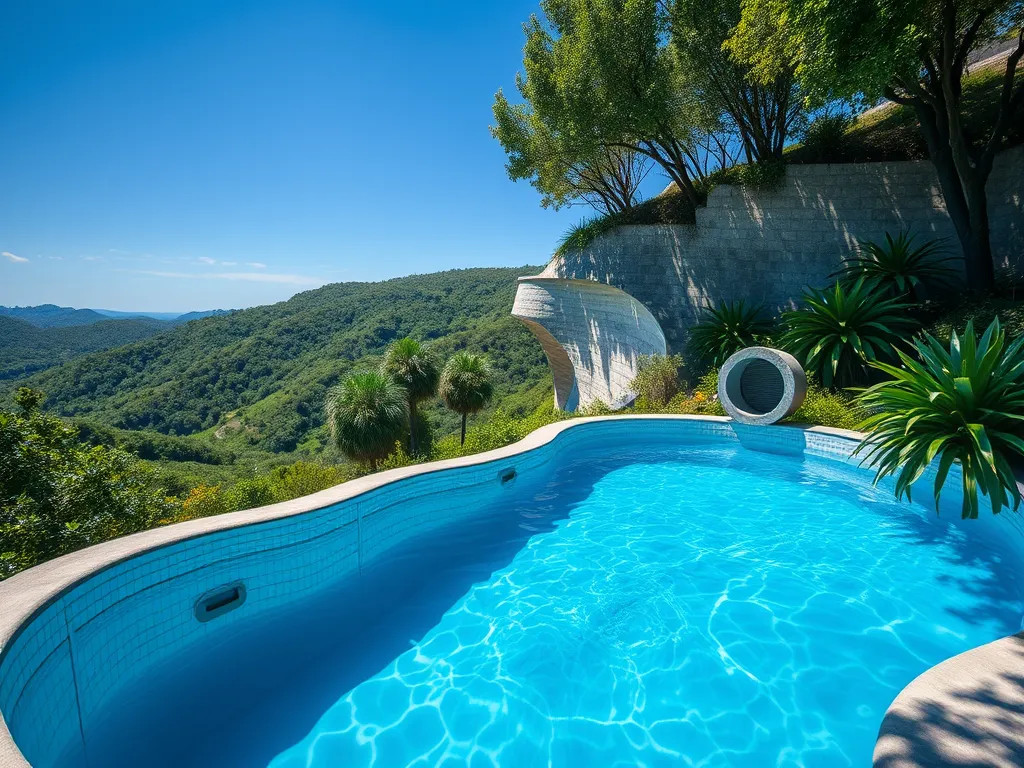
Slopes over 20% grade become assets with infinity edge designs. The vanishing edge uses the downhill drop to create visual drama while reducing structural costs. A 16’x32’ infinity pool on a hillside needs a 12” thick reinforced concrete wall on the low side and a catch basin below. Expect to spend $120-$200 per square foot—20-30% more than flat-ground pools—but gain 100% usable space from the natural topography. When considering a pool installation in California, it’s important to factor in the unique challenges presented by the landscape. The costs can vary based on location and design choices, shaping the total budget you’ll need for your project.
Cost Considerations for Building a Pool on a Slope
Sloped pool projects range from $50,000 for basic above-ground setups to $300,000+ for tiered infinity designs. Three factors dominate budgets: earthwork, structural supports, and drainage systems. When considering a pool in Highland Park, it’s important to think about the costs involved. The overall expenses can vary based on the type of pool and the features you desire.
Factors Affecting Construction Costs
Every 10% increase in slope grade adds $5-$8 per square foot for excavation and grading. Retaining walls taller than 4 feet require engineered plans ($1,500-$3,000) and geogrid reinforcement ($8-$12 per square foot). Soil type matters—clay needs deeper footings than sandy loam, increasing foundation costs by 15-25%.
Average Cost Estimates for 2023
A 14’x28’ vinyl inground pool on a 12% slope costs $65,000-$85,000, including 80 linear feet of 6’ tall retaining walls. Fiberglass shells run $75,000-$110,000 with helical piers. Infinity pools start at $150,000 for 400 sq ft designs with dual pumps and automated water level systems. Hiring a water truck to fill your pool is another important cost to consider. Hiring a water truck to fill your pool can increase your overall expenses significantly.
Budgeting for Retaining Walls and Leveling
Retaining walls consume 25-40% of sloped pool budgets. Interlocking concrete blocks cost $15-$25 per sq ft installed, while poured concrete runs $30-$40. Gabion baskets filled with local stone offer eco-friendly options at $12-$18 per sq ft. Always allocate 10% of your budget for drainage—French drains ($10-$16 per linear foot) and catch basins ($200-$500 each) prevent erosion damage. In addition to construction costs, water quality management is crucial for pools. Using hydrogen peroxide can help lower chlorine levels, creating a safer and more comfortable swimming environment.
With design and costs mapped, the next phase involves preparing your yard for construction—a process demanding precise planning to handle the unique demands of sloped sites.
Also See: Can a Tenant Put Up a Pool? What Renters Need to Know
Preparing Your Sloped Yard for Pool Construction
Transforming a hillside into a functional pool area demands strategic planning. Proper preparation minimizes erosion risks, maximizes structural integrity, and preserves the landscape’s natural features.
How to Level a Sloped Yard for a Pool
Leveling a slope often involves cut-and-fill methods. Contractors remove soil from higher areas (cut) and redistribute it to lower zones (fill). For slopes steeper than 25 degrees, equipment like mini-excavators or bobcats stabilize the terrain. Geotechnical engineers may recommend soil compaction tests to ensure the ground can handle loads exceeding 100 PSF (pounds per square foot).
The Role Of Retaining Walls in Slope Stability
Retaining walls counteract lateral earth pressure, preventing soil shifts that could damage pool shells. Engineered walls with weep holes or geogrid reinforcements handle hydrostatic pressure from groundwater. For slopes over 6 feet tall, tiered walls with 3:1 setback ratios distribute weight effectively.
Choosing the Right Retaining Wall Materials
- Poured concrete: Lasts 50+ years, handles slopes up to 15 feet, costs $30-$40 per square foot
- Timber: Budget-friendly ($15-$25/sq.ft) but degrades in 10-15 years without chemical treatments
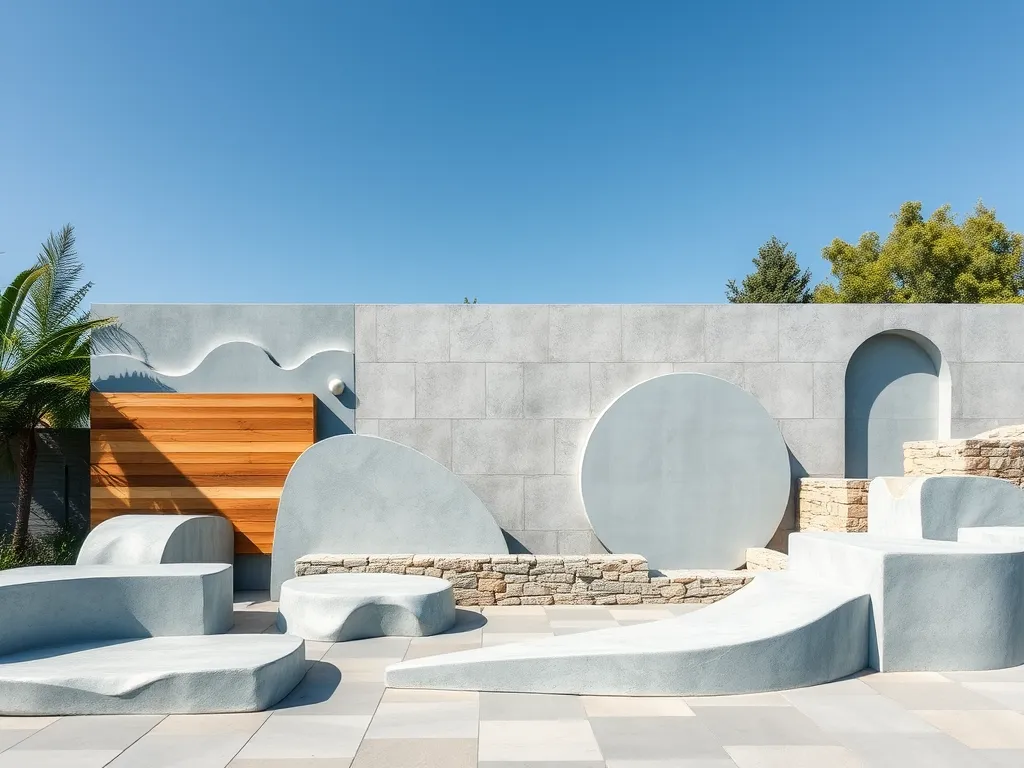
- Natural stone: Aesthetic option ($40-$100/sq.ft) needing skilled masonry work
- Segmental blocks: Interlocking designs ($20-$35/sq.ft) with built-in drainage channels
Step-by-step Construction Process for Hillside Pools
Building a pool on a hill follows a phased approach. Skipping steps risks costly repairs from soil slippage or water damage.
Initial Site Evaluation and Land Survey
Surveyors map elevation changes using GPS or laser levels, identifying bedrock locations and groundwater tables. Soil boring tests determine bearing capacity – clay soils may need stabilization additives like lime if capacities fall below 2,500 PSF. Local regulations often require setbacks of 5-10 feet from property lines on slopes.
Excavation and Structural Support
Hillside excavation requires shoring systems like sheet piles or soldier beams. For pools near drop-offs, shotcrete walls reinforced with #4 rebar grids provide lateral support. Steel micropiles drilled 10-20 feet into stable soil layers anchor the pool structure.
Installing Drainage Systems
Perimeter drains with 4-inch PVC pipes and gravel backfill redirect surface water. Subsurface solutions like French drains or sump pumps manage hydrostatic pressure. In regions with 30+ inches of annual rainfall, dual drainage layers with filter fabric prevent soil saturation.
Design Ideas for Pools on Sloped Terrain
Slopes offer unique design opportunities. Creative layouts turn elevation changes into visual assets rather than obstacles.
Terraced Landscaping Around the Pool
Terracing creates flat zones for lounging or planting. Use native drought-resistant plants like lavender or ornamental grasses in 2-3 foot retaining wall tiers. Incorporate non-slip pavers like travertine or textured concrete between levels.
Multi-level Pool Designs
Split pools with cascading water features leverage elevation drops. A 12×24 ft upper pool can spill into a lower spa via a 3-foot sheer descent waterfall. Add submerged benches or sun shelves at varying depths to enhance usability. Keeping these features in proper working order is essential for enjoyment. Regular maintenance and careful attention to any issues can prevent bigger problems down the line.
Integrating Natural Slopes Into Pool Aesthetics
Blend pools with existing rock outcroppings using cantilevered edges. For wooded hillsides, position the pool deck to preserve mature trees – redwoods or oaks provide shade while reducing erosion. Boulders excavated during construction make natural diving platforms when secured with epoxy anchors. Taking care of your pool includes deciding whether to leave the vacuum in the pool. Leaving the vacuum in the pool can help keep it clean and save time during routine maintenance.
As you explore design possibilities, keep safety and local regulations in focus. Next, we’ll examine how to navigate legal requirements and long-term maintenance for hillside pools.
Safety and Legal Setups for Pools on Hills
Putting a pool on a hill brings risks and rules that need close care. From soil shifts to town codes, each step must keep people safe and meet the law.
Fixing Erosion and Soil Shifts
Steep land can slide or wash out if not prepped right. A soil test by a geo-tech pro checks shear strength (how well dirt holds) and seep rates. Slopes over 15% may need steel soil nails or rock bolts sunk 10-20 feet deep. Retaining walls made of poured concrete or stack blocks add backup. Drain pipes set 2 feet below the pool base pull off rain flow to stop washouts.
Fences and Block-offs
Most towns ask for at least a 4-foot fence with gaps under 4 inches around hill pools. Glass walls or tight mesh work best on slopes since they block slips. Gates must self-close and latch 54 inches high. Some codes want alarms on doors facing the drop. For steep grades, add a second rail 12 inches off the deck to grab if trips occur.
Permits and Land Laws
Check town rules first. Zoning may ban pools on slopes steeper than 1:3 (1 foot rise per 3 feet wide). Setbacks from lot lines often jump from 10 to 20 feet on hills. Eco rules may guard plants or streams downhill. Plan to pay $500-$2,000 for slope checks, drain plans, and storm run-off maps. Inspectors will eye wall bolts, fence posts, and drain ties before signing off.
With permits in hand and soil locked down, the build phase can start. Next, we break down the step-by-step steps to shape your slope into a pool site.
FAQs About Building a Pool on a Hill
How Does a Hillside Pool Impact Property Value Compared to Flat-ground Installations?
Hillside pools can increase property value by 10-15% when designed thoughtfully, particularly if they capitalize on scenic views or unique architectural features. However, improper construction leading to visible erosion or structural issues may negatively impact value. Appraisers often value infinity pools and terraced designs higher due to their aesthetic appeal and lower maintenance needs compared to basic above-ground options on slopes.
What Landscaping Plants Prevent Erosion Around Sloped Pools?
Deep-rooted native species like creeping juniper, switchgrass, or California lilac stabilize soil while requiring minimal watering. For tropical climates, liriope or mondo grass provide dense ground cover. Avoid invasive species like English ivy, and consult local nurseries for slope-tolerant perennials that thrive in your USDA hardiness zone. Strategic planting reduces erosion by up to 85% compared to bare soil.
Can Solar Heating Systems Be Efficiently Incorporated Into Hillside Pool Designs?
Yes—slopes facing south or southwest optimize solar exposure for heating systems. Install panels 10-15 feet uphill from the pool to utilize gravity-fed circulation, reducing pump energy use by 20-30%. Evacuated tube collectors mounted on retaining walls or angled racks can achieve 75-85% heating efficiency, even in cooler climates. Pair with automated controllers to maintain ideal temperatures without overworking equipment. When managing an above-ground pool, it’s also important to consider proper drainage. Draining the pool effectively helps maintain its condition and prepares it for winter storage.
Closing Thoughts
Building a pool on a hill is challenging but achievable with proper planning. The slope offers unique design opportunities like infinity edges and terraced landscaping. Retaining walls, drainage systems, and soil stability measures are critical for long-term success.
Costs vary based on slope severity and materials, ranging from $50,000 for basic installations to $150,000+ for complex designs. Always consult engineers and check local permits before breaking ground.
For precise cost estimates and pool maintenance tools, explore My Pool Calculator. Our resources help simplify your pool project—whether on flat land or a steep incline.
Useful References for You:
- Pentair Residential Pool Resources (Maintenance Guides)
- How to Build a Pool on a Slope or Hill
- Building an Inground Pool on a Slope or Hill – Latham Pool
- r/pools on Reddit: Is it doable or crazy to build a pool on a hill?
- The Ultimate Guide to Building an Inground Pool on a Hill
A pool care geek who’s been testing water chemistry since she was tall enough to reach the skimmer.
Inground Pool, Pool Care By Type