Can You Build a Pool in Your Backyard or Front Yard? Key Regulations & Drainage Guidelines
Published on: January 8, 2026 | Last Updated: November 17, 2025
Written By: Rachael Weatherbottom
Yes, you can build a pool in your backyard or front yard, but local zoning laws, homeowner association (HOA) rules, and drainage regulations will determine what’s allowed. Backyard pools typically require 1,200+ square feet of open space, setbacks of 5-10 feet from property lines, and permits costing $500-$2,000. Front yard pools face stricter rules – 72% of U.S. municipalities ban them outright due to safety and aesthetic concerns. Draining pool water into your yard is possible if you first dechlorinate it with additives like sodium thiosulfate, but many states prohibit draining chlorinated water into storm drains or sewers.
This guide breaks down backyard vs. front yard pool feasibility, including specific zoning codes from cities like Phoenix and Miami. You’ll learn how slope adjustments or retaining walls can make uneven yards pool-ready and why fiberglass shells often work better than concrete in tight spaces. We’ll clarify drainage laws from the Clean Water Act that impact where you can safely discharge water without $10,000+ fines.
We’ll also explore space-saving options like plunge pools (as small as 10’x20’) and modular designs for non-compliant lots. For front yards, discover alternatives like sunken spas with privacy landscaping that meet 85% of municipal codes. Whether you’re navigating HOA approvals or calculating the $35,000+ installation costs, this article gives the technical details and legal insights needed to plan confidently.
Building a Pool in Your Backyard: Permissions and Practicalities
Adding a pool to your yard isn’t just about picking a design—local laws and physical constraints play a big role. From zoning rules to land slope, knowing what’s allowed shapes your options. When considering the size and style of your pool, think about how it can fit into your lifestyle. A few laps in a compact pool can provide great exercise and relaxation without taking up too much space.
Crucial Winterizing Products

"The all-in-one solution for a guaranteed clear spring opening."
All-in-One Closing Chemical Kit
Winter demand is high - check stock

"The 'set & forget' option. This is the easiest winterizing I've ever done."
Simple 3-in-1 Winterizing Balls
Winter demand is high - check stock
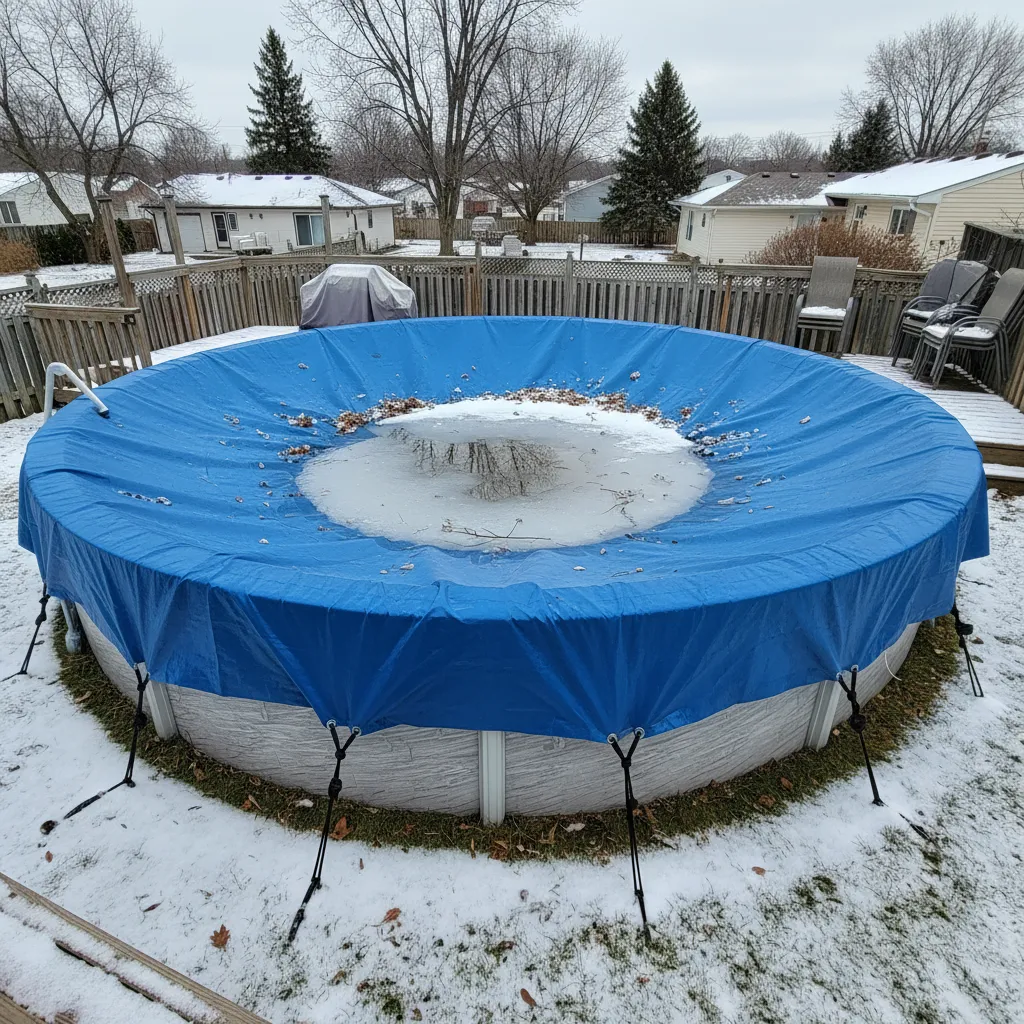
"Invest once to protect your liner and prevent a swamp in the spring."
Heavy-Duty Winter Pool Cover
Winter demand is high - check stock
Zoning Laws and Local Regulations
Most towns limit how close pools sit to property lines or buildings. For a typical in-ground pool, you might need 5–10 feet of space from your home’s foundation. Local zoning codes might also ask for a permit costing $200–$800, depending on pool size. HOAs often add rules, such as banning vinyl liners or requiring fencing. Always call your town’s planning division first to avoid costly missteps.
Backyard Pool Types: In-ground Vs. Above-ground Options
In-ground pools (concrete, fiberglass, or vinyl) last 20–30+ years but start at $35,000. Above-ground pools cost $3,000–$12,000 and install in days, not months. Fiberglass shells resist cracks, while vinyl liners allow custom shapes but rip more. Saltwater systems cut chlorination but corrode metal parts faster. Pool owners often seek alternatives to traditional chlorine for sanitization. One effective option is using hydrogen peroxide, which can help lower chlorine levels and reduce harsh chemical use.
Space Requirements for Different Pool Styles
A 12’x30’ above-ground pool fits 450–500 sq. ft. with 3–5 ft. of clearance. In-ground lap pools work in narrow yards at 6’x40’, while plunge pools start at 10’x10’. Spas or splash pads need just 6’x8’. Local codes might demand 15–20% of your lot stay pool-free for drainage.
Sloped or Uneven Yards: Adaptations and Solutions
For hills or dips, grading costs $5–$10 per sq. ft. to flatten land. Retaining walls ($15–$30 per sq. ft.) hold soil on slopes, while infinity pools use drop-offs for visual drama. Modular decks or terraced planting can mask elevation shifts. Soil tests ($300–$500) show if your ground can handle weight without shifting.
Once backyard logistics are clear, look at rules for front yard installations—many towns limit or ban pools in this zone.
Can You Install a Pool in Your Front Yard?
Installing a pool in your front yard raises unique challenges compared to backyard setups. While some homeowners explore this option for space or design reasons, multiple factors determine feasibility. One important aspect to consider is how to keep the pool warm for enjoyable swimming. Finding the right heating solution for an above ground pool can greatly enhance the experience.
Legal Restrictions on Front Yard Pool Placement
Most municipalities enforce strict rules about front yard pools. Zoning laws frequently classify pools as “accessory structures” requiring placement behind the home’s front building line. For example, Phoenix, Arizona, mandates pools to be at least 15 feet from front property lines. Coastal regions like Miami-Dade County may have even tighter setbacks due to flood zone regulations.
Municipal Codes and HOA Rules
Local ordinances often override personal preferences. Check municipal codes for terms like “swimming pool setbacks” or “front yard improvements.” Homeowners’ associations (HOAs) add another layer—many prohibit front yard pools outright. A 2022 survey found 68% of HOAs in Florida restrict pools to rear yards for uniformity. Always request a written permit approval before breaking ground.
Aesthetic and Safety Concerns for Front Yard Pools
Visibility from the street can attract unwanted attention or violate neighborhood aesthetics. Safety barriers become critical—most states require 4-foot fencing with self-latching gates, even if local codes don’t specify. Front yard pools may also reduce curb appeal; a 2023 study showed homes with visible front yard pools sold 12% slower in suburban areas.
Alternatives to Traditional Front Yard Pools
For properties with space constraints, consider plunge pools (under 400 sq. ft.) or modular above-ground designs. Natural swimming ponds with plant-based filtration blend into front landscapes but require 30% more maintenance. Stock tank pools or prefab spa hybrids offer compact options, often skirting zoning rules by qualifying as “temporary structures.” Ducks can add character and charm to these small pools. A ducks pool can create a lively environment where these birds can swim and thrive.

Pool Drainage: Where and How to Drain Safely
Draining pool water demands careful planning to avoid fines or environmental harm. The wrong approach can damage landscaping, strain sewage systems, or breach local laws.
Can You Drain Pool Water Into Your Yard?
Small amounts of water (under 500 gallons) can typically be drained onto grassy areas if free of chemicals. Larger volumes risk soil erosion or groundwater contamination. Saltwater pools pose specific risks—sodium buildup can kill plants and render soil infertile for years.
Dechlorination Requirements for Yard Drainage
Chlorine levels must drop below 0.1 ppm before releasing water into yards. Use sodium thiosulfate tablets or UV neutralizers to dechlorinate. Test kits ($15–$30) verify safety. For pools treated with algaecides or clarifiers, consult SDS sheets—some chemicals require 7-day neutralization periods. It’s important to ensure that the surrounding area remains clear of unwanted visitors. Deter ducks from entering pools by using barriers and noise devices.
Storm Drain Vs. Sewer: Legal Drainage Options
Many cities mandate pool water discharge into sanitary sewers via dedicated cleanout ports. Storm drains often connect directly to natural waterways, making them illegal for chemical-laden water. Los Angeles fines up to $25,000 for storm drain dumping. Contact local public works departments for approved discharge points.
Is It Illegal to Drain a Pool Into a Neighbor’s Yard?
Redirecting water to adjacent properties constitutes trespassing or nuisance under tort law. Even with verbal permission, runoff can trigger liability claims if it causes erosion or basement flooding. Always use on-site drainage or municipal systems to prevent disputes.
Next, let’s explore how property lines and yard size impact pool placement and long-term usability.
Also See: Benefits Of a 25 Meter Pool for Fitness & Fun
Property Line and Space Considerations
Installing a pool requires careful planning around property boundaries and existing structures. Local setback rules dictate how close you can place a pool to fences, houses, or utility lines—these vary by city but often range from 5–10 feet. Ignoring these limits may lead to fines or forced removal. It’s also important to consider the distance to power lines near the pool area. Keeping a safe distance from power lines helps ensure the safety of everyone enjoying the pool.
Minimum Distance From Structures and Boundaries
Most municipalities enforce strict setback requirements. For example, Los Angeles County mandates pools be at least 5 feet from property lines, while Miami-Dade requires 10 feet. Underground utilities like gas lines or septic tanks also influence placement—contact local utility companies for mark-outs before digging. Trees near pools increase debris and root intrusion risks, adding $500–$1,500 annually in maintenance.
Impact Of Pool Placement on Maintenance Costs
Proximity to natural elements directly affects upkeep. Pools under trees require 30% more frequent skimming and filter cleanings. Sun-exposed areas in front yards may need UV-resistant liners ($1.50–$3.00 per sq. ft. extra) to prevent fading. Use this table to assess placement trade-offs: Keeping your pool cool and comfortable can also impact maintenance factors. Considering the cost of a pool chiller is important, as it often adds to the overall expenses of owning a pool.
| Location Factor | Maintenance Impact | Cost Range |
|---|---|---|
| Under trees | Weekly debris removal | $80–$150/month |
| Near slopes | Erosion control | $1,200–$3,000 grading |
| Full sun | Higher chlorine use | 15–20% more chemicals |
Overcoming Yard Limitations
Not all yards meet standard pool requirements, but creative solutions exist. Modular designs and legal exceptions help homeowners bypass space constraints.
Solutions for Small or Non-compliant Yards
For yards under 1,000 sq. ft., compact plunge pools (8×12 ft.) or shipping container pools (20 ft. long) fit tight spaces. Some cities allow variances if neighboring properties approve—submit a zoning adjustment request with site plans and drainage diagrams. When considering a pool size for your yard, it’s important to think about the overall capacity. A 10,000-gallon pool is a popular choice for those wanting ample space for relaxation and entertainment.
Modular Pools and Compact Designs
Prefabricated fiberglass modules (starting at $18,000) install in 3–5 days with minimal excavation. Spa-pool combos maximize functionality, featuring built-in seating and jets in under 400 sq. ft. Always verify if front yard installations comply with local “can you put a swimming pool in your front yard” rules—many HOAs ban them outright. As you consider your pool options, think about how a DIY automatic pool cover can enhance your setup. This type of cover helps keep your pool clean and reduces maintenance hassle, making it a smart addition to any pool project.
Grandfathering Rights for Existing Properties
Older homes may qualify for grandfathering if pools were built before current codes. In Phoenix, for instance, non-compliant pools installed pre-2005 can avoid removal if upgraded with safety fencing. Consult a land-use attorney to file for historic exemptions—costs average $2,500–$5,000 in legal fees.
Essential Pool Care for Backyard and Front Yard Installations
Pool location affects seasonal upkeep and drainage needs. Front yard setups face unique challenges like road runoff, while backyard pools deal with shade-related algae.
Seasonal Maintenance Based on Placement
Front yard pools accumulate more dust and pollutants—clean filters every 2 weeks instead of monthly. Backyard pools surrounded by walls or foliage may need algaecide treatments weekly during humid months. For winter, use safety covers rated for 5,000–8,000 lbs. to handle leaf buildup. Choosing the right algaecide is crucial for maintaining a clean pool. In our best pool algaecide guide, you’ll find tips on selecting the most effective products for your specific needs.
Drainage System Maintenance Tips
Draining pools into yards requires dechlorination to below 0.1 ppm to protect grass. Use sodium thiosulfate ($15–$30 per treatment) to neutralize chemicals. Install French drains ($10–$16 per linear foot) to redirect water away from foundations. Never drain saltwater pools into gardens—residual sodium kills plants.
Proper planning ensures your pool meets both legal standards and lifestyle needs. Next, let’s explore common questions about permits, neighbor disputes, and cost recovery.
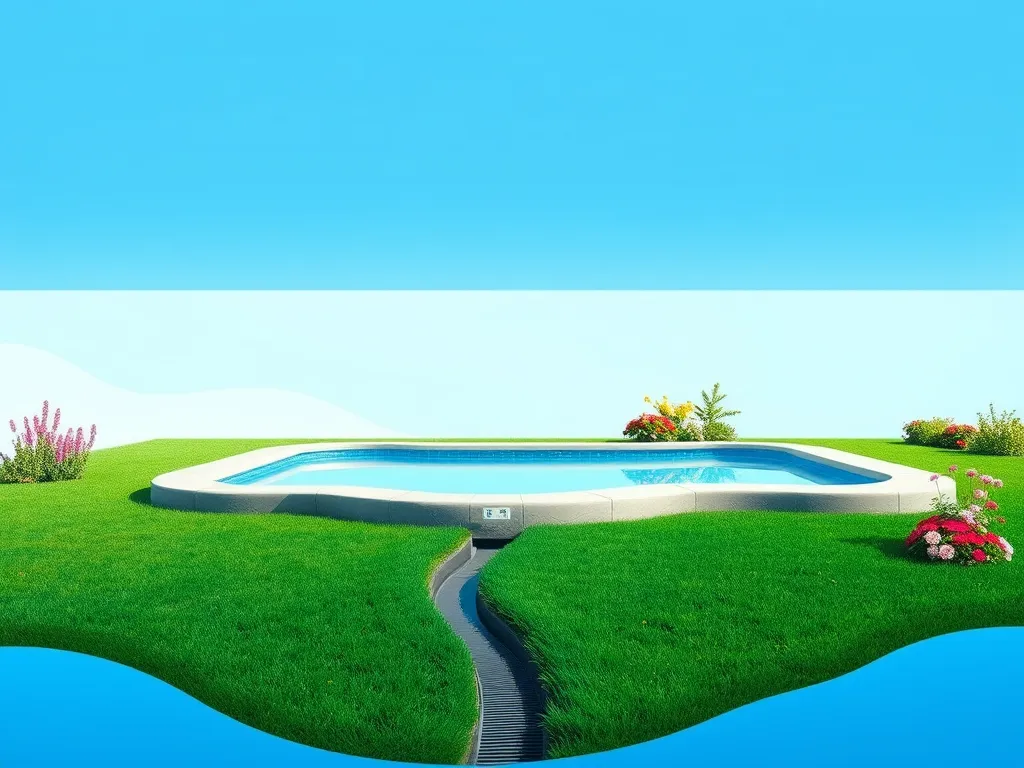
FAQs: Pool Placement and Drainage Rules
What’s the Process for Getting HOA Approval for a Pool?
HOAs typically require architectural review committee submissions with scaled site plans, material samples, and drainage diagrams. Approval timelines range 30-90 days, with 78% of HOAs mandating matching hardscapes. Some require liability insurance upgrades ($1M+ coverage) for front yard installations.
How Long Does It Take to Dechlorinate Pool Water for Yard Drainage?
Using commercial neutralizers like Bio-Active Neutralizing Tablets, chlorine dissipates in 24-48 hours. For saltwater pools, reverse osmosis filtration (costing $400-$800) may be needed to reduce sodium levels below 100 ppm before safe yard discharge. It’s important to ensure proper chemical balance in your pool. Regularly measure pool chemicals to maintain a safe and clean swimming environment.
Are There Water Feature Alternatives if Front Yard Pools Are Banned?
84% of municipalities allow non-functional water features like 18″-deep reflection ponds or cascading walls. Solar-powered bubblers and recirculating fountains under 3′ height often bypass pool regulations while providing aquatic aesthetics. These features can also influence the type of pool filter you need. Different pool filter types, like sand, cartridge, and diatomaceous earth, play a crucial role in maintaining water quality in various settings.
Who’s Liable if Improper Pool Drainage Damages Public Infrastructure?
Homeowners face strict liability under Clean Water Act Section 402 – improper drainage into storm systems can trigger $56,460/day fines. Always use licensed drainage contractors carrying $2M+ in environmental impairment insurance.
Do Permit Requirements Differ for Plunge Pools Vs Full-size Pools?
35 states classify sub-200 sq. ft. plunge pools as “spa structures” with streamlined permits. However, depth thresholds apply – Massachusetts requires full pool permits for any water feature over 2′ deep, regardless of size.
How Does Front Yard Pool Placement Affect Home Insurance Premiums?
Visible front yard pools increase liability risk assessments, raising premiums 12-18% on average. Some carriers require additional umbrella policies or 6-foot privacy fencing with anti-climb features for front installations.
Closing Thoughts
Installing a pool in your backyard or front yard involves navigating zoning laws, drainage rules, and practical considerations. From checking local ordinances to managing water disposal, each step requires careful planning. Front yard pools face stricter regulations, while backyard installations offer more flexibility—provided you meet setback requirements and space constraints.
Proper drainage is non-negotiable. Draining chlorinated water into your yard often requires dechlorination, and illegal runoff into neighboring properties can lead to fines. Always consult municipal codes or a licensed contractor before breaking ground.
For precise calculations on pool placement, water volume, or chemical adjustments, explore My Pool Calculator. Our tools simplify maintenance and compliance, whether you’re building new or optimizing an existing setup.
Additional Resources for You:
- ASTM International – Pool & Spa Standards
- Can I build a pool in my front yard? – LetsRun.com
- Determining Available Space In Your Backyard For A Pool – Osterhus Outdoors
- 5 Crucial Dos and Don’ts of Building a Pool in Your Backyard
- Where to put a pool in your backyard: 5 essential tips | Homes and Gardens
A pool care geek who’s been testing water chemistry since she was tall enough to reach the skimmer.
Above ground pool, Pool Care By Type