How to Drain Rain Water From Your Pool: Essential Pool Care Guide
Published on: March 26, 2026 | Last Updated: November 17, 2025
Written By: Rachael Weatherbottom
Draining water from your pool after heavy rain removes excess stormwater to restore safe chemical levels and protect equipment. Effective methods include using your pool’s main drain system, siphoning with a garden hose, or operating a submersible pump rated for at least 1,500 gallons per hour. Immediate drainage becomes critical when water rises above the skimmer level, dilutes chlorine below 1 ppm, or contains visible contaminants like leaves or mud. Always use a GFCI-protected outlet for pumps and direct drained water at least 20 feet from your pool’s foundation to prevent structural damage.
This guide breaks down every step for managing post-storm pool care. Learn how to assess water quality using test strips, choose between pump types based on your pool’s volume, and avoid common mistakes like draining too quickly. We’ll explore how rain impacts pH balance, why vinyl liners require special precautions, and how to prioritize tasks if multiple pools need attention.
Discover professional-grade techniques for handling severe cases, including hurricane-induced flooding or combined sewage overflow. Get exact flow rate calculations for pumps, compare manual bucket removal versus automated systems, and review local regulations for chemical disposal. Later sections provide checklists for equipment maintenance after drainage and landscape adjustments to prevent future overflows.
Why Drain Your Pool After Heavy Rain?
Heavy rainfall transforms pool water in ways that demand immediate attention. Failing to act can trigger chemical chaos, equipment strain, and health risks lurking beneath the surface. When rain hits, it can introduce dirt and contaminants into the water. This is why pools often close when it rains to keep everyone safe and maintain water quality.
Crucial Winterizing Products

"The all-in-one solution for a guaranteed clear spring opening."
All-in-One Closing Chemical Kit
Winter demand is high - check stock

"The 'set & forget' option. This is the easiest winterizing I've ever done."
Simple 3-in-1 Winterizing Balls
Winter demand is high - check stock
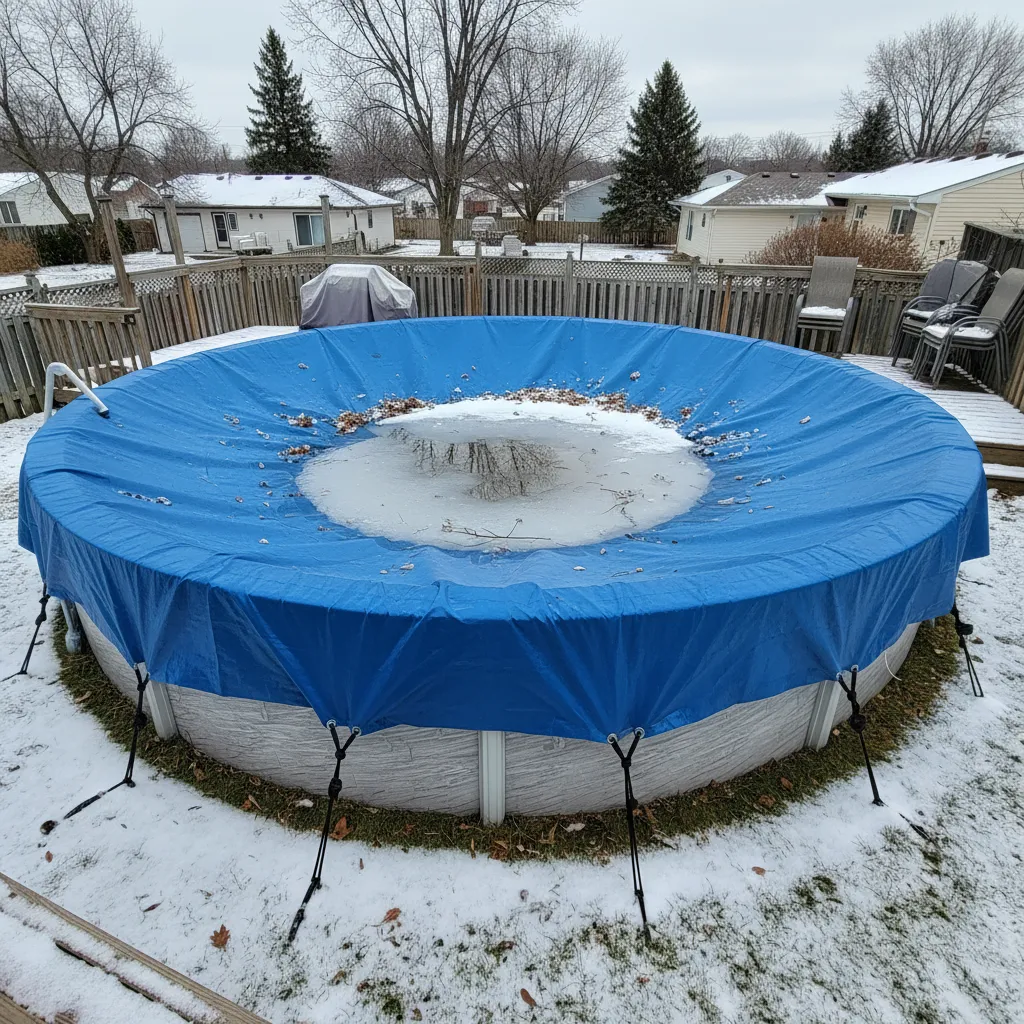
"Invest once to protect your liner and prevent a swamp in the spring."
Heavy-Duty Winter Pool Cover
Winter demand is high - check stock
Impact Of Rainwater on Pool Chemistry
Rainwater carries a pH of 5.0-5.5, far below the ideal 7.4-7.6 range for pools. A single inch of rain across a 14×28-foot pool adds 245 gallons of acidic water, diluting chlorine levels by up to 30%. This acidity attacks alkalinity buffers, causing pH crashes that corrode metal fittings and etch plaster surfaces. Debris like pollen and dust amplifies chlorine demand, while nitrogen in stormwater fuels algae growth within 48 hours if untreated. Maintaining proper pool alkalinity helps protect the water balance and enhances sanitizer efficiency. Proper alkalinity levels are crucial for keeping the pool safe and comfortable for swimmers.
Risks Of Water Exceeding Pool Capacity
When water rises above the pool’s midpoint tile line, skimmers lose suction, risking pump airlock and motor burnout. Hydrostatic pressure against walls increases by 0.43 PSI per vertical inch—enough to displace vinyl liners or crack concrete in extreme cases. Waterlogged decks become slip hazards, while submerged lighting fixtures pose shock risks even at 120V systems.
Contaminant Accumulation From Stormwater
Runoff introduces Total Dissolved Solids (TDS)—a measure of all organic/inorganic particles—at rates exceeding 500 ppm per storm. Bird droppings, automotive fluids, and fertilizers raise phosphate levels above 100 ppb, feeding algae spores. Bacterial loads spike post-rainfall; tests often reveal coliform counts surpassing 200 CFU/100mL, requiring shock treatments of 10-30 ppm free chlorine to sanitize effectively.
With these factors in play, evaluating your pool’s post-storm status becomes critical before deciding on drainage strategies.
Assessing the Need to Drain Your Pool
Determining whether to remove excess stormwater requires precise evaluation of three critical factors: water volume, chemical stability, and contamination levels. Proper assessment prevents unnecessary drainage while protecting equipment from strain.
When Pool Water Exceeds Optimal Levels
Pool water should sit midway up the skimmer opening. Levels rising 1-2 inches above this mark post-storm reduce skimmer efficiency by 40%, while surges over 3 inches risk flooding pump motors. Use the pool deck’s edge as a visual guide—water touching coping stones typically indicates immediate drainage needs. When the water level is too high, it’s essential to drain the inflatable pool. Draining it properly helps maintain the pool’s condition and prevents damage.
Signs Of Chemical Imbalance Post-rain
Test within 4 hours of rainfall cessation. Target these thresholds: pH below 7.2, total alkalinity under 80 ppm, or free chlorine beneath 1 ppm. Cloudy water or sudden algae blooms despite normal levels often signal phosphate intrusion from storm runoff—common in areas with fertilizer use.
Identifying Contaminated Water Conditions
Check for these contaminants carried by 90% of heavy storms:
- Surface debris clusters exceeding 12-inch diameter
- Muddy sediment settling on pool floors
- Oil sheens from driveway runoff
Foam formation or sulfur odors require full drainage regardless of water level.

Effective Methods for Pool Drainage After Rain
Select drainage techniques based on water volume, equipment availability, and local disposal regulations. Most residential pools remove 500-1,500 gallons post-storm using these verified methods.
Using Your Pool Pump System
Built-in pumps handle 80% of drainage needs efficiently. Confirm pump compatibility—older single-speed models may overheat when draining over 1,000 gallons.
Main Drain Activation Process
Rotate the multiport valve to “Waste” position. For safety, run the pump for 30-minute intervals, checking pressure gauges stay under 30 PSI. This bypasses the filter, preventing clogs from storm debris.
Filter Settings for Controlled Drainage
Sand filters perform best on “Backwash” mode during drainage, removing particulates down to 20 microns. Cartridge filters require removal of grids when purging turbid water to avoid irreversible staining. This highlights the importance of choosing the right filter for your pool. An all-purpose sand pool filter is a great option for maintaining clean and clear water.
Siphoning With Garden Hose
Effective for removing 200-500 gallons without electricity. Use 5/8” diameter hoses for 8 GPM flow rates—triple the output of standard ½” models.
Creating an Effective Siphon System
Submerge the entire hose until bubbles stop rising. Cap one end, route it downhill, then uncap—gravity initiates flow within 15 seconds. Maintain 2-foot elevation drop for consistent suction.
Submersible Pump Operation
1/3 HP pumps extract 1,800 gallons hourly—ideal for 15,000+ gallon pools. Opt for thermal-protected models when pumping over 2 hours continuously.
Selecting the Right Pump Capacity
Match pump strength to pool size:
- 10,000 gal pools: 1/4 HP (1,200 GPH)
- 20,000 gal pools: 1/2 HP (3,000 GPH)
Never exceed 75% of the pump’s max runtime rating during storm drainage.
Manual Removal Without Equipment
Bucket methods work for spot-clearing 50 gallons or less. Loop a garden hose through the bucket handle to create leveraged pouring—reduces strain by 60% compared to direct lifting.
Bucket and Hose Techniques
Fill the submerged bucket, then tilt while keeping the hose’s end lower than the pool floor. This creates a mini-siphon, moving 3 gallons per minute—twice as fast as solo bucket dipping.
With proper drainage complete, focus shifts to equipping your pool for future storms. The right tools transform chaotic post-rain scrambles into streamlined processes.
Also See: Can You Ask the Fire Department to Fill Your Pool?
Essential Tools for Post-rain Pool Drainage
Proper equipment selection directly impacts efficiency and safety when managing excess stormwater. Matching tools to pool size and drainage needs prevents equipment strain while accelerating water removal.
Pump Selection Guide
Submersible pumps rated for at least 3,000 GPH (gallons per hour) handle most residential pools. For inground models, opt for 1 HP units with automatic float switches to prevent dry-running. Above-ground pools often work well with ½ HP centrifugal pumps. Verify maximum lift capacity—pumps moving water 10+ feet vertically need higher torque motors. Always keep backup pumps on hand during storm seasons. The longevity of your pool equipment can also impact the overall maintenance costs. Regular upkeep of pool lights is important, as their lifespan can vary widely depending on the type and usage.
Hose Types and Flow Rates
Corrugated discharge hoses with 2-inch diameters achieve 35 GPM (gallons per minute) flow rates—ideal for rapid drainage. Reinforced vinyl hoses resist kinking but require 1.5-inch connections for standard pump ports. For siphon-based methods, use weighted pool vacuum hoses that maintain prime during operation. Pair hoses with inline strainers to capture debris before it clogs pipes.
Safety Equipment Checklist
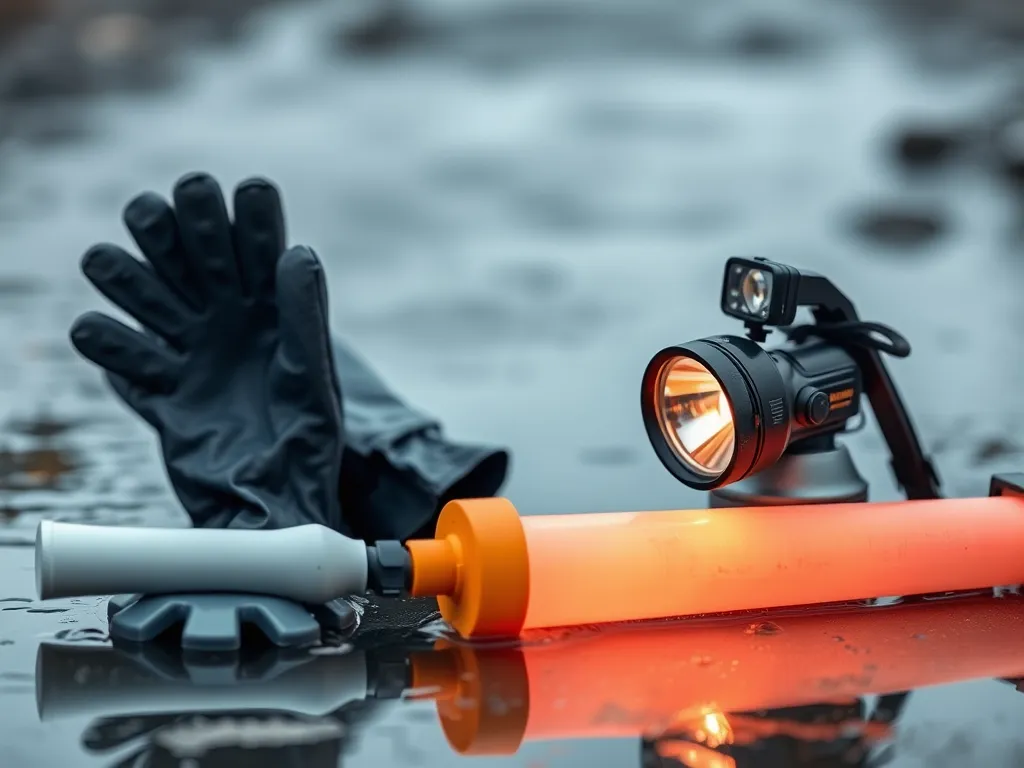
Waterproof gloves with textured grips prevent slips when handling wet pumps. Non-conductive fiberglass pump handles paired with GFCI-protected extension cords reduce shock risks. Keep tethered safety harnesses nearby for deep pools requiring manual entry. Test waterproof headlamps and traction boots before starting drainage tasks.
Safety Protocols During Drainage
Stormwater drainage introduces unique risks requiring methodical preparation. Follow local codes and manufacturer guidelines to protect both users and pool infrastructure.
Electrical Hazard Prevention
Position pumps at least 10 feet from pool edges using grounded outdoor outlets. Enclose connections in weatherproof boxes rated for wet environments. Never operate equipment while standing in water—install wireless pump controllers for remote operation. Inspect cords for frays or exposed wiring before each use. This is crucial because pool pumps can easily get wet due to splashes or rain. Keeping them safe and dry helps ensure they work efficiently and last longer.
Proper Water Disposal Methods
Direct discharged water toward municipal storm drains only if pH tests between 6.5-8.5. For chlorine-treated pools, route water through grassy areas to filter chemicals before reaching waterways. Avoid draining onto neighboring properties—use 50-foot overflow hoses to control runoff paths. Check regional restrictions; some areas prohibit pool drainage during drought conditions.
Structural Integrity Considerations
Fiberglass and vinyl-lined pools risk shell deformation if drained below midpoint. Remove no more than 18 inches of water daily to prevent hydrostatic pressure buildup. Monitor concrete pools for plaster cracks during drainage—sudden shifts indicate groundwater imbalance. Use backfill valves on inground models to equalize external pressure. These factors can also raise questions about the durability of fiberglass pools. Many wonder if fiberglass pools can crack under stress or poor maintenance.
Restoring Pool Chemistry Post-drainage
Rainwater dilution alters chemical ratios, requiring precise adjustments before reopening the pool. Test within 2 hours post-drainage for accurate readings.
Rebalancing Ph and Alkalinity
Add sodium carbonate in 1-pound increments per 10,000 gallons to raise pH from typical rain-induced lows of 6.2-6.8. Target 7.4-7.6 range. For alkalinity below 80 ppm, introduce sodium bicarbonate at 1.4 lbs per 10k gallons. Retest every 4 hours until levels stabilize.
Shocking Procedures After Rain Events
Apply calcium hypochlorite shock at triple the standard dose—3 lbs per 10k gallons—to oxidize organic contaminants. Circulate water for 12 hours before testing free chlorine. For cyanuric acid levels below 30 ppm, use stabilized chlorine granules to prevent rapid UV degradation. Calcium hypochlorite is an effective choice for maintaining clear and safe pool water. Using it regularly helps manage bacteria and algae growth, ensuring a clean swimming environment.
Filter Maintenance Post-storm
Backwash sand filters until pressure gauges read 10 PSI below clean levels. Soak cartridge filters in trisodium phosphate solution overnight to remove biofilm. For DE filters, disassemble grids and inspect for torn fabric—replace if gaps exceed 1/16 inch. Prime pumps with silicone lubricant on seals to combat storm debris wear. Proper maintenance is essential for ensuring filter efficiency. Regular backwashing of sand filters helps maintain clear water in pools.
With water levels and chemistry stabilized, focus shifts to proactive measures that guard against future overflow emergencies.
Preventing Future Overflow Issues
Proactive measures minimize pool flooding risks during storms. Smart systems and strategic planning keep water levels in check year-round.
Installing Overflow Relief Systems
Auto-drain devices offer hands-free water management. Models like the Pool Sentry 3000 activate when levels rise 1.5″ above normal, diverting water through a 2″ discharge line. For permanent solutions, tile-line drains built into pool walls channel excess water to storm drains at rates up to 30 gallons per minute. These systems cost $200-$800 installed, depending on pool size and local codes.
Landscaping for Natural Drainage
Grade surrounding soil to slope 1/4″ per foot away from the pool deck. Install French drains filled with gravel 6″-8″ deep along the pool’s perimeter, connected to pop-up emitters 10’ from the structure. Drought-resistant plants like liriope or ornamental grasses planted in swales absorb 40% more runoff than traditional lawns.
Regular Water Level Monitoring
Check skimmer levels daily during rainy seasons using telescoping poles with depth markers. Smart sensors like AquaGuard Connect track real-time levels through smartphone apps, sending alerts when water exceeds the optimal mid-skimmer range. Maintain a 3″ buffer below coping stones to account for sudden downpours.
Troubleshooting Common Drainage Challenges
Even with precautions, extreme weather tests pool drainage systems. Quick interventions prevent minor issues from becoming major repairs.
Handling Clogged Drain Systems
Backflush main drains with a 1:1 vinegar-water solution to dissolve calcium deposits blocking 1/8” grate openings. For leaf-clogged overflow channels, employ drain snakes rated for 2” PVC piping. Always shut off pumps before clearing debris near suction fittings.
Addressing Pump Malfunctions
If pumps lose prime during drainage, check for air leaks at union joints using plumber’s putty. Impellers handling storm runoff require 20% more frequent cleaning – inspect every 72 hours during sustained rains. For motors tripping breakers, verify voltage stays between 108-126V under load using multimeters.
Managing Hurricane Preparations
Lower levels 12”-18” 48 hours before expected landfall, maintaining minimum depths of 36” for gunite pools. Secure submersible pumps with hurricane straps rated for 150mph winds. Post-storm, test water for sewage contamination with ColiSure rapid kits before reactivating filtration systems. To prepare for winter, it’s also important to think about your above ground pool. Draining the pool before the freezing temperatures arrive will help prevent damage during the winter months.
With these strategies in place, pool owners can focus on restoring water quality after storms. Next, we’ll examine balancing chemicals and repairing equipment post-drainage. Choosing the right pool liner is also important for maintaining your pool. This guide will help you find the perfect liner for your needs.
Pool Drainage After Rain FAQ
How Much Water Should I Remove After Heavy Rainfall?
Target lowering levels to the midpoint of your skimmer opening—typically 1-3 inches below the pool deck. Remove only enough water to restore proper circulation, as over-draining stresses liners and structural components. Measure precisely using a marked pole or digital level sensor.
Can Drained Pool Rainwater Be Repurposed?
Yes, if free of chemicals and debris. Test pH (6.5-7.8) and chlorine levels (<0.5 ppm) before using for irrigation. Redirect water through a mesh filter to gardens or lawns, avoiding direct application to edible plants for 72 hours post-drainage.
How Soon Should I Treat for Mosquitoes After Draining?
Apply larvicide within 24 hours of drainage if standing water remains in pool covers or nearby areas. Use BTI (Bacillus thuringiensis israelensis) dunks in hard-to-drain zones—effective for 30 days and safe for pets.
Does Partial Drainage Damage Vinyl Liners?
When done properly, no. Maintain at least 12-18 inches of water to prevent liner shrinkage. Avoid exposing liner seams to direct sunlight during drainage by working early morning or evening.
Are Permits Required for Large-scale Pool Drainage?
Many municipalities require permits for draining over 10,000 gallons. Always check local regulations—some areas prohibit drainage into storm sewers or mandate pH neutralization before disposal. Commercial pools often need EPA-compliant discharge plans.
Closing Thoughts
Properly draining excess rainwater from your pool preserves water chemistry, protects equipment, and prevents structural damage. Whether using your pool pump, a submersible pump, or manual methods, timely action keeps your pool in top condition after storms.
Monitor water levels regularly and address imbalances quickly. For precise calculations on drainage volumes or chemical adjustments, try the tools at My Pool Calculator. Our resources help simplify post-rain pool maintenance with accurate measurements and step-by-step guidance.
Stay proactive with overflow prevention systems and regular inspections. When in doubt, consult a pool professional for complex drainage scenarios or persistent water quality issues. With the right approach, your pool will weather any storm.
Additional Resources for You:
- Grimes, R. J. (2015). Troubleshooting and Repairing Pool Plastics, PVC, and Vinyl Liners. Chicago, IL: CreateSpace Independent Publishing.
- What to Do When Your Pool Overflows from a Storm
- Jandy Pool Equipment: How to Drain Water After Heavy Rain
A pool care geek who’s been testing water chemistry since she was tall enough to reach the skimmer.
Pool Cleaning & Maintenance, Water Level Management