DE Pool Filter Grid Replacement: Keep Your Pool Crystal Clear
Published on: March 19, 2026 | Last Updated: November 17, 2025
Written By: Rachael Weatherbottom
DE pool filter grid replacement involves swapping worn-out diatomaceous earth (DE) filter grids—porous fabric membranes that trap debris—with new ones to maintain optimal water clarity and system efficiency. Unlike cartridge or sand filters, DE grids rely on microscopic fossilized algae (diatoms) to catch particles as small as 5 microns. Replacement becomes necessary when grids tear, harden, or lose their coating, leading to cloudy water or DE powder leaks. This guide covers step-by-step replacement instructions, top-rated grid options like Pleatco or Unicel models, and pro tips for avoiding torn fabric or improper sealing during installation.
You’ll learn to spot signs that your grids need attention, like DE powder blowing back into the pool or pressure gauge readings above 25 PSI. We’ll break down how to measure grid dimensions accurately—most residential pools use 60-72 sq. ft. grids—and explain why brands like Hayward or Pentair often require specific compatible replacements. Maintenance practices, such as annual deep cleans with TSP (trisodium phosphate), also play a role in extending grid lifespan beyond the typical 3-5 years.
By the end, you’ll know the average cost per grid ($50-$150), how to reassemble manifolds without cross-threading bolts, and whether mixing grid brands risks warranty voids. We’ll also clarify why skipping DE powder after replacement causes immediate performance drops and how to calculate the correct amount (1 lb per 10 sq. ft.) for your filter size.
Why Replace DE Pool Filter Grids?
Diatomaceous earth (DE) filter grids work hard to trap debris as small as 3-5 microns. Over time, their polyester mesh breaks down, reducing their ability to hold DE powder. Let’s explore why proactive replacement matters.
Crucial Winterizing Products

"The all-in-one solution for a guaranteed clear spring opening."
All-in-One Closing Chemical Kit
Winter demand is high - check stock

"The 'set & forget' option. This is the easiest winterizing I've ever done."
Simple 3-in-1 Winterizing Balls
Winter demand is high - check stock
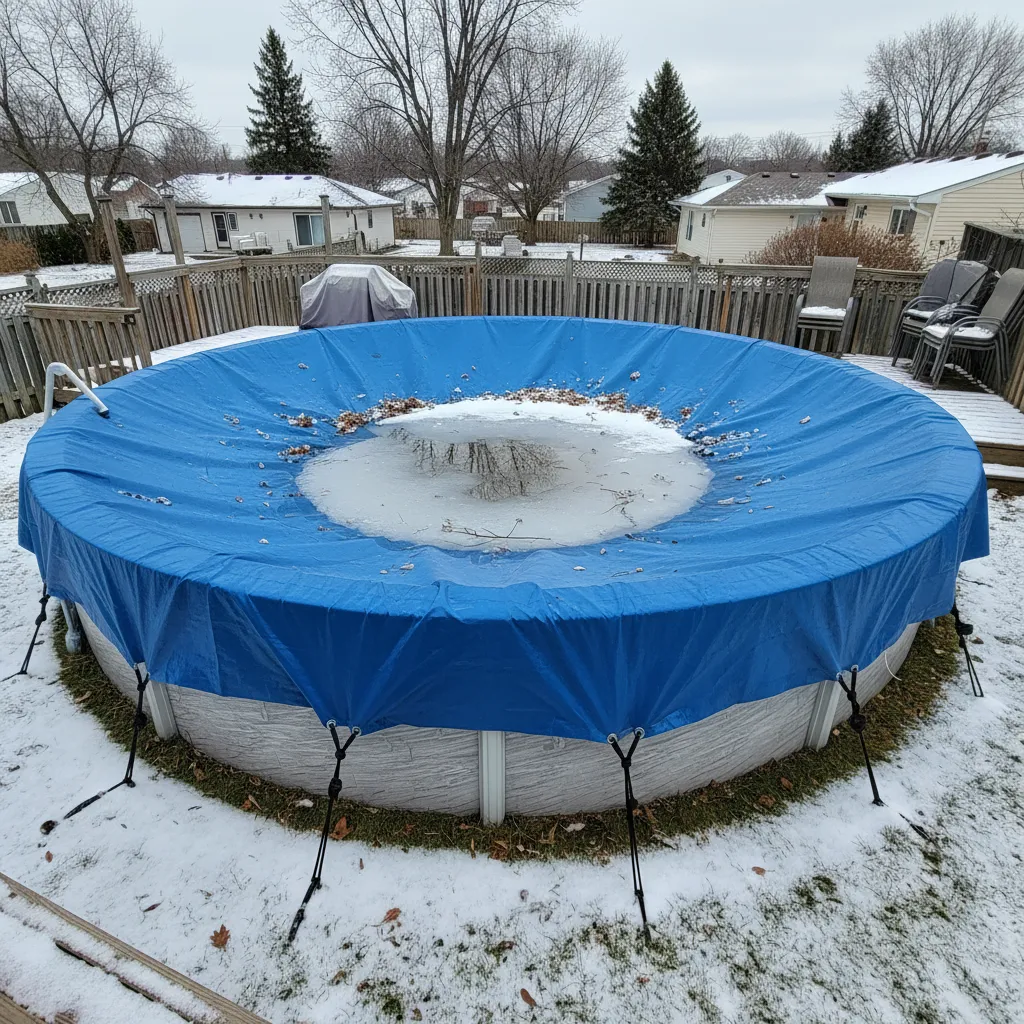
"Invest once to protect your liner and prevent a swamp in the spring."
Heavy-Duty Winter Pool Cover
Winter demand is high - check stock
Key Benefits Of Timely Replacement
Fresh grids restore filtration efficiency by up to 95%, keeping water visibly clearer. New grids operate at optimal flow rates, lowering pump strain. This reduces energy use by 10-15% compared to struggling systems. Properly functioning grids also require less frequent backwashing, saving roughly 500 gallons per cycle. Maintaining a stainless steel pool is also important for achieving similar efficiency. Regular upkeep helps prevent rust and staining, ensuring the pool remains clean and attractive.
Replacement de pool filter grids prevent DE powder from leaking into the pool, which eliminates costly powder top-ups. Grids with intact seams maintain stable pressure readings between 8-15 PSI, extending the life of valves and gauges. Investing $80-$200 in new grids now beats paying $500+ later for full filter repairs. Similarly, maintaining your pool equipment can help reduce overall expenses. This includes understanding the costs associated with installing a pool chiller, which can vary based on the size and model.
Consequences Of Worn-out Grids
Frayed or torn pool filter grids let DE powder bypass the system, creating cloudy water. Clogged pores force pumps to work harder, spiking pressure beyond 25 PSI. This stresses o-rings and manifolds, risking cracks. Brittle grids might snap during cleaning, leaving plastic fragments in the tank.
Ignoring replacement for pool filter grids leads to short cycling—frequent backwashing every 2-3 days versus the standard 1-2 weeks. Contaminants recirculate, requiring double doses of chlorine or algaecides. In extreme cases, collapsed grids block water flow entirely, shutting down filtration until parts arrive.
Spotting signs of grid wear early prevents these headaches. Let’s examine the red flags signaling it’s time for de grid filter replacement.
Signs Your DE Filter Grids Need Replacement
Spotting failing grids quickly stops major pool issues. Look for physical flaws or shifts in how your filtration works to act fast.
DE Powder Leaking Into the Pool
Grids hold diatomaceous earth (DE) powder during filtration. Torn fabric or broken seams let DE slip into your pool, creating cloudy water. If you spot powder piles on floors or hazy water post-backwash, inspect grids. A loss of 1-2 lbs of DE post-cleaning signals grid failure. This is where the importance of filter grid replacement comes into play. Replacing damaged grids ensures effective filtration and clear, clean water for your pool.
Persistent High or Low Pump Pressure
Watch your filter’s pressure gauge. Clogged grids push PSI 10+ points above normal (often 25-30 PSI). Cracks or splits drop pressure below 10 PSI. If backwashing or bumping won’t fix it, grids likely need swapping. Keeping your filter in good shape helps maintain overall pool performance. A well-functioning filter is essential for achieving the best time run pump.
Visible Damage or Dark Spots on Grids
Pull grids out yearly for inspection. Brittle plastic, rips, or dark stains show aging. Black spots mean DE clogs from micro-tears. UV rays and pH swings above 8.0 speed grid breakdown. Replace if 30%+ of surfaces show flaws.
How to Choose the Correct Replacement Grids
Moving beyond spotting bad grids, picking right parts avoids fit hiccups. Focus on sizing, brand match, and kit contents.
Determining the Right Grid Size
Grid sizing links to your filter model. Hayward EC65 grids run 10” tall; Pentair FNS Plus uses 12” grids. Check old grids for stamped numbers (ex: C-8400 for Jacuzzi). Wrong sizes block full DE coating or crack manifolds. The right grid size matters for overall pool maintenance. When considering a stock tank pool size, it’s essential to know how size affects filtration efficiency.
Understanding Filter Grid Compatibility
Not all grids fit all brands. Hayward grids work with Sta-Rite but not Pentair. Aftermarket grids (Pleatco, Unicel) cost 20-40% less but must list OEM matches. Always cross-check model numbers on vendor charts.
What’s Included in a Replacement Kit?
Full kits save time. A 6-grid Hayward Pro-Grid kit (EC65A) includes nylon bands, manifold, washers. CMP kits add O-rings and lube. Avoid “grid-only” packs if your manifold has cracks. Kits run $150-$400 based on grid count. When considering pool maintenance, it’s essential to factor in additional costs for automated pool valves. These valves can range in price, impacting the overall budget for keeping your pool in top condition.
| Kit Brand | Grid Count | Typical Inclusions | Price Range |
|---|---|---|---|
| Pleatco | 8 | Grids, manifold, bolts | $220-$350 |
| Unicel | 6 | Grids, O-rings, spacers | $180-$275 |
With grids picked, it’s time to tackle installation. Upcoming steps outline how to swap parts without harming your system.
Also See: Can You Get Electrocuted in a Pool? Pool Pump Risks
Step-by-step DE Filter Grid Replacement Guide
Replacing DE filter grids keeps your pool water clean and your system running smooth. Follow these steps to swap old grids safely and avoid common mistakes.
Step 1: Safety Precautions and Power Disconnection
Turn off the pool pump at the breaker box. Relieve pressure using the air relief valve. Wear gloves and goggles to protect skin and eyes from DE powder (diatomaceous earth), a fine silica dust. After cleaning, it’s important to protect your pool’s plumbing. Insulating pool pipes can help keep the water temperature stable and reduce energy costs.
Step 2: Draining and Opening the Filter Housing
Drain water from the filter tank via the waste port or drain plug. Unscrew the clamp or bolts holding the tank lid. Lift the lid carefully—damaged O-rings may cause leaks if forced open. After cleaning, you may want to address the chlorine levels. This is important to keep your pool safe and comfortable for swimmers.
Step 3: Removing Old Grids and Cleaning the Filter
Unhook grids from the manifold (the central plastic hub). Check for cracks, tears, or bent rods. Hose off debris from the tank interior. Soak grids in a mix of 1:4 muriatic acid and water for 1-2 hours if reusing old ones. Keeping your pool clean is important even without a pump. Regular maintenance and cleaning can help maintain water clarity and hygiene.
Step 4: Installing New Grids Correctly
Align new grids evenly around the manifold. Ensure fabric faces outward and all clips snap into place. Tighten the manifold’s top bolt to 10-12 ft-lbs (over-tightening cracks plastic).
Step 5: Reassembly and Adding Fresh DE Powder
Reattach the tank lid and secure clamps. Prime the pump, then add DE powder through the skimmer. Use 1 lb per 10 sq. ft of filter area (e.g., 6 lbs for a 60 sq. ft filter).
Cost Of DE Pool Filter Grid Replacement
Costs vary based on grid size, brand, and labor. Here’s what to expect for DIY or pro service.
Average Cost for DIY Replacement
A grid set costs $80-$300. Kits with manifolds, O-rings, and lube run $150-$500. Example: Hayward EC65 grids cost $180; Pentair FNS Plus grids cost $240.
Factors Influencing Professional Service Costs
- Labor fees: $75-$150/hour
- Parts markup: 20-50% over retail
- Trip charges: $30-$75 for rural areas
Maintaining Your New DE Filter Grids
Proper care extends grid life from 2-3 years to 5+ years. Focus on DE cycles and cleaning habits.
How Often to Change Diatomaceous Earth
Add DE after each backwash. Full replacement every 3-6 months. If pressure rises 8-10 PSI above normal, recharge with fresh powder.
Cleaning Tips to Extend Grid Lifespan
- Backwash at 25 PSI max
- Deep-clean grids with TSP (trisodium phosphate) yearly
- Store grids in shade—UV rays weaken fabric
Got more questions? Check our FAQ section below for expert answers.
Frequently Asked Questions
How Long Does a Typical Grid Replacement Take?
Most DIY replacements take 1-2 hours, including disassembly, cleaning, and reassembly. Professional technicians often complete the job in 45-90 minutes, depending on filter accessibility and grid configuration.
Can I Repair a Torn Grid Instead Of Replacing It?
Small tears (under 1 inch) can be temporarily patched with waterproof fabric glue or silicone sealant. However, repairs are short-term fixes—replacement remains the only reliable solution for compromised filtration. It’s important to look after your pool liner to ensure it stays in good condition. One common issue pool owners face is wrinkles in the liner, which can detract from the pool’s appearance and function.
How Should I Dispose Of Old DE Filter Grids?
Rinse grids thoroughly to remove DE powder, then recycle polypropylene plastic components where facilities exist. Check local regulations for plastic recycling codes (usually #5). Never burn old grids—they release toxic fumes.
Are There Eco-friendly Alternatives to DE Powder?
Yes! Cellulose fiber (like AquaPerl) is a biodegradable option. It traps particles similarly to DE but requires 20% more product. Note: Some grids are designed for DE only—check manufacturer guidelines before switching.
Why Does Pressure Fluctuate After Installing New Grids?
Initial pressure spikes often mean grids are properly coated with DE. If pressure remains unstable, check for improper assembly, cracked manifolds, or incorrect DE amounts. Verify pump speed matches filter specifications (GPM). Maintaining proper filtration is key to keeping pool water clean. A well-maintained sand pool can provide a great swimming experience for everyone.
Do Grids Expire if Unused?
Unopened grids last 5-7 years in climate-controlled storage. UV exposure or temperature swings above 120°F can degrade plastic. Inspect stored grids annually for brittleness or discoloration. Keeping your pool area in good shape is important for maintenance. A DIY pool house can provide a great space for storage and relaxation by the water.
Final Thoughts on DE Filter Grid Replacement
Replacing your DE pool filter grids is a straightforward process when you follow the right steps. Proper maintenance and timely replacements ensure your pool stays crystal clear while protecting your equipment from unnecessary strain.
Remember to check for signs like DE powder leakage, pressure fluctuations, or visible grid damage. Investing in quality replacement grids—whether individual panels or full kits—can save you money long-term by improving filtration efficiency.
For precise calculations on DE powder amounts, filter run times, or other pool maintenance needs, explore the tools at My Pool Calculator. Keeping your filter in top shape means more swim time and fewer headaches.
Additional Resources for You:
- National Swimming Pool Foundation (NSPF). (2022). Pool & Spa Operator Handbook (4th ed.). Colorado Springs, CO: NSPF.
- r/pools on Reddit: Moved into new house in Texas, Replacing DE filter grids, what do I buy? I want the best i can get/least maintence + best filtering.
- Leslie’s Pool Supplies | Replacement DE Filter Grids
- Universal Pro 48 – DE Filter Grid Replacement | Filters Fast®
- Safe to run DE filter grid with small tear? | Trouble Free Pool
A pool care geek who’s been testing water chemistry since she was tall enough to reach the skimmer.
DE Filters, Filters, Pool Equipment Repair