Can You Leave a Pool Vacuum in the Pool Overnight?
Published on: January 22, 2026 | Last Updated: November 17, 2025
Written By: Rachael Weatherbottom
Yes, you can leave certain pool vacuums in the water overnight, but it depends on the cleaner type, pump setup, and manufacturer guidelines. Robotic models like Dolphin often handle extended submersion with automatic shutoff features, while suction-side vacuums (connected to your pool’s filtration system) risk straining pumps if left too long. Key factors include material durability against chlorine exposure, electrical safety for corded units, and avoiding debris overload in filters during unattended runs.
This article breaks down exactly what happens when pool vacuums stay submerged for hours. You’ll learn how robotic, suction-side, and pressure-side cleaners (which use water pressure to move debris) differ in overnight capabilities. We’ll cover specific risks like motor wear, chemical corrosion from shock treatments, and why some filters clog faster than others.
You’ll get data-backed time limits for popular models, safety tips for swimming near active cleaners, and maintenance tricks to extend your equipment’s lifespan. We’ve also included pro insights on handling leaf piles, battery care for cordless units, and why pH levels matter during overnight cleaning cycles. Keep reading to find your vacuum’s sweet spot between thorough cleaning and equipment protection.
Understanding Overnight Pool Vacuum Use
Pool owners frequently ask if a vacuum can stay submerged for long spans. While practical for thorough cleaning, prolonged submersion impacts both tools and pool systems. Balancing convenience with practicality requires grasping two primary factors. Keeping the water clean is essential not only for swimming but also for when considering its use for drinking. Purifying pool water for drinking involves careful filtration and treatment processes to ensure safety.
Crucial Winterizing Products

"The all-in-one solution for a guaranteed clear spring opening."
All-in-One Closing Chemical Kit
Winter demand is high - check stock

"The 'set & forget' option. This is the easiest winterizing I've ever done."
Simple 3-in-1 Winterizing Balls
Winter demand is high - check stock
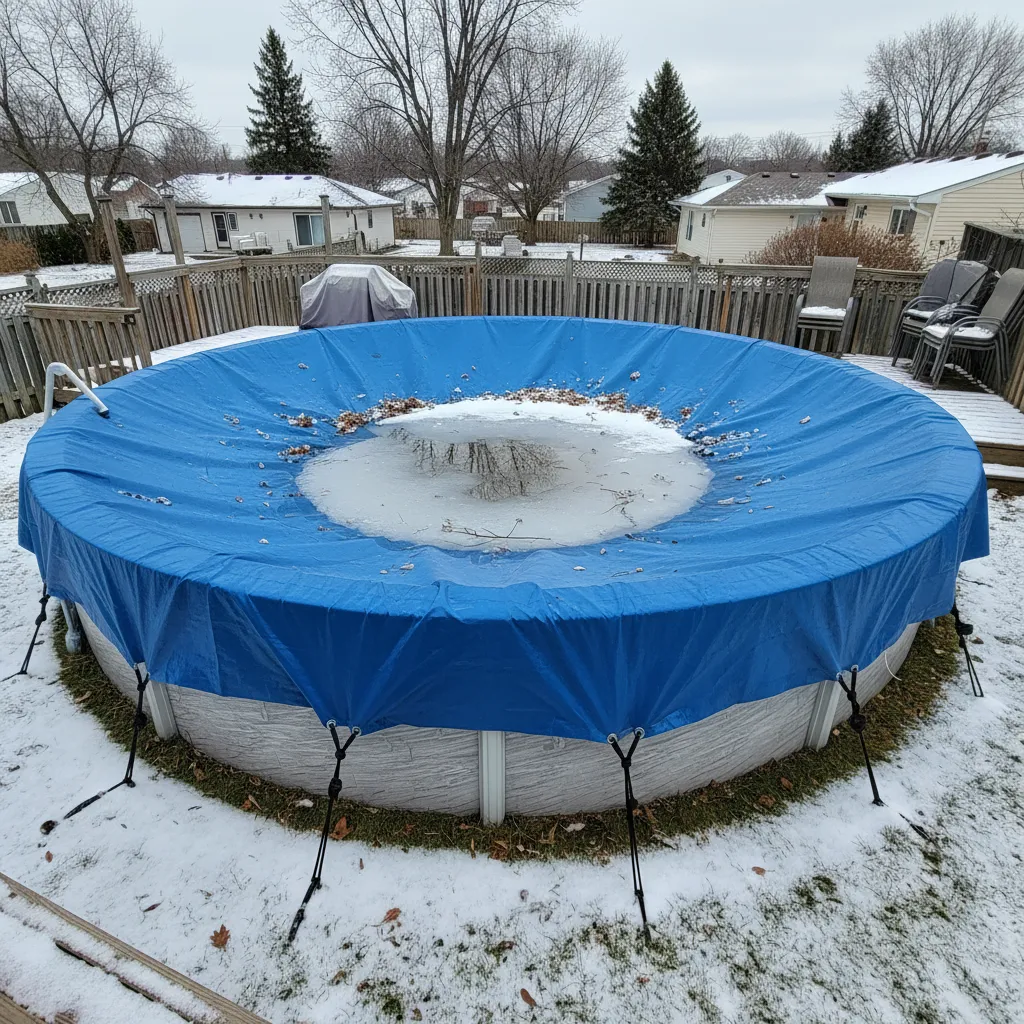
"Invest once to protect your liner and prevent a swamp in the spring."
Heavy-Duty Winter Pool Cover
Winter demand is high - check stock
Key Factors to Consider
Not all pool vacuums handle continuous immersion similarly. Construction materials, filtration dynamics, and pump interactions play distinct roles in determining safety limits. One key factor in maintaining a safe diving environment is the effectiveness of the pool’s filtration system. Proper filtration helps keep the water clean and clear, ensuring a safe experience for high divers.
Material Durability and Water Exposure
Most modern vacuums use polymers like ABS plastic or polypropylene, which resist water absorption for 8-12 hours. But UV rays from sunlight combined with pool chemicals (chlorine at 1-3 ppm or bromine) can hasten material fatigue. Gaskets and O-rings—critical for waterproofing—may stiffen or crack if submerged beyond 24 hours continuously, risking leaks. High-quality robotic units often incorporate stainless steel shafts and marine-grade cords to combat hydrolysis, a chemical breakdown process in water. Budget models lacking robust seals might show wear within weeks if left in daily.
Filtration System Impact
Suction-side vacuums linking to skimmer lines can limit water flow if left running overnight. Reduced circulation strains pumps, potentially spiking pressure by 20-30% in cartridge filters. Pressure-side models bypass this but may allow debris to settle if not routed to a dedicated bag. Robotic units with built-in microfilters risk clogging if left inactive post-cycle, forcing motors to work harder upon restart. For sand filters, continuous operation with a vacuum might push finer particles through media, clouding water clarity.
Factoring in material limits and filtration dynamics shapes choices about overnight use. Next, diving into vacuum types clarifies which models align with long-duration submersion.
Types Of Pool Vaucums and Overnight Use
Different pool vacuum systems handle extended submersion differently. Their design, power sources, and interaction with your pool’s equipment determine whether leaving them in water for hours poses risks.
Robotic Pool Cleaners
Robotic models like Dolphin or Polaris operate independently using built-in motors. These units often feature durable polypropylene shells rated for prolonged water contact.
Can Robotic Models Stay Submerged Long-Term?
Most robotic cleaners tolerate continuous submersion if powered off. Units with swivel cables or brush motors rated for 1,000+ hours of runtime handle overnight stays without degradation. Check specifications for IPX8 waterproof ratings—models with this certification resist water ingress even under 10 feet of pressure.
Suction-side Vacuums
These systems rely on your pool’s main pump to generate suction through the skimmer. They connect via hoses to the suction port, directing debris toward the filter.
Pump Strain Risks
Leaving suction-side vacuums running overnight forces pumps to operate beyond standard 6-8 hour filter cycles. Pump motors drawing 1,200-2,000 watts may overheat, increasing energy costs by 15-20%. Debris buildup in skimmer baskets can also block water flow, causing pump cavitation or seal damage.
Pressure-side Cleaners
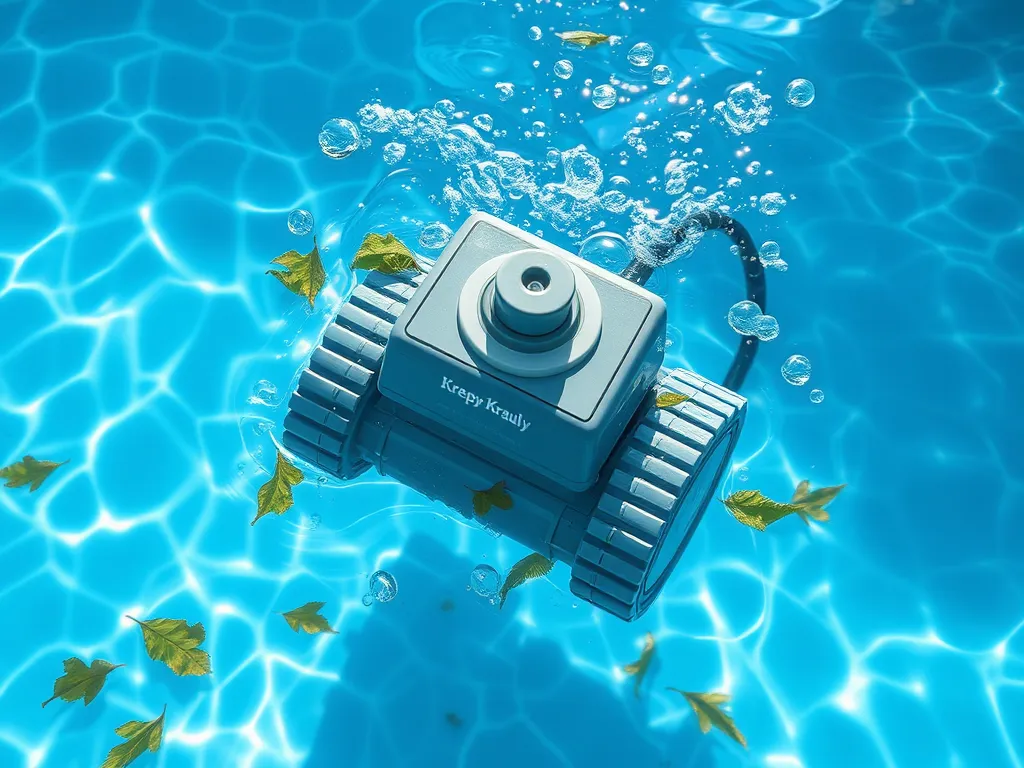
Pressure-side units like the Kreepy Krauly use water pressure from a dedicated booster pump (typically 1.0-1.5 HP) to propel movement. They eject debris into a mesh bag or the pool’s filtration system.
Water Pressure Considerations
Continuous operation at 15-20 PSI stresses booster pump impellers and diaphragms. Most manufacturers specify 4-6 hour maximum daily runtime. Extended use degrades thrust jets faster, requiring replacements every 3-5 months versus 6-8 months with intermittent use.
Expert Recommendations for Overnight Operation
Following tested protocols preserves equipment longevity while maintaining cleaning efficiency.
Manufacturer Guidelines
Hayward advises removing robotic units post-cycle to prevent cable UV damage. Pentair specifies suction-side systems shouldn’t exceed 75% of the pump’s maximum flow rate (measured in GPM) for over 8 hours. Always reference your model’s manual—variations exist between brands like Maytronics vs. Zodiac.
Ideal Duration Limits
Runtime depends on vacuum type, debris load, and pump capacity. Exceeding limits risks mechanical failures.
Maximum Recommended Timeframes
| Type | Max Continuous Use |
|---|---|
| Robotic | 8-12 hours |
| Suction-Side | 2-4 hours |
| Pressure-Side | 6-8 hours |
While these timeframes provide clear boundaries, real-world factors like pool size or debris volume may require adjustments. Monitoring system performance becomes critical for those opting to leave pool vacuum in the pool overnight regularly. This is especially true as stagnant water can lead to algae growth on pool covers. Preventing pool cover algae is important to ensure a clean and safe swimming environment.
Next, let’s explore how specific models perform under extended submersion cycles beyond standard cleaning windows.
Also See: Can You Swim With a Pool Vacuum? Safety Tips
How Long Can You Safely Leave a Pool Vacuum in?
Runtime limits vary by vacuum type and design. Most units function optimally within specific windows before requiring removal. Going beyond these limits may impact parts or void warranties.
Robotic Cleaner Time Limits
High-quality robotic units typically run 2.5-4 hours per cycle. Brands such as Dolphin or Polaris program units to shut down automatically post-cleaning. Leaving a robotic vacuum in water longer than 72 hours risks motor housing harm from continuous submersion. Check manuals for maximum submersion ratings—many specify 24-48 hours as safe limits.
Traditional Vacuum Systems
Suction-side and pressure-side models link to pool pumps, which must run during operation. Pump manufacturers often suggest capping runtime at 8-10 hours daily. Prolonged use strains impellers and may overheat motors. For multi-day jobs, manually disconnect hoses each night to avoid pump stress. To maintain a clean and clear pool, many homeowners choose to run their pool pumps continuously. Running the pool pump 24/7 can ensure optimal water circulation and filtration.
Overnight vs Multi-Day Use
An 8-hour overnight session works for traditional systems if pumps meet flow rate specs. Multi-day submersion degrades plastic parts, with rubber seals losing flexibility after 14-21 days. Remove units weekly for inspections if using continuously. Maintaining your pool equipment is essential for longevity. This includes considering when it’s time to resurface your pool deck for safety and aesthetics.
Special Case: Robotic Cleaners Like Dolphin
Advanced robotic models handle extended submersion better than basic units but still have constraints. Units with intelligent navigation often finish jobs faster, reducing total water contact time.
Leaving Robotic Units Overnight
Many 2023-2024 Dolphin cleaners feature a “Sleep Mode” that pauses activity after completing cycles. This allows safe overnight stays in pools without active cleaning. Avoid submerging control panels—keep floating power cords dry. Keeping your pool clean is essential for enjoying it fully. A clean dirt bottom pool ensures better water quality and a more pleasant swimming experience.
Automatic Shutoff Features
Top-tier robots include thermal sensors that power down units if internal temps surpass 120°F. This prevents burnout during jammed brush scenarios. Verify shutoff functions monthly via test runs.
Battery Vs Plug-in Models
Cordless robotic vacuums like the AquaSense Pro run 90-120 minutes per charge. Leaving these in water post-cycle drains batteries and may trigger corrosion. Plug-in units handle longer submersion but require GFCI-protected outlets to stay on overnight.
Safety Considerations
While modern pool vacuums prioritize safety, specific protocols apply for overnight use. Always prioritize human and gear protection.
Swimming With Active Pool Cleaners
Suction ports on traditional vacuums generate force strong enough to trap hair or swimsuits. Robotic models with spinning brushes may cause minor injuries. Turn off all units before entering pools. As pool maintenance is crucial year-round, it becomes especially important in December. Enjoying a well-maintained pool in the Dominican Republic during this month can be a refreshing experience.
Power Safety Protocols
Inspect cords weekly for cracks or fraying. Use waterproof cord wraps for connections within 10 feet of pool walls. For plug-in robots, install a weatherproof outlet box rated for wet conditions. Solar-powered units avoid cord risks but lack continuous runtime.
Up next: How pool chemistry interacts with submerged cleaning gear during maintenance cycles.

Maintenance During Chemical Treatments
Chemical treatments like shocking require careful equipment management. Pool vacuums left submerged during these processes face unique challenges, especially when chlorine levels exceed 5 ppm or non-chlorine shock treatments are applied. Maintaining the right chemical balance is crucial for overall pool health. This includes being aware of saltwater pool bacteria that can thrive if conditions aren’t monitored closely.
Using Vacuums While Shocking Pool
Most manufacturers advise removing cleaners during shock treatments. High chemical concentrations accelerate wear on rubber seals, PVC components, and motor housings. For example, prolonged exposure to calcium hypochlorite can degrade plastic parts 40% faster than normal operation.
Chemical Corrosion Risks
Acidic shocks (sodium bisulfate) or alkaline-based oxidizers create corrosive environments. Robotic models with circuit boards risk electrical shorts if seals fail. Suction-side hoses may stiffen and crack when exposed to chlorine levels above 10 ppm. Always rinse cleaners post-treatment and verify chemical neutrality (7.2-7.8 pH) before redeploying units.
Potential Risks Of Extended Use
Leaving a pool vacuum in overnight introduces mechanical and operational hazards. While some automatic cleaners handle 8-hour cycles, continuous operation strains components. Just like pool equipment, pool test strips have a lifespan that affects their reliability. Keeping track of how long you’ve had them ensures accurate readings for your pool’s chemical balance.
Mechanical Wear Concerns
Motors in suction-side models lack thermal protection for 12+ hour runs, risking overheating. Pressure-side cleaner diaphragms endure 15% more stress during extended cycles. Robotic track systems averaging 30 RPM can shed treads prematurely if operated beyond manufacturer-recommended 6-hour limits.
Debris Overload Scenarios
Full filter bags or clogged skimmer baskets force pumps to work harder, increasing energy costs by $5-$15 monthly. Automatic shutoff features on premium robotic units prevent this, but basic models lack safeguards. Keeping filters clean can help reduce overall energy expenses. This is important to consider when calculating the cost of running a pool chiller.
Leaf Accumulation Issues
Vacuums left in pools overnight during fall can ingest 2-3 pounds of leaves, jamming impellers or tearing mesh filters. Units without leaf canisters may push debris back into the pool, negating cleaning efforts. Manual removal every 4 hours is advised during heavy shedding seasons. Keeping your pool clean is important for maintaining a safe environment. Additionally, to keep iguanas away from the pool, consider using fences or natural repellents around the area.
While these scenarios outline physical risks, common questions about overnight vacuum use often focus on equipment specifics.
FAQ: Leaving Pool Vacuums Overnight
How Does Overnight Vacuuming Impact Energy Costs?
Robotic cleaners typically consume 150-300 watts per cycle, adding $0.15-$0.30 to daily bills if run overnight. Suction-side systems tied to pool pumps (1,200+ watts) can cost $1.50-$2.40 for 8-hour runs. Pressure-side units with booster pumps fall between these ranges.
Are There Weather Risks When Leaving Cleaners Submerged Overnight?
Thunderstorms pose electrical hazards for plugged-in units—GFCI outlets are essential. Freezing temperatures can damage internal components if water inside motors expands. Remove cleaners if temps drop below 40°F (4°C).
Does Extended Submersion Void Equipment Warranties?
Some manufacturers (e.g., Hayward, Pentair) require removal after cycles to maintain warranties. Check terms for clauses about “continuous submersion” or “chemical exposure limits.” Robotic brands like Dolphin often cover overnight use if automatic shutoffs function properly.
What Pre-use Checks Ensure Safe Overnight Operation?
Inspect power cords for abrasions, confirm filter baskets are 50% empty, and test shutoff timers. For robotic models, ensure buoyant cables aren’t tangled. Verify pool chemistry (pH 7.2-7.8, chlorine ≤ 5 ppm) to prevent accelerated wear. Maintaining these aspects is crucial for keeping your pool clean. Robotic pool cleaners rely on these checks to operate efficiently and give you the best cleaning results.
Can Overnight Cleaning Help Balance Pool Chemistry?
While vacuums don’t directly adjust chemistry, continuous circulation from suction/pressure-side units helps distribute chemicals evenly. Robotic models paused overnight provide no circulation benefit—run them during daytime cycles for optimal chemical dispersion.
Closing Thoughts
Leaving a pool vacuum in overnight depends on your cleaner type and pool conditions. Robotic models with automatic shutoff typically handle extended use well, while suction-side cleaners risk straining your filtration system. Always check manufacturer guidelines – most recommend 3-6 hour cycles for optimal performance.
For precise calculations on pump run times or chemical treatments during vacuum operation, visit My Pool Calculator. Our tools help balance cleaning efficiency with equipment longevity.
Remove manual vacuums after use and store robotic units properly. This prevents unnecessary wear and keeps your pool maintenance hassle-free.
Useful References for You:
- American National Standards Institute (ANSI). (2020). ANSI/PHTA Standards for Residential Swimming Pools. New York, NY: ANSI.
- Can you leave robotic pool cleaner in pool? – AlphaPools
- Can Pool Robots Stay in the Pool?
A pool care geek who’s been testing water chemistry since she was tall enough to reach the skimmer.
Cleaning Tools, Pool Cleaning & Maintenance, Pool Vacuums