
Should Your Pool Pump Run 24/7? What Every Pool Owner Needs to Know
Published on: January 22, 2026 | Last Updated: November 17, 2025
Written By: Lila Fairholme
Running your pool pump 24/7 isn’t necessary for most residential pools. The standard recommendation ranges from 8-12 hours daily, balancing water clarity with energy costs. This runtime allows most pumps to fully circulate the pool water 1-2 times (called “turnover rate”), filtering debris and distributing chemicals evenly. Factors like pool size, pump horsepower (HP), and local climate impact exact needs – a 20,000-gallon pool with a 1.5 HP pump typically requires 8 hours, while smaller pools may need less.
This guide breaks down the science behind pool circulation and real-world cost tradeoffs. You’ll learn why some situations (like algae treatment or sandstorm recovery) demand temporary 24/7 pumping, while daily use follows different rules. We’ll compare single-speed vs variable-speed pumps – including how upgrading can cut energy use by 80% with proper scheduling.
Explore how runtime affects monthly bills: a 1.5 HP pump costs $0.25-$0.40 per hour, making 24/7 operation $180-$288 monthly versus $60-$96 for 8 hours. You’ll get tailored advice for inground pools, above-ground setups, and saltwater systems, plus tips to adjust runtimes during heat waves, heavy rains, or swim parties. Let’s find your pump’s sweet spot between crystal-clear water and wallet-friendly operation.
Do You Need to Run a Pool Pump 24/7?
Pool owners frequently question whether keeping their pump active non-stop benefits their system. The response depends on multiple variables tied to water quality, equipment specs, and environmental conditions. It’s also crucial to monitor the pool for any signs of damage. For instance, cracks in the pool surface can indicate structural issues that need immediate attention.
Crucial Winterizing Products

"The all-in-one solution for a guaranteed clear spring opening."
All-in-One Closing Chemical Kit
Winter demand is high - check stock

"The 'set & forget' option. This is the easiest winterizing I've ever done."
Simple 3-in-1 Winterizing Balls
Winter demand is high - check stock
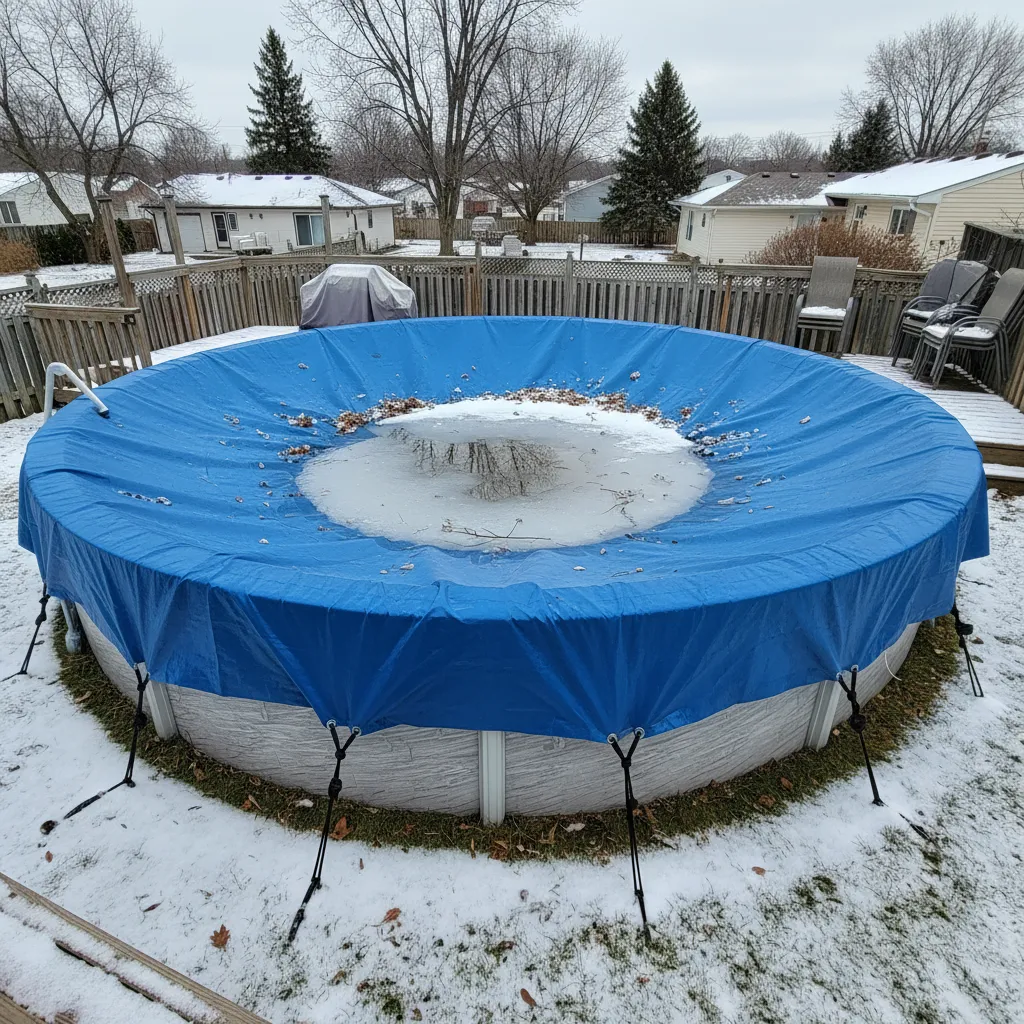
"Invest once to protect your liner and prevent a swamp in the spring."
Heavy-Duty Winter Pool Cover
Winter demand is high - check stock
Understanding the Necessity Of Continuous Operation
While most pools don’t require round-the-clock pumping, specific scenarios demand extended runtime. These exceptions highlight the flexibility needed for proper pool care.
When 24/7 operation might be temporarily necessary
During intense weather events like hurricanes or dust storms, debris loads spike dramatically. Running the pump constantly prevents clogged skimmers and maintains surface cleanliness. After heavy chemical treatments—such as shocking for algae removal—continuous circulation ensures even distribution, letting sanitizers work effectively. Pools hosting large gatherings also benefit from post-event 24-hour cycles to manage introduced contaminants. To further enhance pool safety, using a safety cover is an important step. Pool safety covers help protect your pool from debris and keep it clean during off-seasons.
Newly replastered surfaces or freshly balanced water might need non-stop flow for 24–72 hours. This prevents cloudiness or chemical stratification, particularly in deep-end zones. Freeze protection modes in colder regions sometimes require pumps to operate non-stop when temperatures drop below 35°F to avoid pipe damage.
Standard circulation requirements for pool health
For routine maintenance, the goal is achieving one full water turnover daily. Calculate this by dividing pool volume (gallons) by pump flow rate (GPM). Multiply the result by 60 to get hours needed. For example, a 20,000-gallon pool with a 40 GPM pump requires roughly 8.3 hours (20,000 ÷ 40 = 500 minutes ÷ 60 = 8.3 hours).
Larger pools or systems with lower horsepower may need 10–12 hours. Pools in windy zones with high debris might extend to 14 hours. The key is maintaining visible surface movement and verifying sanitizer levels stay stable. Variable-speed pumps set to lower RPMs can stretch filtration periods without spiking energy bills.
Up next: We’ll explore how balancing these needs with operational costs shapes smart pump management strategies.
Pros and Cons Of Running a Pool Pump 24/7
Deciding if you should let your pool pump run all day and night? Weigh these ups and downs first.
Benefits Of Continuous Operation
Running the pump non-stop can boost pool health in key ways.
Improved water clarity and chemical distribution
A pump that works 24/7 keeps water moving. This stops “dead zones” where dirt or germs can build up. Steady flow spreads chlorine and pH balers evenly, cutting the risk of green water or skin burn. To further enhance your pool’s efficiency, it’s also important to consider protecting your plumbing. Insulating pool pipes can help maintain the water temperature and prevent energy loss.
Enhanced debris filtration
Pools in leaf-heavy zones gain from 24-hour skimming. Sand or cartridge traps catch more dirt when water flows through them all day. This means less hand scooping and clearer swims.
Drawbacks Of Non-stop Use
Round-the-clock pump use comes with real costs.
Increased energy consumption costs
A 1.5HP pump running full-time eats 3,000+ kWh per year. That’s $30-$60 extra monthly in most states. Heat waves can spike this higher as pumps fight algae growth.
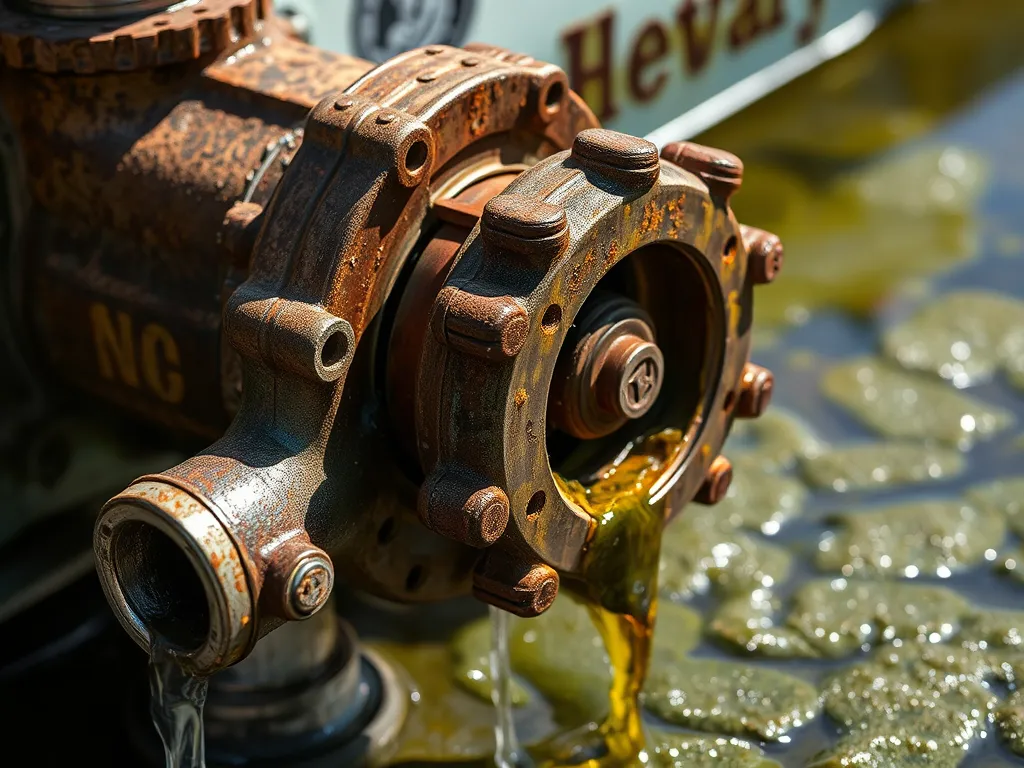
Potential equipment wear and tear
Motor seals last 3-5 years with normal use. Non-stop spins cut this to 1-3 years. Bearings and impellers also wear faster, adding $200-$500 in repair bills over time.
Key Factors in Determining Daily Run Time
Your pool’s traits and local weather shape ideal pump hours.
Pool Size and Pump Capacity Relationship
A 20,000-gallon pool needs a pump that moves 40+ gallons per minute (GPM) to cycle all water in 8 hours. Small pumps (25 GPM) must run 16+ hours to do the same job. Check your pump’s GPM rating on the side plate. This is important for keeping your pool clean and safe. Long drain pools may require specific pump settings to ensure effective water circulation.
Climate and Seasonal Considerations
Sun, heat, and swimmer load change pump needs.
Adjusting runtime during heat waves
90°F+ days demand 2-4 extra pump hours. High temps boost chlorine burn-off and algae risks. Run the pump from 10 AM to 6 PM when UV rays are strongest.
Operation during heavy pool usage events
Post-party pools need 12+ hours of run time. Ten swimmers add sweat, oils, and dirt that cloud water fast. Run the pump 6 hours before and 6 after big groups.
Water Chemistry Maintenance Needs
Salt pools need 8-12 hours of pump time to make chlorine. Liquid chlorine users can cut hours if tests show steady 3ppm levels. Pools with high CYA (over 80ppm) may need longer runs to spread sanitizer well. Maintaining proper chemical balance is crucial for pool health. A well-cared-for pool can last for many years, making regular maintenance key to extending its lifespan.
Ready to trim costs without risking pool health? The next steps show how to balance run times and savings.
Also See: Do Cats Drown in Swimming Pools? Know the Safety Tips
Optimizing Pool Pump Efficiency
Proper pump management balances water quality with energy use. Strategic planning reduces costs while maintaining clean, safe swimming conditions.
Creating an Effective Runtime Schedule
Most pools function optimally with 6-12 hours of daily circulation. Exact needs depend on equipment specs and environmental factors.
Calculating minimum required hours per day
Use this formula: (Pool volume ÷ Pump flow rate) × 2. For example, a 20,000-gallon pool with 40 GPM flow needs (20,000 ÷ 2,400) × 2 = ~16.6 hours. Adjust based on bather load or debris levels. Knowing the right pumping time helps in planning the overall pool maintenance costs. A pool construction cost calculator can provide more detailed insights into budgeting for your new pool.
Strategic timing for energy savings
Run pumps during off-peak utility hours (typically 8 PM to 8 AM) when possible. Split cycles – 4 hours morning, 4 hours evening – to maintain chemical dispersion without continuous operation. Caring for your pool equipment can also influence their durability. Regular maintenance can help extend the lifespan of your pool heater.
Energy-saving Practices
Modern technology cuts energy use by up to 80% compared to single-speed models.
Variable-speed pump advantages
Variable-speed units (like Pentair IntelliFlo) consume 300-800 watts versus 1,500-2,500 watts for traditional pumps. At $0.15/kWh, this saves $900+ yearly when running 12 hours daily. Keeping a pool in good condition also includes maintaining the deck. Resurfacing the pool deck can enhance safety and improve the overall appearance of your outdoor space.
Timer system optimization
Programmable timers (Intermatic T104 series) enable precise control. Set 3-4 shorter cycles (2-3 hours each) instead of one long session for better particle capture.
Cost Implications Of 24/7 Operation
Non-stop pumping impacts both monthly bills and equipment longevity. Data reveals significant financial differences between schedules.
Electricity Consumption Breakdown
A 1.5 HP pump running continuously uses ~4.5 kWh. At national average rates, this costs $4.86 daily ($146 monthly). Summer peaks increase this by 18-22% in warmer climates.
Comparing Operational Costs
See annual costs for common scenarios:
| Schedule | Daily Hours | Annual Cost |
|---|---|---|
| 24/7 | 24 | $1,752 |
| Optimized | 8 | $584 |
24/7 vs. optimized scheduling
Five-year projections show $5,840 savings with smart timers versus non-stop use. Most pumps last 2-3 years longer when not overworked.
Long-term cost projections
Including maintenance, 24/7 operation averages $3,100 yearly versus $1,200 for scheduled runs. Variable-speed models cut these figures by 35-40%.
Seasonal Operation Guidelines
Pump needs shift dramatically with temperature changes. Adjust schedules every 60-90 days for maximum efficiency.
Winter Operation Considerations
Cold weather reduces algae growth but introduces freeze risks. Balance these factors with modified run times.
Reduced runtime requirements
Most winterized pools require just 4-6 hours daily. Colder water (below 65°F) slows contaminant development, needing less filtration.
Freeze protection needs
When temperatures drop below 32°F, run pumps continuously to prevent frozen pipes. Use freeze guards (Hayward SPX3200Z1BE) to automate this process without manual intervention. Keeping pipes warm is important not just for freezing issues but also for preventing corrosion. Regular maintenance and proper insulation can help protect your copper pool plumbing from damage over time.
Summer and High-usage Periods
Peak season demands rise with higher swimmer loads and organic debris.
Managing increased filtration demands
Boost daily run time by 25-50% during heat waves or parties. For heavy pollen or storm debris, add 2-3 extra hours of circulation post-event.
With these strategies dialed in, let’s explore common questions about balancing pump performance with practical usage patterns.
FAQs: Pool Pump Operation
Is It Bad to Leave the Pool Pump on All the Time?
Continuous operation can accelerate motor wear and significantly increase energy bills. While acceptable for short-term issues like algae treatment, prolonged use shortens the pump’s lifespan by 30-50% compared to scheduled cycling. Similarly, pool lights also have a limited lifespan affected by how often they are used. Taking care of your pool lights can help maximize their longevity.
Is It OK to Run the Pool Pump 24 Hours a Day?
Temporarily yes – during chemical treatments or extreme weather – but not recommended daily. Modern variable-speed pumps allow low-RPM 24/7 operation at reduced energy costs if constant circulation is preferred. This is important for maintaining water quality. UV water treatment can effectively help eliminate harmful microorganisms in the water, ensuring it remains safe for use.
What’s the Most Efficient Schedule for a Pool Pump?
Split cycles (e.g., 4 AM-8 AM and 4 PM-8 PM) optimize debris capture and chemical distribution while avoiding peak energy rates. Pair with a timer and variable-speed settings for maximum savings.
How Long Should I Run My Pool Pump Daily?
Calculate using: (Pool volume ÷ pump GPM) ÷ 60 = base hours. Add 2-4 hours for heavy usage, high temperatures, or visible debris. Most pools need 6-12 hours depending on these variables. It’s also important to consider how much chlorine is needed to keep the pool clean. A chlorine dose pool calculator can help you find the right amount of chlorine for your specific pool needs.
How Long Should the Pump Run in Winter?
4-6 hours daily suffices in freezing climates when using freeze protection settings. In mild winters (above 50°F), 2-4 hours maintains clarity without overworking equipment.
Do Pool Pumps Use Excessive Electricity?
Single-speed pumps can consume 2-3× more energy than household refrigerators. Upgrading to variable-speed models cuts usage to levels comparable with LED lighting systems when run efficiently.
Closing Thoughts
Running your pool pump 24/7 isn’t necessary for most residential pools. While continuous operation improves water clarity, it comes with higher energy costs – typically $50-$150 more monthly compared to optimized schedules. The sweet spot for most pools is 6-12 hours daily, adjusted for size, season, and usage.
Variable-speed pumps cut energy use by up to 80% when properly programmed. In winter, reduce runtime to 4-6 hours unless freeze protection is needed. During heat waves or pool parties, temporarily increase filtration time.
For precise calculations tailored to your pool’s volume, pump horsepower, and local electricity rates, try our My Pool Calculator. You’ll get customized runtime recommendations that balance water quality with energy efficiency.
Smart pump management means cleaner water without wasting power. Find your pool’s ideal schedule, set timers, and enjoy crystal-clear water year-round.