Automatic and Robotic Pool Cleaners: Your Shortcut to a Spotless Pool
Published on: December 26, 2025 | Last Updated: November 17, 2025
Written By: Marcus Thornfield
Automatic pool cleaners and robotic pool cleaners are devices designed to scrub, vacuum, and filter debris from your pool with minimal effort. Robotic models operate independently using self-contained motors and filters, while automatic cleaners rely on your pool’s pump system—either suction-side (attached to skimmer lines) or pressure-side (powered by return jets). Both types tackle leaves, dirt, and algae but differ in energy use, cleaning precision, and upfront costs ranging from $300 to $1,500+.
This guide breaks down how these cleaners work, compares their strengths, and helps you choose the right model. You’ll learn why robotic units like the Dolphin Nautilus CC Plus dominate with smart navigation and weekly scheduling, while pressure-side cleaners excel at handling large debris like acorns. We’ll explore maintenance tricks, lifespan expectations (3-5 years for most robots), and real-world testing data from 15+ models.
Get ready for side-by-side comparisons of top brands—Polaris, Pentair, Hayward—and budget-friendly picks under $500. We’ll cover installation quirks, like robotic models that work in 30 minutes versus suction cleaners needing pump adjustments. Whether you have a vinyl-lined above-ground pool or a 50-foot concrete lagoon, find your match here without sifting through endless specs.


Understanding Automatic and Robotic Pool Cleaners
Modern pool maintenance has evolved beyond manual skimming and vacuuming. Automatic and robotic pool cleaners handle debris removal, scrubbing, and filtration with minimal effort. While both categories aim to simplify upkeep, their designs and functionalities differ significantly. Let’s unpack their core characteristics. To keep pools clean and refreshing, proper filtration is essential. Wave pool filtration cleaning plays a crucial role in maintaining water quality and ensuring a safe swimming environment.
Crucial Winterizing Products

"The all-in-one solution for a guaranteed clear spring opening."
All-in-One Closing Chemical Kit
Winter demand is high - check stock

"The 'set & forget' option. This is the easiest winterizing I've ever done."
Simple 3-in-1 Winterizing Balls
Winter demand is high - check stock
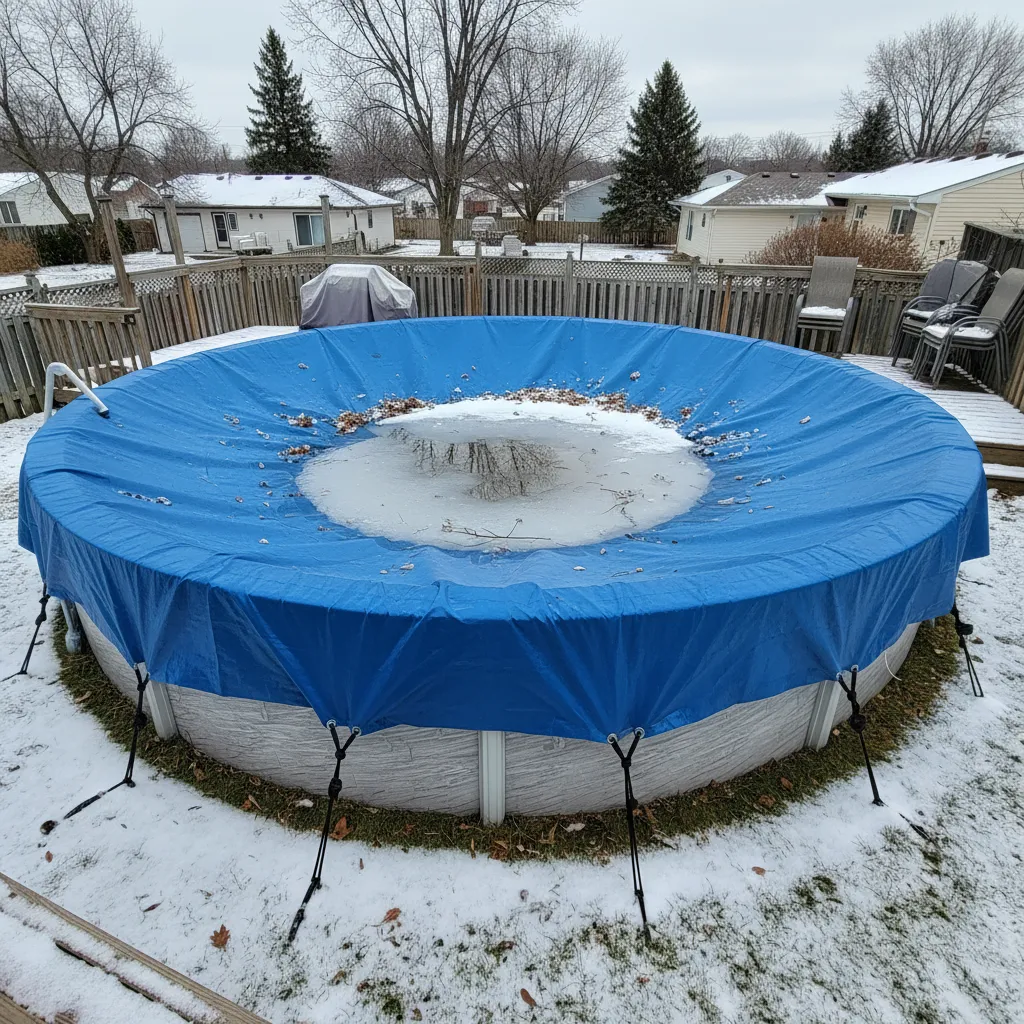
"Invest once to protect your liner and prevent a swamp in the spring."
Heavy-Duty Winter Pool Cover
Winter demand is high - check stock
What Are Automatic Pool Cleaners?
Automatic pool cleaners are devices that rely on your pool’s existing pump and filtration system to operate. These include suction-side models (attached to the skimmer) and pressure-side units (powered by a dedicated booster pump). For example, a suction-side cleaner like the Hayward Poolvergnügen uses the pool pump’s suction to move across surfaces, collecting leaves and dirt into the skimmer basket. Pressure-side cleaners, such as the Polaris 280, propel water through a debris bag while scrubbing floors. These systems typically require 8–12 hours per cleaning cycle and work best with pools under 16×32 feet.

What Are Robotic Pool Cleaners?
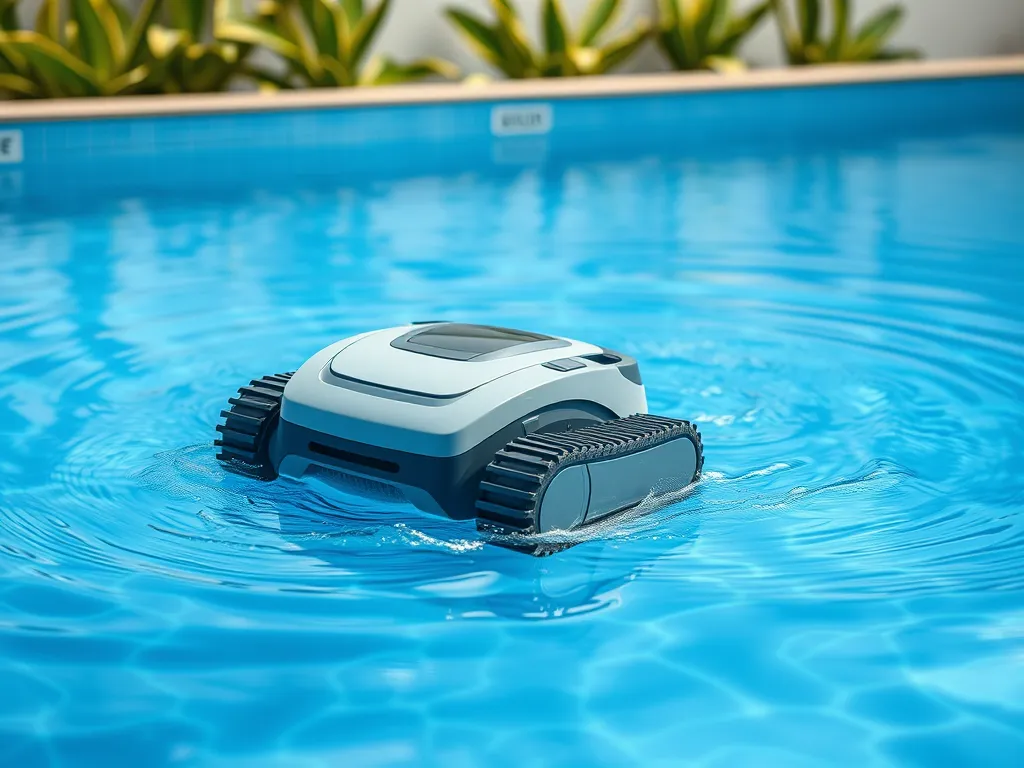
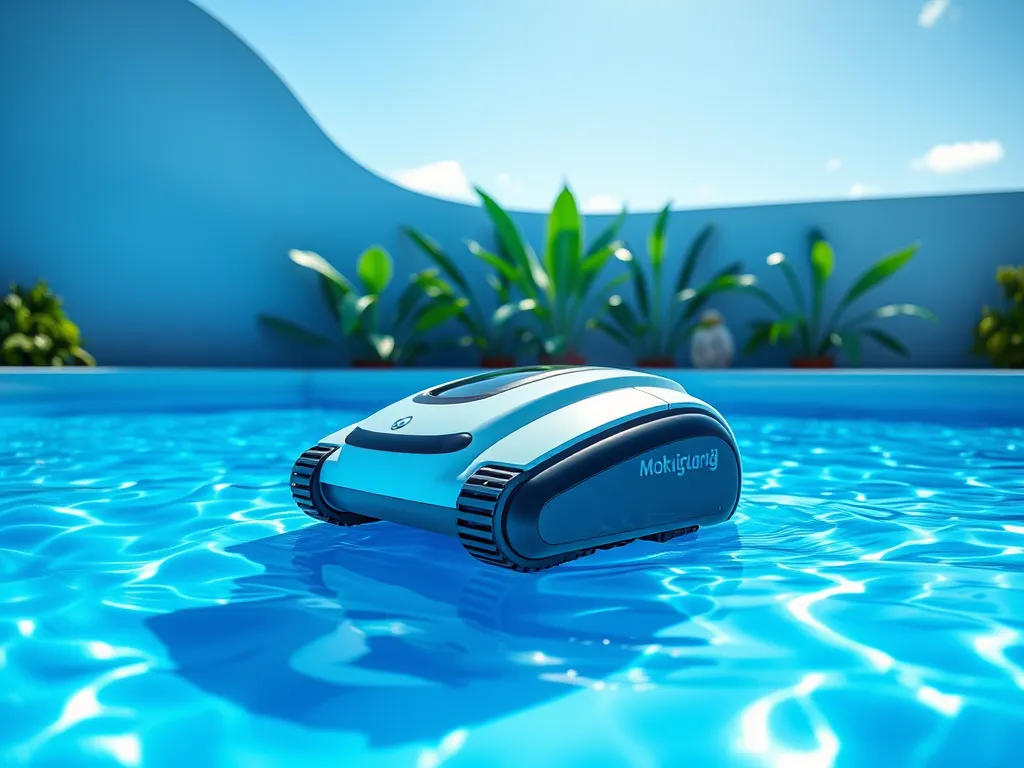
Robotic pool cleaners are self-contained machines with built-in motors, filters, and navigation systems. Units like the Dolphin Nautilus CC Plus operate independently from your pool’s pump, using 180–240 watts of energy—far less than traditional pumps (1,500+ watts). Equipped with smart sensors, they map pool layouts to avoid obstacles and climb walls up to 90-degree angles. Advanced models, such as the Maytronics Dolphin Premier, feature dual scrubbing brushes for concrete or fiberglass surfaces and multi-layer mesh filters that capture particles as small as 2 microns. Most complete cleaning cycles in 2–3 hours and include programmable schedules via Wi-Fi apps.
With these fundamentals clarified, let’s examine the different types of automatic pool cleaning systems and their unique advantages.
Types Of Automatic Pool Cleaning Systems
Three main pool cleaning systems dominate the market, each operating on distinct mechanisms. From basic suction models to advanced self-contained robots, selecting the right tool depends on pool specifications and cleaning priorities.
Suction-side Pool Cleaners
These devices attach to the pool’s existing suction port, relying on the main pump’s power to collect debris. Models like the Kreepy Krauly Classic move across surfaces as water flow pulls leaves, dirt, and small particles into the skimmer or pump basket. Costing $100–$400, they’re budget-friendly but require pumps running at 2,450–3,450 RPM. Limitations include difficulty climbing walls and potential strain on filtration systems.
Pressure-side Pool Cleaners
Operating through a dedicated pressure line or return jet, these cleaners like the Polaris 280 use water propulsion to navigate. A separate debris bag captures larger leaves and twigs, reducing filter clogs. Most models need booster pumps (0.75–1.5 HP) adding $300–$800 to initial costs. Ideal for pools with heavy organic debris, they consume more energy at 8–12 kWh per cleaning cycle.
Robotic Pool Cleaners
Self-contained units like the Dolphin Nautilus CC Plus feature onboard motors, filters, and intelligent navigation. Mapping pools through algorithms, they scrub floors, walls, and waterlines with rotating brushes. Advanced models for inground pools handle slopes up to 45 degrees and filter particles as small as 2 microns. Prices range from $500 for basic models to $1,500+ for premium systems with Wi-Fi controls and multi-surface brushes.
Key Differences: Robotic Vs. Automatic Pool Cleaners
While both categories aim to simplify pool maintenance, their operational approaches and results vary significantly. These contrasts help determine which system aligns with specific cleaning needs and pool setups. When considering a pool liner, it’s important to know what fits your specific requirements. A good pool liner buyers guide can help you analyze the options available and choose the best liner for your pool.

Performance and Efficiency
Robotic pool cleaners outperform traditional models with 85–95% debris removal rates versus 60–75% for suction/pressure units. Dual scrubbing brushes on devices like the Maytronics S300 eliminate algae buildup, while vortex filtration captures fine dust. Automatic cleaners often miss corners and require manual brushing for complete cleaning.
Energy Consumption
Robotic systems operate independently from pool pumps, using 180–280 kWh annually. Pressure-side cleaners combined with booster pumps consume 1,200–1,800 kWh yearly. This difference can save $150–$250 in energy costs per season with robotic models. Properly maintaining your pool is essential for its efficiency. Utilizing an algaecide pool dose calculator can help ensure that you use the right amount of product to keep your water clear and healthy.
Installation and Compatibility
Robotic pool cleaners for inground pools need only a GFCI outlet, making them compatible with all pool types. Suction and pressure cleaners require specific plumbing configurations—suction models struggle with variable-speed pumps, while pressure cleaners demand dedicated return lines. Fiberglass pool owners often prefer robotic systems to prevent surface scratches from hose drag.
Maintenance Requirements
Robotic units require post-cleaning filter rinsing and monthly brush inspections. Automatic cleaners demand weekly pump basket checks and occasional diaphragm replacements in pressure models. Suction-side cleaners increase strain on pool filters, necessitating backwashing every 7–10 days versus 30–45 days with robotic systems.
Recognizing these distinctions sets the stage for evaluating how advanced robotic features translate to real-world benefits. Next, we’ll break down the operational advantages that justify their growing popularity.
Also See: Can a Telescopic Pole Work With Any Pool Tool?
Benefits Of Using Robotic Pool Cleaners
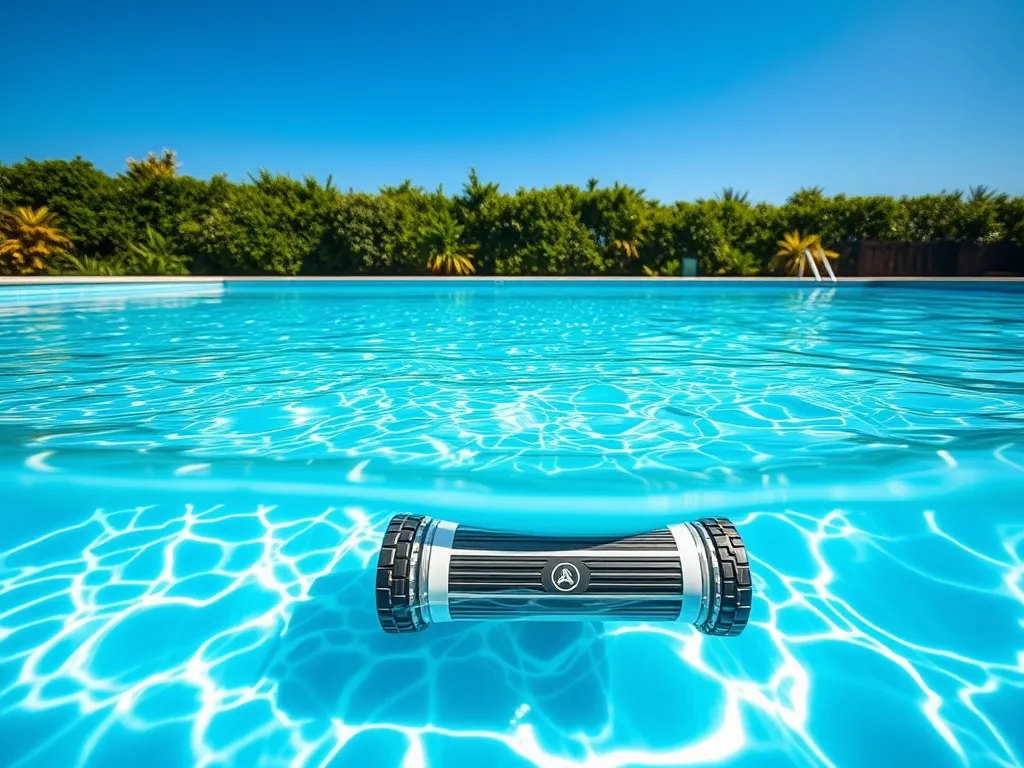
Robotic pool cleaners stand out for their ability to simplify maintenance while delivering superior results. These devices combine cutting-edge engineering with user-friendly features, making them a favorite among pool owners seeking hassle-free upkeep. Keeping the pool clean is essential for a pleasant swimming experience. One such innovation addressing pool hygiene is the pool urine detector.
Advanced Cleaning Capabilities
Modern robotic pool cleaners tackle dirt with surgical precision. Equipped with rotating scrub brushes and intelligent navigation systems, they remove algae, debris, and even fine silt as small as 2 microns. High-end models feature gyroscopic sensors to map pool contours, ensuring complete coverage of floors, walls, and waterlines. Some units include waterline-specific cleaning modes to combat stubborn calcium deposits. Keeping your pool clean floaties is just as important as maintaining the pool itself. Regular cleaning of floaties can prevent mold and bacteria from accumulating on them.
Energy Efficiency
Unlike pressure-side or suction-side models that rely on your pool’s pump, robotic cleaners operate independently using low-voltage motors (typically 24V-48V). This design slashes energy use by up to 90% compared to traditional systems. Most units consume 150-300 watts during operation – equivalent to running three standard light bulbs – making them eco-friendly and budget-conscious choices.
Ease Of Use and Programmability
Set-it-and-forget-it functionality defines robotic pool cleaners. Many feature LCD interfaces or Bluetooth connectivity for scheduling cleanings during off-peak hours. The Dolphin Premier’s QuickClean mode, for example, completes a full cycle in 90 minutes for fast touch-ups. Automatic shutdown prevents overheating, while built-in filters eliminate manual skimming before operation.
Limitations Of Robotic Pool Cleaners
While robotic pool cleaners excel in performance, they come with trade-offs that demand consideration. These limitations vary by model and brand, impacting long-term usability.
Initial Cost Considerations
Premium robotic pool cleaners for inground pools often carry price tags exceeding $1,200 – three times the cost of basic automatic models. Entry-level robotic systems start around $600 but may lack features like wall climbing or app controls. Replacement parts add to expenses: brush assemblies average $40-$80, while drive motors can cost $200+. When considering a pool installation in California, it’s important to factor in maintenance costs as well. The overall cost of installing a pool can vary significantly based on the features and equipment chosen.
Cable Management Challenges
The 40-60 foot power cords on robotic swimming pool cleaners require careful handling to prevent tangling. Kinked cables can damage internal wiring, leading to $150+ repair bills. Swivel cord technology, available in models like the Polaris VRX iQ+, reduces knotting but adds $100-$300 to the base price.
Filter Maintenance Needs
Robotic pool cleaning systems demand weekly filter attention. Fine mesh cartridges trap particles as small as 2 microns but clog faster than suction-side bags. Heavy usage may require rinsing after every cycle – a 10-minute task that users often underestimate. Neglected filters reduce suction power by 30-50%. Maintaining clean filters is especially important for ensuring the best performance in pools of various sizes. Standard pool sizes can influence the effectiveness of cleaning systems and how often maintenance is required.
Factors to Consider When Choosing a Pool Cleaner
Selecting the right automatic swimming pool cleaner requires matching technical specs to your pool’s unique needs. These five elements determine long-term satisfaction and cleaning efficiency.
Pool Size and Shape Compatibility
Robotic cleaner motors must handle your pool’s volume. A 1.5HP motor suits pools up to 40 feet, while 2.0HP+ models work best for Olympic-sized installations. Units with articulating brushes adapt better to kidney-shaped pools or those with sharp corners.
Cleaning Cycle Duration
Standard 3-hour cycles work for most 15,000-gallon pools. Larger bodies of water need cleaners with 4-6 hour run times. The Maytronics Dolphin S300i completes a 50-foot pool in 2.5 hours using dual accelerometers for path optimization.
Filtration System Type
Cartridge filters (washable/reusable) suit frequent cleanings, while pleated filters capture finer debris. Top-tier robotic pool cleaners for fiberglass pools often include multi-layer systems combining both types. Verify filter accessibility – some require tool-free removal in under 10 seconds. When maintaining a stainless steel pool, it’s essential to consider the filters and cleaning systems that best suit its unique surface. Regular maintenance of these systems ensures the longevity and shine of your stainless steel pool.
Cord Length and Power Source
Measure from your nearest outlet to the pool’s farthest point. Robotic models need cords exceeding this distance by 10 feet for maneuvering. The Pentair Warrior SI boasts a 60-foot cable for large properties. Hardwired models avoid outlet reliance but require professional installation ($200+).
Brush Design and Surface Adaptation
Stiff nylon brushes work best for concrete pools with textured finishes, while softer rubber rollers protect vinyl liners. The Hayward TigerShark QC features interchangeable brush kits ($75-$120) for different surfaces. Check clearance specs – at least 1.5 inches prevents damage to raised tile patterns.
With these factors in mind, proper maintenance becomes key to maximizing your cleaner’s lifespan. Let’s explore best practices for keeping your system running smoothly.
Operating and Maintaining Your Pool Cleaning Robot
Maximizing the lifespan of robotic pool cleaners requires regular upkeep and smart usage habits. Follow these protocols to keep your unit running at peak performance.
Optimal Cleaning Schedules
Most robotic swimming pool cleaners operate best with 2-3 weekly cycles for average residential pools. Pools near trees or with heavy foot traffic may need daily 90-minute sessions. Programmable models like the Dolphin Nautilus CC Plus let users set automatic start times through mobile apps. Avoid running units during peak sunlight hours to prevent overheating motors rated for 104°F maximum ambient temperatures. To keep your pool in top shape, it’s important to maintain the right balance of chemicals. Properly balanced pool chemicals ensure clean water and protect your pool equipment.
Post-use Cleaning Procedures
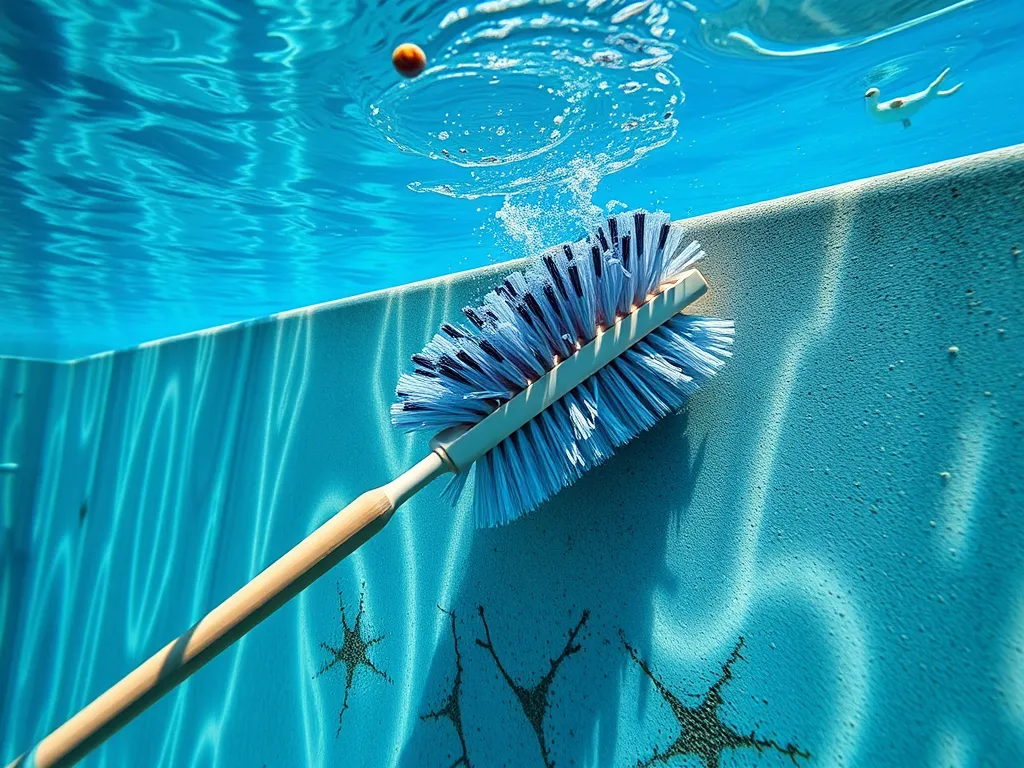
After each cycle, disconnect the 40-60ft floating cable and rinse the filter cartridge with a garden hose. Clear debris from rotating brushes using a stiff nylon brush. For cleaners with swivel cords, check for kinks that could damage internal wiring. Models with self-contained debris bags, like the Polaris VRX iQ+, require bag emptying and monthly mesh inspections.
Proper Storage Practices
Store robotic pool cleaners for inground pools in shaded, dry areas when not in use for extended periods. Never leave units submerged longer than 48 hours between cycles. Use manufacturer-provided caddies to prevent drive motor stress – the Pentair Warrior SI ships with a storage rack featuring rubberized contact points. Remove batteries from cordless models during winterization. Keeping your pool area clean and well-maintained can enhance its overall beauty. Illuminating water features can add a stunning visual appeal, transforming your pool into a magical oasis at night.
Avoiding Chemical Damage
Maintain pool water pH between 7.2-7.8 to prevent corrosion of stainless steel brush components. Shock treatments above 5ppm chlorine require removing robotic pool cleaners for 24 hours. Saltwater pools demand models with titanium heat exchangers like the Aquabot X4, rated for 40,000-hour operation in saline environments up to 4,000ppm. When preparing for the colder months, it’s important to think about protecting your pool systems. Using RV antifreeze in your pool can help prevent damage from freezing temperatures.
Price Ranges for Automatic and Robotic Pool Cleaners
Investment levels for pool cleaning robots vary widely based on automation level and pool compatibility. Below are current market brackets for residential models.
Budget-friendly Options (Under $500)
Entry-level units like the Dolphin E10 focus on basic vinyl pool cleaning with single-layer filters and 50-watt motors. These robotic cleaner pool models typically lack wall climbing but handle leaves up to 1.5″ diameter. Expect 1-2 year warranties and manual controls rather than app connectivity. Keeping the dirt off the bottom of your pool is essential for a clean swimming experience. A clean dirt bottom pool not only looks inviting but also helps maintain water quality and clarity.
Mid-range Models ($500 – $1,000)
The $799 Hayward RC9740 features gyroscopic navigation for concrete pools and dual scrubbing brushes. This tier introduces smart sensors avoiding ladder entanglements and weekly scheduling. Most include cartridge filters trapping particles down to 2 microns, suitable for gunite surfaces.
Premium Robotic Systems ($1,000+)
Flagship cleaners like the $1,499 Polaris Alpha iQ+ boast laser mapping for fiberglass pools and 4-wheel drive traction. Advanced models offer zone-specific cleaning via smartphone apps and UV-resistant 65ft cables. Commercial-grade versions reach $3,500+ with industrial rubber tracks and 3HP pumps moving 85 GPM.
With pricing tiers clarified, let’s examine common queries about feature comparisons and long-term ownership costs.
Frequently Asked Questions
Do Robotic Pool Cleaners Work in Saltwater Pools?
Many modern robotic cleaners are specifically designed for saltwater compatibility. Look for models with corrosion-resistant materials like titanium components or polymer housings. Always verify the manufacturer’s salt concentration specifications before purchasing.
Can I Leave My Robotic Pool Cleaner Submerged When Not in Use?
While some models allow short-term submersion, prolonged underwater storage can degrade electrical components. Most manufacturers recommend removing the unit after cleaning and storing it in a cool, dry place to extend its lifespan.
How Do I Troubleshoot a Robotic Cleaner That’s Stuck on Pool Steps?
Advanced units with anti-tangle sensors typically avoid this issue. For older models, manually reposition the cleaner and ensure its buoyancy compensator (if equipped) is properly adjusted. Stepped pools may require cleaners with enhanced climbing angles above 45 degrees.
Are There Automatic Pool Cleaners That Don’t Require Connecting to Pool Plumbing?
Yes, robotic cleaners operate independently without plumbing connections. Some pressure-side models with self-contained debris bags also minimize direct plumbing integration, though they still require a water pressure source.
What Warranty Periods Are Typical for Robotic Pool Cleaners?
Most reputable brands offer 1-3 year warranties on robotic units, with premium models sometimes including extended 5-year coverage on motors. Always register your product and review terms regarding saltwater use or commercial applications.
Closing Thoughts
Automatic and robotic pool cleaners transform pool maintenance from a chore into a hands-off process. Whether you prioritize affordability with suction-side models or advanced scrubbing with robotic units, today’s options cater to every pool type and budget.
Robotic cleaners lead in energy efficiency and smart features, while automatic systems offer simpler setups. Consider your pool’s size, shape, and debris load when choosing. Proper maintenance extends any cleaner’s lifespan, saving you money long-term.
For precise calculations on cleaner runtime, energy costs, or pool volume, visit My Pool Calculator. Our tools help optimize your cleaner’s performance while keeping your pool sparkling with minimal effort.
Additional Resources for You:
- Pool & Hot Tub Alliance (PHTA) – Industry Standards & Training
- We Spent Six Months Testing Robotic Pool Cleaners—These Are the Best Cleaners to Keep Your Pool Sparkling
- Aiper Seagull Pro Cordless Robotic Pool Cleaner
- Shop the top Robotic Pool Cleaners at the Lowest Prices
- r/swimmingpools on Reddit: Are robot pool cleaners worth it? Just finished our pool. Thinking about buying a robot pool cleaner . Do they make life much easier or are they needing constant attention or maintenance?