Do High Diving Pools Need Different Filtration Systems?
Published on: December 23, 2025 | Last Updated: November 17, 2025
Written By: Marcus Thornfield
High diving pools require specialized filtration due to their extreme depth (up to 17.7 feet for Olympic platforms), massive water volume (often exceeding 500,000 gallons), and intense activity levels. Unlike standard pools, these structures need systems that process 3-4 times more water per hour, handle sudden debris surges from divers, and maintain crystal clarity for safety judging. The filtration must cycle the entire water volume every 4-6 hours compared to 8-12 hours in regular pools.
This article breaks down why standard pool filters fail under diving pool demands and reveals three systems that meet the challenge. You’ll see how sand filters handle high flow rates (100-200 GPM), why diatomaceous earth (DE) filters trap particles as small as 1-3 microns, and when cartridge systems offer the best balance. We’ll compare costs – DE systems average $2,500-$4,500 versus $1,800-$3,000 for commercial-grade sand filters.
Beyond equipment choices, we’ll explore critical maintenance routines required by organizations like FINA for competition pools. Learn how positioning multiple inlets creates optimal circulation patterns, why oversized skimmers matter, and how ozone generators reduce chlorine use by 50-70% in high-activity water. Real-world examples show how Olympic training centers maintain 0.5 NTU water clarity despite constant use.
Understanding Unique Filtration Requirements for High Diving Pools
High diving pools demand specialized water management strategies to handle unique operational challenges. Structural design, user activity levels, and safety standards create distinct needs that standard pool setups can’t address effectively.
Crucial Winterizing Products
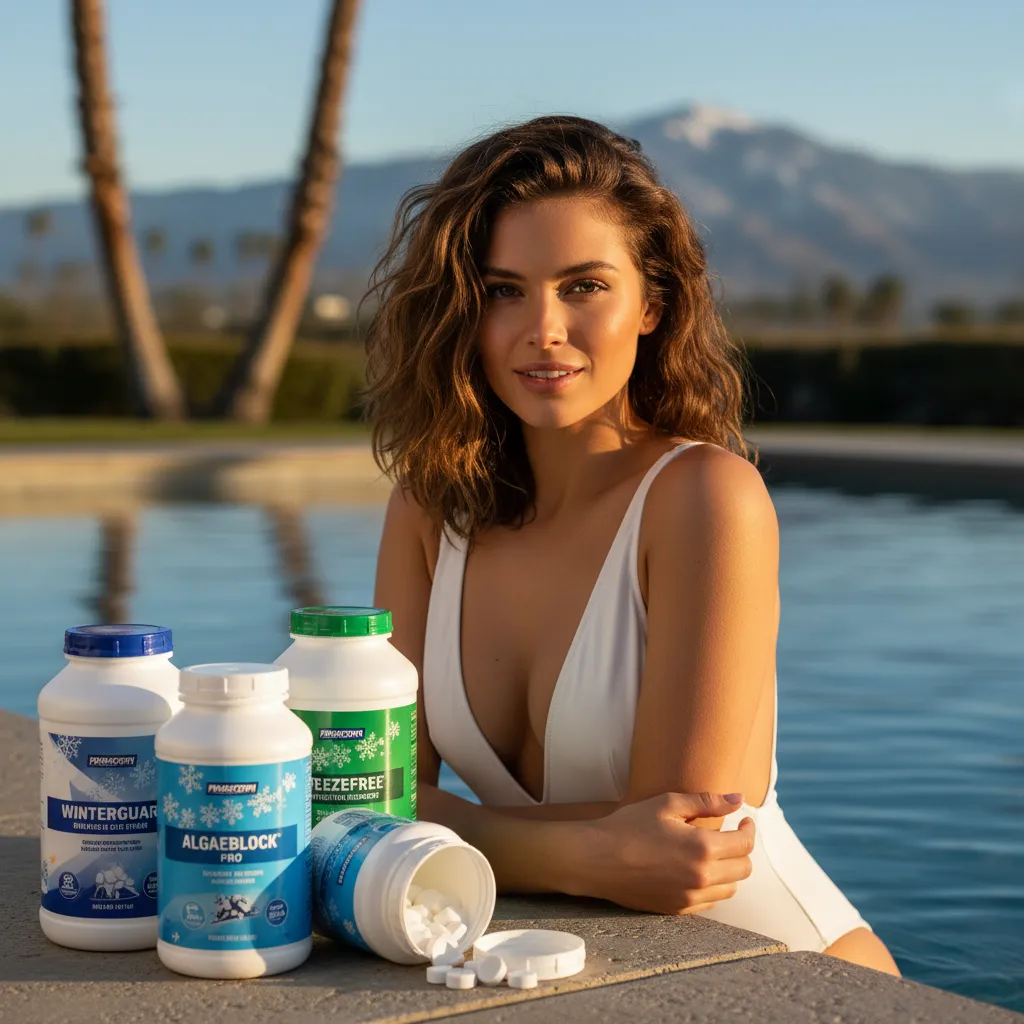
"The all-in-one solution for a guaranteed clear spring opening."
All-in-One Closing Chemical Kit
Winter demand is high - check stock

"The 'set & forget' option. This is the easiest winterizing I've ever done."
Simple 3-in-1 Winterizing Balls
Winter demand is high - check stock
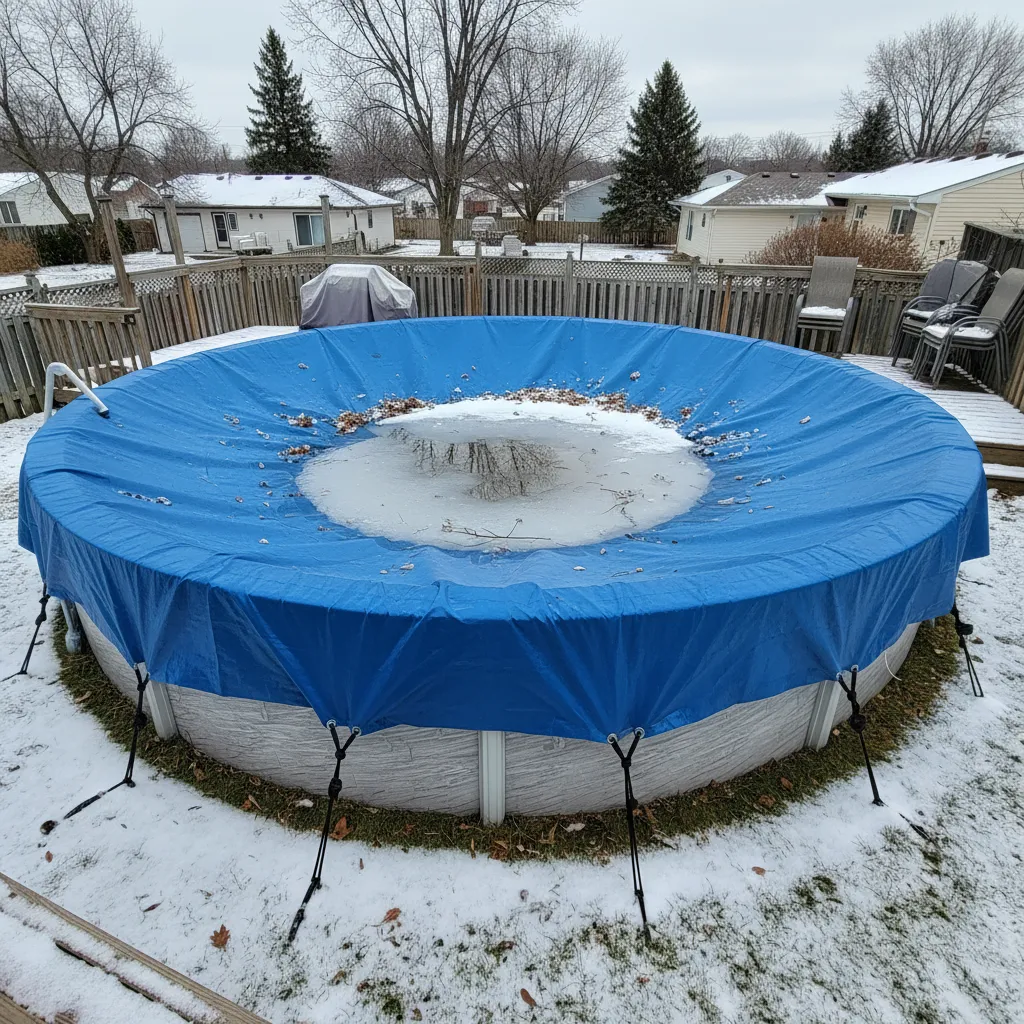
"Invest once to protect your liner and prevent a swamp in the spring."
Heavy-Duty Winter Pool Cover
Winter demand is high - check stock
How High Diving Pools Differ From Standard Swimming Pools
High diving pools feature depths reaching 16-18 feet for platform diving, compared to the 8-10 foot depths of standard pools. This extra depth creates stratified water layers with varying temperatures and chemical distribution. Elevated diving boards (up to 33 feet in Olympic pools) introduce airborne contaminants as divers enter the water, while stronger splash forces push debris farther from pool edges.
Key Factors Driving Special Filtration Needs
Four elements dictate filtration upgrades for diving pools:
- Extended water column depth affecting circulation patterns
- Faster contaminant dispersion from high-impact entries
- Elevated bather load per square foot during training sessions
- Strict FINA/World Aquatics visibility standards for competition pools
Increased Water Volume and Depth
A 10-meter platform pool holds 490,000+ gallons versus 20,000 gallons for residential pools. Filtration systems must process 2-3x more water while combating density variations. Deep zones require dual suction outlets at different depths to prevent stagnant pockets, with flow rates exceeding 150 gallons per minute (GPM) per outlet. Ensuring the water remains warm can be a challenge in such large pools. A solar blanket can help trap heat and reduce heat loss, making the pool more enjoyable for swimmers.
Rapid Circulation Demands
Competition standards mandate full water turnover every 2-3 hours versus 6-8 hours for leisure pools. This requires pumps with 75-100 horsepower (HP) for large facilities and oversized plumbing diameters (8-12 inches) to reduce friction loss. Variable frequency drives (VFDs) maintain consistent flow during peak usage without overpressurizing filters.
Debris Load from Heightened Activity
Each diver introduces 0.5-1.2 grams of organic matter per entry based on NCAA studies. Platform heights amplify particle dispersion, necessitating surface skimmers with 95% capture efficiency within 15 minutes. Automated floor vacuums with 360-degree jets become critical for collecting sediment in deep zones where gravity pulls debris downward.
With these factors in play, facility operators must evaluate whether standard filtration components can meet the demands of competitive or recreational diving environments. The next section examines specific system upgrades required to maintain water clarity and safety.
Do High Diving Pools Require Specialized Filtration Systems?
High diving pools operate under unique pressures that standard backyard pools never face. With platforms reaching 10 meters (32.8 feet) and depths exceeding 16 feet, these aquatic environments demand filtration systems engineered for extreme conditions.
Why Standard Pool Filtration May Fall Short
Typical residential pool filters process 8-10 turnovers per day. High diving pools require 4-6 turnovers per hour to handle the surge of contaminants from divers’ body oils, airborne debris, and disturbed sediment. Standard systems lack the flow rates needed for pools holding 250,000+ gallons, often leading to cloudy water or bacterial buildup beneath diving boards. Maintaining clean water is essential for the overall health of the pool equipment. A well-functioning pool has a positive impact on the lifespan of components like salt cells.
Regulatory and Safety Considerations
Organizations like FINA (Fédération Internationale de Natation) mandate water clarity levels of 0.5 NTU (Nephelometric Turbidity Units) for competitive events. Municipal codes frequently require dual-drain systems and emergency shutoffs for pools deeper than 12 feet. These rules push operators toward commercial-grade systems with redundancies like backup pumps or UV secondary treatment.
Types Of Filtration Systems for High Diving Pools
Three primary systems dominate the market, each with distinct strengths for managing the demands of high diving pool filtration requirements.
Sand Filtration Systems
Using graded silica media, sand filters trap particles as small as 20 microns. These workhorses process up to 500 gallons per minute (GPM), making them common in municipal pools. Their open design handles leaves or large debris stirred up by dive entries. Maintaining a clean and clear pool is essential for any swimming environment. This is especially true for those looking to start a salt pool, as proper filtration is key to its success.
Pros and Cons for High-Dive Applications
Sand systems excel at handling heavy loads but struggle with microscopic contaminants. While cost-effective upfront ($3,500-$8,000 for commercial units), they require weekly backwashing that wastes 300-1,000 gallons per cycle. Not ideal for pools needing competition-level clarity. This is important for larger pools, such as a 10,000-gallon pool. Maintaining clean and clear water in such a volume can be quite a challenge without the right filtration system.
Cartridge Filtration Systems
Pleated polyester filters capture particles down to 10 microns without backwashing. These units shine in high-flow scenarios, processing 200-400 GPM while using 80% less water than sand systems. Popular for indoor facilities where water conservation matters.
Advantages in High-Flow Scenarios
Cartridges maintain steady pressure during peak usage—critical when 50+ divers train daily. Replacement costs add up though ($400-$900 annually), and torn pleats can send debris back into the pool during flips or twists that churn deep water. When considering the upkeep of a pool, it’s important to look at all expenses. A small inground pool can also have various costs related to maintenance, which are worth factoring into your overall budget.
Diatomaceous Earth (DE) Filtration Systems
DE filters coat grids with fossilized algae powder (diatoms), achieving 1-3 micron filtration. The gold standard for Olympic facilities, these systems keep water mirror-clear despite constant surface disruption from 10-meter entries.
Superior Filtration for Competitive Environments
DE’s ultra-fine filtering meets FINA’s strict clarity standards but demands meticulous care. Monthly breakdowns for grid cleaning add labor costs, and DE powder requires careful disposal due to respiratory risks. Commercial models run $10,000-$25,000, justifying their use primarily in elite training centers.
With these options laid out, the next step involves analyzing how flow rates, maintenance demands, and operational budgets shape long-term success for diving pool systems.
Also See: Do You Need HOA Approval for a Pool? Key Insights
Comparing High Diving Pool Filtration Options
Choosing filtration for diving pools with platforms above 10 meters involves balancing technical specs, activity demands, and facility goals. Each system brings distinct traits that impact performance in high-impact aquatic settings. Keeping an eye on the pool filter pressure gauge is essential for maintaining optimal filtration. A proper gauge reading helps ensure the pool functions smoothly and stays clean.
Flow Rate Requirements for Diving Pool Systems
High diving pools typically need pumps moving 150-200 gallons per minute (GPM) to handle depths up to 16 feet. Traditional pools might function at 80-120 GPM, but diving boards add splash volume and particulate dispersion. Sand filters work with 1.5-2.0 HP pumps for this flow, while DE systems demand 2.5+ HP to maintain 3-5 psi during peak activity. Cartridge units risk flow blockage if not sized 20% above calculated needs. To ensure clean and safe water, a proper pool filter diagram is essential. This diagram provides a clear representation of how water circulates and is filtered in a pool system.
Maintenance Complexity Comparison
Backwashing sand filters weekly consumes 300-500 gallons per cycle—a concern in drought regions. Cartridge models skip water loss but require biweekly rinsing and annual $200-$400 replacements. DE grids offer 1-3 micron filtration (vs sand’s 20-40 microns) but need manual charging post-backwash. Public facilities often hire staff for DE upkeep, adding $1,500-$3,000 yearly to labor budgets. Similarly, choosing the right cleaning method is essential for maintaining pool quality. Robotic pool cleaners provide an efficient solution, using less water while effectively keeping pools clean.
Long-term Cost Considerations
Initial costs favor sand filters at $4,000-$8,000, but their 7-year lifespan trails cartridge (10 years) and DE (12-15 years) options. Factoring parts and labor, DE systems average $0.12 per gallon treated vs sand’s $0.18. Cartridges hit $0.15 but lack the clarity competitive diving venues demand. Tax incentives for water-saving tech can sway 30% of municipal projects toward DE or ozone hybrids. Choosing the right pool cover size can impact the overall efficiency of your pool system. A properly sized cover can help reduce maintenance costs and enhance water quality.
Essential Maintenance for High Diving Pool Filtration
Rigorous protocols prevent cloudiness and bacterial risks in deep basins. Daily checks become non-negotiable when hosting 3-meter springboard training or platform diving.
Optimizing Circulation Patterns
Position inlets at dual depths: floor jets at 45° angles push debris upward, while surface returns create a top-to-bottom spiral. Aim for full water turnover in 4 hours or less—achievable with variable-speed pumps cycling 6-8 times daily. Stagnant zones below diving boards require auxiliary jets, adding $800-$1,200 per unit but cutting vacuuming by 40%.
High-capacity Skimmer Systems
Diving pools need 1 skimmer per 400 sq ft, each rated for 60 GPM. Floating weirs adjust to wave surges from entries, capturing leaves and oils before sinking. Pair with automatic chlorinators dosing 4-6 ppm free chlorine during peak hours. Commercial models like the Pentair Paramount S6 handle 25% more hair/cloth debris than residential versions. Keeping the water balanced is crucial for safety and comfort. The ideal bromine level in pools helps to maintain cleanliness and water quality.
Cleaning Schedule Recommendations
Vacuum deep zones daily with robotic units rated for 12+ foot dives. Brush walls thrice weekly—stainless tools outperform nylon on concrete surfaces. Test calcium (200-400 ppm) and TDS (<1,500 ppm) biweekly; high TDS dulls water clarity critical for judging dives.
Professional Inspection Protocols
NFPA 101 mandates quarterly checks on filter tanks, pressure gauges, and O-rings in diving facilities. Ultrasonic testing spots microcracks in fiberglass sand filters, while DE grids undergo tear inspections under blacklight. Budget $500-$1,000 annually for third-party audits to maintain NCAA or FINA compliance.
Supplementary Filtration Technologies
Add-on systems tackle contaminants traditional filters miss, vital when divers’ skin oils and lotions cloud deep water.
Ozone Systems Compatibility
Corona discharge ozone generators inject 0.5-1.0 ppm O³ post-filtration, oxidizing organics that slip through sand or DE. Requires ORP controllers to keep levels below 800 mV, avoiding equipment corrosion. Adds $3,000-$8,000 upfront but cuts chlorine use by 60%, a plus for indoor diving tanks where air quality matters.
Mineral Systems Suitability
Copper-silver ionizers work with salt-chlorine generators to maintain 0.5 ppm Cu/0.1 ppm Ag. Inhibit algae in warm therapy pools but lack oxidation power for high-traffic diving wells. Best paired with UV units (50-80 mJ/cm² dosage) to zap chloramines from humid air above platforms. Initial install runs $2,500-$4,000 with $300 annual cartridge swaps.
While advanced tools aid clarity, facility managers must still address common myths about diving pool upkeep—topics our next segment clarifies.
High Diving Pool Filtration FAQs
How Often Should High Diving Pool Filters Be Serviced?
Commercial diving pools require weekly filter inspections and monthly deep cleanings. DE grids need chemical soaks every 60-90 days, while sand filters demand media replacement every 3-5 years. Facilities with 10-meter platforms often implement real-time pressure monitoring to trigger maintenance when flow drops below 85% efficiency.
What Water Clarity Standards Apply to Competitive Diving Pools?
FINA mandates a maximum turbidity of 0.5 NTU for international competitions, equivalent to seeing a 30cm black disk at the pool’s deepest point (5m visibility). This exceeds standard pool guidelines of 1.0 NTU, requiring secondary filtration like DE or ozone supplementation.
Are There Specific Safety Certifications for Diving Pool Filtration Systems?
NSF/ANSI 50 certification is mandatory for public diving pools in most U.S. states, verifying equipment can handle 18ft depths and surge capacities. European facilities often require EN 13451-3 compliance, which tests for rapid contaminant removal during simulated dive events.
How Does Pool Depth Impact Filtration System Placement?
Deep pools (15+ feet) require dual suction inlets at 4ft and 12ft depths to prevent stagnant layers. Filters must be positioned below the pool’s midpoint to maintain prime, with booster pumps often needed for vertical lifts exceeding 10ft in Olympic-scale facilities. In cowboy pool design, depth plays a crucial role in ensuring swimmer safety and comfort. Typically, these pools range from 5 to 10 feet deep, providing a good balance for recreational use.
What Are Common Mistakes in Diving Pool Filtration Maintenance?
Top errors include under-sizing skimmer baskets (needs 40% greater capacity than standard pools), ignoring weir door functionality during splash events, and improper backwash cycles that leave channeled sand. Over 60% of competitive pool closures stem from neglected filter media replacement schedules. To avoid these pitfalls, it’s important to choose the right products for your pool. A comprehensive pool liner buyers guide can help you make informed decisions about maintenance and equipment.
Closing Thoughts
High diving pools demand more robust filtration than standard swimming pools. The combination of greater water volume, intense activity, and safety requirements means standard systems often fall short. Sand, cartridge, and DE filters each offer unique advantages, with DE systems providing the finest filtration for competitive environments.
Proper maintenance remains critical – from optimizing circulation patterns to scheduling professional inspections. While supplementary technologies like ozone systems can enhance water quality, they don’t replace traditional filtration.
For precise calculations on flow rates, filter sizing, or maintenance schedules for your diving pool, visit My Pool Calculator. Our tools help ensure your filtration system meets both performance demands and regulatory standards.
Additional Resources for You:
- Diving pool: differences to other pools, measurements and their …
- Minimum Water Depths for Head First Diving From Pool Decks, Starting Blocks, Docks and Similar Low Fixed Platforms
- Why do they spray water on diving pools? – Quora
- Swimming Pool Diving Boards: Consider Safety, Usage, and Backyard Size